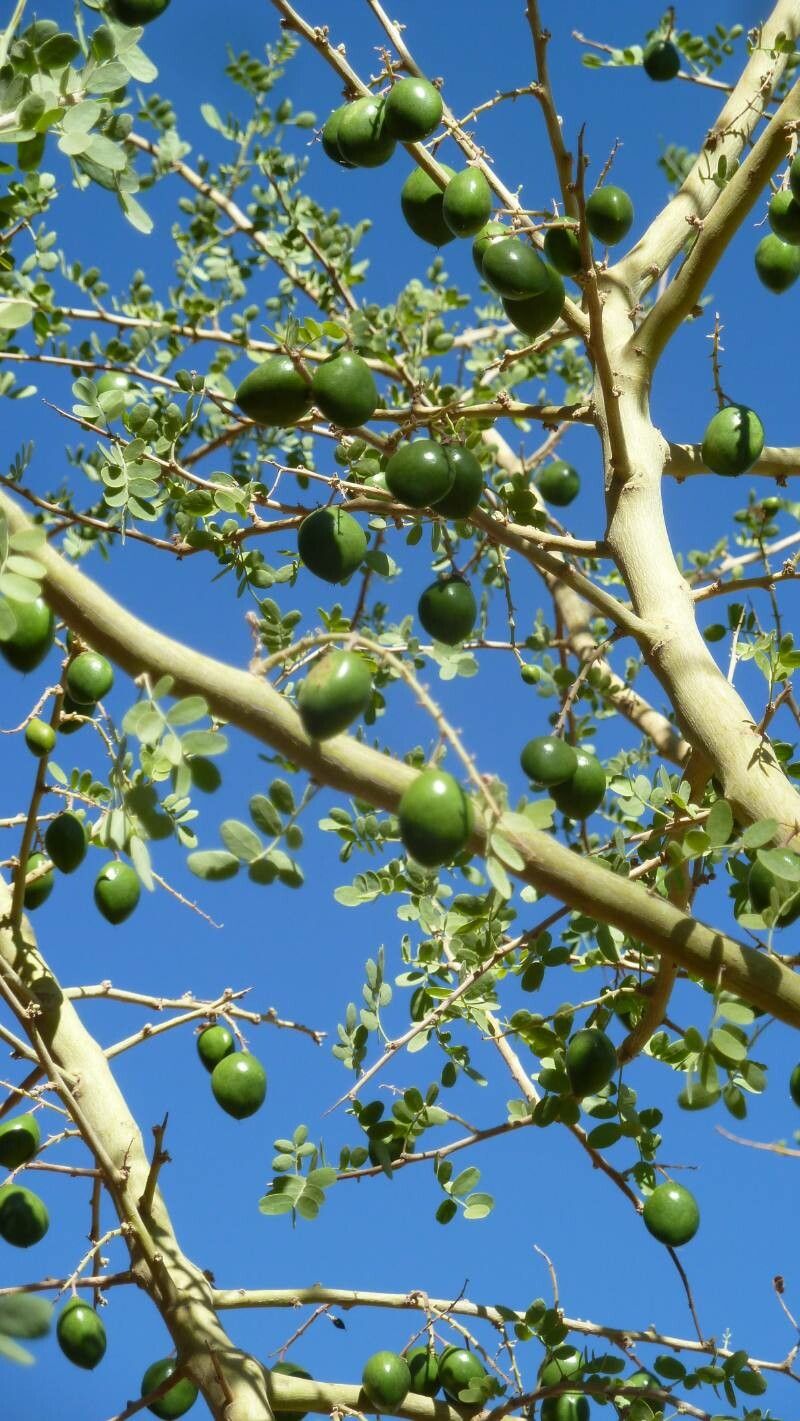
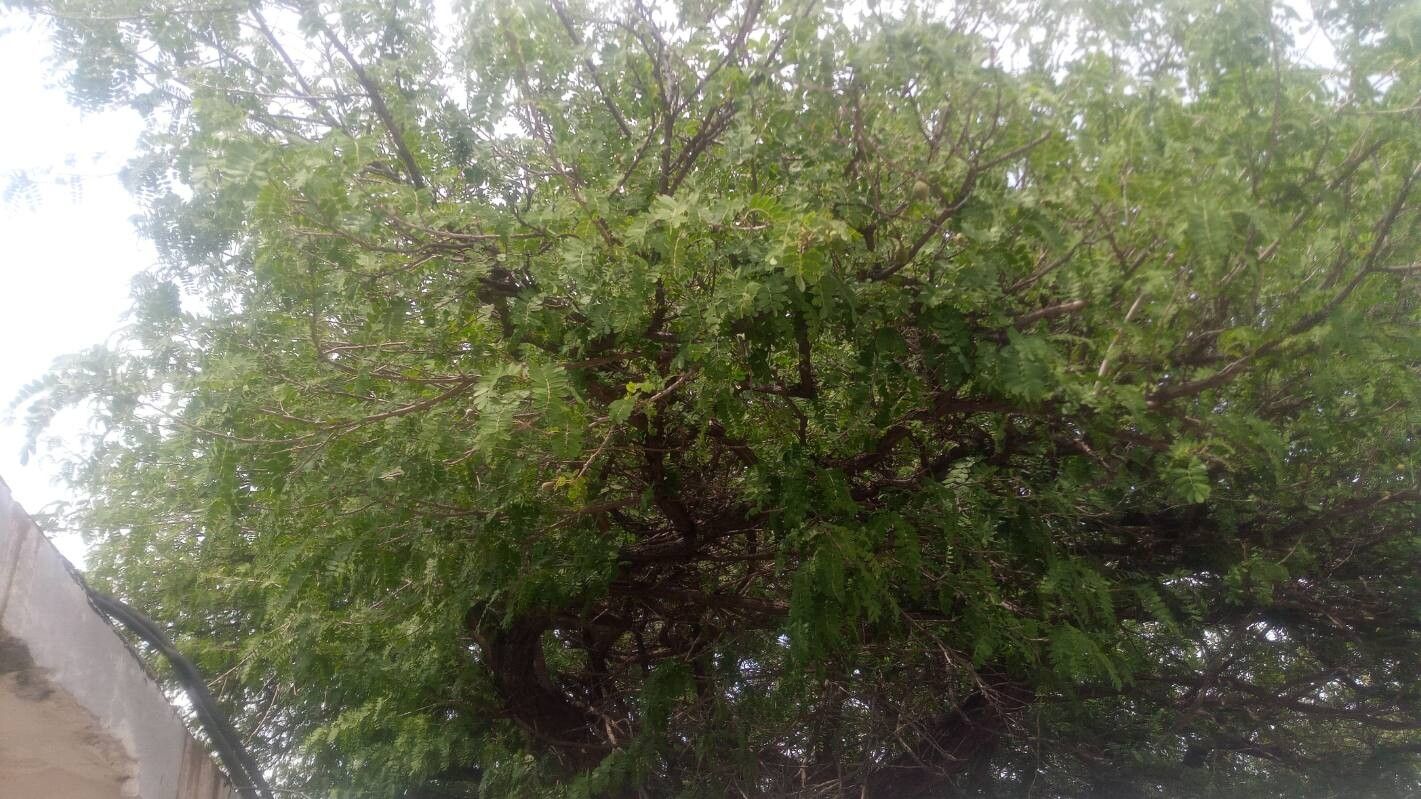
Geoffroea decorticans, commonly known as the Chilean Palo Verde or Chilean Mesquite, is a deciduous tree species in the Fabaceae family. Native to South America, this tree is typically found in Argentina, Bolivia, Chile, and Peru. It can grow up to 10 meters tall, with a trunk diameter of up to 50 cm.
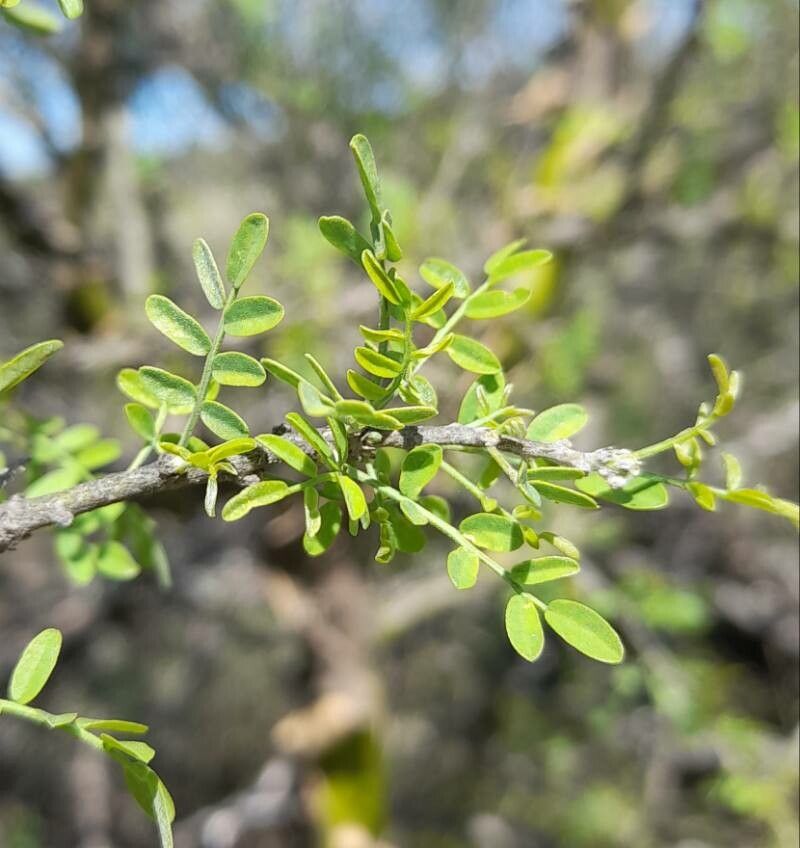
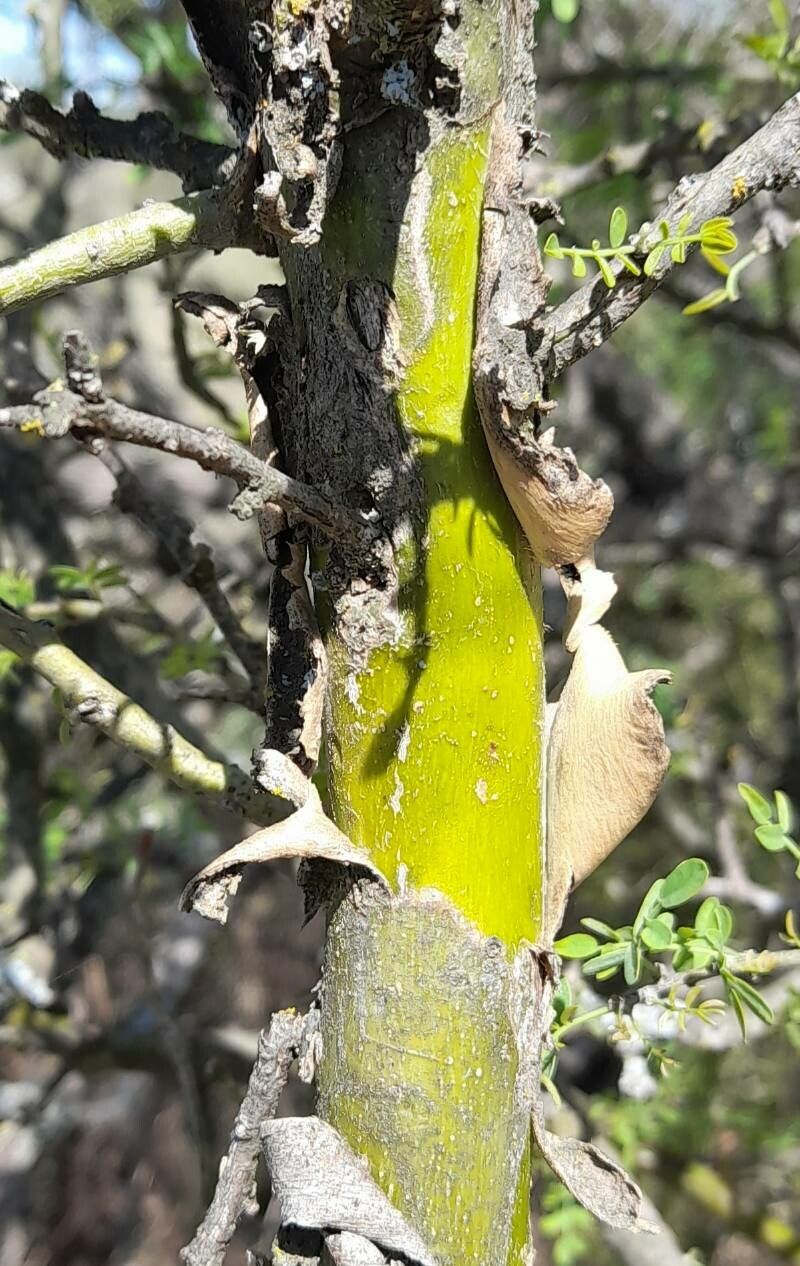
The leaves of Geoffroea decorticans are bipinnate with small, green leaflets. Its bark is grayish-brown with a rough texture, primarily due to its tendency to shed outer layers.
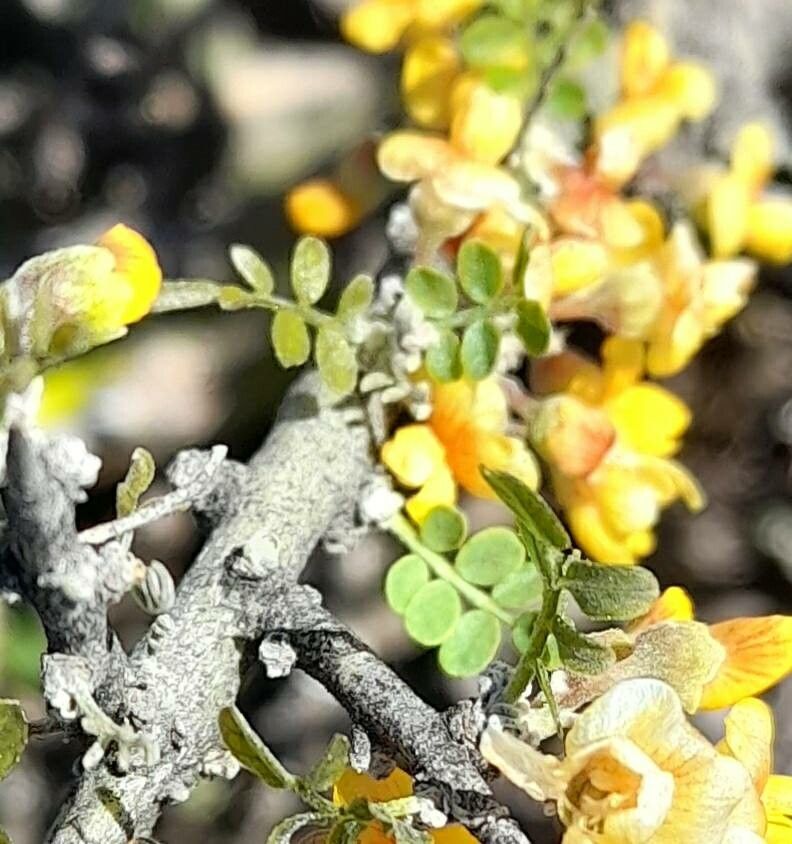
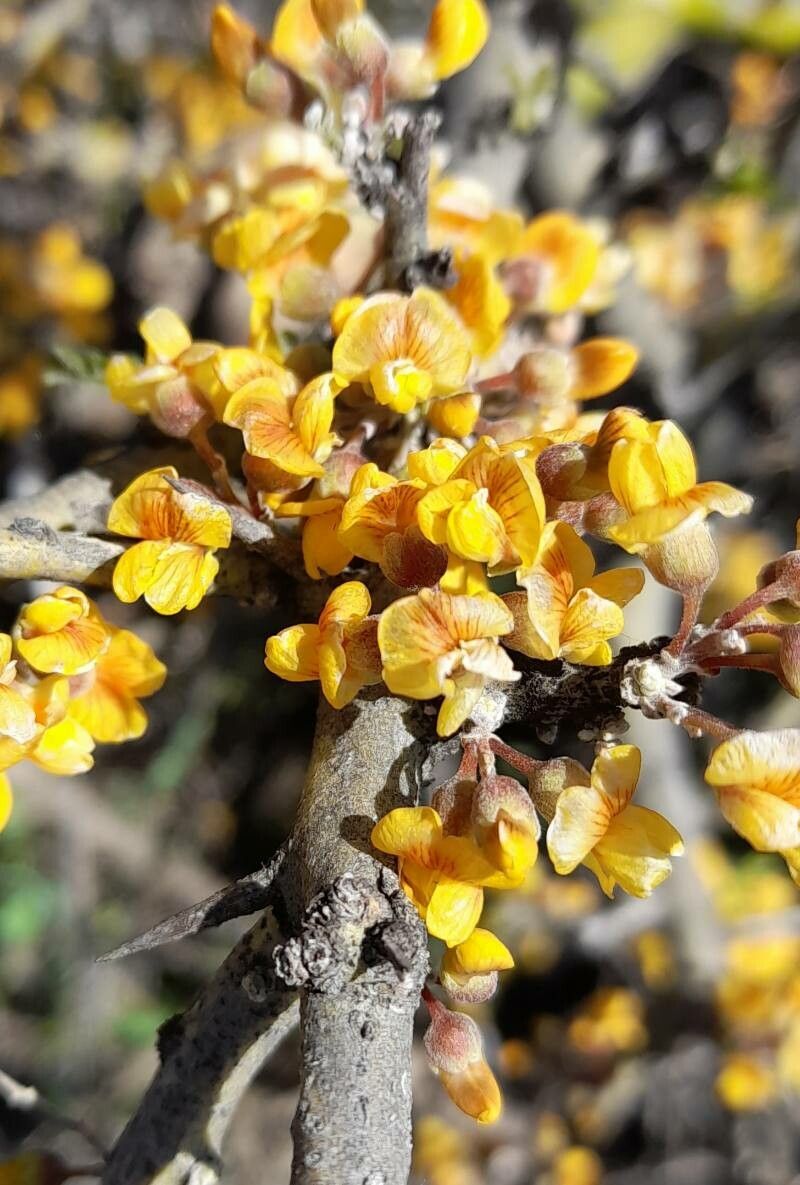
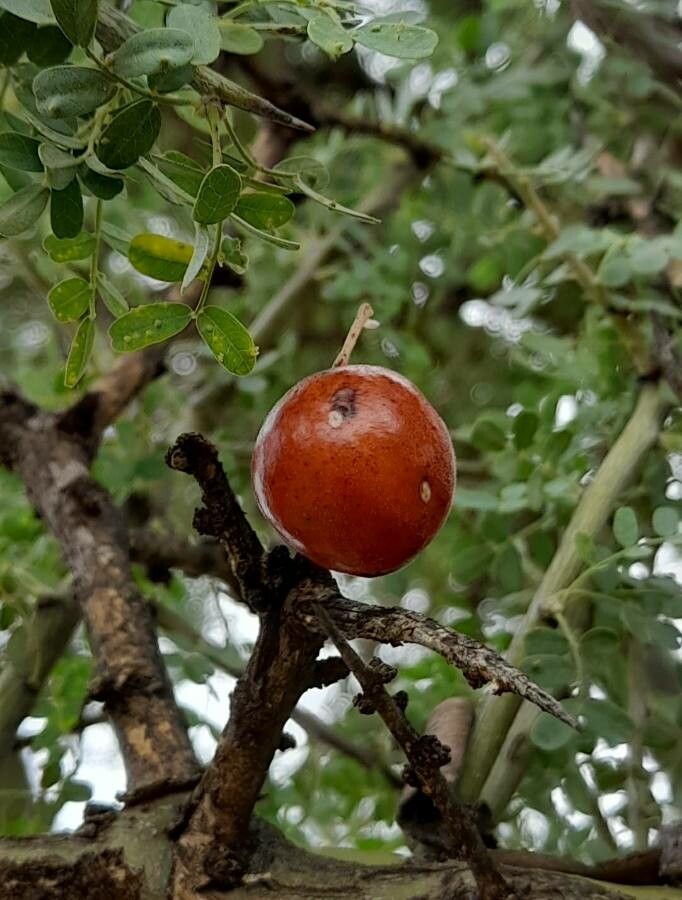
The tree produces small, yellowish-green flowers that bloom in spring, from September through November, depending on the location. The fruit is a pod-like structure containing seeds that can be used for food or oil extraction.
For centuries, indigenous peoples have used Geoffroea decorticans for its medicinal properties, particularly its anti-inflammatory effects, which are effective in relieving arthritis pain among other ailments.
Ecologically, Geoffroea decorticans plays a significant role by providing food sources for wildlife such as birds and insects. Additionally, its hard, decay-resistant wood makes it a valuable resource for timber production, ideal for construction uses like furniture or flooring materials.
Chañar is resistant to diseases and, in general, is not susceptible to them. Regarding care, this plant is fairly low-maintenance. When grown outdoors it needs little watering, and larger plants typically do not require pruning. Smaller plants, however, should be pruned after they have finished blooming. Chañart is appropriate for anyone with an outdoor area, like a garden or a deck, and does not demand extensive care experience.
How to keep Geoffroea Decorticans.
Light
Chañar comes from open habitats, such as sunny meadows and forest edges, which provide abundant light. It thrives in full sun but can also tolerate partial sun, adapting well to a range of light conditions.
Water
Chañar, a plant native to arid regions, shows exceptional drought tolerance. It generally requires moderate watering, approximately once a week. Commonly cultivated outdoors, it thrives on natural rainfall and stores water in its tissues, which helps it survive during periods of limited precipitation.
Temperature
Chañar shows good adaptability to temperature, tolerating higher heat and wide temperature swings. In hot weather, it is important to monitor watering and provide adequate shade to prevent sunburn. However, Chañar is relatively sensitive to low temperatures. While it can endure some cold, very cold conditions can cause frost damage.
Fertilizer
The Chañar plant needs adequate nutrients to achieve optimal fruit production. Fertilize in early spring to encourage new growth and bloom development. Regular fertilization helps the plant stay healthy, produce more flavorful fruit, and prevents nutrient-deficiency problems like yellowing leaves and poor fruit production.
Pruning
Chañar is a hardy plant that can withstand drought, known for its unique bark and edible fruits. To encourage growth, improve air circulation, and maintain the plant's shape, it's best to prune it in early spring. Be sure to use sanitized tools and avoid heavy pruning to reduce stress on the plant and boost fruit production.
Botanical profile.
- Plant Type
- Tree
- Life Cycle
- Perennial
- Genus
- Geoffroea
- Family
- Fabaceae
- Hardiness Zone
- 9-11
- Mature Height
- 4.88 m to 10.06 m
- Mature Spread
- 3.96 m to 6.1 m
- Leaf Color
- Green, Dark Green
- Leaf Type
- Deciduous
- Flower Color
- Yellow
- Flower Size
- 1.02 cm to 1.52 cm
- Bloom Time
- Mid spring, Late spring
- Planting Time
- Spring, Summer, Autumn
- Harvest Time
- Mid summer, Late summer, Early fall
- Native Area
- Colombia, Venezuela
Other names.