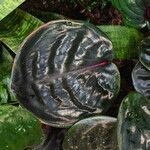
Geogenanthus ciliatus
Midnight silk · Geo Plant
Description
Source: leafsnapGeogenanthus ciliatus is a flowering plant species in the family Commelinaceae (the dayflower & spiderwort family). As currently circumscribed, the genus Geogenanthus includes two other species, G. poeppigii and G. rhizanthus.
Care Guide
💧 Water Every 3-7 days
The Geo plant flourishes in tropical rainforest conditions, thriving in high humidity. It should be watered every 1-2 weeks to meet its moisture needs, although it is not drought-tolerant. Being an evergreen, the Geo plant retains its foliage throughout the year, necessitating consistent watering in all seasons.
☀️ Light Partial sun
Geo plant is native to habitats like forest understories and rocky areas, where it grows in natural shade. It favors partial sun but can adapt to full sun or full shade, demonstrating its versatile and hardy nature.
How much sunlight does a Geo plant (Geogenanthus ciliatus) require?
The Geo plant, scientifically known as Geogenanthus ciliatus, has specific sunlight requirements to thrive. It requires partial sun, meaning it should receive about 3-6 hours of sunlight per day. For those wishing to provide it with full sun, it should receive above 6 hours of sunlight daily. It's important to observe the way sunlight moves through your garden to find the ideal spot for your Geo plant. This will ensure a happy environment for your plant by providing the perfect balance of light and shade.
🌡️ Temperature 20–37.8°C
The Geo plant originates from habitats where temperatures usually fall between 68 and 100°F (20 and 38°C). It prefers a warm, temperate climate. During colder seasons, steps should be taken to keep it within this preferred temperature range.
What is the native climate for the Geo plant?
The Geo plant, also known by its botanical name, Geogenanthus ciliatus, thrives in environments where the temperatures typically range from 68 to 100°F (20 to 38°C). It prefers a warm, temperate climate and requires adjustments during colder seasons to maintain conditions within its preferred temperature range.
💨 Humidity
🪴 Soil 6-7
🌱 Fertilizer
Proper fertilization is essential for the Geo plant's health and appearance. Fertilize the Geo plant in summer, repeating the treatment monthly throughout the season. Nutrients support growth and help maintain the plant's parts. Fertilization improves the Geo plant's flowering, ensuring the best blooms.
🪴 Pot & Repot 2-3 years
When repotting Geo plant, select a pot 1-2 inches (2.5–5.1 cm) larger with ample drainage. Use a well-draining potting mix. Repot in spring or fall, making sure the root ball is slightly lower than the rim of the flower pot. Water thoroughly after repotting and place in a warm spot with indirect sunlight.
✂️ Pruning
The Geo plant has broad, glossy leaves with striking purple undersides. For optimal care, pruning should be carried out from early to late spring. Focus on removing dead or yellowing leaves and thinning out dense areas to improve airflow. This practice not only enhances the plant's appearance but also encourages growth and increases disease resistance, contributing to its overall health.
🌿 Propagating
🐛 Diseases & pets
☠️ Toxicity
The Geo Plant is not thought to be toxic, however, it is best to keep this plant out of the reach of pets and small children.
Characteristics
- Plant Type
- Herb
- Life Cycle
- Perennial
- Genus
- Geogenanthus
- Family
- Commelinaceae
- Hardiness Zone
- 10-12
- Mature Height
- 0 cm to 6 cm
- Mature Spread
- 30 cm to 46 cm
- Leaf Color
- Green, Purple
- Leaf Type
- Evergreen
- Flower Color
- Blue, Purple
- Flower Size
- 1.02 cm to 2.03 cm
- Bloom Time
- Summer, Early fall, Mid fall
- Planting Time
- Spring, Summer, Autumn
- Harvest Time
- Late summer, Fall, Early winter
- Native Area
- Ecuador, Peru