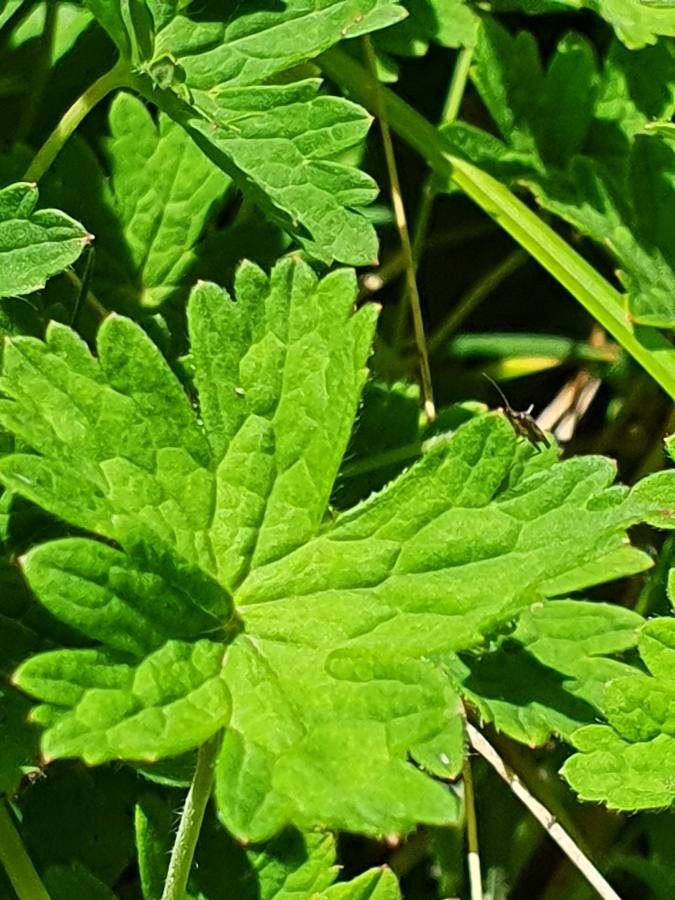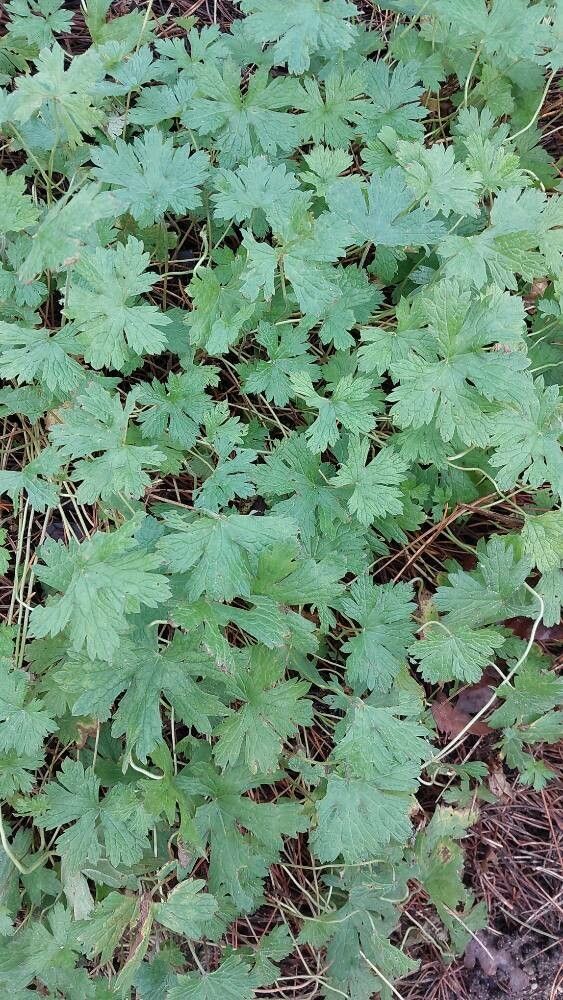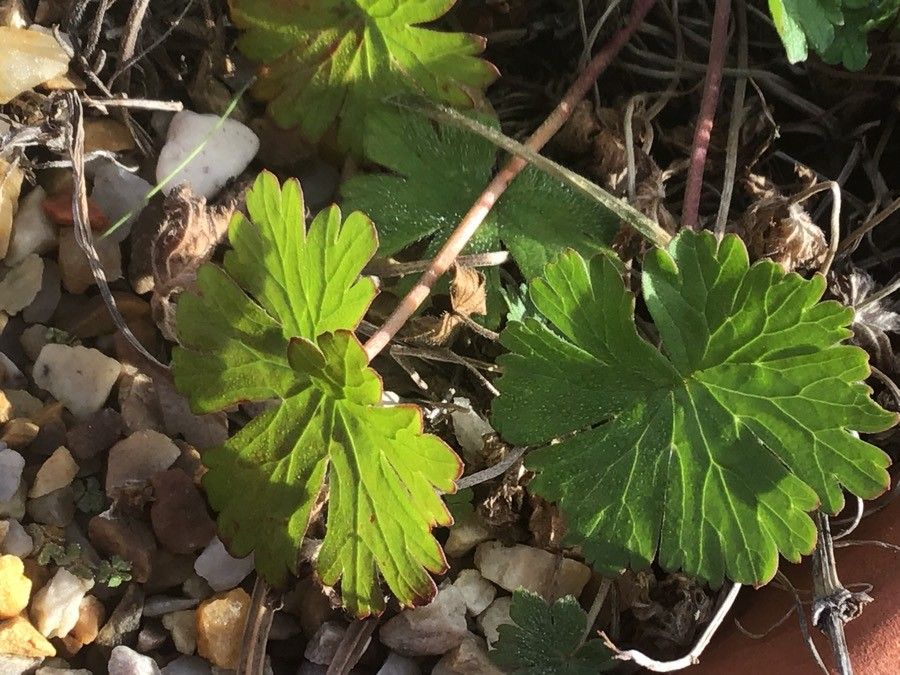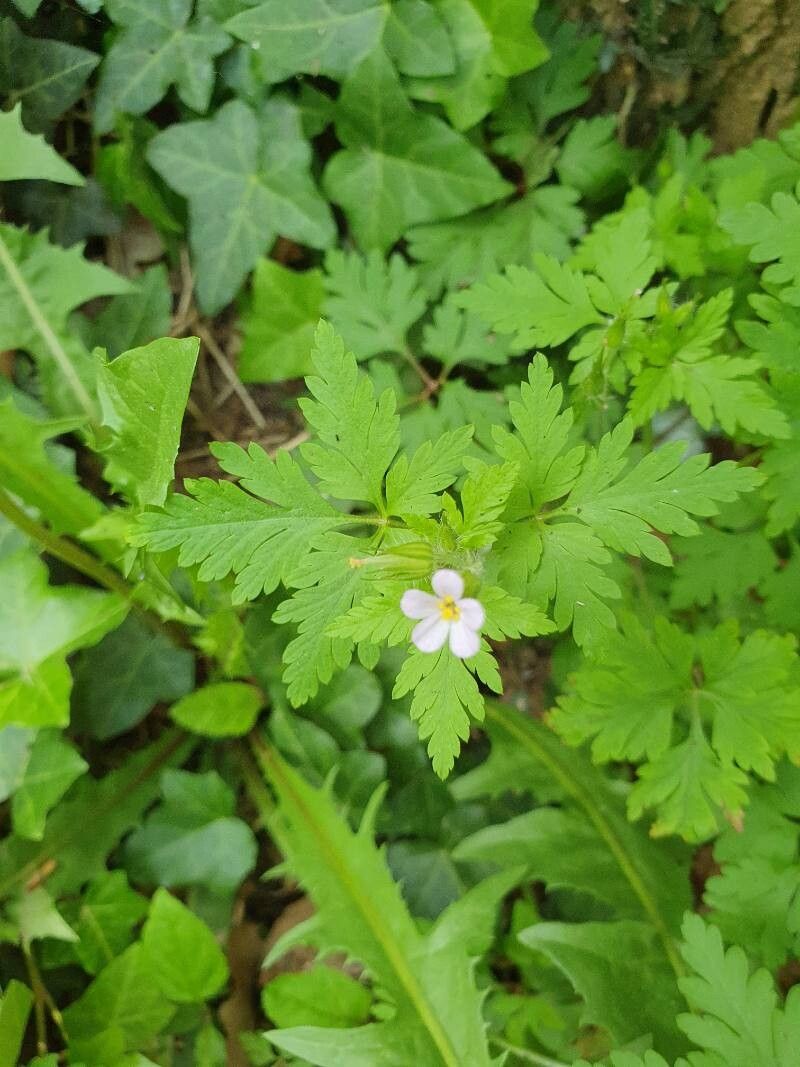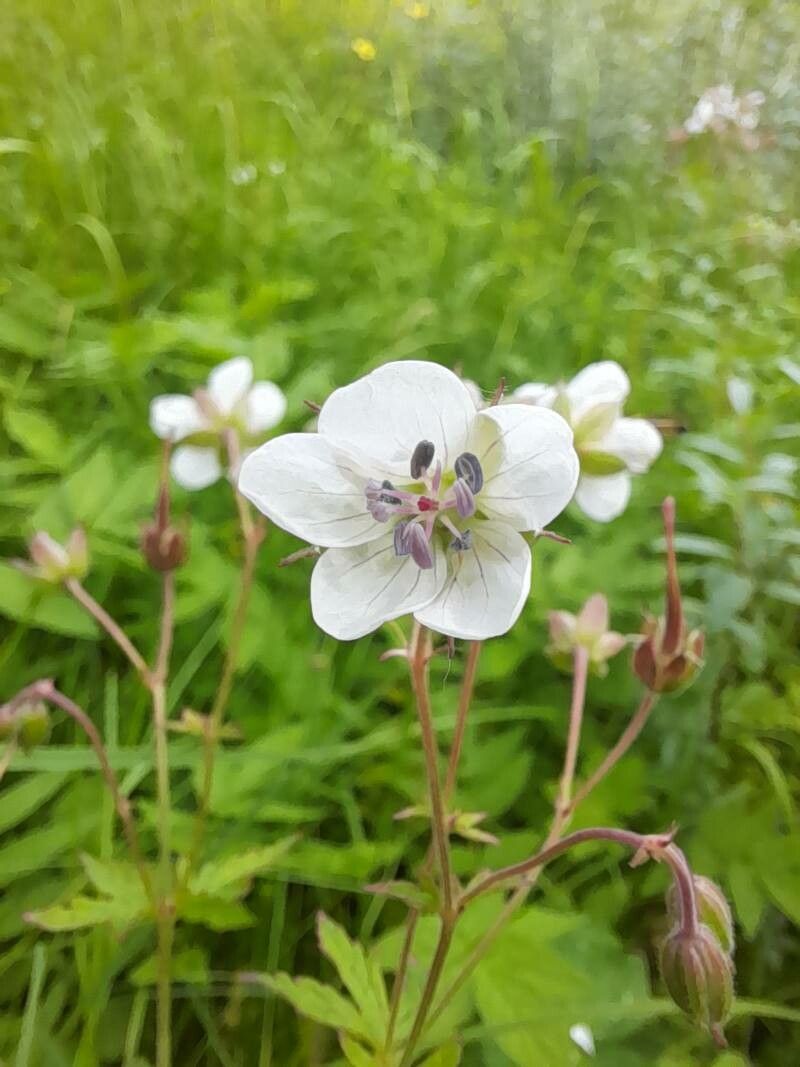
Richardson's Geranium has strong disease resistance and is usually not prone to illnesses. However, it can be affected by pests and diseases present in its environment. These issues are typically mild. As for care, the plant needs moderate maintenance. It requires regular pruning to keep a tidy appearance and encourage healthy growth. Fertilizing can also help stimulate flowering. Richardson's Geranium is suitable for anyone with outdoor space, such as a garden or patio, and does not demand extensive care experience. It may need more attention when grown indoors.
How to keep Geranium Albiflorum.
Light
Richardson's Geranium thrives in ample sunlight, so it's suited to places that experience significant daylight hours. It should be noted, however, that this plant can accommodate scenarios with partial sunlight. A significant shift in sunlight, whether it’s a reduction or an increase, could potentially affect its well-being, suggesting it has a limited tolerance for fluctuating light conditions.
Water
Geranium albiflorum flourishes in humid environments and needs regular watering during the summer to prevent overheating. However, in the winter, you should reduce watering to avoid root rot. Allow the soil to dry out for a few days to promote flowering, but don't let it remain dry for too long to prevent leaf loss. Ensure that there's good drainage during periods of rainfall.
Temperature
The Richardson's Geranium originates from regions where temperatures fluctuate between 32 and 90 °F (0 to 32 ℃), and it tends to favor the cooler end of this spectrum. It requires very few seasonal modifications due to its high resistance to frost.
Fertilizer
The optimal period to administer fertilizer to a Richardson's Geranium is in the early phase of spring, as it transitions from a dormant state to active growth. Nutrients supplied by fertilization are essential for its healthy development. While the Richardson's Geranium doesn't require large amounts of fertilizer, its survival and the quality and longevity of its flowers may be improved through yearly fertilization.
Pruning
Geranium albiflorum is known for its delicate white flowers and lush foliage. To encourage new growth, prune the plant in early spring by removing any dead stems. Be careful not to prune heavily during the active growth period, as this can cause stress to the plant. Use clean, sharp tools to make precise cuts, which will help improve air circulation and reduce the risk of disease, resulting in vibrant displays.
Botanical profile.
- Plant Type
- Herb
- Life Cycle
- Perennial
- Genus
- Geranium
- Family
- Geraniaceae
- Hardiness Zone
- 2-8
- Mature Height
- 20 cm to 76 cm
- Mature Spread
- 30 cm
- Leaf Color
- Green
- Leaf Type
- Deciduous
- Flower Color
- White
- Flower Size
- 2.03 cm to 3.05 cm
- Bloom Time
- Late spring, Early summer, Mid summer
- Planting Time
- Spring, Summer, Autumn
- Harvest Time
- Mid summer, Late summer, Early fall
- Native Area
- Mexico
Reader questions.
What are the sunlight requirements for Geranium albiflorum?
Geranium albiflorum, also known by its botanical name Geranium albiflorum, thrives best in areas that receive ample sunlight. For optimal growth, these plants require full sun, defined as more than 6 hours of sunlight per day. However, they can also grow in partial sun, which means they need about 3-6 hours of sunlight daily. It's important to observe how sunlight moves through your garden to pick spots that offer a perfect balance of light and shade, ensuring the plants remain happy and healthy.
What is Geranium albiflorum?
Geranium albiflorum is a species recognized by its botanical name 'Geranium albiflorum'. Unfortunately, there is no additional information provided about its essentials or symptoms associated with this species.