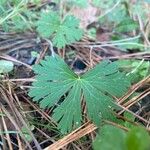
Geranium carolinianum
Carolina geranium · Carolina crane's-bill · Virginian Beeswallow
Description
Source: leafsnapGeranium carolinianum, commonly known as Carolina geranium or wild geranium, is a herbaceous perennial plant belonging to the Geraniaceae family. Native to North America, it thrives in various habitats such as meadows, fields, and roadsides. This plant reaches up to 60 cm in height and features deeply lobed, green leaves. Its flowers, which bloom from May to September, are pink or purple with five petals. The plant produces a capsule fruit containing small seeds. Historically, Native Americans have utilized Carolina geranium for medicinal purposes, treating ailments such as diarrhea, dysentery, wounds, and sore throats. Additionally, its leaves can be used as a culinary substitute for parsley. Carolina geranium is easy to grow from seeds or cuttings, requiring well-drained soil and full sun exposure or partial shade. It also attracts pollinators like bees and butterflies, making it an excellent addition to any garden. Overall, Geranium carolinianum is an attractive perennial herb with both aesthetic appeal and practical uses in traditional North American medicine.
💡 Scientific evidence suggests that Carolina geranium might be effective in treating the Hepatitis B virus. Historically, this plant has been used in folk medicine for this purpose. Recent studies indicate that Carolina geranium contains several antiviral compounds, including geraniin, ellagic acid, and hyperin, which could contribute to its potential benefits. However, further research is necessary to determine whether it is an effective treatment for Hepatitis B.
🌳 The Carolina geranium is a shrubby wildflower that is a popular choice for cottage and woodland gardens. It also fits well in naturalized areas such as meadows and prairies, where it is best used as ground cover. Its bird head-like seeds attract various birds, making the Carolina geranium an excellent addition to native wildlife gardens.
🎭 Friendship, happiness and positive emotions
Care Guide
💧 Water
☀️ Light Partial sun
🌡️ Temperature 0–35°C
💨 Humidity
🪴 Soil 6-7
🌱 Fertilizer
🪴 Pot & Repot
✂️ Pruning
🌿 Propagating
🐛 Diseases & pets
☠️ Toxicity
Characteristics
- Plant Type
- Herb
- Life Cycle
- Annual, Biennial
- Genus
- Geranium
- Family
- Geraniaceae
- Hardiness Zone
- 3-10
- Mature Height
- 20 cm to 61 cm
- Mature Spread
- 20 cm
- Leaf Color
- Green
- Leaf Type
- Deciduous
- Flower Color
- Lavender
- Flower Size
- 2.54 cm
- Bloom Time
- Mid spring, Late spring, Early summer
- Planting Time
- Autumn, Winter
- Harvest Time
- Early summer, Mid summer
- Native Area
- Bahamas, Mexico