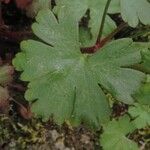
Geranium lucidum
شمعدانی براق · Γεράνι το φωτεινό (GR) (EL) · Shining geranium · Shining Crane's-bill · Shining cranesbill
Description
Source: leafsnapGeranium lucidum, commonly known as Shining Cranesbill, is a perennial herbaceous plant from the Geraniaceae family. Native to Europe and Asia, it thrives in meadows, woodlands, and rocky areas. This plant can grow up to 60 cm in height and spread up to 30 cm. The leaves of Geranium lucidum are deeply lobed with toothed edges and boast a glossy appearance. The flowers, which are pink or purple and have five petals, bloom from May to August. The plant also produces small fruits that resemble beaks or cranesbills. Geranium lucidum has been used medicinally for centuries because of its anti-inflammatory properties. It has served as an herbal remedy for conditions such as diarrhea, dysentery, hemorrhoids, menstrual cramps, and other ailments. Besides its medicinal uses, Geranium lucidum is also cultivated as an ornamental plant due to its attractive foliage and flowers. It is easy to grow in well-drained soil and flourishes under full sun or partial shade. Overall, Geranium lucidum is an appealing herbaceous perennial that offers both ornamental value and medicinal benefits, making it a popular choice among gardeners worldwide!
🌳 The early-blooming shining cranesbill is a prized ornamental plant known for its vibrant foliage and flowers. It is especially well-suited for wildflower and informal gardens, where it can adorn walls or enhance garden borders. This plant tends to form clumps and mats that cover the ground throughout most of the year, making it an excellent choice as a ground cover.
🎭 Companionship, joy and positive feelings
Care Guide
💧 Water Every 7 days
Shining cranesbill thrives in moderate moisture with consistent soil hydration, so it's important to water it weekly. When grown indoors, regular misting helps maintain the necessary humidity. As an evergreen plant, its water requirements remain stable year-round, without significant changes between seasons.
How should I water my Shining cranesbill plant?
To water Shining cranesbill, you have several options: a garden hose with a spray nozzle, a watering can, or any usual watering tool. Shining cranesbill is not too fussy about how it is watered - it can survive on rainwater, tap water, or filtered water. However, it's best to avoid watering this plant from above as it can harm the leaves and flowers and potentially cause disease. Instead, a drip irrigation system is recommended for watering Shining cranesbill as it provides even and direct watering to the soil. If you have a container-grown Shining cranesbill, you can use a cup, watering can, or tap water to apply water directly to the soil in a similar way.
What should I do if I give too much or too little water to my Shining cranesbill plant?
If you notice that your Shining cranesbill lacks moisture, water it more regularly. Overwatering can be a bigger problem, as it can cause diseases that lead to the plant's decline and death. To prevent this, choose a growing location with plenty of sunlight and good drainage. If your potted Shining cranesbill is overwatered, consider changing it to a new pot with proper drainage. When repotting, use loose soil and a pot that drains efficiently.
How often do I need to water my Shining cranesbill plant?
To care for your Shining cranesbill, it will need regular watering during the growing season. In the spring, water it about once per week. As the weather gets warmer, increase watering to two to three times per week. However, be careful not to overwater, as this can harm the plant. Keep the soil moist but not wet. When watering a Shining cranesbill in a pot, you may need to water it more frequently because pot soil can dry out faster. Typically, water a potted Shining cranesbill a few times per week compared to once per week for a plant in the ground.
How much water does my Shining cranesbill plant need?
To determine how much water your Shining cranesbill needs, there are a few methods you can use. One way is to feel the soil to gauge its moisture level. If the top six inches of soil feel dry, you should water until it becomes moist. Another approach is to use a specific measurement. Generally, giving your Shining cranesbill about two gallons of water per week is suitable, considering factors like heat and soil dryness. However, be cautious about following strict guidelines, as your plant may require less water. When growing in a container, a different method is necessary. Ensure that all layers of dry soil are moistened by sticking your finger in the soil or observing excess water coming out of the drainage holes.
How can I know if I'm giving enough water to my Shining cranesbill plant?
Taking care of your Shining cranesbill can be challenging when it comes to watering. These plants have deep roots that need to be watered weekly. However, be cautious as Shining cranesbill are highly prone to root rot and browning if overwatered. Conversely, underwatering is less of a concern since these plants can survive without additional water for some time. But if you neglect watering for too long, the plant will start to wilt and leaves may become dry.
☀️ Light Full sun
Shining cranesbill performs best in bright light and can persist under moderate lighting. Native to habitats with abundant sunbeams, its vitality increases with adequate light, taking in melanin to carry out photosynthesis. However, too much or too little exposure to rays can adversely affect its growth, causing either wilting or stunted growth.
What are the sunlight requirements for Shining Cranesbill?
Shining Cranesbill requires full sun, which is above 6 hours of sunlight daily, to thrive. It can also grow in partial sun, meaning about 3-6 hours of sunlight each day. To ensure the plant's happiness and optimal growth, it's essential to observe how sunlight moves through your garden and place your Shining Cranesbill in a spot that offers a perfect balance of light and shade.
How does Shining Cranesbill respond to light?
Shining Cranesbill thrives in ample sunlight and can sustain itself under moderate light conditions, thanks to its origin in habitats with abundant sunlight. Sufficient light is crucial for its vitality as it aids in photosynthesis, allowing the plant to take in melanin. However, both excessive and insufficient light can be detrimental, leading to wilting or stunted growth, respectively.
Can Shining Cranesbill grow with artificial lighting?
Yes, Shining Cranesbill can grow with artificial lighting, especially when natural sunlight is insufficient. Artificial lights, such as LED lights, can be customized to provide specific wavelengths needed for the plant's growth. For optimal growth, full sun plants require 30-50W/sq ft, partial sun plants need 20-30W/sq ft, and full-shade plants require 10-20W/sq ft of artificial light. The light source should be placed 12-36 inches above the plant to mimic natural sunlight, and most plants need 8-12 hours of artificial light per day.
What are the symptoms of light deficiency in Shining Cranesbill?
Symptoms of light deficiency in Shining Cranesbill include small leaves, leggy or sparse growth, faster leaf drop, slower or no new growth, and lighter-colored new leaves. These symptoms indicate the plant may be struggling with insufficient light, leading to a lack of chlorophyll and essential nutrients. Additionally, excess sunlight can cause chlorosis, sunscald, leaf curling, wilting, and leaf scorching, highlighting the importance of balanced light exposure.
What are the solutions for ensuring optimal light conditions for indoor and outdoor Shining Cranesbill plants?
To ensure optimal light conditions for Shining Cranesbill, gradually adjust the plant's exposure to sunlight. For indoor plants, move them to a sunnier location weekly, aiming for at least 6 hours of direct sunlight daily. Utilize a south-facing window and consider artificial lighting, such as a desk lamp or professional grow lights, for added light. For outdoor plants, similarly, move them gradually to brighter spots to avoid sunburn. Reducing obstructions like pruning trees to allow more sunlight and transplanting smaller plants during their dormant period to a location with better sunlight and drainage can significantly improve growth. Note that parts of the plant affected by insufficient light might not recover, but new growth will be healthy with improved light exposure.
🌡️ Temperature 0–35°C
Shining cranesbill is native to habitats where temperatures generally range from 68 to 95 °F (20 to 35 ℃). It prefers moderate temperatures, so avoid exposing it to extreme heat or cold conditions. Measures such as shading or mulching can be helpful during seasonal extremes.
What is the ideal temperature range for Shining Cranesbill?
Shining cranesbill thrives in environments with temperatures ranging between 68 to 95 °F (20 to 35 °C). It prefers moderate temperatures and can struggle with extreme heat or cold. Although it has strong cold resistance and doesn't usually require special frost protection, measures should be taken if temperatures are expected to drop below -35°C. Seasonal adjustments such as shading during hot periods or mulching to protect against cold can be beneficial.
What should I do for my Shining Cranesbill in winter?
During winter, Shining cranesbill typically doesn't require special frost protection due to its strong cold resistance. However, if temperatures are forecasted to fall below -35°C, it's important to protect the plant. This can be done by covering it with soil or straw. To help prevent drought and water scarcity during the colder months and into early spring, water the plant abundantly before the first freeze, ensuring the soil is moist as it freezes.
How does low temperature affect Shining Cranesbill, and what are the solutions?
Shining cranesbill is cold-tolerant and performs best when temperatures stay above 20°C. During winter, the plant should be kept above 0°C to avoid damage. If temperatures drop below -35°C, the plant may not show immediate distress, but you might notice a decrease in sprouting or no sprouting at all come spring. In such cases, you should remove any parts of the plant that have failed to sprout.
What happens if Shining Cranesbill is exposed to high temperatures, and how can I mitigate this?
When exposed to high temperatures, especially above 35°C, Shining cranesbill may show signs of stress such as lighter-colored leaves, curling, sunburn, and in severe cases, wilting and drying out completely. To mitigate these effects, trim away sunburned and dry parts of the plant. Move the plant to a shadier location or use a shade cloth to protect it from the midday and afternoon sun. Ensure the plant is watered in the morning and evening to keep the soil moist and help it recover.
💨 Humidity
🪴 Soil 6-7
🌱 Fertilizer
Shining cranesbill benefits from regular, light applications of fertilizer to encourage healthy leaf growth. You should fertilize Shining cranesbill about once a month during the summer months. Nitrogen is essential for foliage, and adding nitrogen-rich sources helps Shining cranesbill thrive.
Why should I put fertilizer on my Shining cranesbill plant?
Some plants need extra nutrients to grow, but there are certain types that can get what they need without any extra help. Shining cranesbill is one of those plants. Just like other plants, it uses nutrients to grow and carry out internal processes. The main nutrients that plants need are nitrogen, phosphorus, and potassium, and each of these nutrients supports different essential functions in a plant. When it comes to foliage, nitrogen is the most important nutrient. However, Shining cranesbill often struggles to get enough nitrogen from the soil, which is why many gardeners choose to give it a nitrogen supplement.
When should I fertilize my Shining cranesbill plant?
Shining cranesbill generally grows well, but to give it a boost during active growth, you can apply fertilizer about once a month. It is recommended to fertilize Shining cranesbill once a month during spring and summer, but not during fall and winter when it is less active. Signs of new growth are an indication that you should start fertilizing. Whether the plant is grown outside or indoors in a container, the fertilization schedule remains the same. However, if your Shining cranesbill is in a container, you may not need to fertilize for the first one to two months. Container plants typically have enough nutrients in the potting soil, so it is best to start fertilizing after the plant has been in the same soil for some time.
When is the best time to not use fertilizer on my Shining cranesbill plant?
To ensure the health of your Shining cranesbill, avoid fertilizing it if it's unhealthy, such as having a disease or insect pests. Additionally, refrain from fertilizing a dehydrated plant, as this can exacerbate the issue. Only apply fertilizer to thriving plants. When watering, be cautious not to splash fertilizer onto the leaves or stem, as this can cause burnt spots. Unless you are using a designated foliage fertilizer, make sure the fertilizer doesn't directly touch the plant.
What kind of plant food does my Shining cranesbill need?
Fertilizers are essential for promoting growth in Shining cranesbill. They contain important nutrients like nitrogen, potassium, phosphorus, iron, manganese, and zinc. To achieve balanced growth, a fertilizer with a 10-10-10 NPK number, or an all-purpose fertilizer, is recommended. Additionally, natural options like blood meal or worm castings can be used. If you want to focus on leaf development, choosing a fertilizer higher in nitrogen, like fish fertilizer, is a good option. However, if your goal is not flower or seed production, it is unnecessary to provide excessive supplements in these areas.
How can I help my Shining cranesbill grow better?
To properly fertilize your Shining cranesbill, follow the instructions provided on the specific fertilizer you purchased. Starting with half-strength fertilizer is a good precautionary measure to prevent over-fertilization, which is common for this plant. It is important to remember that it is easier to add more fertilizer later than to save an over-fertilized plant. Before applying fertilizer, ensure that the soil is not completely dry but somewhat moist. This will facilitate better absorption of the fertilizer and prevent fertilizer burn. After applying dry fertilizers to the soil, remember to water them. There are different methods of applying fertilizers - some are mixed into the soil during planting, while others are applied to the top of the soil and then watered in. For most Shining cranesbill types, using a water-soluble fertilizer is simple and effective. Just mix the fertilizer solution into your watering can according to the recommended dosage and water the plant as usual. If you prefer not to remember monthly fertilization, slow-release granules or fertilizer spikes are also suitable options.
🪴 Pot & Repot Every 12 months
✂️ Pruning
Prune shining cranesbill from early to late spring. Start by removing any damaged stems and thinning out overgrown areas to improve shape and encourage bushiness. Regular pruning boosts the plant’s vigor and helps prevent disease. Use clean, sharp tools to maintain the plant's health, but avoid pruning too much to ensure proper flowering. This routine keeps your shining cranesbill lush and attractive.
🌿 Propagating
🐛 Diseases & pets
☠️ Toxicity
Characteristics
- Plant Type
- Herb
- Life Cycle
- Annual, Biennial
- Genus
- Geranium
- Family
- Geraniaceae
- Hardiness Zone
- 3-9
- Mature Height
- 49 cm
- Mature Spread
- 49 cm
- Leaf Color
- Green, Red
- Leaf Type
- Deciduous
- Flower Color
- Pink
- Flower Size
- 0.76 cm to 1.27 cm
- Bloom Time
- Mid spring, Late spring, Early summer
- Planting Time
- Autumn, Winter
- Harvest Time
- Early summer, Mid summer
- Native Area
- Libya, Turkey, Sweden, India, Austria, Slovakia, Montenegro, Pakistan, Slovenia, Morocco, Croatia, Russia, Iraq, Germany, Estonia, Romania, Latvia, Belgium, Portugal, Nepal, France, Tunisia, Czech Republic, Cyprus, Bulgaria, Armenia, Greece, Serbia, Lebanon, Lithuania, Norway, Syria, Italy, Spain, Switzerland, Denmark, Finland, Iran, Albania, Ireland, United Kingdom, Hungary, Algeria, Turkmenistan