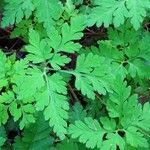
Geranium robertianum
Herb-Robert · Robert geranium · Mountain geranium · Robert's Geranium · Herb Robin
Description
Source: leafsnapGeranium robertianum, commonly known as herb-Robert, or (in North America) Roberts geranium, is a common species of cranesbill native to Europe and parts of Asia, and North Africa. The plant has many vernacular names, including red robin, death come quickly, fox geranium, stinking Bob, squinter-pip (Shropshire) and crow's foot.
🌳 One notable trait of herb robert is its role as a bioindicator, revealing the presence of heavy metals like cadmium and lead in the soil. Its occurrence in particular locations can indicate environmental contamination, and consequently it plays an important role in ecological assessments and in monitoring pollutant levels in ecosystems.
🎭 Companionship, joy and positive feelings
Care Guide
💧 Water
Herb Robert, originally from damp woodlands, flourishes in moist environments and prefers consistent humidity. While it can withstand moderate drought, it still needs to be watered twice a week. Usually grown outdoors, Herb Robert benefits from rainwater, which provides both hydration and essential nutrients.
How frequently should I water my Herb robert?
Herb robert requires regular watering throughout the growing season. In spring, watering once per week is sufficient. However, as the season progresses and temperatures rise, you may need to increase watering to two or three times per week. It's important not to exceed this rate as it can harm the plant. Additionally, ensure that the soil remains moist but not overly wet regardless of the watering frequency. When it comes to Herb robert in pots, watering needs are slightly different. Potted plants tend to dry out faster, so watering should be done a few times per week compared to once per week for plants in the ground.
How do I water my Herb Robert at different stages of growth?
Throughout the year, Herb Robert goes through various growth stages, each with different water requirements. When starting Herb Robert from a seed, it is important to provide ample water during germination. Watering should be done frequently to maintain consistent moisture in the soil. As the seedling grows above the soil, it will need slightly less water. Once the plant is mature, a regular watering schedule of about once per week can be followed. During the flower development stage, it may be necessary to increase water slightly.
How should I water my Herb robert plant?
You have a few options when it comes to watering Herb robert. You can use a garden hose with a spray nozzle, a watering can, or any other common watering tool. The good news is, Herb robert is not very particular about the type of water it receives - rainwater, tap water, or filtered water are all fine. However, it's generally best to avoid watering this plant from above, as it can harm the leaves and flowers and potentially introduce diseases. Instead, a drip irrigation system is often the most effective way to water Herb robert. These systems evenly and directly apply water to the soil. If you have a container-grown Herb robert, the watering approach is similar, but you'll need to change the tools. Simply use a cup, watering can, or tap to water the plant directly into the soil.
What should I do if I give my Herb Robert plant too much or too little water?
To remedy underwatering Herb robert, simply water it more regularly when you notice it lacks moisture. On the other hand, overwatering can be a serious issue, as it can lead to diseases and the eventual decline and death of the plant. To prevent this, choose a suitable growing location with plenty of sunlight and good drainage to avoid waterlogged soils. If you have overwatered Herb robert in a pot, consider transferring it to a new pot with better drainage. Use loose soil and a pot that drains efficiently during repotting.
How much water does my Herb robert plant need?
There are multiple ways to determine the proper amount of water to give to your Herb robert plant. Some gardeners rely on the method of feeling the soil for moisture. This suggests that you should water until the top six inches of soil feels moist. Another approach is to use a specific measurement, such as around two gallons of water per week, taking into account temperature and soil dryness. However, strictly following these guidelines could lead to overwatering if your plant requires less water. When growing Herb robert in a container, you will need a different method. It is advisable to water until all layers of soil feel moistened or when you notice a slight trickle of excess water draining from the pot.
☀️ Light Partial sun
Herb robert grows well across a range of sun intensities, from partly shaded spots to areas fully exposed to sunlight. Coming from habitats with varying amounts of light, it sustains healthy growth even when light levels change. However, too much or too little exposure can negatively affect its development.
What type of sunlight does Herb robert require?
Herb robert, or Geranium robertianum, thrives in various sun intensities, from partial sun, defined as about 3-6 hours of sunlight per day, to full sun, which means receiving more than 6 hours of sunlight. Originating from habitats with different sunlight levels, it ensures healthy growth under fluctuating light conditions. However, both too much and too little exposure can negatively affect its development. It's important to watch how sunlight moves through your garden to find spots offering the right balance of light and shade, optimizing plant happiness.
How can indoor plants be supported with artificial lighting?
Indoor plants, including Herb robert, may require artificial lighting for optimal growth, especially in conditions where natural sunlight is insufficient. LED lights are beneficial as they can be customized to provide specific wavelengths of light needed by the plants. For full sun plants, 30-50W per square foot is recommended, partial sun plants need 20-30W per square foot, and full shade plants require 10-20W per square foot. The light should be placed 12-36 inches above the plant to mimic natural sunlight, and it's usually best to mimic natural daylight hours, with most plants needing 8-12 hours of light per day.
What are the symptoms of inadequate light in Herb robert?
Herb robert displays several symptoms when subjected to inadequate light, especially indoors. These symptoms include small leaves, leggy or sparse growth, faster leaf drop, slower or no new growth, lighter-colored new leaves, chlorosis, sunscald, leaf curling, wilting, and leaf scorching. These indicate various levels of stress due to insufficient or excessive sunlight exposure, affecting the plant's health and ability to photosynthesize effectively.
What are the solutions for Herb robert struggling with light conditions?
To support Herb robert in adjusting to light conditions, follow these solutions: For indoor plants, gradually shift them to sunnier spots each week until they receive 3-6 hours of direct sunlight daily or use artificial lights to provide additional light. Keep lights on for at least 8 hours daily. Outdoors, gradually move your plants to sunnier locations to prevent sunburn. If sunlight is obstructed, consider pruning trees or transplanting smaller plants to areas with better sunlight and drainage. Note that while parts of the plant that suffered might not recover, new growth should be healthier following these adjustments.
🌡️ Temperature 10–35°C
Herb robert is native to regions with moderate temperatures and prefers 68 to 95°F (20 to 35℃). Change temperatures with the seasons to replicate its natural habitat and maintain healthy growth.
What temperature does Herb robert grow best at?
The ideal temperature for Herb robert depends on the time of year. There are two main seasons to consider: the growing season and the dormancy season. During the growing season, which is when Herb robert starts to sprout, the recommended temperature range is 65-80℉ (18-27℃). If it gets colder than 15℉ (-10℃), the plant may suffer and its leaves could brown and wilt. However, with some assistance, Herb robert may still survive during a short cold snap. In the warmer parts of the year, it is important to protect Herb robert from excessively high temperatures. The upper limit for this plant is 95-105℉ (35-40℃). Anything above that can harm the foliage and blooms of Herb robert, causing wilting, drooping, and even sunburn on the leaves. Recovery from this damage can be challenging for Herb robert. Fortunately, there are several quick and easy ways to address this issue.
What temperatures do Herb Robert need in their first year or when they are seedlings?
If your Herb robert is a new plant and it's its first year outside, it may require extra care during the coldest months. Frost can cause significant damage and prevent healthy growth in the spring. To avoid this, the temperature must be kept above 40℉(5℃). This can be achieved by either bringing the plant indoors for a month or two or by using mulch or fabric barriers to protect from frost. During the first year or two, it's recommended to plant Herb robert in a shadier location. Smaller and weaker plants have a harder time regulating their temperature in the heat. So, it's best to limit direct sunlight to no more than five hours per day, especially when the temperature exceeds 80℉(27℃). To combat summer heat, use shadecloth and ensure frequent watering or misting.
How can I keep Herb robert safe from really hot or really cold temperatures?
To protect Herb robert from cold temperatures below 15℉ (-10℃) during the growing season, there are a couple of options. If you're growing it in a container, simply bring the container inside with indirect light until the temperatures rise above the lower threshold. For ground-planted Herb robert, you can use mulch or horticultural fabric to create a barrier around the plant to protect it from frost and cold wind. On the other hand, if temperatures exceed 80℉ (27℃) in the shade during the day, it's important to limit Herb robert's exposure to sunlight to six hours or less per day, preferably in the morning. Putting up shade cloth or a fine plastic mesh can help reduce direct sunlight during the hottest parts of the day. Additionally, installing a misting system to release cooling mist around the base of the plant can help lower the ground temperatures.
Winter temperature guidelines for Herb robert during its dormant season.
Herb robert goes dormant during the cold winter months and needs a certain amount of cold to remain dormant until it's time to sprout. Sprouting too early, before the last frost has passed, can be fatal to Herb robert, especially if it has already started growing when the frost hits. For Herb robert to thrive, winter temperatures should ideally be below 32℉(0℃), but temperatures up to 40℉(5℃) are generally okay. Sometimes, in more temperate climates like woodland rainforests, there may be unexpected warm spells during the cold months that can cause Herb robert to sprout prematurely. In such cases, if there's still a risk of frost, you can protect the new sprout by covering it with clear plastic on stakes. Once the danger of frost has passed, you can remove this setup. Although Herb robert can sometimes sprout at the right time without assistance, using this method increases the chances of a successful second sprouting.
💨 Humidity
🪴 Soil 6-7
🌱 Fertilizer Every 30 days
Herb robert benefits from regular, light applications of fertilizer to encourage healthy leaf growth. You should fertilize Herb robert about once a month throughout the summer. Nitrogen is essential for foliage, so providing nitrogen-rich sources helps Herb robert thrive.
🪴 Pot & Repot
When repotting Herb robert, choose a pot that is 1–2 inches (2.5–5.1 cm) larger in diameter and that has good drainage. Use a well-draining potting mix, and consider adding perlite for extra drainage. Repot in spring or early summer, water thoroughly afterward, and place in a shady location at first.
✂️ Pruning
The herb robert grows slowly and requires only minimal trimming. Extensive pruning can harm its growth and may even cause it to die.
🌿 Propagating
🐛 Diseases & pets
☠️ Toxicity
Characteristics
- Plant Type
- Herb
- Life Cycle
- Annual, Biennial, Perennial
- Genus
- Geranium
- Family
- Geraniaceae
- Hardiness Zone
- 6-9
- Mature Height
- 10 cm to 49 cm
- Mature Spread
- 40 cm
- Leaf Color
- Green
- Leaf Type
- Evergreen, Deciduous
- Flower Color
- Pink, Purple
- Flower Size
- 0.76 cm to 1.52 cm
- Bloom Time
- Mid spring, Late spring, Early summer
- Planting Time
- Spring, Autumn
- Harvest Time
- Early summer, Mid summer
- Native Area
- Europe, North America