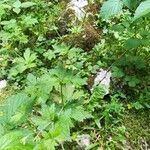
Geranium sylvaticum
Wood Cranesbill · Wood crane's-bill · Woodland geranium · Woodland crane's-bill · Forest Cranesbill
Description
Source: leafsnapGeranium sylvaticum, commonly known as wood cranesbill or woodland geranium, is a perennial flowering plant in the Geraniaceae family. Native to Europe and Asia, it thrives in woodlands, meadows, and along riverbanks. This plant typically reaches a height of up to 60 cm with a spread of about 30 cm. Its deeply lobed leaves are green with a slightly hairy texture. The flowers, which usually bloom from May to July, are blue or purple and feature five petals. Geranium sylvaticum is valued for its medicinal properties, as it contains tannins known for their anti-inflammatory effects, which can help alleviate pain from arthritis or other inflammatory conditions. Additionally, the plant is prized for its ornamental value, thanks to its attractive flowers that make it a popular choice for borders or rock gardens. Overall, Geranium sylvaticum is an appealing perennial that offers both medicinal benefits and ornamental beauty, making it a worthy addition to any garden setting.
🌳 Although not widely known, wood crane's-bill can be used to produce natural dyes. Its flowers and leaves contain pigment compounds that have been explored in small-scale dyeing, yielding colors that range from pale to vibrant blue. These natural dyes are of interest in sustainable textile manufacturing and align with modern eco-friendly initiatives.
Care Guide
💧 Water Every 7 days
Wood crane's-bill, native to temperate regions, thrives in moist environments but can also tolerate periods of drought and infrequent watering. For optimal growth, it's best to water it weekly and ensure the soil drains well to prevent root rot. This plant benefits from natural rainfall, especially when it is grown outdoors.
How should I water my Wood crane's-bill plant?
To properly water the Wood crane's-bill, use filtered water at room temperature. Tap water may contain harmful particles, so it's better to stick with filtered water. The plant prefers warm temperatures, so avoid using cold water as it can shock the plant. For watering, refrain from overhead watering to prevent issues with the foliage. Instead, apply filtered room temperature water directly to the soil until it is completely soaked. This helps the roots stay hydrated and continue spreading through the soil to gather necessary nutrients.
What should I do if I give too much water or too little water to my Wood crane's-bill plant?
Taking care of your Wood crane's-bill requires careful attention to watering. Both overwatering and underwatering can harm your plant, but overwatering is more common and problematic. Overwatering leads to wilting, yellowing, and potential diseases like root rot, mold, and mildew. Underwatering is less likely but can still happen, resulting in brittle, brown leaves. It is important to detect signs of overwatering early because some diseases cannot be corrected if left too long. Reduce watering immediately at the first signs of overwatering and check the soil's drainage. Replace poorly draining soil with a loose, well-draining potting mix. If you notice signs of underwatering, simply increase your watering schedule until the signs go away.
How often do I need to water my Wood crane's-bill plant?
If your Wood crane's-bill plant is in a pot, you can check if it needs watering by sticking your finger into the soil. When the first two to three inches of soil are dry, it's time to water it. For Wood crane's-bill plants grown outdoors in the ground, you can use the same method. Again, water when the first few inches of soil have dried out. In spring and early fall, you'll typically need to water this plant once a week. However, during extremely hot weather, you may need to water it twice or more per week. It's worth noting that mature, well-established Wood crane's-bill plants have a great ability to tolerate drought.
How much water does my Wood crane's-bill need? --> How often should I water my Wood crane's-bill plant?
When watering your Wood crane's-bill, don't hold back on the amount of water you give. Wait until the top few inches of soil are dry, then give the plant a good, thorough watering. Make sure to water enough to saturate the soil completely, causing excess water to drain out of the pot's drainage holes. If you don't see excess water draining, you may not have watered enough. However, be careful not to let water accumulate inside the soil, as this can harm the plant. On the other hand, if water doesn't drain properly, it could be due to poorly draining soil, which is not good for the plant's health. If the plant is outdoors, it will typically only need about 1 inch of rain per week.
How do I water my Wood crane's-bill at different stages of growth?
The water needs of the Wood crane's-bill can vary depending on its growth stages. When it is young or newly transplanted, it requires more water to support root growth. As the plant matures, it requires less water. Additionally, during the bloom period, it may need more water to support flower development.
☀️ Light Partial sun
The wood crane's-bill thrives in spots with moderate sun exposure and can tolerate both full sun and deep shade. It comes from habitats where sunlight is not strongly concentrated during the day. Too much or too little sunlight negatively affects the wood crane's-bill, though it shows a high level of tolerance.
What are the sunlight requirements for Wood crane's-bill?
Wood crane's-bill requires partial sun, about 3-6 hours of sunlight a day, but can also tolerate full sun or full shade conditions, which means more than 6 hours of sunlight exposure. It's important to observe the movement of sunlight through your garden to find the ideal placement for your plants, ensuring a balance of light and shade to keep them healthy.
How does Wood crane's-bill react to different sunlight conditions?
The wood crane's-bill thrives under moderate sun exposure but can adapt to both fully illuminated and completely shaded environments, thanks to its origin in areas with diluted sunlight throughout the day. Although it has a strong tolerance, exposure to excessive or insufficient sunlight could negatively affect its health. The warning to watch the sunlight's movement in your garden applies here, suggesting careful placement to ensure the plant's well-being.
What artificial lighting requirements do indoor plants have?
Indoor plants, including the wood crane's-bill, require adequate lighting to ensure optimal growth, especially when natural sunlight is insufficient. LED lights are a popular choice for indoor plant lighting as they provide specific wavelengths needed for growth. Depending on the plant's sun exposure needs, the required artificial light intensity varies from 10-20W/sq ft for full shade plants, 20-30W/sq ft for partial sun plants, and 30-50W/sq ft for full sun plants. The artificial light source should be placed 12-36 inches above the plant, mimicking the natural sunlight as closely as possible, with most plants needing 8-12 hours of light per day.
What are the symptoms of light deficiency in Wood crane's-bill?
Symptoms of light deficiency in Wood crane's-bill include smaller new leaves, leggy or sparse growth, faster leaf drop, slower or no new growth, and lighter-colored new leaves. These symptoms arise when the plant is grown indoors under insufficient light, indicating the plant's struggle to perform photosynthesis effectively. In contrast, excessive sunlight can cause chlorosis, sunscald, leaf curling, wilting, and leaf scorching, indicating damage and negative effects on plant health due to overexposure.
What solutions are recommended for light-related issues in Wood crane's-bill?
To address light-related issues in Wood crane's-bill, gradually introduce the plant to sunlight by moving it to sunnier spots each week until it receives the optimal 3-6 hours of direct sunlight daily. For indoor plants that cannot be moved or are too large, consider providing additional light through desk or ceiling lamps for at least 8 hours daily or investing in professional grow lights. For outdoor plants, ensure to transition them to sunlight exposure gently to prevent sunburn. If sunlight is obstructed, consider pruning nearby trees or transplanting the plant during its dormant period to a location with ample sunlight and good drainage. It's important to note that parts of the plant affected by insufficient light may not recover, but new growth should be healthy with improved light conditions.
🌡️ Temperature 5–32.2°C
Wood crane's-bill comes from climates where temperatures generally fall between 41 and 90 °F (5 to 32 ℃). It performs best within that temperature range. Care should be adjusted during extreme temperatures to prevent stress.
What is the ideal temperature range for Wood crane's-bill?
Wood crane's-bill (Geranium sylvaticum) is native to climates where temperatures typically range from 41 to 90°F (5 to 32°C) and thrives best within these temperatures. Adjustments in care are necessary during extreme temperatures to prevent stress. The plant has strong cold resistance, indicating that special frost protection measures are usually not necessary. However, if temperatures are expected to drop below -25°C, providing cold protection by covering the plant with materials like soil or straw is important. To prepare for winter, watering the plant abundantly before the first freeze in autumn is recommended, ensuring the soil remains moist as it enters a frozen state. This helps prevent drought and water scarcity during the colder months.
How does Wood crane's-bill react to low temperatures?
Wood crane's-bill is notably cold-tolerant, flourishing best when temperatures are above 5°C. Throughout the winter, maintaining temperatures above -20°C for the plant is advisable. If temperatures fall below -25°C, while there may not be visible damage during the winter, a decrease in sprouting or a complete lack of sprouting can occur in spring. The recommended solution for any springtime issues arising from overwintering stress is to remove any parts of the plant that have failed to sprout, promoting healthier growth.
What are the effects of high temperatures on Wood crane's-bill?
During summer, it's essential to keep Wood crane's-bill's temperature below 32°C. Exceeding 35°C can cause the plant's leaves to lighten in color, become prone to curling, susceptible to sunburn, and in severe cases, the entire plant may wilt and dry out. To mitigate these problems, trim away the sunburned and dried-up parts of the plant. Moving the plant to a location that provides shade during the midday and afternoon sun, or using a shade cloth, can offer additional protection. Adequate watering in the morning and evening will also help maintain soil moisture, ensuring the plant remains healthy despite high temperatures.
💨 Humidity
🪴 Soil 5-7
🌱 Fertilizer
The primary time to fertilize Wood crane's-bill is in early spring when the flowers are forming. The proper fertilizer promotes stronger blooms and helps Wood crane's-bill produce attractive flowers. Fertilizing in early spring guarantees good flowering during the season and supplies energy for dormant growth phases.
Why should I add fertilizer to my Wood crane's-bill plant?
Fertilization is important for the Wood crane's-bill for a few reasons. It provides essential nutrients for the plant to grow both above and below ground. Even though the Wood crane's-bill doesn't require a lot of fertilization, it can still benefit from annual fertilization to stay healthy and produce better flowers. If you want your Wood crane's-bill to look its best, make sure to fertilize it every year.
When should I put fertilizer on my Wood crane's-bill?
The best time to fertilize a Wood crane's-bill is in late winter to early spring when the plant is transitioning from its dormant phase to a phase of active growth. Fertilizing at this time promotes healthy growth for the upcoming season. While spring is generally the most beneficial time, fertilizing in the fall is also acceptable. However, it is not recommended to fertilize a Wood crane's-bill during summer or winter.
When is the best time to not fertilize my Wood crane's-bill?
To properly care for your Wood crane's-bill, it's important to know when and how often to fertilize. The best time to fertilize is during late winter and early spring. This plant doesn't require frequent feeding, so a single annual feeding is sufficient. It's crucial to avoid fertilizing during the rest of the growing season (spring, summer, and fall) as overfertilization can occur with negative consequences. However, if you happen to miss fertilizing in spring, you can make up for it by feeding the plant in the fall. Additionally, it's unnecessary to fertilize during the winter since the Wood crane's-bill is in a dormant phase and won't experience new growth.
What kind of fertilizer does my Wood crane's-bill plant need?
To help your Wood crane's-bill grow well, you can use any general-purpose fertilizer with a balanced amount of the main plant nutrients. However, there are specific nutrient blends that can be even more beneficial. Some gardeners believe that higher levels of phosphorus can strengthen the roots and improve the flowers. Since Wood crane's-bill is a flowering plant, using a phosphorus-rich fertilizer might be the best option. The fertilizer can come in granular or liquid form as long as it provides enough nutrients. Besides manufactured fertilizers, you can also improve the soil for your Wood crane's-bill by using organic materials like compost or manure. These materials are effective in creating a healthy growing medium for your Wood crane's-bill.
How should I fertilize my Wood crane's-bill plant?
To fertilize a Wood crane's-bill, the common method is to use granular or pellet fertilizer around the plant. It is important to fertilize when the plant transitions from winter dormant growth to active growth in early spring. Wait for shoots to emerge from the soil before applying the fertilizer. Alternatively, some people may opt for liquid fertilizer, which should be diluted with water before application. No matter what type of fertilizer is used, make sure to moisten the soil before, during, and after fertilizing.
🪴 Pot & Repot
✂️ Pruning
To encourage healthy growth and flowering in wood crane's-bill, it’s important to prune regularly from early to late spring. Start by removing dead stems and thinning out any congested areas to improve air circulation. Additionally, pruning spent flowers not only extends the blooming period but also promotes vigorous new growth, resulting in a bushier appearance and enhancing its ornamental value.
🌿 Propagating
🐛 Diseases & pets
☠️ Toxicity
Perennial geraniums are toxic to pets. They contain several components that can cause mild-severity toxicity symptoms, such as skin rashes, loss of appetite, low blood pressure, and lethargy.
Characteristics
- Plant Type
- Herb
- Life Cycle
- Perennial
- Genus
- Geranium
- Family
- Geraniaceae
- Hardiness Zone
- 5-8
- Mature Height
- 76 cm
- Mature Spread
- 61 cm
- Leaf Color
- Green
- Leaf Type
- Deciduous
- Flower Color
- Purple, Lavender
- Flower Size
- 2.29 cm to 3.05 cm
- Bloom Time
- Late spring, Early summer, Mid summer
- Planting Time
- Spring, Autumn
- Harvest Time
- Mid summer
- Native Area
- Turkey, Austria, Sweden, Slovakia, Croatia, Slovenia, Belarus, Russia, Germany, Iceland, Estonia, Romania, Latvia, France, Czech Republic, Bulgaria, Greece, Ukraine, Serbia, Lithuania, Norway, Italy, Kazakhstan, Spain, Switzerland, Denmark, Mongolia, Finland, Iran, Albania, Ireland, United Kingdom, Hungary