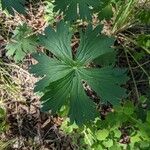
Geranium viscosissimum
Sticky geranium · Sticky purple geranium · Purple geranium · Sticky purple crane's-bill · Sticky cranesbill
Description
Source: leafsnapGeranium viscosissimum, commonly known as the sticky purple geranium, is a perennial in the flowering plant family Geraniaceae. It is thought to be a protocarnivorous plant.
🌳 The leaves and stems of sticky geranium are coated with a sticky exudate which, unknown to many, can serve as a natural insect trap. Small insects occasionally become stuck to the plant’s sticky surfaces, potentially acting as an unintended defense against herbivory. This odd interaction has attracted the interest of ecologists studying plant-insect dynamics.
🎭 Fertility; health; love; protection Apple — A preference for a present. Ivy — Your hand for the next dance. Lemon — An unexpected meeting. Nutmeg — I anticipate a meeting. Oak‑leaved — True friendship. Lady Silver‑leaf — Remembrance. Scarlet — Consolation. Rose — A preference. Pencilled — Ingenuity.
Care Guide
💧 Water Every week
Sticky geranium thrives in a range of moisture conditions and can moderately withstand drought. To keep it healthy, water it weekly, ensuring the soil remains moist but not waterlogged. This herbaceous perennial is usually grown outdoors, where it can benefit from natural rainfall that matches its growth cycles.
How should I water my Sticky geranium?
To properly water the Sticky geranium, it's best to use filtered water at room temperature. Tap water can contain harmful particles, making filtered water a safer choice. The Sticky geranium prefers warmth, so avoid using cold water as it can shock the plant. Additionally, overhead watering should be avoided to prevent foliage issues. Instead, focus on thoroughly soaking the soil with the filtered room temperature water. This will benefit the plant by ensuring the roots are moisturized and enabling them to continue spreading and collecting necessary nutrients.
What do I do if I give my Sticky geranium too much water or too little water?
Overwatering is a common issue for Sticky geraniums and can cause wilting, yellowing, and potential diseases like root rot, mold, and mildew. Underwatering is less common, but leaves may become brittle and brown. It's important to recognize the signs of overwatering early and reduce watering immediately. Check the soil's drainage quality and replace it with a well-draining potting mix if necessary. If underwatering is suspected, simply water more regularly until symptoms improve.
How often do I need to water my Sticky geranium?
If your Sticky geranium is in a pot, the most precise way to determine if it needs water is to check the soil by putting your finger into it. If the top two to three inches of soil are dry, then it is time to water it. If you have planted your Sticky geranium outdoors in the ground, you can use a similar method to test the soil. Again, if the top few inches of soil have dried out, then it is time to water it. During spring and early fall, you will usually need to water this plant about once every week using this method. However, during extremely hot weather, you may need to increase the frequency to about twice a week or even more. However, it is important to note that mature and well-established Sticky geraniums have a remarkable ability to withstand drought.
How much water does my Sticky geranium require?
To properly water your Sticky geranium, don't hold back on the amount of water you give. Make sure the top two to three inches of soil are dry before giving it a good, thorough watering. Water it enough so that the soil is completely soaked, and make sure excess water flows through the drainage holes at the bottom of the pot. If you don't see excess water draining, you probably haven't given it enough water. However, don't let the water sit and accumulate in the soil as it can be harmful to the plant. On the other hand, if water doesn't drain through the pot, it could mean the soil doesn't drain well, which is not good for the plant. If the plant is outside, around 1 inch of rain per week should be sufficient.
How do I water my Sticky geranium as it grows?
The water needs of the Sticky geranium can vary depending on growth stages. During the first few years of its life, or when you transplant it, you'll need to give it more water than usual. This is because the plant is focusing on growing new roots to support future growth, and these roots require more moisture. As the Sticky geranium matures, its water requirements decrease. Additionally, during the bloom period, the plant may need more water to support flower development.
☀️ Light Full sun
Sticky geranium grows best in spots that receive full-day sunlight for the healthiest development, but it can also endure locations with moderate periods of shade, which aligns with its natural habitat conditions. Excessive shade or insufficient sun exposure can lead to less vigorous growth.
What are the sunlight requirements for Sticky Geranium?
Sticky Geranium thrives best in locations that receive full day sunlight, as it prefers more than 6 hours of sunlight daily for healthy growth. However, it can also adapt to partial sun conditions, where it gets about 3-6 hours of sunlight. It's important to observe how sunlight moves through your garden to ensure spots provide a balance of light and shade suitable for the plant. Despite its flexibility, excessive shade or insufficient sun exposure may hinder its vigor, leading to less robust growth.
How does artificial lighting support Sticky Geranium growth indoors?
When natural sunlight is inadequate, especially during winter or in less sunny indoor environments, artificial lighting becomes crucial for Sticky Geranium's growth. Indoor plants benefit from artificial lighting that mimics natural sunlight conditions, promoting healthier, faster growth. LED lights are recommended due to their capability to simulate specific light wavelengths needed by plants. Full sun plants require 30-50W/sq ft, partial sun plants need 20-30W/sq ft, and full shade plants should get 10-20W/sq ft of artificial light. The light source should be placed 12-36 inches above the plant and kept on for 8-12 hours daily to mimic natural daylight duration.
What are the signs of inadequate lighting for Sticky Geranium?
Symptoms of light deficiency in Sticky Geranium include smaller new leaves, leggy or sparse growth, faster leaf drop, slower or halted growth, lighter-colored new leaves, and specific issues like chlorosis, sunscald, leaf curling, wilting, and leaf scorching. These signs indicate the plant's struggle under poor light conditions, affecting its ability to perform photosynthesis, maintain structural integrity, and overall health.
What solutions can improve Sticky Geranium's growth under inadequate light conditions?
To combat light deficiency in Sticky Geranium, gradually move your plants to sunnier spots, ensuring they get at least 6 hours of direct sunlight daily. For indoor plants that are large or difficult to move, use artificial lighting like desk lamps or invest in professional grow lights to ensure they receive ample light for at least 8 hours a day. If the plant is outdoors, make adjustments to their location gradually to prevent sunburn. Additionally, for plants affected by obstructions to sunlight, consider pruning or transplanting them during their dormant period to locations with better sun exposure and drainage. It's crucial to remember that parts of the plant that suffered from insufficient sunlight might not recover, but new growth will be healthier post-adjustment.
🌡️ Temperature 0–32.2°C
Sticky geranium is native to a climate similar to a temperate zone and typically does best in temperatures of 68 to 95 °F (20 to 35 ℃). For optimal growth, keep it within this temperature range. You may need to adjust temperatures with the seasons.
What is the ideal climate for sticky geranium?
Sticky geranium, scientifically known as Geranium viscosissimum, thrives in a temperate climate zone, with ideal temperatures ranging from 68 to 95°F (20 to 35°C). To ensure optimum growth, it's important to maintain this temperature range. Sticky geranium possesses strong cold resistance, making special frost protection measures usually unnecessary. However, in anticipation of winter temperatures dropping below -35°C, protective measures like covering the plant with soil or straw can be beneficial. Additionally, watering the plant abundantly before the first freeze of autumn to keep the soil moist helps prevent drought and water scarcity during winter and early spring.
How does sticky geranium react to low temperatures?
Sticky geranium is quite tolerant of cold and prefers temperatures above 20°C but should remain above 0°C during winter. If temperatures fall below -35°C, while there might not be visible changes in the plant during winter, its sprouting in spring could decrease or not occur at all. A solution for the aftermath of extreme cold is to remove any parts of the plant that have failed to sprout in the spring.
What should I do if sticky geranium is exposed to high temperatures?
In situations of high temperatures, especially during summer, it's crucial to keep sticky geranium below 35°C. Exposure to temperatures exceeding 38°C can lead to symptoms such as lighter-colored leaves, curling, susceptibility to sunburn, and in severe cases, wilting and drying of the entire plant. To mitigate these issues, trim away sunburned and dried-up parts, move the plant to a shaded area during the midday and afternoon sun, or use a shade cloth. Additionally, watering the plant in the morning and evening helps maintain soil moisture.
💨 Humidity
🪴 Soil 6-7
🌱 Fertilizer
Usually a single fertilizer application in spring is adequate for Sticky geranium, though additional feedings can enhance growth. Feed every month to a month and a half. Fertilizing improves leaf appearance and function, helping maintain steady color and a healthy texture. It also encourages root growth and nutrient uptake, supporting long-term plant health.
Why should I add fertilizer to my Sticky geranium?
The Sticky geranium relies heavily on its leaves for structure, so fertilizing is essential for both the appearance and functionality of these leaves. With proper fertilization, you can expect vibrant, uniform color and a healthy texture in the leaves. Not only does fertilization affect the above-ground foliage, but it also promotes root growth and maintenance below the surface. This means that fertilization not only keeps your plant healthy in the present but also enhances its ability to absorb nutrients from the soil in the long run.
When should I fertilize my Sticky geranium for best results?
If you grow your Sticky geranium outdoors, it will start sending new growth in early spring. This is when you can begin fertilizing for the year. A single application of fertilizer in spring is usually enough for the plant to thrive. However, if you want maximum growth, you can feed it multiple times throughout spring and early summer, approximately once every month to a month and a half.
When is it not a good time to fertilize my Sticky geranium?
During late fall and winter, your Sticky geranium will go into a dormant phase and stop growing. It is best to avoid fertilizing it during this period. If you choose to fertilize during spring and summer, gradually decrease the amount of fertilizer as summer approaches because the growth rate of your Sticky geranium will also slow down. In general, it is not recommended to fertilize your Sticky geranium during extremely hot weather or when the soil is very dry. Fertilizing in these conditions can stress your plant and cause it to die prematurely.
What kind of fertilizer should I use for my Sticky geranium?
Choosing the best fertilizer for a Sticky geranium is not complicated. These plants will thrive on a general-purpose garden fertilizer that has equal amounts of nitrogen, phosphorus, and potassium, known as a ratio of 10-10-10 or similar. It's important to avoid fertilizers with high nitrogen content if uncertain. The most suitable fertilizers for Sticky geraniums are often granular and slow-release, making them easy to apply to the soil. Additionally, feeding your Sticky geranium with organic soil amendments like compost can be beneficial.
How can I give my Sticky geranium plant the nutrients it needs?
To ensure the best growth for your Sticky geranium, start by waiting for its first leaves to appear in early spring. Once this happens, apply a balanced slow-release fertilizer to the soil around the base of the plant. If you want, you can repeat this process later in the season. Remember to focus on the soil rather than the plant itself and move any leaves to reach the soil. Additionally, it's a good idea to water the plant before and after fertilizing.
🪴 Pot & Repot
✂️ Pruning
Pruning sticky geraniums from early to late spring encourages healthy growth and blooming. To improve air circulation and prevent disease, remove dead stems and spent flowers. Use clean, sharp tools to maintain a tidy appearance and stimulate vigorous growth, which will result in a more attractive plant.
🌿 Propagating
🐛 Diseases & pets
☠️ Toxicity
Characteristics
- Plant Type
- Herb
- Life Cycle
- Perennial, Annual
- Genus
- Geranium
- Family
- Geraniaceae
- Hardiness Zone
- 3-8
- Mature Height
- 30 cm to 91 cm
- Mature Spread
- 20 cm
- Leaf Color
- Green, Blue, Red
- Leaf Type
- Deciduous
- Flower Color
- Pink, Lavender
- Flower Size
- 2.54 cm to 5.08 cm
- Bloom Time
- Late spring, Early summer, Mid summer
- Planting Time
- Spring
- Harvest Time
- Mid summer