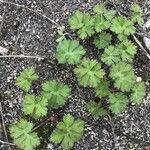
Geranium wallichianum
Buxton's Blue · Wallich geranium · Wallich's Geranium · Himalayan Geranium · Geranium
Description
Source: leafsnapGeranium wallichianum, commonly known as Wallich's cranesbill, is a perennial flowering plant that belongs to the Geraniaceae family. Native to the Himalayan region, it thrives in rocky areas and meadows at high altitudes. The plant can grow up to 60 cm tall and features deeply lobed green leaves. Its striking blue-violet flowers, adorned with darker veins, bloom from late spring through summer. Wallich's cranesbill is a favored choice for gardens due to its attractive flowers and ease of cultivation. It prefers well-drained soil with moderate moisture levels but is also capable of tolerating some drought conditions once established. Additionally, this plant attracts pollinators such as bees, butterflies, and hummingbirds. In the traditional medicine practices of the Himalayan region, where it grows natively, Geranium wallichianum has been used for its medicinal properties, such as treating diarrhea and dysentery, thanks to its anti-inflammatory properties. Overall, Geranium wallichianum is an appealing garden plant that not only adds vibrant color during the summer months but also holds medicinal value in the traditional practices of the regions where it is native.
Care Guide
💧 Water Every 7 days
The Wallich geranium flourishes in mountainous areas with well-draining soil, needing weekly watering. Although it is drought-tolerant, the plant thrives best with consistent moisture. Natural rainfall is usually sufficient, but additional watering is necessary during dry periods. Its adaptability to different climates ensures successful growth as long as it receives adequate hydration.
☀️ Light Full sun
Wallich geranium is a sun-loving perennial herbaceous plant that comes from open habitats and often grows in meadows and grasslands. It prefers full sun but can tolerate partial sun.
What are the sunlight requirements for Wallich geranium (Geranium wallichianum)?
Wallich geranium (Geranium wallichianum) requires specific sunlight conditions to thrive. For full sun exposure, it needs above 6 hours of sunlight, which is essential for optimal growth and health. In cases where the garden offers only partial sun, about 3-6 hours of sunlight is needed. It's important to observe the movement of sunlight through your garden throughout the day to find locations that provide the perfect balance of light and shade, ensuring the plants remain happy and healthy.
🌡️ Temperature 5–35°C
Wallich geranium can tolerate a wide range of temperatures, though its distribution may still be constrained by different combinations of moisture and heat. It does best in warm summer climates with sufficient rainfall or watering. Extended periods of cloudy, rainy weather or sustained high temperatures can raise the chance of the Wallich geranium dying. In winter, proper protection from cold can boost the plant's chances of survival.
What is the botanical name of Wallich geranium?
The botanical name of Wallich geranium is Geranium wallichianum. This species is part of the Geranium genus, known for its beautiful flowers and uses in various horticultural contexts.
💨 Humidity
🪴 Soil 5-6
🌱 Fertilizer
The best time to fertilize a Wallich geranium is in early spring, as it is coming out of dormancy and beginning active growth. Fertilization supplies essential nutrients for healthy growth. Although the Wallich geranium has relatively low fertilizer needs, applying fertilizer annually can improve its chances of survival and encourage better, longer-lasting flowers.
🪴 Pot & Repot 2-3 years
Repot your Wallich geranium every 2 to 3 years into a larger container. The best time for this is in spring. Choose a pot with good drainage to prevent root rot. After repotting, ensure the plant receives plenty of sunlight and consistent moisture for optimal recovery and health.
✂️ Pruning
To keep Wallich geraniums healthy and visually appealing, it is beneficial to prune them in early spring. This not only removes dead stems but also helps control their shape. Techniques like deadheading can enhance blooms. Pruning at the right time aligns with the plant's growth cycle, improving air circulation and developing disease resistance while encouraging robust flowering.
🌿 Propagating
🐛 Diseases & pets
☠️ Toxicity
Characteristics
- Plant Type
- Herb
- Life Cycle
- Perennial
- Genus
- Geranium
- Family
- Geraniaceae
- Hardiness Zone
- 4-9
- Mature Height
- 49 cm
- Mature Spread
- 61 cm
- Leaf Color
- Green
- Leaf Type
- Deciduous
- Flower Color
- Blue, Purple
- Flower Size
- 3.05 cm to 5.08 cm
- Bloom Time
- Mid summer, Late summer, Early fall
- Planting Time
- Spring, Summer
- Harvest Time
- Early fall, Mid fall
- Native Area
- Nepal, Afghanistan, India, Bhutan, Pakistan, China