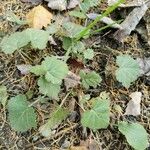
Geum canadense
White avens · Canada Avens · Canadian Avens · White Geum
Description
Source: leafsnapGeum canadense, the white avens, is a plant in the rose family, Rosaceae. It is widespread across much of Canada, the United States, and Mexico.It readily hybridizes with the introduced Geum urbanum. The hybrid is named Geum ×catlingii J.-P. Bernard & R. Gauthier
💡 Many annual plants are self-seeding, meaning they produce plenty of seeds and scatter them in nearby areas. However, some plants have unique ways of dispersing their seeds without relying on the wind or birds. For example, the white avens plant produces single-seeded fruits with hooked tips. These hooks allow the seeds to attach to the fur of passing animals, which helps spread them over long distances.
🌳 In addition to its ecological role, white avens is an important source of nectar for a range of pollinators. Its modest flowers may not be showy, yet they act as a focal point for bees, butterflies, and other insects. The plant’s role in sustaining pollinator populations can be regarded as a potential area of exploitation, especially in initiatives to support biodiversity and ecological balance.
🎭 Expulsion of demons, Cleansing, Affection
Care Guide
💧 Water Every 7 days
White avens is a plant native to the woodlands of North America. It thrives in moist, well-drained soils and benefits from regular watering, ideally about once a week. While it adapts well to outdoor conditions, its water requirements decrease in cooler temperatures as it prepares to shed its leaves, which is characteristic of its deciduous nature.
How should I water my White avens?
To properly water the White avens plant, it is important to use filtered water at room temperature or slightly warmer. Tap water may contain harmful particles, so filtered water is the preferred choice. The White avens originates from a warm environment, so using cold water can be a shock to its system. It is also recommended to avoid overhead watering, as this can cause problems with the foliage. Instead, it is best to water the plant by applying the filtered room temperature water directly to the soil until it is completely soaked. This helps moisturize the roots and encourages them to spread and collect essential nutrients.
What should I do if I give my White avens too much or too little water?
Both overwatering and underwatering can harm the health of your White avens, but overwatering is more commonly problematic. If your White avens gets too much water, its stems and leaves may wilt and turn yellow. Overwatering for an extended period can also cause diseases like root rot, mold, and mildew, which can be fatal for the plant. Underwatering is less common because White avens can tolerate drought fairly well. However, it's still possible, and when it happens, the leaves may become brittle and brown. To care for your White avens properly, it's crucial to detect early signs of overwatering. Some diseases caused by overwatering, such as root rot, may be irreversible if you delay taking action. If you notice these signs, reduce your watering schedule immediately. Additionally, check the quality of the soil in which your White avens grows. If the soil doesn't drain well, replace it with a loose, well-draining potting mix. On the other hand, if you see signs that the plant isn't getting enough water, simply water more regularly until the signs disappear.
How frequently do I need to water my White avens?
If your White avens plant is in a pot, the most precise way to determine if it needs water is by checking the soil. Stick your finger into the soil and if you find that the top two to three inches are dry, it's time to water it. If you have the White avens planted outdoors in the ground, you can use a similar method to test the soil. Once the top few inches of soil have dried out, it's time to add water. Typically, during spring and early fall, watering once a week should be enough. However, in extremely hot weather, you may need to increase the frequency to twice a week or more. It's worth mentioning that mature and well-established White avens have shown remarkable endurance to drought.
How much water does my White avens plant need?
To water your White avens effectively, be generous with the amount of water you give. Wait until the top few inches of soil are dry, then water thoroughly. Make sure to saturate the soil completely, causing excess water to flow through the drainage holes at the bottom of the pot. If you don't see any excess water draining, you may have underwatered the plant. However, be cautious not to let the water accumulate in the soil, as this can harm the plant. Conversely, if water is not draining properly, it could indicate poorly draining soil, which is harmful to the plant's health. If the plant is outside, watering it with 1 inch of rain per week should be sufficient.
How should I water my White avens at different stages of growth?
The water needs of the White avens vary depending on its growth stages. When your White avens is in the first few years of its life or if you recently relocated it, it will require more water than usual. During these stages, the plant focuses on developing new roots to support future growth, requiring additional moisture. As your White avens matures, it will need less water. Another growth stage that may require increased watering is during the bloom period. The process of flower development utilizes a significant amount of moisture, so you may need to provide extra water during this time.
☀️ Light Partial sun
White avens prefers sunny environments, though it can adapt to different light levels and can even do well in fairly shaded areas. Its growth stages are not strongly dependent on sunlight. However, too little or too much sun can negatively impact its health and development.
What are the sunlight requirements for White avens?
White avens thrives in conditions ranging from partial sun, requiring about 3-6 hours of sunlight per day, to full sun or full shade, needing more than 6 hours of sunlight. Despite its adaptability to different levels of light exposure, including well in much shaded areas, it's essential to monitor the plant's exposure to ensure it receives a balanced amount of light for optimal growth and health. Insufficient or excessive sunlight can negatively impact the plant's wellbeing and development. When choosing locations for your plants, observe how sunlight moves through your garden throughout the day to find spots that offer the right mix of light and shade.
How do artificial lights benefit indoor White avens, and what are the recommendations for their use?
For indoor White avens, especially during periods of insufficient natural sunlight like in winter or less sunny spaces, artificial lighting serves as a crucial alternative to support healthy growth. LED lights are recommended for their ability to provide specific wavelengths needed by plants. Full sun plants require 30-50W/sq ft, partial sun plants 20-30W/sq ft, and full shade plants 10-20W/sq ft of artificial light. Positioning the light source 12-36 inches above the plant simulates natural sunlight effectively. Ensuring the plants receive 8-12 hours of light per day can mimic the natural daylight hours, promoting better growth.
What are some common symptoms of improper lighting in White avens, and how to address them?
Symptoms of inadequate light in White avens include smaller new leaves, leggy or sparse growth, faster leaf drop, slower or no new growth, lighter-colored new leaves, symptoms of chlorosis, sunscald, leaf curling, wilting, and leaf scorching. To optimize growth, gradually adjust their exposure to sunlight or use artificial lighting. For indoor plants that are large or difficult to move, consider artificial lighting for at least 8 hours a day. Outdoors, progressively relocate your plants to sunnier spots to prevent sunburn. Removing obstructions, such as pruning trees, can improve sunlight access. For smaller plants, consider transplanting during their dormant period to a location with better light and drainage.
🌡️ Temperature 5–32.2°C
White avens, native to temperate regions, prefers temperatures between 41 and 89 ℉ (5 to 32 ℃). In hotter areas it may benefit from partial shade during the summer months to prevent heat stress. In colder areas it can withstand winter temperatures as low as 23 ℉ (-5 ℃) and may appreciate a layer of mulch to protect its roots from freezing.
What are the preferred temperature ranges for White avens?
White avens, or Geum canadense, thrives in temperate regions and prefers temperatures ranging from 41 to 89 °F (5 to 32 °C). In regions with hotter climates, White avens may benefit from partial shading during the summer months to mitigate heat stress. Conversely, in colder climates, it is capable of enduring winter temperatures as low as 23 °F (-5 °C). To protect its roots from freezing, applying a layer of mulch can be beneficial. Additionally, White avens exhibits strong resistance to cold, typically not requiring special frost protection measures in winter. However, if temperatures are anticipated to plummet below -30°C, it's crucial to safeguard the plant against the cold, possibly by covering it with soil or straw. To support moisture retention through winter and early spring, it's advised to water the plant thoroughly before the first freeze in autumn, ensuring the soil remains moist yet frozen.
How does White avens react to low temperatures and what are the solutions?
White avens exhibits impressive cold tolerance, ideally thriving when temperatures are maintained above 5°C. Even though it can withstand winter temperatures above -25°C, exposure to temperatures below -30°C might not visibly affect the plant during winter but could lead to a decrease in spring sprouting or even result in no sprouting. In case of such occurrences, it's advisable to inspect the plant in spring and remove any parts that have failed to sprout. This proactive step ensures the plant's health and the possibility for rejuvenation in the following growth season.
What challenges does White avens face in high temperatures, and how can they be addressed?
During the summer, White avens should ideally be kept in environments where temperatures do not exceed 32°C. When temperatures rise above 35°C, several symptoms might manifest, including leaves becoming lighter in color, prone to curling, susceptibility to sunburn, and in severe cases, the plant may wilt and dry out completely. To address these challenges, it's recommended to trim away the sunburned and dried-up parts of the plant and move it to a location that offers shade, especially from the midday and afternoon sun. Utilizing a shade cloth can also be effective in creating necessary shade. Additionally, maintaining soil moisture by watering the plant in the morning and evening is crucial for its health during high temperature periods.
💨 Humidity
🪴 Soil 5-7
🌱 Fertilizer
For White avens, a single fertilizer application in spring is generally adequate, though repeated feedings can maximize growth. Apply fertilizer every month to every month and a half. Fertilization improves the leaves' appearance and function, maintaining even color and a healthy texture. It also promotes root development and nutrient uptake for the plant's long-term health.
🪴 Pot & Repot
✂️ Pruning
🌿 Propagating
🐛 Diseases & pets
☠️ Toxicity
Characteristics
- Plant Type
- Herb
- Life Cycle
- Perennial
- Genus
- Geum
- Family
- Rosaceae
- Hardiness Zone
- 4-8
- Mature Height
- 30 cm to 91 cm
- Mature Spread
- 30 cm to 91 cm
- Leaf Color
- Green
- Leaf Type
- Semi-evergreen
- Flower Color
- White
- Flower Size
- 0.25 cm to 0.76 cm
- Bloom Time
- Late spring, Early summer, Mid summer
- Planting Time
- Spring, Autumn
- Harvest Time
- Early summer, Mid summer
- Native Area
- Mexico