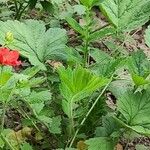
Geum coccineum
Scarlet Avens · Boris's Avens · Geum
Description
Source: leafsnapGeum coccineum, commonly known as Scarlet Avens, is a herbaceous perennial plant that belongs to the Rosaceae family. Native to the Caucasus region of Eurasia, it has gained popularity in gardens and landscapes worldwide for its ornamental appeal. The plant reaches a height of up to 60 cm and features basal rosettes of dark green leaves that are deeply lobed with toothed edges. Scarlet Avens produces striking scarlet-red flowers with five petals that bloom from late spring through early summer on long stems above the foliage. It thrives in well-drained soil and can grow in both full sun and partial shade. Its ease of cultivation and low-maintenance nature make it a favorite among gardeners seeking vibrant, showy blooms. Additionally, Scarlet Avens attracts pollinators such as bees and butterflies, making it an excellent choice for wildlife gardens and pollinator-friendly landscape designs.
🌳 Geum coccineum is notable not only for its bright blooms but also for its important role in garden ecosystems, as it attracts a range of beneficial insects. Insects such as bees and butterflies act as key pollinators that support the health of both wild and cultivated plants. Additionally, certain bird species are attracted to Geum coccineum’s seeds, providing another layer of ecological interaction and emphasizing the plant’s role as a foundation of garden biodiversity.
Care Guide
💧 Water Every 7 days
Geum coccineum thrives in environments that mimic its native temperate habitats. It requires regular moisture but can tolerate occasional dryness. To keep the plant healthy, water it weekly and ensure the soil has good drainage to prevent root rot during heavy rains. This species is adaptable to various climates and often flourishes when grown outdoors.
How should I water my Geum coccineum plant?
To properly water the Geum coccineum, use filtered water at room temperature or slightly warmer. Tap water may contain harmful particles for this plant. The Geum coccineum prefers warm environments, so avoid using cold water to prevent shock. Additionally, avoid overhead watering to prevent foliage complications. Instead, thoroughly soak the soil with filtered, room temperature water. This helps the roots spread and collect necessary nutrients.
If I give too much or too little water to my Geum coccineum plant, what should I do?
Overwatering and underwatering can harm your Geum coccineum, but overwatering is more common. When this plant gets too much water, its stems and leaves may wilt and turn yellow. Overwatering for a long time can also cause diseases like root rot, mold, and mildew, which can kill the plant. Underwatering is less likely because Geum coccineum can tolerate drought, but it can still happen. In this case, the leaves will become brittle and brown. It's important to spot the signs of overwatering early. Some diseases caused by overwatering, like root rot, cannot be fixed if you wait too long. Reduce your watering schedule immediately if you notice early signs of overwatering. Check the soil drainage and replace it with a well-draining mix if it drains poorly. If you see signs of underwatering, increase watering until the signs go away.
How frequently should I water my Geum coccineum?
If your Geum coccineum is in a pot, you can easily check if it needs water by sticking your finger into the soil. If the top two to three inches of soil feel dry, it's time to water it. For Geum coccineum planted outside in the ground, you can use the same method to test the soil. When the top few inches of soil have dried out, it's time to water. Normally, during spring and early fall, watering once a week is sufficient. However, during extremely hot weather, you may need to water twice a week or more. It's worth noting that mature and well-established Geum coccineum plants can tolerate drought quite well.
How much water does my Geum coccineum plant need?
To water your Geum coccineum effectively, make sure the first two to three inches of soil are dry. Give the plant a thorough watering, making sure to soak the soil entirely. Aim to add enough water that excess water flows out of the pot's drainage holes. If you don't see water draining from the pot, you may not have added enough water. However, be cautious of letting water accumulate inside the soil, as this can harm the plant. If water is not draining properly from the pot, it may indicate poorly draining soil, which is not good for the plant's health. If the plant is outdoors, 1 inch of rainfall per week will be enough.
How should I water my Geum coccineum as it grows?
The water needs of the Geum coccineum can vary depending on its growth stages. In the first few years or after being transplanted, more water will be needed as the plant focuses on developing new roots for future growth. These new roots require additional moisture to perform their best. As the plant matures, it will require less water. Another stage that may require more water is during the bloom period, as flower development utilizes a significant amount of moisture. As a result, you may need to provide extra water to your Geum coccineum during this time.
☀️ Light Full sun
Geum coccineum does best when it gets continuous sunlight, though it can still adjust to locations that receive only limited sun. In its natural habitats it prospers in plentiful sunlight, which supports healthy development and growth. Too much or too little sun can disturb this balance and hinder its normal growth and vitality.
What are the sunlight requirements for Geum coccineum?
Geum coccineum requires 'full sun,' meaning it thrives best with above 6 hours of sunlight daily, but it can also adapt to 'partial sun' conditions, which is about 3-6 hours of sunlight. It's essential to monitor the sun's movement through your garden to find spots that offer the right balance of light and shade for these plants, ensuring they grow healthy and happy.
How does Geum coccineum react to different lighting conditions?
The Geum coccineum thrives under abundant sunlight, as it assists in its healthy growth and development. However, it can still grow in areas with less sunlight, making it a versatile plant. Both overexposure and underexposure to sunlight could harm its growth equilibrium. In the absence of natural light, especially in winter or less sunny areas, artificial lighting can be a vital growth factor. Using the right type of artificial light, like LED, and ensuring the correct wattage per square foot depending on the plant's light needs, can help maintain healthy growth.
What are the symptoms of inappropriate lighting on Geum coccineum?
In inadequate lighting, Geum coccineum may display several symptoms indicating stress, including smaller new leaves, leggy or sparse growth, faster leaf drop, halted or slow new growth, and paler new leaves. Excessive sunlight can cause chlorosis, sunscald, leaf curling, wilting, and leaf scorching. These symptoms reflect the plant's struggle with its lighting conditions, affecting its overall health and development.
How can I address lighting issues for my Geum coccineum?
To address lighting issues for Geum coccineum, gradually increase its exposure to direct sunlight to at least 6 hours daily, using a south-facing window for indoor plants and considering artificial lighting if necessary. For outdoor plants, move them to sunnier spots progressively to prevent sunburn. Additionally, for ground plants, reduce any obstructions to sunlight by pruning or transplanting the plants to a brighter location. Remember, parts of the plant damaged by insufficient light might not recover, but new growth should be healthy with improved lighting.
🌡️ Temperature 0–35°C
Geum coccineum can tolerate a wide range of temperatures, but its distribution may still be restricted by different combinations of moisture and heat. It performs best in warm summer conditions with sufficient rainfall or watering. Extended periods of cloudy, rainy weather, or prolonged high temperatures can raise the risk of Geum coccineum dying. In winter, adequate protection from cold can increase the plant’s chances of survival.
💨 Humidity
🪴 Soil 6-7
🌱 Fertilizer
The best time to fertilize a Geum coccineum is in early spring, when it is coming out of dormancy and starting active growth. Fertilizing supplies essential nutrients for healthy development. Although Geum coccineum has relatively low fertilizer needs, applying fertilizer once a year can improve its survival and encourage better, longer-lasting flowers.
Why should I put plant food on my Geum coccineum?
Fertilization is important for Geum coccineum and other plants because it provides essential nutrients for growth. While Geum coccineum has relatively low fertilization needs and can survive without it, annual fertilization can be beneficial. It helps the plant stay alive and encourages better, longer-lasting flowers. Therefore, those who want their Geum coccineum to look its best should prioritize annual fertilization.
When should I fertilize my Geum coccineum?
To ensure optimal growth, it is recommended to fertilize a Geum coccineum in late winter to early spring when the plant is transitioning from dormancy to active growth. This timing promotes healthy growth and sets the plant up for a successful season. While fertilizing in early spring is preferred, fertilization in the fall is also acceptable. However, feeding the plant during summer and winter is discouraged.
When is it not a good idea to fertilize my Geum coccineum?
To properly care for your Geum coccineum, it is important to fertilize it only in late winter and early spring. This plant has low fertilization requirements, so a single feeding during this time is enough. Fertilizing in spring, summer, and fall can result in overfertilization and its associated problems, unless you skipped fertilizing in spring, in which case it is acceptable to fertilize in fall. Additionally, avoid fertilizing during the winter when the plant is in a dormant phase and not actively growing.
What kind of fertilizer should I use for my Geum coccineum?
Geum coccineum, a type of flowering plant, can be fertilized with any general-purpose fertilizer that has a balanced amount of the three main plant nutrients. However, some specific nutrient blends can be even better. Many gardeners believe that higher phosphorus levels can lead to stronger roots and better flowers, so applying a phosphorus-rich fertilizer may be the best option. Whether it's in granular or liquid form, as long as the fertilizer has plenty of nutrients, it will work. Additionally, you can improve the soil for your Geum coccineum using organic methods such as compost, manure, and similar materials. These will help create a healthy growing medium for your plant.
How should I fertilize my Geum coccineum?
To fertilize a Geum coccineum, the easiest method is to use granular or pellet fertilizer. Apply it around the plant's soil, taking note of the appropriate time for fertilization when the plant starts transitioning from its dormant phase to active growth in early spring. Once shoots appear, you can apply the fertilizer. Alternatively, some people prefer using liquid fertilizer, which should be diluted with water before application. Whether you choose granular or liquid fertilizer, ensure the soil is moist before, during, and after fertilizing.
🪴 Pot & Repot 2-3 years
Repot Geum coccineum every 2-3 years, preferably in early spring, into a slightly larger pot. After repotting, water sparingly and position the plant in a well-lit area. Use well-draining soil to prevent root rot and promote a healthy recovery.
✂️ Pruning
For optimal health, Geum coccineum should be pruned in early spring or late winter. Trim back any spent blooms and damaged leaves, and remove up to one-third of the older stems to encourage rejuvenated growth. Regular pruning helps enhance airflow, reduces the risk of disease, and promotes vibrant new growth. Be sure to use sharp, clean tools for the best results.
🌿 Propagating
🐛 Diseases & pets
☠️ Toxicity
Characteristics
- Plant Type
- Herb
- Life Cycle
- Perennial, Annual
- Genus
- Geum
- Family
- Rosaceae
- Hardiness Zone
- 4-9
- Mature Height
- 15 cm to 30 cm
- Mature Spread
- 15 cm to 30 cm
- Leaf Color
- Green
- Leaf Type
- Evergreen, Deciduous
- Flower Color
- Orange, Red
- Flower Size
- 4.06 cm
- Bloom Time
- Late spring, Early summer, Mid summer
- Planting Time
- Spring
- Harvest Time
- Early summer, Mid summer
- Native Area
- Turkey, Slovakia, Bulgaria, Montenegro, Albania, Greece, Croatia, Serbia