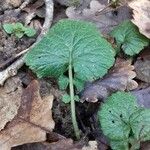
Geum sylvaticum
Rumpled cloverleaf · Gesylva
Description
Source: leafsnapGeum sylvaticum, commonly known as wood avens or herb bennet, is a perennial plant in the Rosaceae family. Native to Europe and Asia, it thrives in woodlands, meadows, and rocky areas. The plant reaches up to 60 cm in height, featuring a basal rosette of deeply lobed, toothed leaves. Its hairy stem supports small yellow flowers, which bloom from May to August. After flowering, the plant produces small fruits called achenes, which have hooked hairs that aid in dispersal by attaching to clothing or animal fur. Traditionally, the roots of Geum sylvaticum have been used for their anti-inflammatory properties and to treat digestive disorders such as diarrhea and dysentery. The leaves are also edible and can be used in salads or cooked like spinach. Geum sylvaticum is appreciated in gardens for its bright yellow flowers, which attract pollinators like bees and butterflies. It prefers moist soil but can tolerate some drought once established, making it an easy-to-grow addition to any garden. Overall, Geum sylvaticum is a versatile, herbaceous perennial plant with both aesthetic and practical uses. Its medicinal properties have been recognized throughout Europe and Asia, adding to its value as a garden plant.
Care Guide
💧 Water Every 7 days
☀️ Light Partial sun
Geum sylvaticum naturally occurs in habitats such as forest understories and rocky locations, where it grows in natural shade. It favors partial sun but can adapt to both full sun and full shade, illustrating its versatile and hardy nature.
🌡️ Temperature 5–32.2°C
Geum sylvaticum can adjust to a wide variety of temperature conditions, but its range may nonetheless be constrained by different combinations of moisture and heat. It does best in warm summer conditions with sufficient rainfall or watering. Extended periods of cloudy, rainy weather or sustained high temperatures can raise the chance of Geum sylvaticum dying. In winter, adequate protection from cold can improve the plant's survival.
💨 Humidity
🪴 Soil 6-7
🌱 Fertilizer
The best time to fertilize Geum sylvaticum is in early spring, as it is coming out of dormancy and starting active growth. Fertilization supplies essential nutrients for healthy growth. Although Geum sylvaticum has relatively low fertilizer requirements, an annual application can improve its survival and encourage better, longer-lasting flowers.
🪴 Pot & Repot
✂️ Pruning
🌿 Propagating
🐛 Diseases & pets
☠️ Toxicity
Characteristics
- Plant Type
- Herb
- Life Cycle
- Perennial
- Genus
- Geum
- Family
- Rosaceae
- Hardiness Zone
- 4-8
- Mature Height
- 30 cm to 61 cm
- Mature Spread
- 20 cm to 30 cm
- Leaf Color
- Dark Green, Forest Green
- Leaf Type
- Deciduous
- Flower Size
- 2.03 cm to 3.05 cm
- Bloom Time
- Mid spring, Late spring
- Planting Time
- Spring, Summer, Autumn
- Harvest Time
- Early summer, Mid summer
- Native Area
- Italy, Spain, France, Algeria, Morocco, Portugal