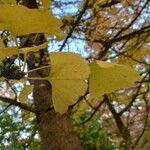
Ginkgo biloba
کهن دار، ژینکو، · Ginkgo · Ginkgo biloba · Maidenhair-tree · Nanahana
Description
Source: leafsnapGinkgo biloba, commonly known as the maidenhair tree, is a unique and ancient species that has existed for over 270 million years. As the only surviving member of its family, it is considered a living fossil. The tree can grow up to 40 meters tall and features distinctive fan-shaped leaves that turn bright yellow in the autumn. For centuries, Ginkgo biloba has been used for medicinal purposes in traditional Chinese medicine. The leaves contain compounds known as flavonoids and terpenoids, which are believed to have antioxidant properties that protect cells from damage caused by free radicals. In modern medicine, Ginkgo biloba extract is used as a dietary supplement to improve cognitive function, memory retention, and blood circulation. It may also offer potential benefits in treating anxiety disorders and depression. The Ginkgo biloba plant thrives in temperate climates with well-drained soil, but it can also tolerate the pollution levels found in urban areas. Due to its resilience against pests and diseases, as well as its aesthetic appeal when its leaves turn golden yellow in autumn, it is often planted along streets and in parks. Overall, the Ginkgo biloba plant holds great significance both historically and medicinally. It is an important species worth preserving and studying further by botanists and researchers around the world today.
💡 According to legend, an old man gifted his two daughters each a mountain before he passed away, telling them that treasures were hidden there. That evening, both daughters had vivid dreams. The elder sister dreamed of receiving a bag of maidenhair tree nuts from an elderly man, while the younger sister envisioned a bag of money. Inspired by her dream, the elder sister planted maidenhair trees on her mountain. Meanwhile, the younger sister believed that the stones on her mountain would magically transform into coins. Years later, the elder sister's mountain flourished with thriving maidenhair trees, but the younger sister's mountain remained barren.
🌳 Aside from its decorative value, Ginkgo has an important role in urban landscaping because of its notable capacity to absorb pollutants, serving as a natural air-quality monitor. Its leaves efficiently take up gaseous contaminants and particulate matter, helping to purify the air. Cities plant Ginkgo to reduce pollution, and researchers examine leaf damage as an indicator of environmental quality.
🎭 Resilience, serenity, optimism, tranquility, long life
Care Guide
💧 Water Every 7 days
The Maidenhair tree thrives in well-drained soil and has moderate watering needs. It requires watering every 1-2 weeks. Adapted to environments with moderate moisture, this temperate outdoor plant flourishes with the help of seasonal rainfall, which promotes its unique fan-shaped leaves.
How should I water my Maidenhair tree the right way?
To ensure excellent root development, it is advisable to place a garden hose at the base of the plant. However, be careful not to directly spray the leaves. If the plant is exposed to direct sunlight outdoors, it will require more watering, particularly the leaves. Alternatively, you can use bubblers that can be attached to each plant to moisten the roots. Soaker hoses are also effective in covering the entire garden or bed, especially when adding or removing plants, as they help the roots penetrate deeply. After watering, make sure to drain any excess water and allow the soil to dry before watering again. It is recommended to water at ground level to prevent diseases. On a sunny day, it may be helpful to spray the entire bush with water. Whether the plant is in a pot or in the ground, it's important to remember that Maidenhair tree prefers deep watering rather than light sprinkling.
What should I do if I give the Maidenhair tree too much or too little water?
If a Maidenhair tree is overwatered, it can show signs such as yellowing, dropping leaves, and wilting. The plant may also appear dull and unhealthy, with mushy stems. In these cases, it's best to adjust your watering schedule. On the other hand, wilting can also be a sign of under watering, which can cause crispy and dry leaves instead. If the soil is dry and simply watering is not enough, give the tree a thorough watering. After the tree recovers, it may still have dry and yellow leaves for a few days due to root damage. Once it returns to normal, the yellowing will stop. Indoors, always check the moisture levels of the pot, avoiding overwatering and looking for black spots. If present, let the soil dry out for a few days before watering again. Overwatering can lead to root rot, so if you notice discolored and slimy roots, consider transferring the tree to a different pot. Be cautious of root rot and avoid soggy soil. When planting a Maidenhair tree outdoors, ensure the soil is adequately moist. If the soil feels too dry when you check with your fingers, it may indicate underwatering, in which case sufficient watering is necessary for the plant's recovery.
How often should I give my Maidenhair tree water?
The Maidenhair tree prefers deep and infrequent watering. It is recommended to soak them with a gallon of water, especially if they are in pots. Potted plants have limited water storage and the soil can dry out quickly. In cold regions, water the tree every 3 to 5 days. It is best to water it early in the morning when the soil is dry, whether it is kept indoors or outdoors. You can also check if watering is needed by examining the soil. If the top 2-3 inches of soil is dry, it's time for a full watering. During hot days, monitor the soil moisture daily as extreme heat can dry out the soil in the pot rapidly. If you have the tree planted in a garden, irrigation of the soil is necessary. In a hot climate, watering once a week is generally sufficient. Water the tree when you observe that about 2 to 3 inches of soil have become too dry, both indoors and outdoors. Take into account the rainfall that the plant receives and avoid overwatering to prevent root rot. If there is ample rainfall, you may not need to provide additional watering. Maidenhair trees typically grow during spring and fall. If the tree is outdoors, apply a layer of mulch about 3 to 4 inches deep to help retain water. The frequency of watering will depend on the type of soil. In sandy soil, the plant may require more frequent watering due to its fast drainage. However, if the soil is clay-based, you can water less frequently, allowing the plant to dry out for 2-3 days to prevent root rot. To keep track of watering, mark the date on a calendar each time you water the plant. If you notice the leaves starting to droop, it may be an indication that you need to water the tree sooner.
How much water should I give my Maidenhair tree?
The Maidenhair tree generally requires about a gallon of water on a regular basis. For potted plants, it is recommended to water them deeply until you notice water dripping from the bottom of the pot. Afterward, wait for the soil to dry before watering again. To determine the amount of water given to your plant in a week, you can use a water calculator or a moisture meter. During the flowering period, provide plenty of water but allow the moisture to evaporate to prevent root rot. If the Maidenhair tree is planted outdoors where there is enough rainfall, additional watering may not be necessary. However, when the tree is young or newly planted, it requires 1-2 inches of rain per week. As the tree grows, it can rely solely on rainfall except during excessively hot weather or if there is no rain for 2-3 weeks. In these cases, consider watering the tree fully during cooler parts of the day to prevent damage from high temperatures. Additional watering is necessary during prolonged dry spells.
Should I water my Maidenhair tree more or less depending on the time of year or the weather?
The Maidenhair tree requires outdoor conditions with rainfall, and only needs watering in persistent dry weather. During the spring and fall, keep the soil moist but not soggy to support growth. In the summer, hot weather and lack of rainfall may require more frequent watering to keep the tree moist. During winter, when the tree is dormant, it needs less water. Using terracotta pots with well-draining soil mix helps with evaporation. Once the tree starts leafing out and going dormant, watering can be skipped, relying on fall and winter rains. Good drainage is important for the tree's overall health, especially during winter. In pots, regular watering is important, especially in summer. Deep soaking once or twice a week is best, avoiding shallow sprinkles. Don't let the tree dry out completely even if it's dormant in fall or winter. Avoid over-watering, as sitting in water for too long can be detrimental. Applying mulch is beneficial for stress reduction, water conservation, and promoting healthy blooms.
☀️ Light Full sun
The ginkgo does best with steady, abundant sunlight. It can, however, tolerate some shade, particularly during its juvenile stage, echoing its original habitat in the dense forest understory. Too little sun may cause dull leaf coloration, while too much can lead to sunburn.
What are the sunlight requirements for a Maidenhair tree (Ginkgo biloba)?
The Maidenhair tree thrives best with consistent and ample exposure to sunlight, favoring full sun conditions of over 6 hours of sunlight or partial sun with about 3-6 hours of sunlight. It can, however, tolerate a degree of shade, especially during its juvenile growth stage, which echoes its origins in dense forest understories. Insufficient sun exposure may lead to poor leaf color, while too much can result in sunburn. Being mindful of the sunlight's movement through your garden and choosing spots that provide the perfect balance of light and shade will ensure the plant's happiness and health.
How can artificial lighting be used for Maidenhair trees when natural sunlight is insufficient?
Indoor plants like the Maidenhair tree require adequate lighting for optimal growth, which can be achieved with artificial lights when natural sunlight is insufficient. In the absence of adequate natural light, especially in winter or less sunny spaces, artificial lights such as LED lights are recommended because they can be customized to provide specific wavelengths needed by plants. Full sun plants require 30-50W/sq ft of artificial light, partial sun plants need 20-30W/sq ft, and full shade plants need 10-20W/sq ft. The light source should be placed 12-36 inches above the plant to mimic natural sunlight, and the duration should align with the natural daylight hours for the species, typically 8-12 hours per day.
What are the symptoms of incorrect lighting conditions for a Maidenhair tree?
When placed in rooms with suboptimal lighting, a Maidenhair tree may exhibit symptoms such as small leaves, which grow smaller in size compared to the previous ones once they have matured; leggy or sparse growth, where the spaces between leaves or stems become longer, giving the plant a thin and stretched-out appearance; faster leaf drop as the plant sheds older leaves early to conserve resources; slower or no new growth as the plant enters a survival mode; lighter-colored new leaves indicating a lack of chlorophyll; chlorosis, where leaves lose their green color and turn yellow; sunscald, which damages leaves or stems from intense sunlight; leaf curling as a defense mechanism to reduce surface area exposed to sunlight; wilting from loss of turgor pressure; and leaf scorching characterized by brown, dry, and crispy leaf edges or patches due to excessive sunlight.
What solutions can help a Maidenhair tree adapt to correct lighting conditions?
To ensure optimal growth for a Maidenhair tree, gradually move plants to sunnier locations until they receive at least 6 hours of direct sunlight daily, using south-facing windows for maximum exposure. If the plant is large or not easily movable, consider using artificial light, keeping a lamp on for at least 8 hours daily, or investing in professional plant grow lights. For outdoor plants, avoid sudden and drastic changes in light intensity to prevent sunburn. Obstructions to sunlight, such as trees, may require pruning to allow sunlight through, and smaller plants can be transplanted to brighter locations during their dormant period to ensure better growth and health.
🌡️ Temperature 5–35°C
The ginkgo tolerates a broad temperature range of 5 to 35 ℃ (41 to 95 ℉) and prospers in temperate regions. In its natural habitat it can endure cold winters and hot summers. To promote healthy growth, keep the plant away from extreme heat or cold, and alter watering in response to temperature changes.
What is the ideal temperature range for the maidenhair tree (Ginkgo biloba)?
The maidenhair tree, or Ginkgo biloba, has a broad temperature tolerance, thriving in conditions ranging from 5 to 35°C (41 to 95°F). This adaptability makes it well-suited to temperate climates, where it can endure both the cold winters and hot summers. While the tree is highly resistant to cold and usually doesn't require frost protection, it's advisable to protect it when winter temperatures are expected to plummet beyond its cold tolerance limit. This can be done by insulating the trunk and branches with materials like non-woven fabrics. Additionally, watering the tree generously before the first autumn freeze to maintain soil moisture is crucial for helping it through the winter.
How should you care for a maidenhair tree in low temperatures?
Maidenhair trees can tolerate cold weather and perform best when kept within a certain temperature range above their minimum growth threshold during winter. If temperatures fall below this threshold, the tree may not show immediate distress, but its branches could turn brittle and dry, leading to a lack of new shoot development in spring. To mitigate this, it's recommended to prune any dead branches that have failed to produce new growth once warmer temperatures return.
What are the signs and solutions for a maidenhair tree experiencing high temperatures?
During the hotter months, it's crucial to ensure the maidenhair tree's environment remains below its maximum temperature tolerance. Signs that a tree is struggling with the heat include lighter leaf coloration, dry and withered leaf tips, and increased susceptibility to sunburn. To alleviate these symptoms, trim away the damaged plant parts and relocate the tree to a shaded area or use shade cloth to protect it from intense midday and afternoon sunlight. Keeping the soil consistently moist with morning and evening waterings can also help the tree cope with the heat.
💨 Humidity high (>60%)
This plant needs special care because it loves high humidity levels of 60-80% or more. The best way to achieve this is by placing a humidifier near the plant. Daily misting is also essential! Make sure the room has good ventilation.
🪴 Soil 4-7
🌱 Fertilizer
Fertilize your Ginkgo in early spring to encourage healthy growth. Regular feeding boosts its overall health, producing vigorous growth, greater tolerance of challenging conditions, and enhanced resistance to pests and diseases. Follow a defined fertilization routine for your Ginkgo to maintain foliage that is vibrant, richly colored, and luxuriant in appearance.
Why should I add fertilizer to my Maidenhair tree?
To keep your Maidenhair tree healthy and vibrant, regular fertilization is crucial. It doesn't matter what kind of Maidenhair tree you have; providing the right nutrients will promote stronger growth and enhance its ability to withstand challenging conditions, diseases, and pests. The foliage of your tree is particularly stunning, so it's important to maintain it. This involves sticking to a regular fertilization schedule that is tailored to your specific Maidenhair tree. By doing so, you can expect your tree to produce leaves with rich, deep colors and an overall lush appearance.
When should I fertilize my Maidenhair tree?
To properly fertilize your Maidenhair tree, start by doing so in late winter or early spring. This will provide the necessary nutrients for healthy growth when the weather warms up. If you live in a warm climate region, it can be beneficial to give your tree another round of fertilizer in early fall. This provides additional nutrients for the upcoming growing season and helps the tree survive the winter without foliage damage. By fertilizing earlier, you'll give the new branches enough time to grow and withstand the cold winter.
When should I not put fertilizer on my Maidenhair tree?
There are specific times of the year when you should refrain from fertilizing your Maidenhair tree. The first is in the early and mid-winter months when the tree is dormant and does not require feeding. It is also not recommended to fertilize the tree in late spring and throughout summer due to the hotter and drier weather conditions. Fertilizing during this time could result in a negative impact on the tree. To avoid any issues, it is best to stick to a fertilization schedule that involves feeding only in early spring and early fall.
What kind of plant food does my Maidenhair tree need?
The most important nutrient for a Maidenhair tree is usually nitrogen, but phosphorus and potassium are also important. Therefore, it's best to use a balanced fertilizer like a 10-10-10, which provides all three nutrients in equal amounts. However, a slightly higher ratio of nitrogen, such as 10-6-4, often leads to better growth. You can choose either granular or liquid fertilizer when feeding your Maidenhair tree.
How can I put plant food on my Maidenhair tree?
To fertilize your Maidenhair tree, you have two options: granular fertilizer or liquid fertilizer. With granular fertilizer, simply sprinkle it on the soil at the right time. The slow-release formula will gradually release nutrients into the soil. It's a good idea to lightly water your tree before applying the granular fertilizer. On the other hand, liquid fertilizer is less common but still an option. Mix the fertilizer with water, then pour it around the base of your tree. If you're unsure about the pH of your soil, it might be helpful to perform a soil test before fertilizing.
🪴 Pot & Repot 2-3 years
When repotting Ginkgo, select a pot 1–2 inches (2.5–5.1 cm) larger with ample drainage. Use a well-draining potting mix. Repot in spring or fall, ensuring the root ball sits slightly lower than the rim of the flower pot. Water thoroughly after repotting and place in a warm spot with indirect sunlight.
✂️ Pruning
Prune the maidenhair tree in early spring to improve its health and shape. Begin by removing any dead branches and thinning out crowded areas to enhance air circulation. Use clean, sharp tools to minimize the risk of disease. Following these practices will ensure the tree's optimal vitality and aesthetic appeal, as recommended by reputable sources.
🌿 Propagating
🐛 Diseases & pets
☠️ Toxicity
Characteristics
- Plant Type
- Tree
- Life Cycle
- Perennial
- Genus
- Ginkgo
- Family
- Ginkgoaceae
- Hardiness Zone
- 4-10
- Mature Height
- 20.12 m to 35.05 m
- Mature Spread
- 7.62 m to 10.36 m
- Leaf Color
- Green, Yellow
- Leaf Type
- Deciduous
- Flower Color
- Green, Yellow
- Flower Size
- 2.54 cm
- Bloom Time
- Mid spring, Late spring
- Planting Time
- Spring, Autumn
- Harvest Time
- Mid summer
- Native Area
- China