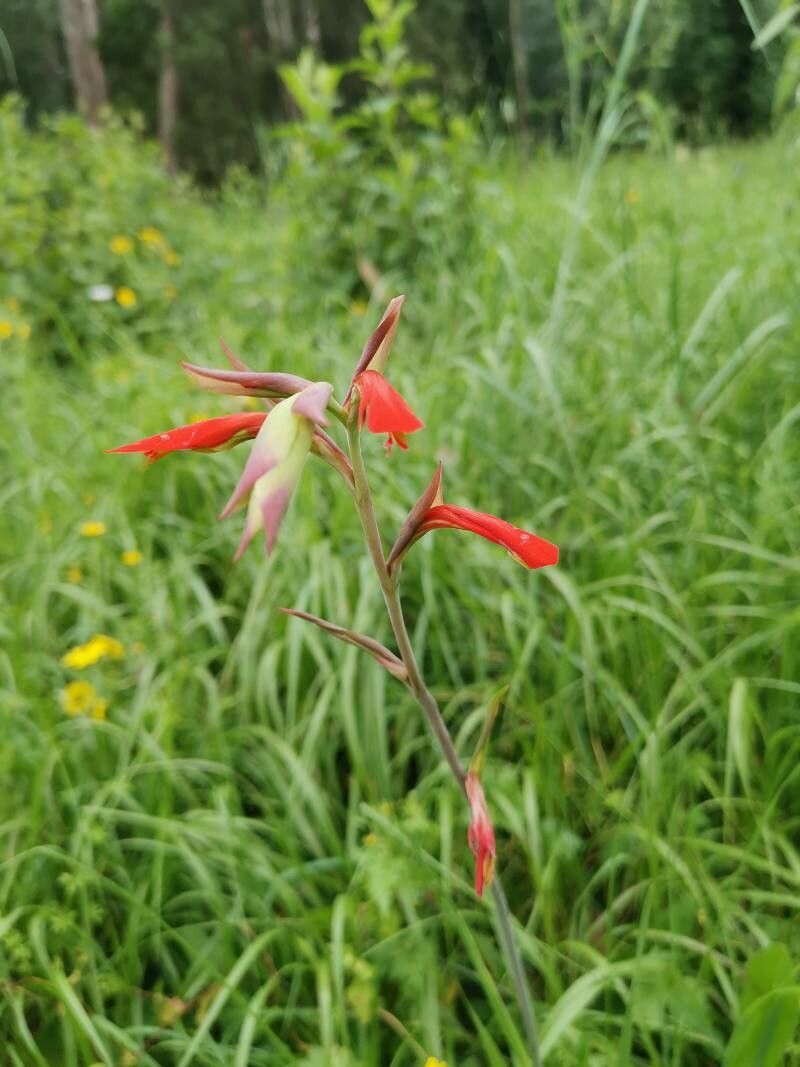
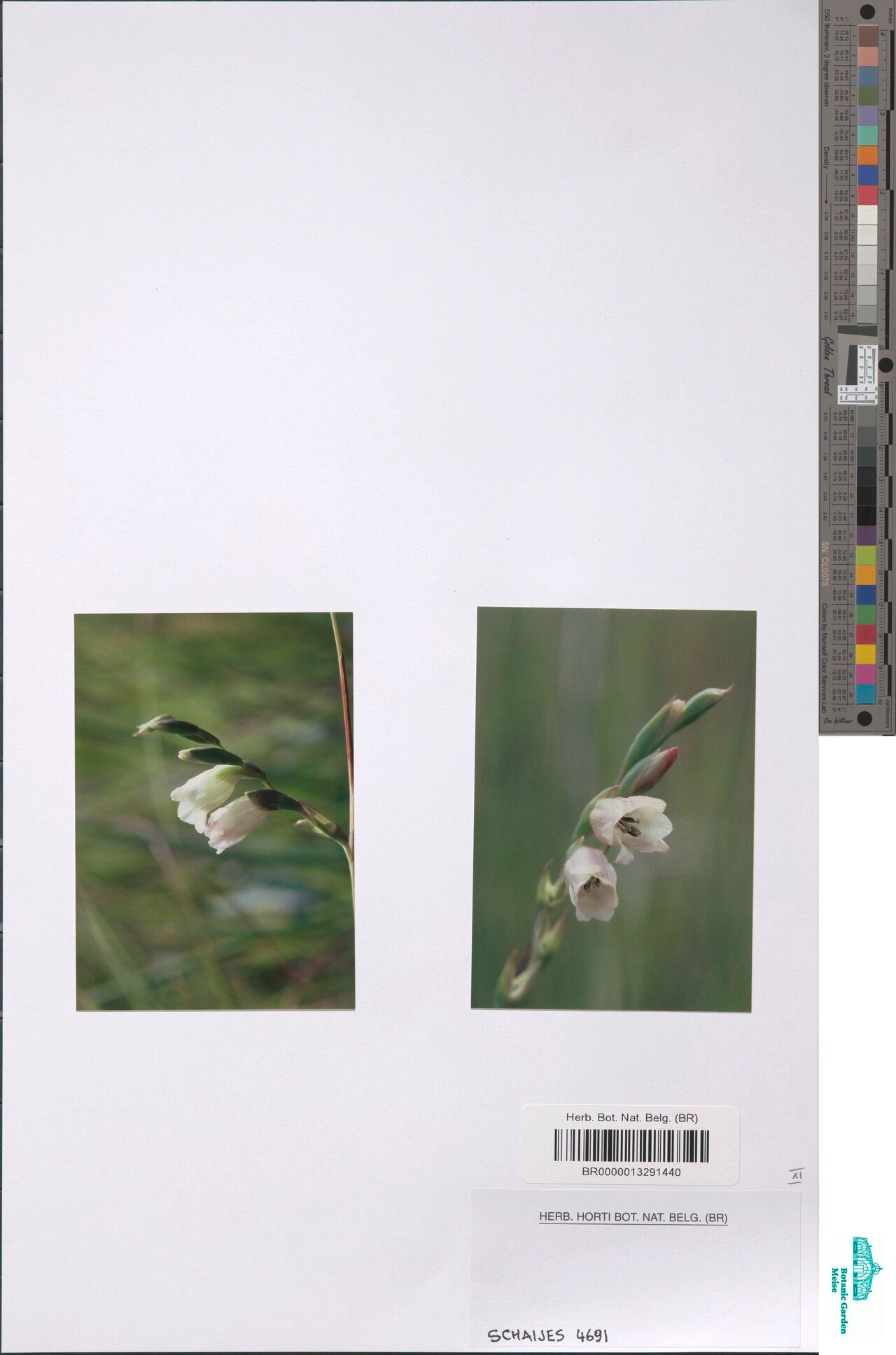
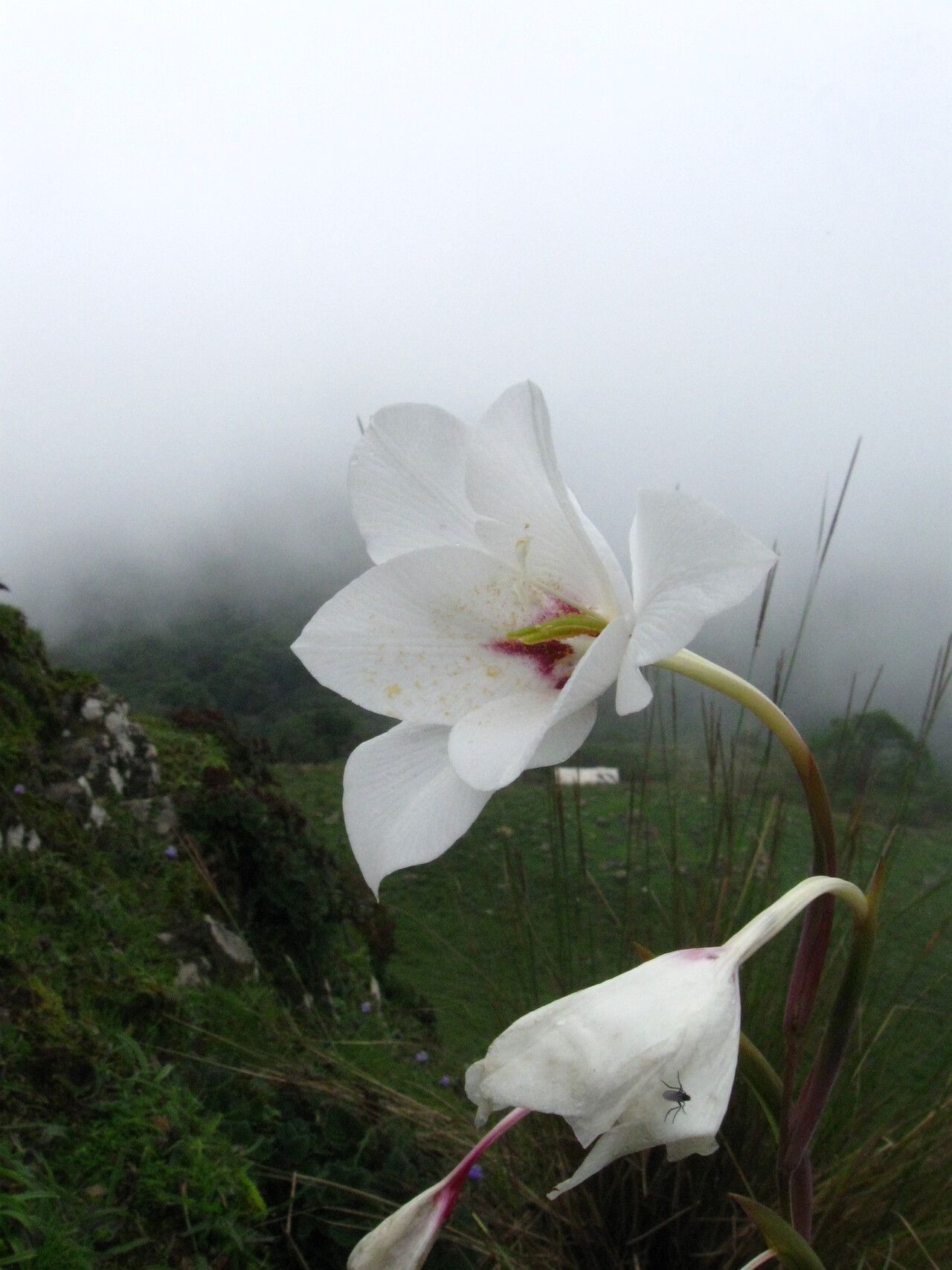
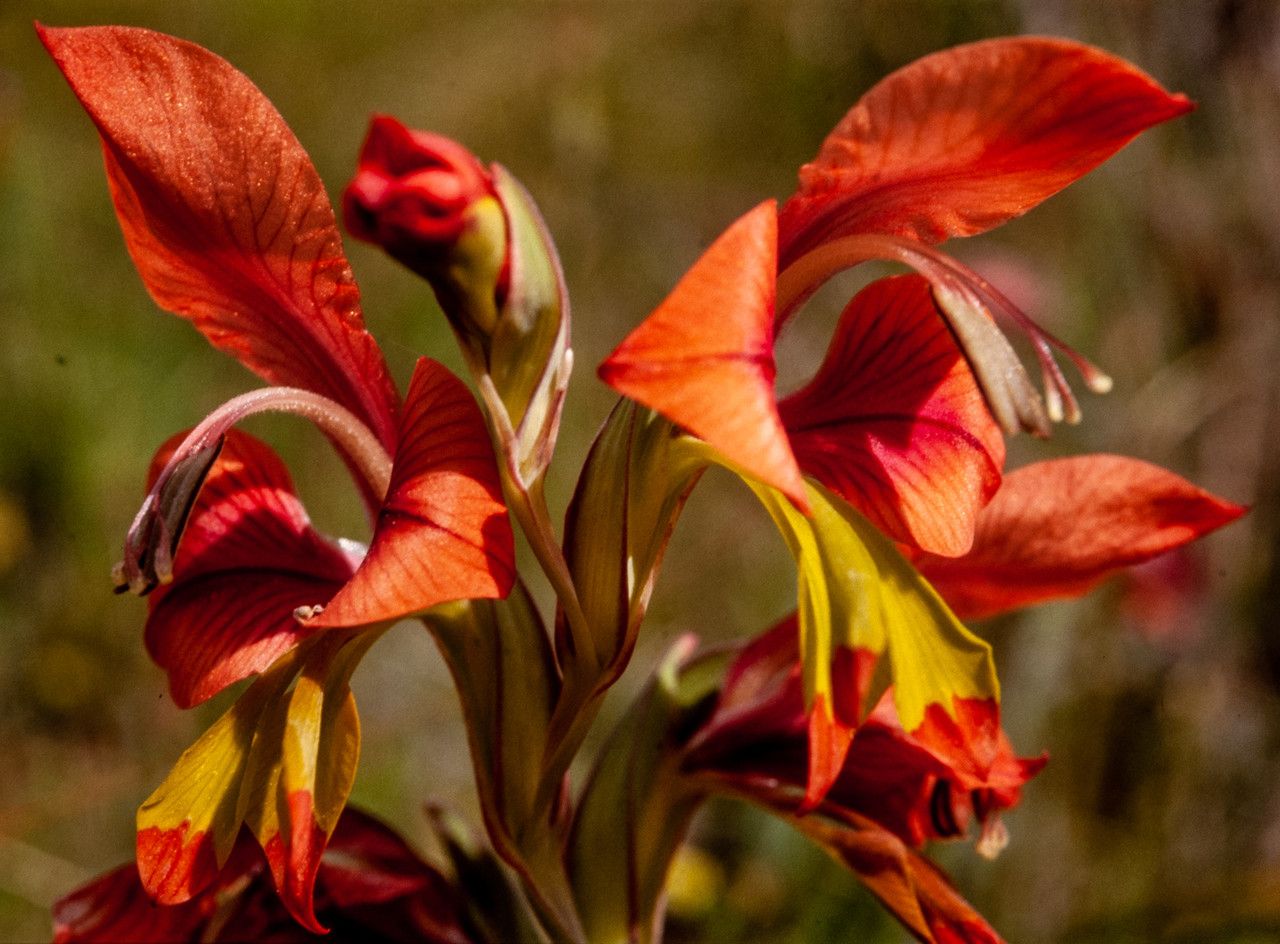
Gladiolus carneus is a plant species in the family Iridaceae.
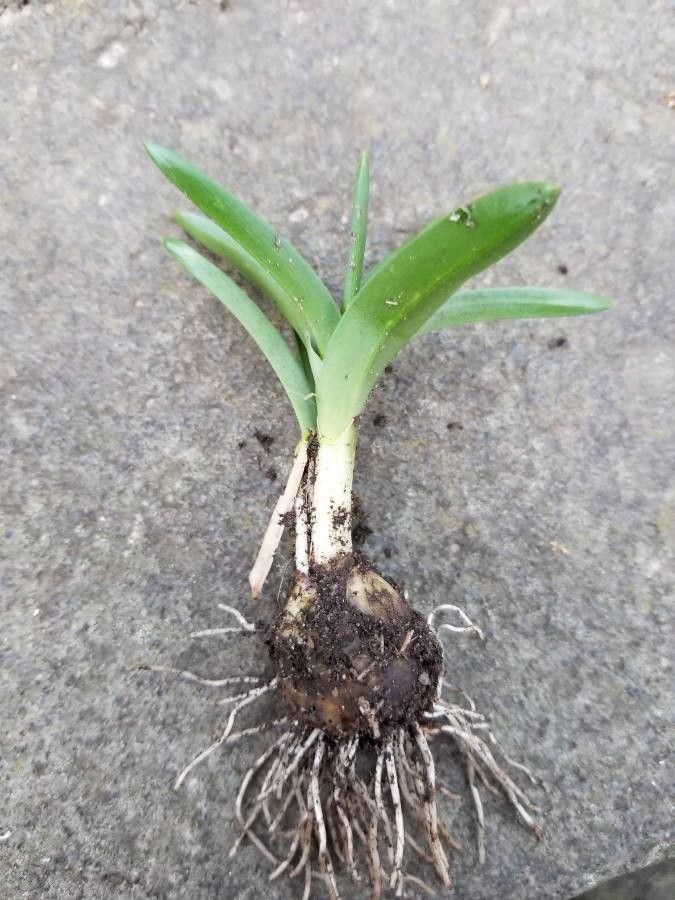
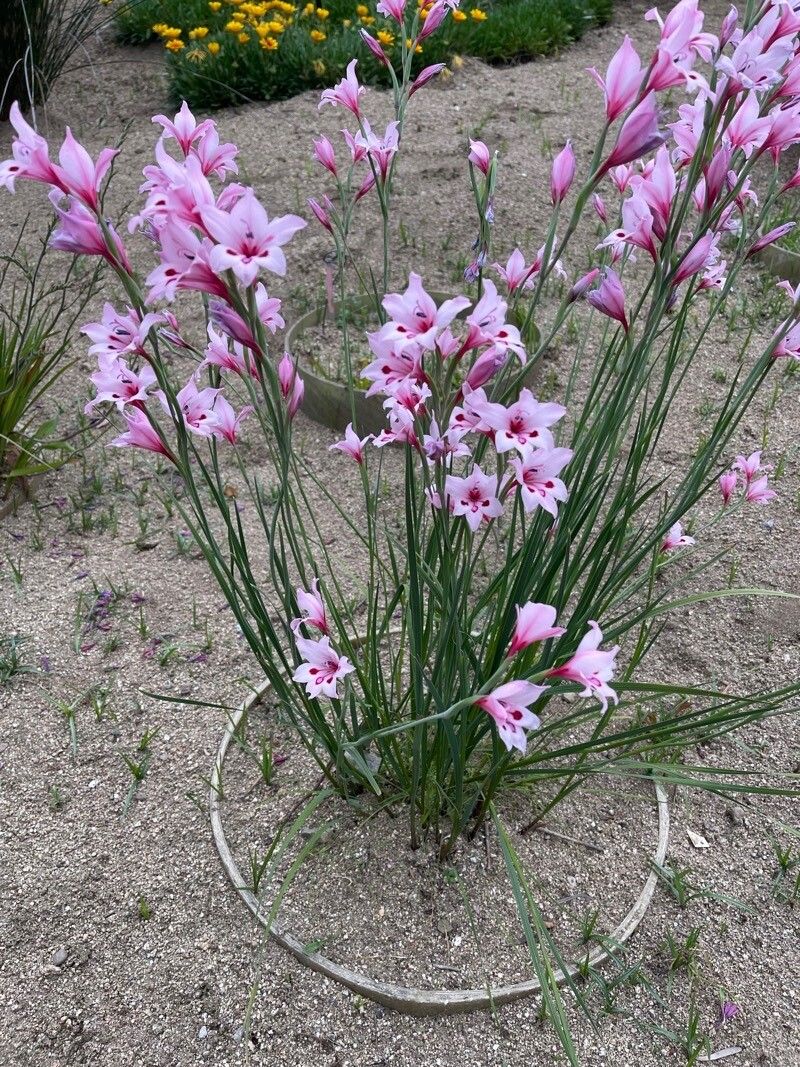
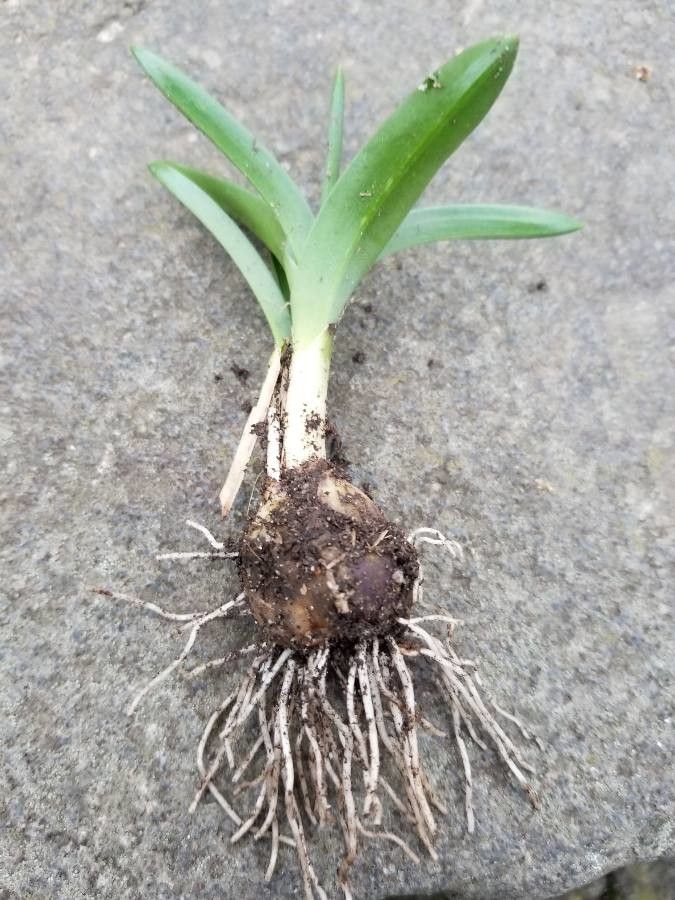
Common name for this plant is Painted Lady Gladiolus. A tunicated corm, it is summer dormant. Native to South Africa in a dry summer - wet winter climate. Grows about 50 cm high. Very ornamental and a good cut flower.
Painted lady has strong resistance to disease and is generally not vulnerable to illnesses. Still, it can be affected by pests and diseases that occur in its environment. Such infections are typically mild. Regarding care, this plant is of medium maintenance. It should be pruned regularly to preserve an attractive appearance and support healthy growth. Applying fertilizer can also encourage flowering. Painted lady is appropriate for anyone with an outdoor area, like a garden or patio, and does not demand extensive gardening experience. It may need more attention if kept indoors.
How to keep Gladiolus Carneus.
Light
The painted lady performs best with plentiful sunlight. It has been established in locations that receive strong light. While it can survive with lower-intensity sun, insufficient light can cause the plant to become stunted. The plant shows its best growth when it gets abundant sunlight.
Water
The Painted Lady plant thrives in areas with moderate rainfall, where there is a balance between moisture and dryness. Although it can tolerate drought conditions, it benefits from being watered once a week. As an evergreen, the Painted Lady retains its leaves throughout the year, allowing it to manage water resources effectively even in less-than-ideal conditions.
Temperature
The Painted lady shows good temperature adaptability, tolerating high heat and wide temperature fluctuations. In hot weather, attention should be paid to watering and suitable shading should be provided to prevent sunburn. However, the Painted lady is relatively sensitive to low temperatures. While it can endure some cold, excessively low temperatures can cause frost damage.
Fertilizer
For Painted lady, the best time to apply fertilizer is early spring when the flowers are forming. Using the proper fertilizer promotes stronger blooms and helps Painted lady produce attractive flowers. Fertilizing in early spring ensures excellent flowering during the season and supplies energy for dormant growth phases.
Pruning
For optimal growth of the painted lady, begin by pruning from early to late spring. Remove spent blooms to encourage growth and limit seed formation. In the fall, cut back any yellowed foliage, making sure to sterilize your tools to prevent disease. This process not only enhances air circulation but also reduces pests and helps ensure a vibrant flowering season the following year.
Pot & Repot
Repot your painted lady plant in early spring, just before its new growth begins. It's recommended to do this every 2-3 years using a container that has proper drainage. After repotting, maintain consistent moisture levels and keep the plant out of direct sunlight to help it recover. Handle the painted lady carefully to preserve its delicate blossoms.
Botanical profile.
- Plant Type
- Herb
- Life Cycle
- Perennial
- Genus
- Gladiolus
- Family
- Iridaceae
- Hardiness Zone
- 8-10
- Mature Height
- 61 cm
- Mature Spread
- 10 cm
- Leaf Color
- Green, Dark Green
- Leaf Type
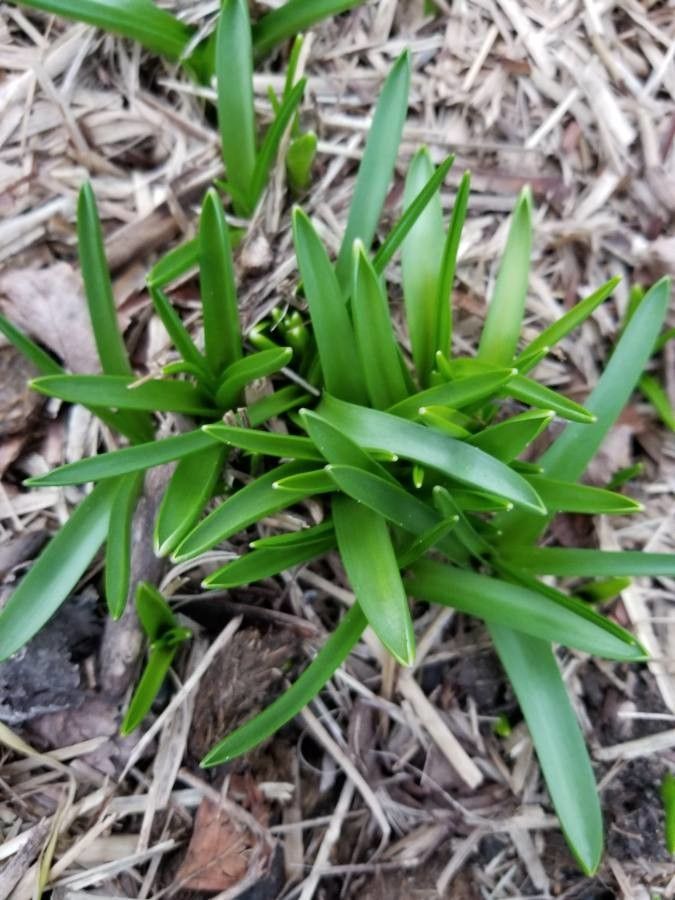
- Semi-evergreen
- Flower Color
- Pink
- Flower Size
- 6.35 cm to 7.62 cm
- Bloom Time
- Mid spring, Late spring
- Planting Time
- Autumn
- Harvest Time
- Early summer, Mid summer
- Native Area
- South Africa
Other names.
Reader questions.
What are the sunlight requirements for a Painted Lady?
The Painted Lady, or Gladiolus carneus, thrives best in full sun, requiring more than 6 hours of sunlight daily for optimal growth. It can also grow in partial sun, which means about 3-6 hours of sunlight each day. Observing how sunlight moves through your garden can help in choosing spots that provide a perfect balance of light and shade, ensuring the well-being of your plants. In areas with insufficient natural light, particularly during winter or in less sunny spaces, the use of artificial lighting can promote healthier, quicker growth. Suitable artificial lighting involves using the right type of light, such as LED lights, at a proper distance and duration to mimic natural sunlight conditions.
What is the botanic name of the Painted Lady?
The botanic name of the Painted Lady is Gladiolus carneus. This name helps distinguish it from other species within the Gladiolus genus and is crucial for gardeners and botanists who seek specific characteristics associated with its unique identity.
What are the signs of insufficient light for a Painted Lady and how can it be addressed?
When a Painted Lady receives inadequate light, several symptoms may appear, including small new leaves, leggy or sparse growth, faster leaf drop, halted or slow new growth, lighter-colored new leaves, chlorosis, sunscald, leaf curling, wilting, and leaf scorching. To address insufficient light, gradually move plants to a sunnier spot to reach at least 6 hours of direct sunlight daily. For indoor plants, consider using artificial light sources like desk or ceiling lamps for at least 8 hours daily, or invest in professional plant grow lights. When adjusting plants to more sunlight, do so gradually to avoid sunburn and ensure new growth post-adjustment will be healthy.
How do you remedy the problems caused by too much sunlight exposure for a Painted Lady?
Problems caused by excessive sunlight exposure, such as chlorosis, sunscald, leaf curling, wilting, and leaf scorching, require adjustments to the plant's exposure to sun. Gradually acclimatizing your plants to the ideal sunlight conditions is key. For indoor plants, ensure they receive at least 6 hours of direct sunlight daily by utilizing a south-facing window or artificial lighting. For outdoor plants, move them to optimal sunlight spots gradually to prevent sunburn. Minimizing obstructions that block sunlight, such as pruning trees, or transplanting smaller plants to sunnier locations with good drainage, can also help alleviate issues related to excessive sunlight.