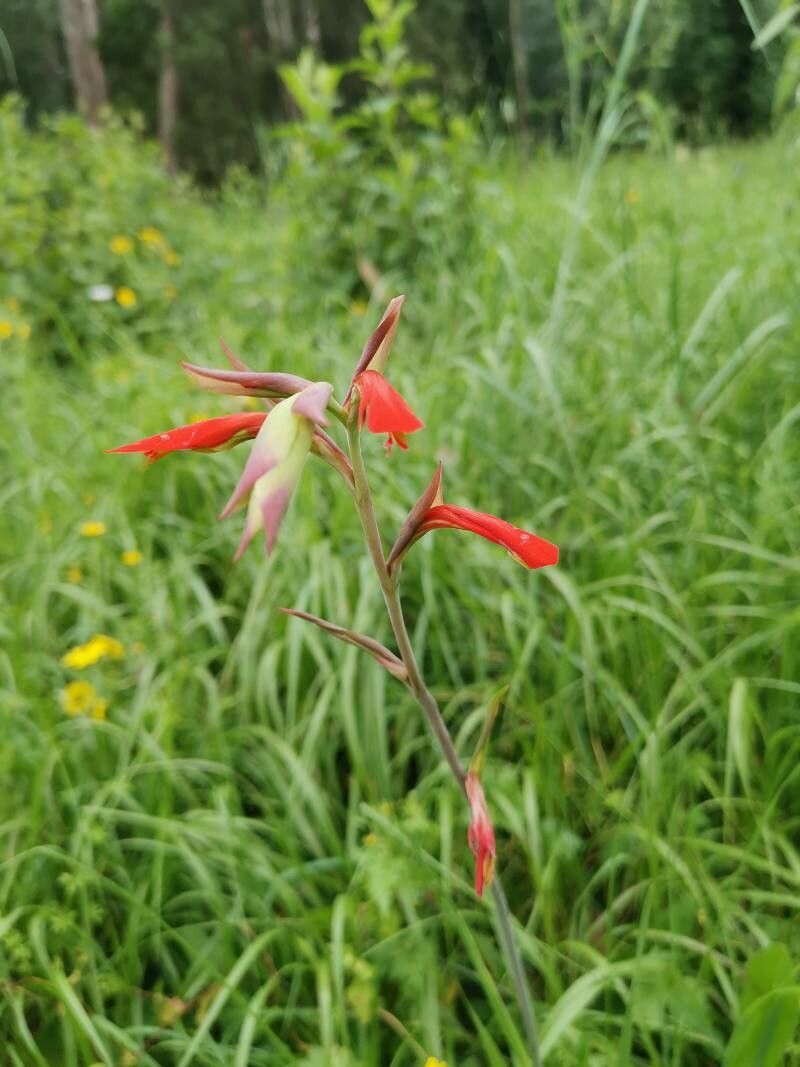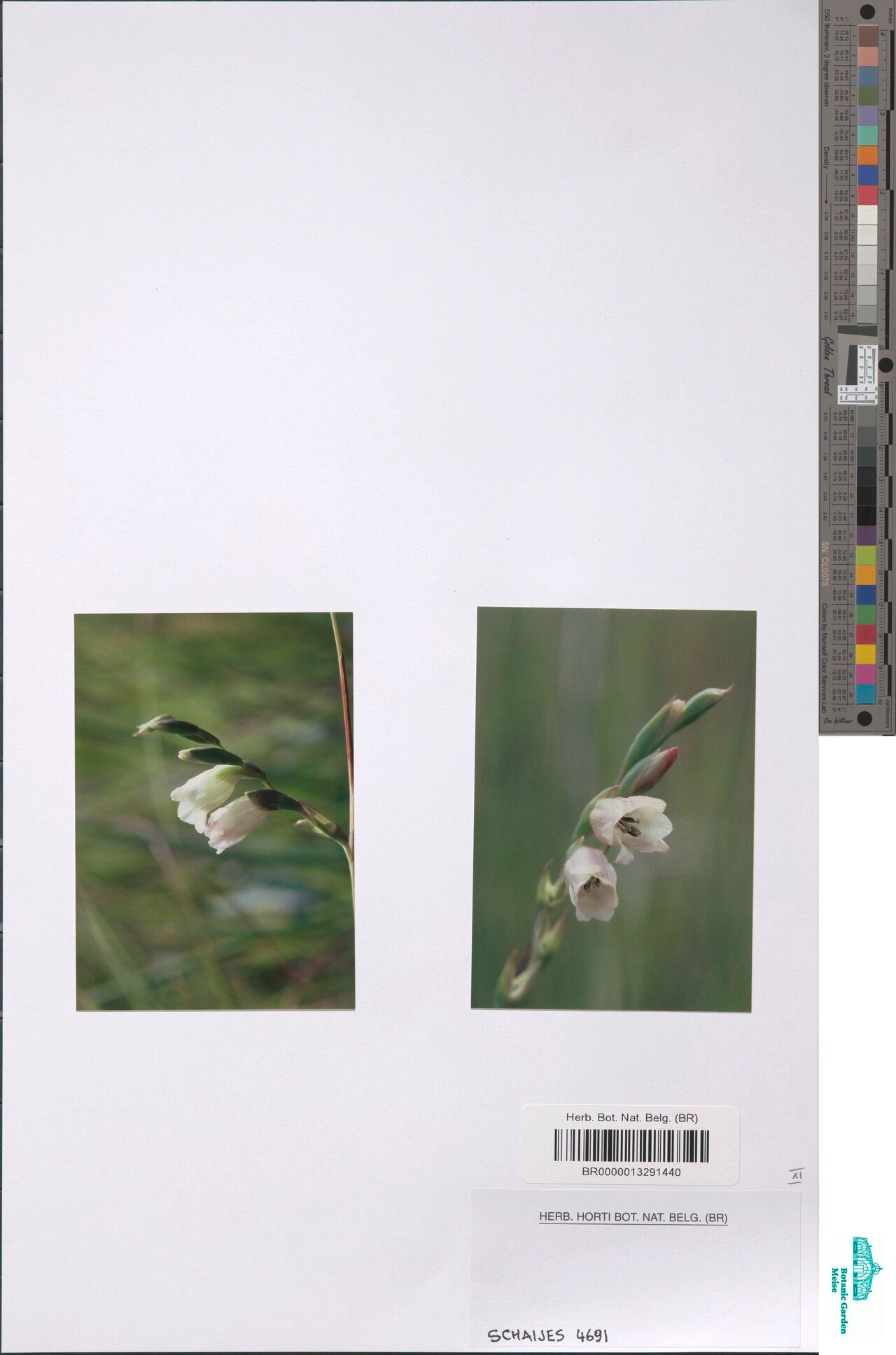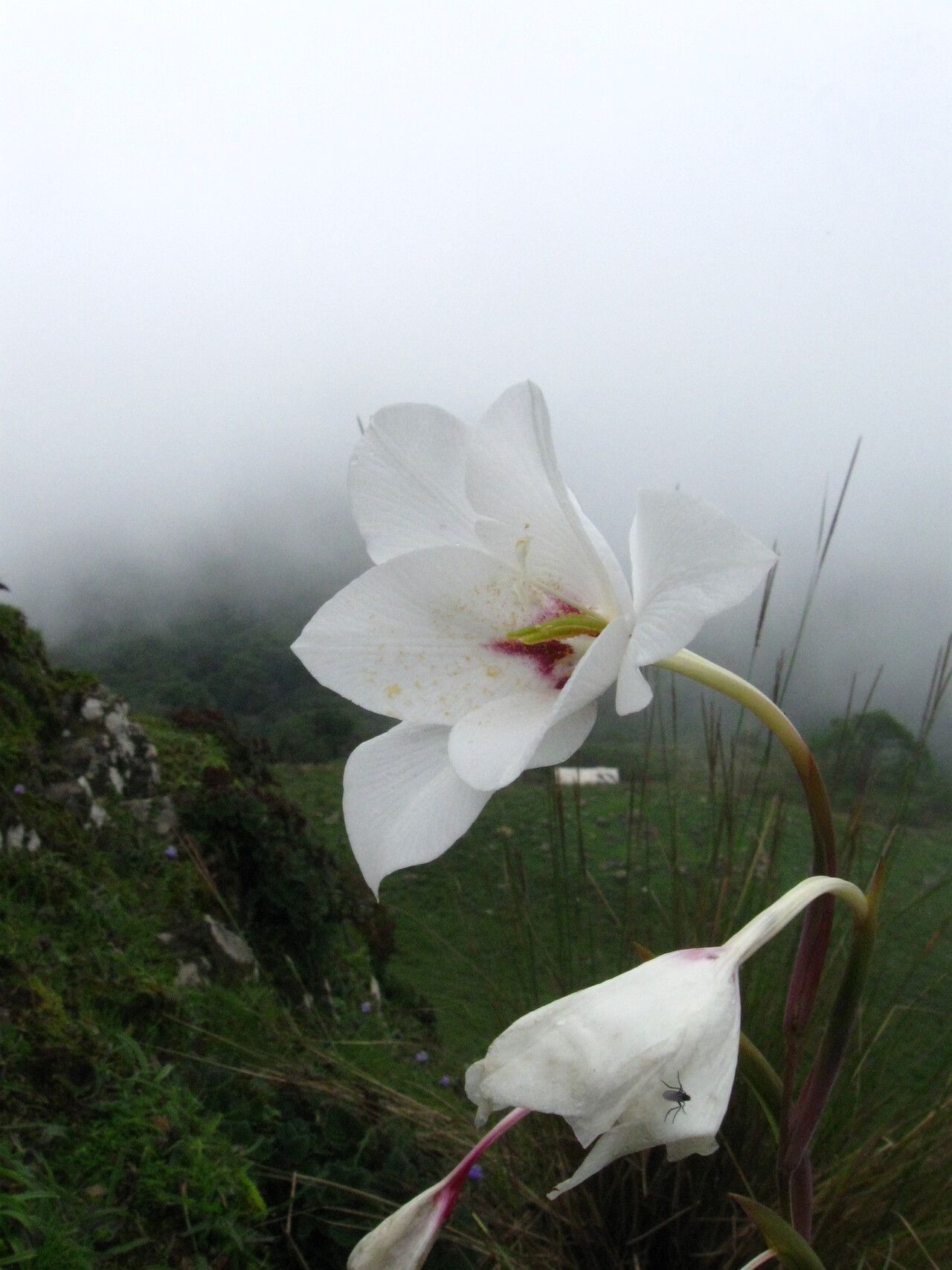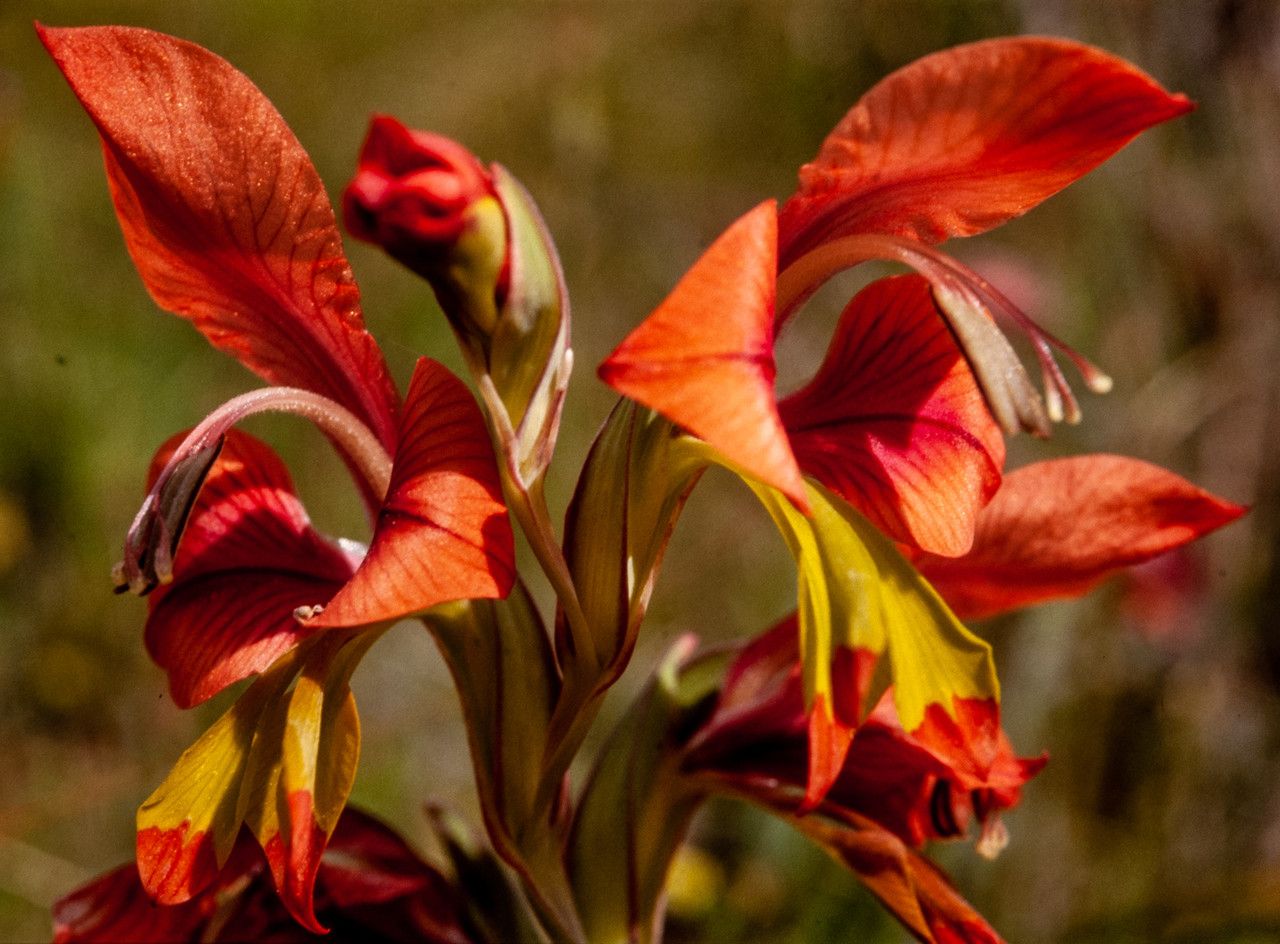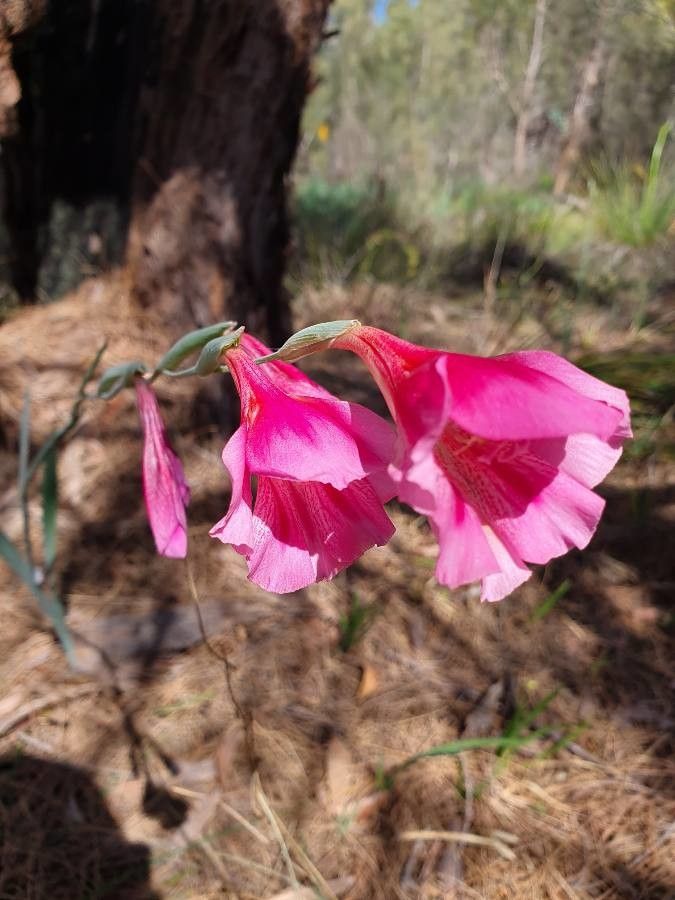
Gladiolus caryophyllaceus is a Gladiolus species native to the Cape Provinces in South Africa. It is a weed in Western Australia.
How to keep Gladiolus Caryophyllaceus.
Water
Water is essential for the health and growth of gladiolus caryophyllaceus flower spikes. These plants require a moderate amount of moisture, needing at least 1 inch (2.5 cm) of water each week. Both too little and too much water can stress the plant, affecting its ability to produce flowers and maintain overall health. To ensure proper soil moisture, it is recommended to water the plants every 7 to 10 days.
Pruning
Gladiolus caryophyllaceus, known for its tall flower spikes, thrives with early spring pruning when new growth begins. To promote better airflow and improved blooming, remove any damaged foliage and spent stems. Always use clean, sharp tools for pruning to encourage strong growth and a vibrant flowering season.
Botanical profile.
Reader questions.
What are the sunlight requirements for Gladiolus caryophyllaceus?
Gladiolus caryophyllaceus requires a specific amount of sunlight to thrive effectively. Full sun exposure, which entails receiving more than 6 hours of direct sunlight daily, is necessary for optimal growth. However, these plants can also tolerate partial sun conditions, where they would receive about 3-6 hours of sunlight each day. It's important to observe the movement of sunlight through your garden to ensure that you're providing the perfect balance of light and shade for your plants, guaranteeing their health and happiness.
What is Gladiolus caryophyllaceus?
Gladiolus caryophyllaceus is a plant species recognized by its botanic name, which is the same as its common name. Detailed information about its essentials, such as general characteristics, content details, and additional facts, as well as its symptoms, were not provided in the data.