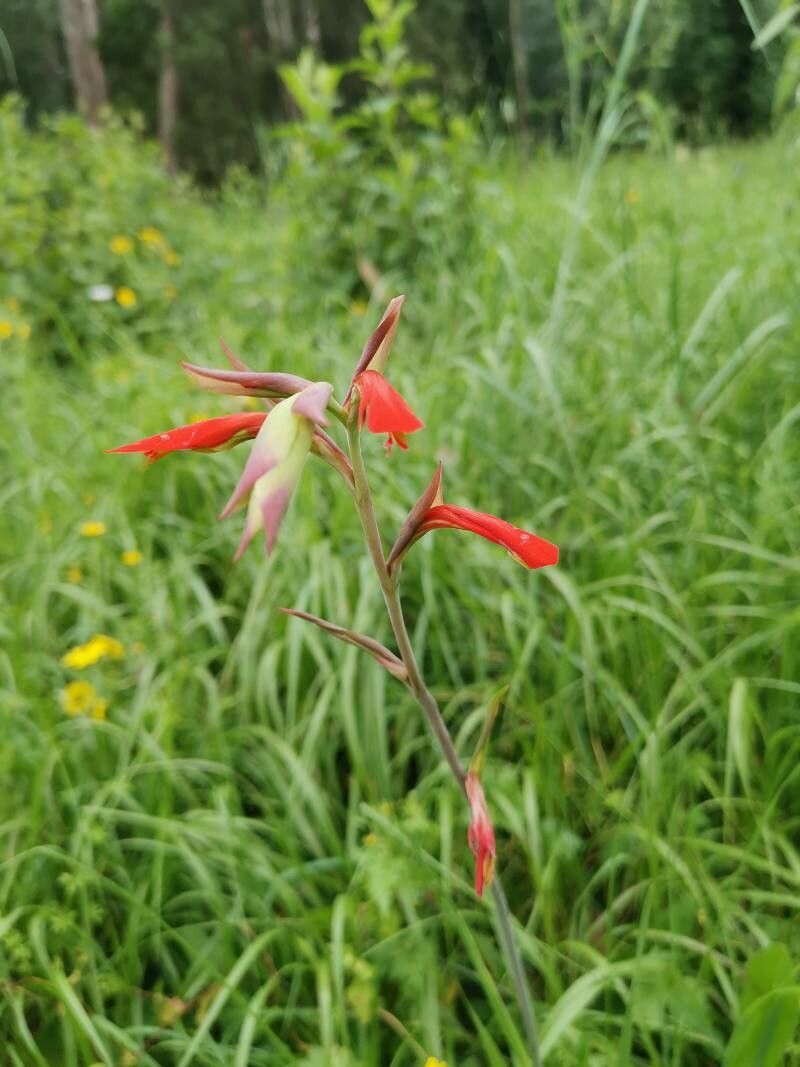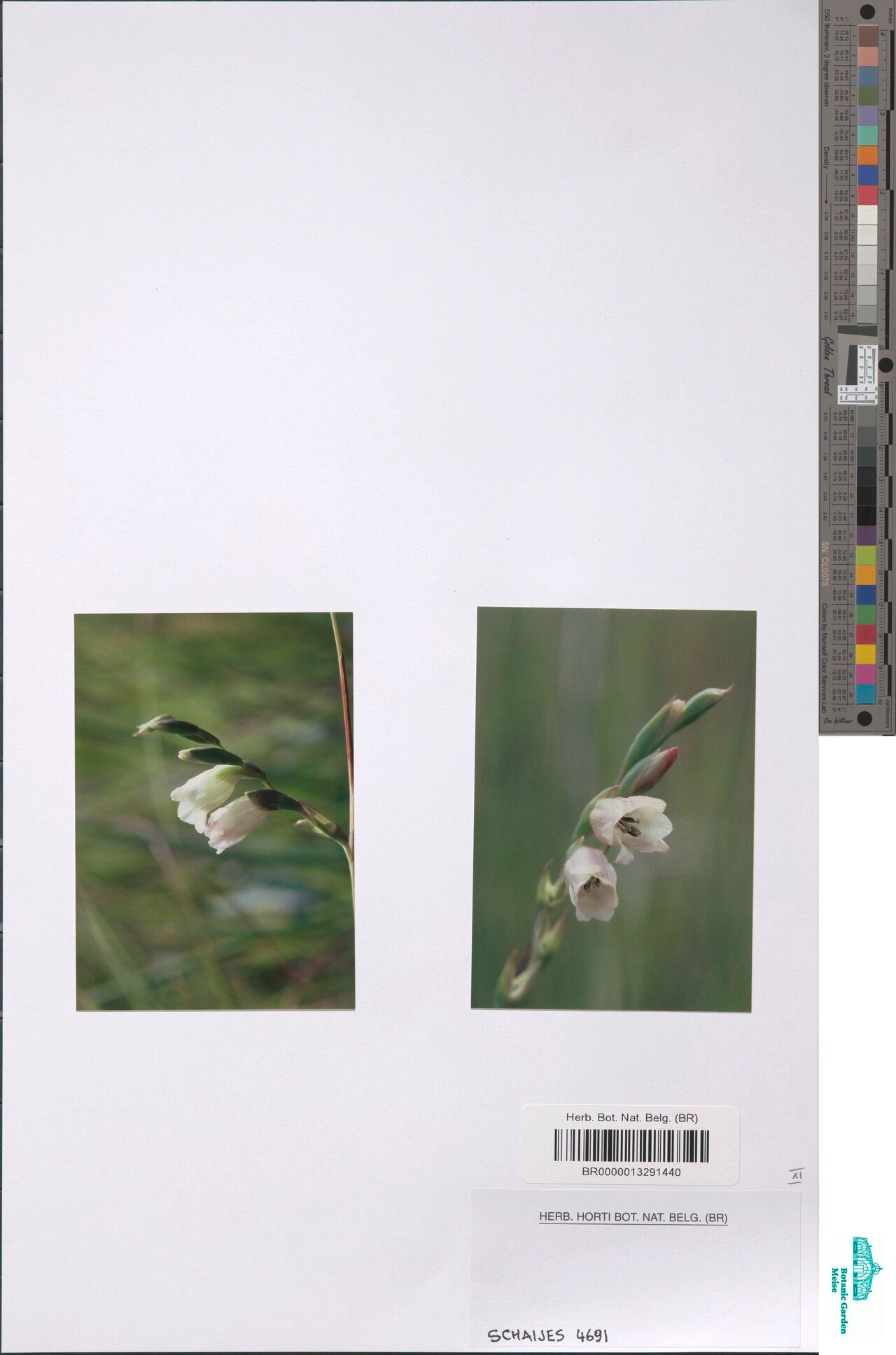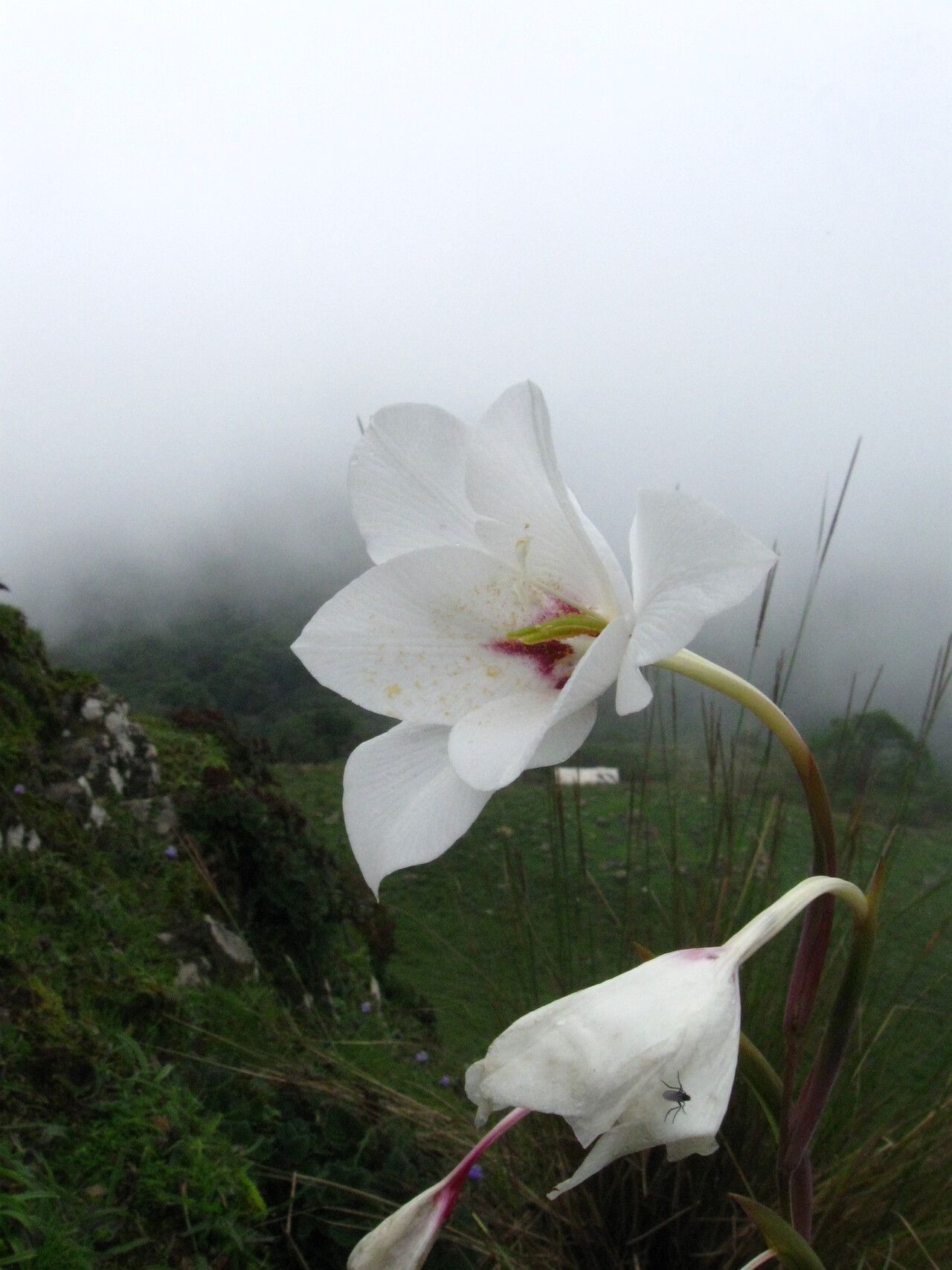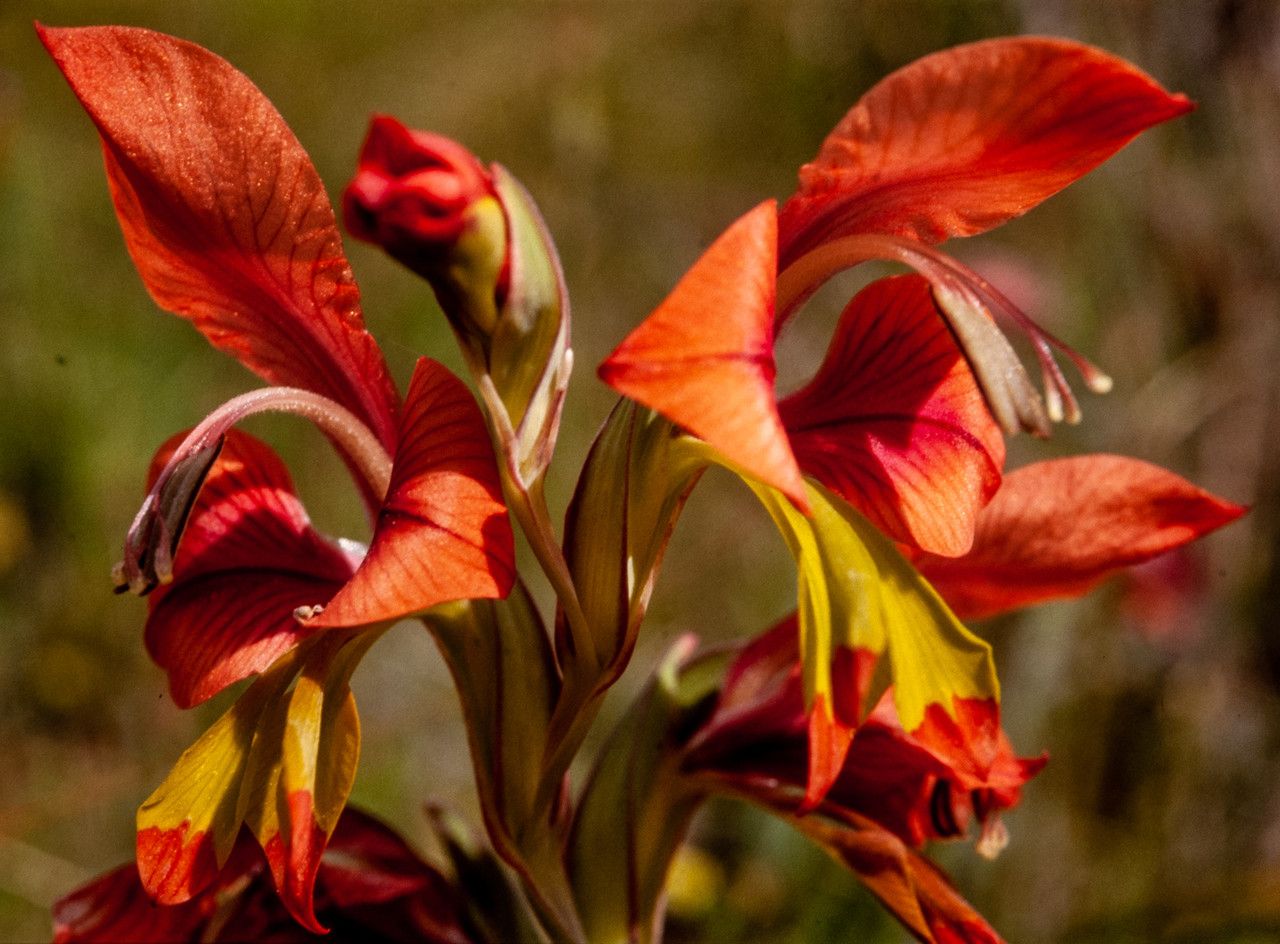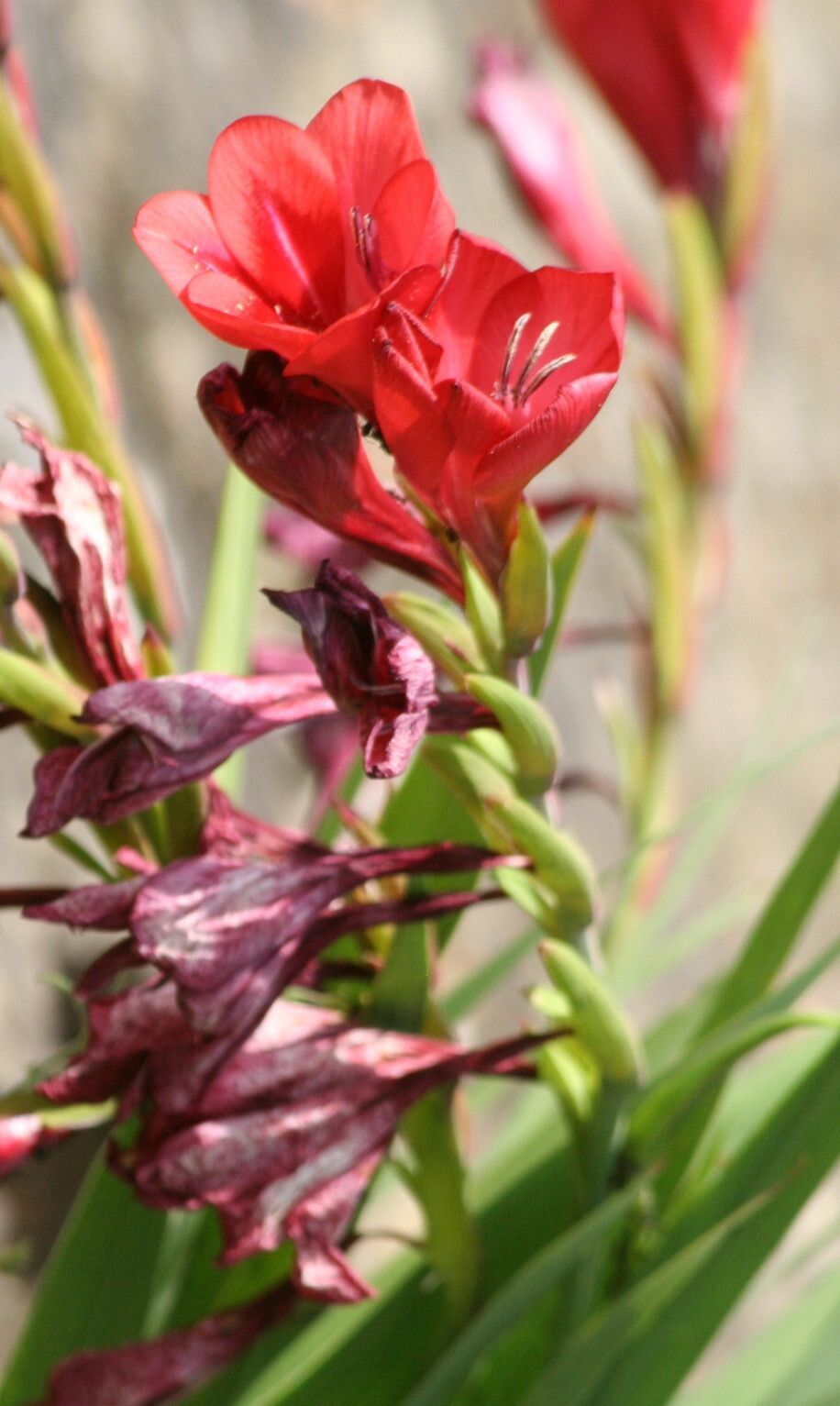
Gladiolus flanaganii is a Gladiolus species found in cliffs of the Drakensberg in KwaZulu-Natal, South Africa.
Suicide lily has strong resistance to disease and is generally not prone to illnesses. Still, it can be vulnerable to pests and diseases present in its environment. These problems are usually minor. Regarding care, this plant requires a moderate amount of maintenance. It should be pruned regularly to keep a good appearance and support healthy growth. Fertilizing can also encourage flowering. Suicide lily is appropriate for anyone with outdoor space, such as a garden or patio, and does not demand extensive care experience. It may need more attention when cultivated indoors.
How to keep Gladiolus Flanaganii.
Light
Suicide lily is a sun-loving perennial herbaceous plant native to open habitats, commonly flourishing in meadows and grasslands. It prefers full sun but can also tolerate partial sun conditions.
Water
The suicide lily thrives best in soil that is consistently moist, but it can also tolerate moderate drought. To ensure optimal growth and flowering, water the plant weekly to maintain moisture levels similar to natural rainfall. When grown outdoors, the suicide lily benefits from regular watering that mimics the conditions of its mountainous origins.
Fertilizer
The best time to feed a Suicide lily is in early spring, as it breaks dormancy and begins active growth. Providing fertilizer supplies essential nutrients for vigorous development. While Suicide lilies do not require heavy fertilization, applying fertilizer once a year can improve their survival and result in healthier, longer-lasting blooms.
Pruning
The Suicide Lily is known for its vibrant, tall blooms. To promote healthy growth, prune dead or damaged foliage in early spring. Once the flowering period is over, cut back the spent stems and yellowing leaves to help the plant direct its energy back to the bulb. Regular pruning helps reduce the risk of disease and supports a beautiful display of blooms. Always use clean, sharp tools for the best results.
Pot & Repot
To support the growth of suicide lilies, repot them every 2-3 years during the spring. Use a larger pot filled with well-draining soil. Water the plant moderately and ensure it has plenty of space; avoid overcrowding for optimal health. After repotting, handle the suicide lily gently to aid its recovery.
Botanical profile.
- Plant Type
- Herb
- Life Cycle
- Perennial
- Genus
- Gladiolus
- Family
- Iridaceae
- Hardiness Zone
- 7-10
- Mature Height
- 40 cm
- Mature Spread
- 20 cm
- Leaf Color
- Green
- Leaf Type
- Deciduous
- Flower Color
- Red
- Flower Size
- 7.62 cm to 10.16 cm
- Bloom Time
- Early summer, Mid summer
- Planting Time
- Spring, Summer
- Harvest Time
- Late summer, Early fall
- Native Area
- South Africa, Lesotho