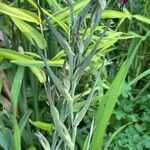
Gladiolus italicus
گلایل صحرایی · Field gladiolus · Common sword-lily · Italian Gladiolus · Cornfield Gladiolus
Description
Source: leafsnapGladiolus italicus, commonly known as the Italian gladiolus, is a perennial flowering plant that belongs to the Iridaceae family. Native to the Mediterranean region, it thrives in rocky areas, meadows, and open woodlands. This plant features tall spikes adorned with striking flowers that bloom in late spring or early summer. The blossoms are typically pink or purple with white markings on the lower petals, boasting a distinctive funnel-shaped appearance. The leaves are long, narrow, and sword-like in shape. Growing Gladiolus italicus is straightforward, as it prefers well-drained soil and full sun exposure. It can be propagated by dividing its corms in either autumn or spring. Historically, the plant has been used medicinally for centuries due to its anti-inflammatory properties. Additionally, its beautiful flowers make it a popular choice among gardeners as an ornamental plant. In summary, Gladiolus italicus is an attractive perennial that adds color and visual interest to any garden. Furthermore, it offers potential health benefits through its traditional medicinal uses.
🌳 Notably, the growth of field gladiolus is linked to particular soil characteristics, and its presence can signal elevated concentrations of certain metals in the soil, such as copper. This makes it useful to environmental scientists and agronomists as a bioindicator, offering information about soil health and the potential for metals to bioaccumulate in the ecosystem.
Care Guide
💧 Water Every 7 days
Field gladiolus thrives in well-drained soil and requires moderate weekly watering, which reflects its Mediterranean origins. It prefers full sun and benefits from seasonal rains during its active growth period in spring and early summer. This helps maintain the right balance of moisture without the soil becoming waterlogged.
How should I water my Field gladiolus?
To properly water the Field gladiolus, it is recommended to use filtered water at room temperature or slightly warmer. This is because tap water may have harmful particles for the plant. Cold water can shock the plant since it naturally grows in warm environments. It is also important to avoid overhead watering to prevent issues with the foliage. Instead, you should soak the soil with filtered room temperature water until it is fully saturated. This method benefits the plant by providing moisture to the roots and aiding in nutrient absorption.
What should I do if I give my Field gladiolus too much or too little water?
Overwatering is a more common problem than underwatering for Field gladiolus plants. If the plant receives too much water, the stems and leaves can wilt and turn yellow. Overwatering for a long time can also cause diseases like root rot, mold, and mildew, which can kill the plant. Although Field gladiolus plants can tolerate drought, underwatering can still happen, and you will notice brittle and brown leaves. To care for your Field gladiolus, it's important to recognize the signs of overwatering early on. Some diseases caused by overwatering, like root rot, cannot be fixed if you wait too long. If you see early signs of overwatering, reduce your watering schedule and check the soil's drainage. If the soil drains poorly, replace it with a loose, well-draining potting mix. On the other hand, if you observe signs of underwatering, simply water the plant more regularly until the signs improve.
How often should I give water to my Field gladiolus?
If your Field gladiolus is in a pot, the most precise way to determine if it needs water is by checking the soil. Stick your finger into the soil and if you feel that the top two to three inches are dry, it's time to water it. If you're growing your Field gladiolus outdoors in the ground, you can use a similar method to test the soil. Once the first few inches of soil have dried out, it's time to water. Typically, during the spring and early fall, you'll need to water the plant about once a week using this method. However, in extremely hot weather, you may need to increase watering to about twice or more per week. It's worth noting that mature, well-established Field gladiolus plants can withstand drought quite well.
How much water does my Field gladiolus plant need?
To water your Field gladiolus effectively, don't be afraid to give it a good amount of water. Make sure the top two to three inches of soil are dry before watering. Give it enough water to completely soak the soil, but not so much that it accumulates and sits stagnant. Ideally, you should see excess water draining out of the pot through the drainage holes. If you don't see any water draining, you likely haven't watered enough. On the other hand, if water is not draining, it could indicate poorly draining soil, which is not good for the plant's health. If the plant is outdoors, 1 inch of rainfall per week should be enough.
How do I water my Field gladiolus at different times when it is growing?
The water needs of the Field gladiolus can vary depending on its growth stages. When the plant is young or newly transplanted, it requires more water due to its focus on establishing new roots for future growth. These newly developed roots need extra moisture compared to more mature phases. As the plant ages, it will require less water. Additionally, during the bloom period, the flower development process consumes a significant amount of moisture, so you may need to give the plant more water at this time.
☀️ Light Full sun
Field gladiolus grows best in abundant sunlight, absorbing plenty of light that drives its development. Native to areas with unobstructed sun, it is adapted to bright, sunlit environments. Too little light can inhibit growth, while too much can cause leaf discoloration and burning. It does not tolerate shade well and does not require gradual exposure to sunlight.
What are the sunlight requirements for Field Gladiolus?
Field Gladiolus thrives best in full sun, requiring more than 6 hours of sunlight daily to fuel its growth. It originates from habitats with unobstructed sun exposure, making it well-adapted to sun-drenched settings. However, it is important to provide a balance as insufficient light can stunt the plant's growth, while excessive exposure may cause leaf discoloration and burn. Partial sun, about 3-6 hours of sunlight, is also acceptable to some extent. Notably, these plants do not tolerate shade well, nor do they need a gradated exposure to sunshine. Observing how sunlight moves through your garden can help in choosing spots that ensure an ideal balance of light and shade for the happiness of your plants.
How can artificial lighting be used for indoor Field Gladiolus?
Indoor Field Gladiolus plants require adequate lighting for optimal growth, especially when natural sunlight is insufficient, like in winter or less sunny spaces. Artificial lights can be a vital solution, promoting faster, healthier growth. For the best results, use LED lights as they can be customized to provide specific wavelengths of light needed by plants. Full sun plants need 30-50W/sq ft of artificial light, partial sun plants require 20-30W/sq ft, and full shade plants need 10-20W/sq ft. The light source should be placed 12-36 inches above the plant to mimic natural sunlight, and most plants need 8-12 hours of light per day to mimic the natural daylight hours for your plant species.
What are the symptoms of inadequate light for Field Gladiolus?
Symptoms of inadequate light in Field Gladiolus include smaller new leaves compared to older ones, leggy or sparse growth due to longer spaces between leaves or stems, faster leaf drop as plants shed older leaves early to conserve resources, and slower or no new growth indicating a survival mode due to poor light conditions. Additionally, lighter-colored new leaves and symptoms such as chlorosis (leaves turning yellow due to a lack of chlorophyll), sunscald (damaged leaves or stems from intense sunlight), leaf curling (as a defense mechanism to reduce surface area exposed to sunlight), wilting (loss of turgor pressure causing drooping), and leaf scorching (brown, dry edges on leaves due to excessive sunlight) can also indicate inappropriate light exposure.
What solutions can help Field Gladiolus receive adequate sunlight?
To ensure optimal light exposure for Field Gladiolus, gradually moving plants to a sunnier location each week until they get at least 6 hours of direct sunlight daily is beneficial. Using a south-facing window and keeping curtains open during the day can maximize sunlight exposure for indoor plants. For plants that are large or not easy to move, consider artificial lighting, keeping a desk, ceiling lamp on for at least 8 hours daily, or investing in professional plant grow lights. Outdoors, avoid sudden changes in light intensity to prevent sunburn. For plants grounded outdoors, reducing obstructions by pruning trees or transplanting smaller plants during their dormant period to a sunnier location with good drainage can help. It's important to note that parts of the plant affected by insufficient sunlight may not recover, but new growth will be healthy with improved light.
🌡️ Temperature 0–37.8°C
Field gladiolus originates from temperate regions and needs temperatures between 32 and 100 °F (0 to 38 ℃) to grow well. Optimal conditions are maintained by giving warmer temperatures in summer and cooler temperatures in winter.
What are the ideal temperature conditions for growing field gladiolus?
Field gladiolus thrives in a temperature range from 32 to 100 °F (0 to 38 °C), native to temperate regions. For optimal growth, it's important to provide warmer conditions during the summer and cooler ones throughout the winter. The plant exhibits strong cold resistance, minimizing the need for special frost protection measures in most cases.
How should field gladiolus be protected in extremely low temperatures?
In instances where winter temperatures are anticipated to plummet below -40°C, protective measures are essential for field gladiolus. Ensuring the soil around the plant is well-covered with materials like soil or straw can offer adequate cold protection. Additionally, watering the plant abundantly before the first freeze in autumn helps keep the soil moist, which is crucial for preventing drought and water scarcity during the colder months and early spring.
What are the symptoms of field gladiolus being exposed to temperatures below its cold tolerance?
Field gladiolus is adept at withstanding cold but prefers temperatures above 0°C. When winter temperatures fall below -35°C, the plant may not exhibit noticeable changes immediately; however, a decline in spring sprouting, or a complete lack of sprouting, can occur if temperatures reach below -40°C. The recommended solution for affected plants is to remove any non-sprouting parts come spring.
How does high temperature affect field gladiolus, and what are the recommended solutions?
During the summer months, it's crucial to keep the field gladiolus below 38°C. Exposure to temperatures above 43°C can lead to lighter-colored leaves, an increased tendency to curl, susceptibility to sunburn, and, in severe cases, complete wilting and drying of the plant. To mitigate these issues, sunburned and dried parts of the plant should be trimmed away. Relocating the plant to a shaded area or using a shade cloth during the midday and afternoon sun can provide relief. Additionally, watering the plant during the cooler morning and evening hours helps maintain soil moisture.
💨 Humidity
🪴 Soil 6-7
🌱 Fertilizer
The best time to fertilize a Field gladiolus is in early spring, when it is coming out of dormancy and starting active growth. Fertilization supplies essential nutrients for healthy development. Although Field gladiolus has relatively low fertilizer requirements, applying fertilizer annually can improve its survival and encourage better, longer-lasting flowers.
Why should I put fertilizer on my Field gladiolus?
Fertilization plays a vital role in the growth of Field gladiolus and other plants. It supplies essential nutrients for both above and below ground growth. While Field gladiolus generally has low fertilization requirements and can survive without it, annual fertilization can greatly benefit the plant. It not only helps the plant stay healthy but also enhances the quality and longevity of its flowers. Therefore, individuals looking to improve the appearance of their Field gladiolus should prioritize annual fertilization.
When should I fertilize my Field gladiolus plants?
The best time to fertilize a Field gladiolus is in the late winter to early spring, when it is transitioning from dormancy to active growth. Fertilizing during this time promotes healthy growth and sets the plant up for a good season. While spring is generally the best time, it is also acceptable to fertilize in the fall. However, it is not recommended to fertilize in the summer or winter.
When is the best time to not fertilize my Field gladiolus?
To properly care for your Field gladiolus, it is important to only fertilize during late winter and early spring. This plant has low fertilization requirements, so one annual feeding is enough. Fertilizing during spring, summer, and fall can lead to overfertilization and its associated complications. The exception to this is if you didn't fertilize in spring, in which case it is acceptable to feed the plant in fall. Additionally, there is no need to fertilize during winter. During this time, the Field gladiolus is in a dormant phase and does not experience new growth, making fertilization inadvisable.
What kind of fertilizer should I use for my Field gladiolus?
For a Field gladiolus, any general-purpose fertilizer with balanced nutrients will work well. However, some nutrient blends can be even more beneficial. Many gardeners believe that a higher amount of phosphorus leads to stronger roots and better flowers. Therefore, applying a fertilizer rich in phosphorus may be the best approach for flowering plants like the Field gladiolus. Whether it is a granular or liquid form, ensure that the fertilizer contains plenty of nutrients. Apart from manufactured fertilizers, using organic methods like compost or manure can greatly improve the soil quality for your Field gladiolus.
How can I add fertilizer to my Field gladiolus?
One way to fertilize Field gladiolus is by using granular or pellet fertilizer. It is important to apply the fertilizer around the plant when it is transitioning from its winter dormant phase to active growth. In early spring, wait for the plant to start sending shoots through the soil before applying the fertilizer. Alternatively, you can use liquid fertilizer, but make sure to dilute it with water before applying. Whether you use granular or liquid fertilizer, it is recommended to moisten the soil before, during, and after applying the fertilizer.
🪴 Pot & Repot
✂️ Pruning
Field gladiolus requires minimal pruning to thrive. In early spring, remove any dead leaves to promote new growth. Deadhead spent flowers to encourage further blooming. Wait until late spring to cut back the foliage, allowing the plant to maintain its energy reserves. Regular pruning improves airflow and reduces the risk of disease.
🌿 Propagating
🐛 Diseases & pets
☠️ Toxicity
Though the blooms of the sword lily are sometimes used in dishes, some parts of these Glads are hazardous. The most noxious bits of the Gladiolus blooms are the bulbs. When ingested, they can cause seizures, vomiting, diarrhea, slow heartbeat, and stomach upset.
Characteristics
- Plant Type
- Herb
- Life Cycle
- Perennial
- Genus
- Gladiolus
- Family
- Iridaceae
- Hardiness Zone
- 2-11
- Mature Height
- 49 cm to 91 cm
- Mature Spread
- 10 cm to 15 cm
- Leaf Color
- Green, Blue
- Leaf Type
- Deciduous
- Flower Color
- Pink, Red, Purple
- Flower Size
- 1.02 cm to 1.27 cm
- Bloom Time
- Late spring, Early summer
- Planting Time
- Spring, Summer
- Harvest Time
- Mid summer
- Native Area
- Libya, Egypt, Turkey, Montenegro, Pakistan, Slovenia, Morocco, Croatia, Uzbekistan, Russia, Iraq, Romania, Portugal, France, Saudi Arabia, Tajikistan, Tunisia, Cyprus, Bulgaria, Armenia, Greece, Lebanon, Serbia, Afghanistan, Syria, Italy, Spain, Switzerland, Iran, Albania, Azerbaijan, Algeria, Kuwait, Turkmenistan