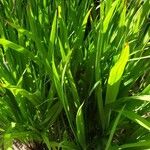
Gladiolus murielae
Acidanthera · Abyssinian gladiolus · Peacock Flower
Description
Source: leafsnapGladiolus murielae is a species of flowering plant in the family Iridaceae, native to eastern Africa, from Ethiopia to Malawi. It has been given a number of English names, including Abyssinian gladiolus and fragrant gladiolus. It was formerly placed in the genus Acidanthera.It is a cormous perennial growing to 70–100 cm (28–39 in) tall, with linear leaves and in late summer, numerous fragrant white flowers with a maroon (occasionally orange) blotch in the throat, on slender nodding stems. Widely cultivated, it is a common subject in western and southern European gardens, where the corms are lifted every year and stored in frost-free conditions.This plant has gained the Royal Horticultural Society's Award of Garden Merit.Hardiness: Zones 7–10 (6b with deep planting and mulching)
Care Guide
💧 Water
Acidanthera thrives in tropical environments where humidity is consistent and moisture levels are regularly maintained. Although it can tolerate moderate drought conditions, it grows best with weekly watering. To promote healthy growth, cultivators should keep the soil moist but avoid waterlogging. Natural rainfall can be beneficial during its active growing season.
How should I water my Acidanthera plant?
To best care for the Acidanthera plant, it is recommended to use filtered water at room temperature or slightly warmer. Tap water may contain harmful particles, so filtering is important. Since the Acidanthera is accustomed to warmer environments, cold water should be avoided as it can be a shock to the plant. Additionally, overhead watering should be avoided as it can lead to foliage issues. Instead, it is advised to soak the soil with filtered room temperature water until it is completely saturated. This helps to moisturize the roots and support their growth and nutrient absorption.
What do I need to do if I give my Acidanthera plant too much or too little water?
Overwatering is a more common issue than underwatering for Acidanthera. When overwatered, its stems and leaves wilt and turn yellow. Prolonged overwatering can lead to root rot, mold, and mildew, which can kill the plant. Acidanthera is drought-tolerant but still susceptible to underwatering, which causes brittle, brown leaves. It's important to detect signs of overwatering early to prevent irreversible damage like root rot. Reduce watering if overwatering signs appear and check the soil's drainage. Replace poorly draining soil with loose, well-draining potting mix. If the plant lacks water, increase watering until symptoms improve.
How frequently do I need to water my Acidanthera?
If you have your Acidanthera plant in a pot, the most accurate way to determine if it needs water is by sticking your finger into the soil. If you find that the top two to three inches of soil are dry, it's time to water it. Similarly, if you're growing your Acidanthera outdoors in the ground, you can use the same method to test the soil. Once again, if the top few inches of soil have dried out, it's time to water. Usually, during spring and early fall, you'll need to water this plant about once a week using this method. However, in extremely hot weather, you may need to water it twice a week or even more. Having said that, mature and well-established Acidanthera plants have shown a remarkable ability to withstand drought.
How much water does my Acidanthera plant need?
When watering your Acidanthera plant, it's important to be generous with the amount of water you provide. Make sure the top two to three inches of soil are dry before watering thoroughly. The goal is to completely saturate the soil, allowing excess water to drain through the pot's drainage holes. If you don't see any excess water draining, it means you haven't watered enough. However, avoid letting water accumulate in the soil as it can harm the plant. On the other hand, if water doesn't drain easily, it means the soil is poorly draining and can negatively affect the plant's health. If the plant is outdoors, one inch of rainfall per week should be enough.
How should I water my Acidanthera at different times it is growing?
The water needs of the Acidanthera plant can change depending on its growth stages. When the plant is in its first few years or has just been transplanted, it will require more water than usual. During these stages, the Acidanthera expends a lot of energy on developing new roots, which need extra moisture to support future growth. Once the plant has matured after a few seasons, it will require less water. Another growth stage that may require more water is the blooming period. During this time, the development of flowers consumes a significant amount of moisture, so you may need to provide additional water for the Acidanthera.
☀️ Light Full sun
Acidanthera does best when it gets abundant sunlight all day long. The sun's energy is essential for its healthy growth and development. Insufficient sunlight can slow its growth, while too much may damage its foliage. In its natural habitat it grows with plenty of sun exposure.
What are the sunlight requirements for Acidanthera?
Acidanthera, also known as Gladiolus murielae, thrives best in full sun conditions, requiring more than 6 hours of sunlight a day for optimal growth and development. However, it can also tolerate partial sun, which is about 3-6 hours of sunlight daily. It's important to observe how sunlight moves through your garden to find spots that offer a perfect balance of light and shade, ensuring your plants' happiness. In its native habitat, Acidanthera grows under plentiful sun exposure. Lack of sufficient sunlight can hinder its growth, and too much direct sunlight without proper acclimatization can potentially damage its foliage.
How can artificial lighting be used for Acidanthera grown indoors?
For Acidanthera plants grown indoors, where natural sunlight might be insufficient, especially during winter or in less sunny spaces, artificial lighting offers a vital solution for promoting faster, healthier growth. LED lights are a popular choice because they can provide the specific wavelengths of light needed by the plants. Full sun plants require 30-50W/sq ft of artificial light, partial sun plants need 20-30W/sq ft, and full shade plants need 10-20W/sq ft. The light source should be placed 12-36 inches above the plants to mimic natural sunlight. Most plants will thrive with 8-12 hours of artificial light per day, aiming to replicate natural daylight hours as closely as possible.
What are the common symptoms of improper lighting for Acidanthera?
When Acidanthera is exposed to inadequate lighting, it may exhibit several symptoms indicative of light deficiency. These include the growth of smaller new leaves compared to older ones, leggy or sparse growth, premature leaf drop, slower or stopped new growth, lighter-colored new leaves indicating a lack of chlorophyll, and even chlorosis where leaves lose their green color. Excessive sunlight exposure can cause symptoms like sunscald, leaf curling as a defense mechanism against water loss, wilting due to increased transpiration, and leaf scorching characterized by brown, dry, and crispy leaf edges. These symptoms highlight the importance of providing Acidanthera with the right amount of sunlight it needs to thrive.
How can you provide the best sunlight conditions for Acidanthera, both indoors and outdoors?
To ensure Acidanthera receives optimal sunlight, gradually acclimatize your plants to sunnier locations. For indoor plants, move them each week a bit closer to a south-facing window, ensuring they receive at least 6 hours of direct sunlight daily. Keep curtains open during the day for maximum exposure. If natural light is insufficient, consider using artificial light, keeping a lamp on for at least 8 hours daily or investing in professional plant grow lights. Outdoors, carefully move your plants to sunnier spots each week to avoid sunburn, allowing them to adapt to the change in light intensity. If sunlight is obstructed by trees or buildings, consider pruning or relocating smaller plants to areas with better sunlight and drainage. Remember that parts of the plant already affected by poor lighting may not recover, but new growth should be healthy with improved lighting conditions.
🌡️ Temperature 10–35°C
Acidanthera tolerates temperature well, able to endure high heat and considerable temperature fluctuations. In hot weather, attention should be paid to watering and providing adequate shade to avoid sunburn. Conversely, Acidanthera is not very resistant to low temperatures. It can handle some cold, but very low temperatures may cause frost damage.
What is Acidanthera?
Acidanthera, also botanically known as Gladiolus murielae, is a flowering plant. The details about its essentials, such as care instructions or habitat preferences, and symptoms, likely relating to common problems or diseases, were not provided in the given data.
💨 Humidity
🪴 Soil 6-7
🌱 Fertilizer
The best time to fertilize an Acidanthera is in early spring, when it is coming out of dormancy and starting active growth. Fertilizing supplies important nutrients needed for healthy growth. Although Acidanthera has relatively low fertilizer requirements, applying fertilizer annually can improve its survival and encourage better, longer-lasting flowers.
Why should I add fertilizer to my Acidanthera plant?
The Acidanthera plant relies heavily on its leaves for structure. Fertilization is crucial for maintaining the health and appearance of these leaves. Proper fertilization promotes consistent color and healthy texture. Additionally, fertilization benefits the plant below the surface by supporting root growth and maintaining existing roots. This not only ensures the plant's current health but also enhances its ability to absorb nutrients from the soil in the future.
When should I put fertilizer on my Acidanthera?
If you plant your Acidanthera outdoors, you will see new growth in the early spring. This is a signal to start fertilizing. Typically, one application of fertilizer is sufficient for the plant to do well. However, if you want to promote maximum growth, you can feed it multiple times during the spring and early summer. In this case, feed the plant once every month to a month and a half.
When is the best time to not fertilize my Acidanthera?
During late fall and winter, your Acidanthera goes into a dormant phase and stops producing new growth. Therefore, it is important not to fertilize it during this time. In spring and summer, if you choose to fertilize, gradually reduce the amount as summer approaches because the growth rate of your Acidanthera will slow down. It is never a good idea to fertilize your Acidanthera during extremely hot weather or when the soil is very dry. Fertilizing during these conditions can stress your Acidanthera and lead to premature death.
What kind of fertilizer does my Acidanthera plant need?
Choosing the best fertilizer for Acidanthera plants is fortunately a straightforward task. These plants flourish with a general-purpose garden fertilizer that contains equal amounts of nitrogen, phosphorus, and potassium. A fertilizer with a 10-10-10 ratio or something similar will be highly effective. Opting for fertilizers low in nitrogen is advisable when unsure. The most suitable fertilizers for Acidanthera usually come in granular form. These fertilizers should be slow-release and easy to apply to the soil. Additionally, it can be beneficial to feed Acidanthera plants with organic soil amendments like compost.
How do I add fertilizer to my Acidanthera plant?
To ensure optimal growth for your Acidanthera, wait until the first leaves start to emerge in early spring. Once you notice this sign, apply a granular slow-release fertilizer with a balanced formula to the soil surrounding the base of the plant. If desired, you can repeat this process later in the season. When applying fertilizer, remember to focus on the soil near the plant's base rather than applying it directly to the plant itself. You may need to gently move some leaves aside to access the soil above the roots. Additionally, it's a good practice to water your Acidanthera before and after fertilizing.
🪴 Pot & Repot Every 12 months
✂️ Pruning
Acidanthera features fragrant, star-shaped flowers and sword-like leaves. To help the bulbs conserve energy, remove spent blooms. In early to late spring, cut back the yellowed foliage to support photosynthesis. Additionally, remove any dead leaves as needed to encourage healthy growth and flowering for the next season.
🌿 Propagating
🐛 Diseases & pets
☠️ Toxicity
Characteristics
- Plant Type
- Herb
- Life Cycle
- Perennial
- Genus
- Gladiolus
- Family
- Iridaceae
- Hardiness Zone
- 6-9
- Mature Height
- 91 cm
- Mature Spread
- 40 cm
- Leaf Color
- Green
- Leaf Type
- Deciduous
- Flower Color
- White
- Flower Size
- 2.54 cm to 7.62 cm
- Bloom Time
- Mid summer, Late summer
- Planting Time
- Spring, Summer
- Harvest Time
- Early fall, Mid fall
- Native Area
- Malawi, Burundi, Mozambique, Ethiopia, Tanzania