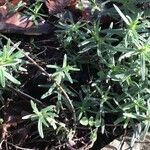
Glandora diffusa
Scrambling-gromwell · Shrubby-gromwell
Description
Source: leafsnapGlandora diffusa is a species of flowering plant belonging to the family Melastomataceae. Commonly known as "spreading glandora," it is native to tropical regions of South America, including Brazil, Colombia, and Venezuela. This plant typically grows as a small shrub or subshrub, reaching up to 1 meter in height. It features small, oval-shaped leaves that are dark green and arranged opposite each other along the stem. The flowers of Glandora diffusa are particularly striking, showcasing bright pink or purple petals clustered at the ends of long stems. They bloom throughout the year but are more abundant during the spring and summer months. Glandora diffusa thrives in moist soil conditions but can tolerate periods of drought once established. It grows well in both full sun and partial shade, making it suitable for both indoor and outdoor cultivation. In traditional medicine, Glandora diffusa has been used for its anti-inflammatory properties and to treat various ailments such as fever, diarrhea, and dysentery. Overall, Glandora diffusa is an attractive ornamental plant with beautiful flowers that add color to any garden or indoor space. Its medicinal properties also make it an interesting addition for those interested in natural remedies.
🌳 The distinctive pigments of Purple Gromwell have been used to make natural dyes. Historically, certain cultures applied these dyes to color cloth. The plant provides an eco-friendly alternative to synthetic dyes, aligning with current interest in sustainable practices within the textile industry.
Care Guide
💧 Water Every 7 days
Purple Gromwell thrives in moderately moist soil and requires consistent moisture to grow effectively. To achieve this, water the plant every 1-2 weeks, allowing the soil to dry slightly between watering sessions. This plant does well in well-draining soil typical of temperate regions, which provides a balance between water retention and drainage for optimal growth.
☀️ Light Full sun
Purple Gromwell is a sun-loving perennial herbaceous plant that originates in open habitats and is frequently found growing in meadows and grasslands. It prefers full sun but can also tolerate partial sun.
🌡️ Temperature 5–32.2°C
Purple Gromwell is native to habitats with a moderate temperature range of 41 to 90 °F (5 to 32 ℃). It does best under those conditions, but seasonal adjustments can support its health in different climates.
💨 Humidity
🪴 Soil 6-7
🌱 Fertilizer
Early spring, when Purple Gromwell is coming out of dormancy and beginning active growth, is the best time to fertilize. Fertilization supplies essential nutrients for healthy development. Although Purple Gromwell has fairly low fertilizer requirements, applying fertilizer once a year can boost its survival and encourage better, longer-lasting flowers.
🪴 Pot & Repot
✂️ Pruning
Purple Gromwell is known for its vibrant blue-purple flowers and benefits greatly from pruning in early to late spring. To maintain its health and appearance, trim dead stems and shape the plant to encourage dense growth. Removing spent blooms can also promote the development of more flowers. Regular maintenance not only improves airflow and reduces the risk of disease but also supports the plant's longevity and overall performance.
🌿 Propagating
🐛 Diseases & pets
☠️ Toxicity
Characteristics
- Plant Type
- Herb
- Life Cycle
- Perennial
- Genus
- Glandora
- Family
- Boraginaceae
- Hardiness Zone
- 4-8
- Mature Height
- 10 cm to 30 cm
- Mature Spread
- 61 cm to 91 cm
- Leaf Color
- Green
- Leaf Type
- Semi-evergreen
- Flower Color
- Blue, Purple
- Flower Size
- 2.54 cm
- Bloom Time
- Late spring, Early summer, Mid summer
- Planting Time
- Spring
- Harvest Time
- Mid summer
- Native Area
- Spain