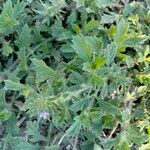
Glandularia pumila
Pink mock vervain
Care Guide
💧 Water
Pink verbena flourishes in warm, sunny climates and prefers regular, moderate watering. It's best to water it weekly, although it can handle short dry periods. Because it is well-adapted to full sunlight and efficiently manages water loss, pink verbena is a resilient choice for gardeners dealing with unpredictable rainfall patterns.
☀️ Light Full sun
Pink verbena does best with plenty of sunlight, similar to the light levels it experiences in its natural habitat. It can, however, tolerate somewhat lower light. Too much or too little light can harm the plant, causing problems such as stunted growth or discoloration.
What are the sunlight requirements for Pink Verbena?
Pink verbena requires substantial sunlight to flourish, ideally reflecting the light intensity of its natural habitat. It thrives in full sun conditions, which means it should receive more than 6 hours of sunlight daily. However, it can also grow in partial sun, receiving about 3-6 hours of sunlight. It's important to observe the movement of sunlight through your garden to find spots that offer a balance of light and shade, ensuring the plants' well-being. A warning to note is that improper exposure might cause issues like stunted growth or discoloration.
How essential is sunlight for Pink Verbena's growth?
Sunlight is crucial for the optimal growth of pink verbena, closely simulating the light conditions of its native surroundings. The right amount of sunlight is key to preventing poor plant health problems such as stunted growth or leaf discoloration. In situations where natural sunlight is insufficient, especially during winter or in dimly lit areas, artificial lighting can provide a beneficial alternative. LED lights are recommended due to their ability to be tailored to the specific light wavelengths needed by the plants. Full sun plants generally require 30-50 watts per square foot of artificial light, partial sun plants need 20-30 watts per square foot, and full shade plants require 10-20 watts per square foot. The optimal distance for placing these lights is 12-36 inches above the plant to best mimic natural sunlight conditions, and most plants will benefit from 8-12 hours of light per day.
What symptoms indicate Pink Verbena is getting insufficient light?
When pink verbena doesn't receive enough light, it may display several symptoms signaling a need for better light conditions. These include new leaves growing smaller than previous ones, a leggy or sparse growth indicating stretched-out plants with longer spaces between leaves or stems, and faster leaf drop as the plant tries to conserve resources. Other symptoms involve slower or halted growth, pale or irregularly colored new leaves due to insufficient chlorophyll, chlorosis (losing green leaf color), sunscald (leaf or stem damage from high light exposure), leaf curling to reduce surface area exposed to intense light, wilting from increased water loss, and leaf scorching marked by brown, dry edges on leaves.
How can I address light-related issues in Pink Verbena?
To address light-related issues in pink verbena, indoor plants should gradually be moved to a location with at least 6 hours of direct sunlight daily, ideally near a south-facing window. If the plant is large or difficult to move, consider using artificial light by keeping a lamp on for at least 8 hours daily or investing in professional plant grow lights. For outdoor plants, it’s vital to move them gradually to avoid shock and potential sunburn. Minimize obstructions like branches or trees that block sunlight by pruning. If possible, transplant smaller plants during their dormant period, often late winter or early spring, choosing a new location with ample sunlight and good drainage. Note that damaged parts of the plant might not recover, but new growth should be healthy after improving light exposure.
🌡️ Temperature 5–37.8°C
Pink verbena originates from areas where temperatures are usually between 68 and 100 °F (20 to 38 ℃). It prefers these moderately warm conditions, so seasonal adjustments may be needed to keep temperatures within that range.
What are the ideal growing conditions for Pink Verbena?
Pink Verbena thrives in moderately warm conditions, with temperatures ranging from 68 to 100 °F (20 to 38 °C), which are typical in its native regions. This plant has a strong resistance to cold, so special frost protection measures are usually not necessary. However, to prepare for winter, especially if temperatures are expected to drop below -25°C, it's important to protect the plant by covering it with soil or straw. Additionally, watering the plant abundantly before the first freeze in autumn helps ensure the soil remains moist into the winter. This pre-freeze hydration is crucial for preventing drought and ensuring the plant has access to water during the colder months.
How does Pink Verbena react to low temperatures?
Pink Verbena exhibits significant cold tolerance and generally flourishes when temperatures stay above 20°C. In winter, it is essential to keep the temperature above 0°C to ensure the plant's survival. However, when temperatures drop below -25°C, Pink Verbena might survive the winter without visible damage but can show reduced or even no sprouting in spring. If this occurs, it's advisable to remove any parts of the plant that have failed to sprout in spring as a remedial action.
What should be done if Pink Verbena is exposed to high temperatures?
During the hotter months, ensuring that Pink Verbena's temperature does not exceed 38°C is essential for its health. Exposure to temperatures above 43°C can lead to symptoms such as leaves lightening in color, curling, suffering from sunburn, and, in severe cases, wilting and drying out of the entire plant. To address this, trim away the sunburned and dried parts of the plant. Integrating measures such as moving the plant to a shaded area during the midday and afternoon sun or using a shade cloth can offer protection. Regular watering in the morning and evening helps keep the soil moist and supports plant health under high temperature stress.
What is the botanical name of Pink Verbena?
The botanical name of Pink Verbena is Glandularia pumila. Knowing the botanical name is helpful for accurate plant identification and when researching specific care instructions.
💨 Humidity
🪴 Soil 6-7
🌱 Fertilizer
After Pink verbena has opened most of its blooms to full size, you should resume fertilizing. When the flowers are at their peak, apply fertilizer once every three to four weeks, weather permitting. Then, once Pink verbena begins producing fewer new blooms, stop fertilizing; there’s no need to feed the plant when it cannot produce additional blooms.
🪴 Pot & Repot
✂️ Pruning
Pink verbena, a small perennial plant, benefits from regular pruning to ensure optimal growth. Key techniques include deadheading spent flowers, cutting back the stems by one-third in early spring, and thinning out older stems to improve air circulation. The best time for pruning is from early to late spring, which helps enhance flowering and encourages a more compact form.
🌿 Propagating
🐛 Diseases & pets
☠️ Toxicity
Characteristics
- Plant Type
- Herb
- Life Cycle
- Annual
- Genus
- Glandularia
- Family
- Verbenaceae
- Hardiness Zone
- 5-11
- Mature Height
- 15 cm to 30 cm
- Mature Spread
- 30 cm to 61 cm
- Leaf Color
- Green
- Leaf Type
- Semi-evergreen
- Flower Color
- Purple, Lavender
- Flower Size
- 3.81 cm to 4.57 cm
- Bloom Time
- All year round
- Planting Time
- Spring, Autumn
- Harvest Time
- All year round
- Native Area
- Mexico