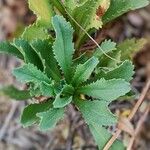
Glebionis segetum
Corn Marigold · Corn chrysanthemum · Corndaisy · Yellow oxeye · Yellow ox-eye marigold
Description
Source: leafsnapGlebionis segetum, commonly known as corn marigold or field marigold, is a flowering plant belonging to the Asteraceae family. This annual herb grows up to 60 cm tall and features a branching stem with narrow leaves. Its bright yellow flowers, which have a diameter of 2-4 cm, bloom from June to September. Native to Europe and Asia, corn marigold has been introduced to many other parts of the world for ornamental purposes and its medicinal properties. It thrives in well-drained soils and can grow in both full sun and partial shade. Historically, the plant has been used in traditional medicine for its anti-inflammatory, analgesic, and diuretic properties. It contains various compounds, such as flavonoids, saponins, and tannins, which contribute to its medicinal benefits. Beyond its medicinal uses, corn marigold is also an important food source for bees and other pollinators due to its nectar-rich flowers. However, excessive consumption can be toxic because of the presence of pyrrolizidine alkaloids. Overall, Glebionis segetum is a beautiful flowering herb with many traditional uses. Nevertheless, it should be used cautiously due to its toxicity if consumed in excess without proper preparation by experts in herbal medicine practices.
Care Guide
💧 Water Every 3 days
The corn marigold, originally from the Mediterranean, requires regular weekly watering to stay properly hydrated. While it can withstand short periods of drought, it flourishes outdoors when it receives natural rainfall. To ensure healthy growth, particularly during flowering, it's important to have proper soil drainage to prevent waterlogging.
How should I water my Corn marigold?
The Corn marigold is very specific about its watering needs. Not only does it care about the amount of water it receives, but it also cares about how it receives that water. Using the wrong watering technique can actually harm your tomatoes. To properly water the Corn marigold, it's best to apply the water directly to the soil in a slow and gentle manner. Avoid pouring all of the water into the soil at once and avoid overhead watering for the Corn marigold. While watering slowly, make sure to also water deeply to ensure that all the soil surrounding the Corn marigold is moist enough.
What should I do if I give too much or too little water to my Corn marigold plant?
If you have overwatered your Corn marigold and are worried about getting a disease, take immediate action. The best solution is to remove the plant from its current spot and let the roots dry a bit before replanting it in a new location with well-draining soil. If you grow in pots, you might need to transfer your plant to a pot with more or bigger drainage holes. If you've underwatered your plant, simply increase how often you water it.
How often do I need to water my Corn marigold?
Corn marigold needs a lot of water during its growing season. To meet this need, you should water it frequently from spring to summer. In the early growing season, water it once or twice a week. As the season progresses, increase the frequency of watering. In summer, you may need to water it twice a day or even more, depending on the weather. Once the main growth phases are over, reduce watering to once a week until the end of the growing season.
How much water should I give my Corn marigold?
Corn marigold is a popular plant among professional and amateur gardeners, so we know how to take care of them. Specifically, we know that an average Corn marigold needs about 1 - 1.5 inches of water per week, which should be evenly spread out during your weekly watering. As the weather gets hotter, you may need to increase the amount of water, but generally, two inches per week is a good starting point.
How do I know if I'm watering my Corn marigold enough?
Your Corn marigold can face issues with both underwatering and overwatering, which can have similar symptoms. For instance, both overwatering and underwatering can cause the leaves to change color and wilt. When underwatered, the leaves will initially curl and droop, and you may observe a decline in leaf health. Underwatering can hinder the plant's growth and development because Corn marigolds require a significant amount of water. On the other hand, overwatering is more likely to result in diseases like rot and emit unpleasant odors from the soil. Symptoms of underwatering become noticeable sooner than those of overwatering. Additionally, you can identify overwatering by observing the presence of excessive standing water or waterlogged soil.
☀️ Light Full sun
Corn marigold does best when exposed to unblocked sunlight for as much of the day as possible. Nonetheless, this plant can tolerate spots with less light. Filtered or dappled sunlight still encourages growth, but heavily shaded, light-deprived conditions can hinder development and harm its health.
What are the sunlight requirements for Corn Marigold?
Corn Marigold flourishes under full sun conditions, necessitating more than 6 hours of direct sunlight daily for optimal growth. It can also grow in partial sun, which means it can adapt to receiving about 3-6 hours of sunlight. However, while this plant can tolerate some variation in light exposure, areas with insufficient sunlight should be avoided as they could hinder growth and negatively impact the plant’s health. It's helpful to observe the movement of sunlight through your garden to ensure you’re choosing locations that offer the right balance for your Corn Marigold, keeping in mind its preference for unobstructed sun exposure throughout the day.
How can artificial lighting be used for Corn Marigold when natural sunlight is insufficient?
In conditions where natural sunlight is lacking, especially during winter or in less sunny spaces, artificial lighting serves as an excellent alternative to support the growth of Corn Marigold. The right type of artificial light is crucial, with LED lights being a preferred option due to their capability to be customized to offer specific wavelengths needed by plants. For plants requiring full sun, 30-50W per square foot is recommended; partial sun plants do well with 20-30W per square foot, and full shade plants need 10-20W per square foot. The artificial light should be placed 12-36 inches above the plant to best mimic natural sunlight, and the duration of exposure should align with the natural daylight hours, typically 8-12 hours daily, depending on the specific needs of the plant species.
What signs indicate Corn Marigold is not getting enough light?
When Corn Marigold isn’t receiving adequate light, it may exhibit several symptoms indicating light deficiency. New leaves might grow smaller than those previously matured, and the plant can experience leggy or sparse growth, giving it a stretched-out, weak appearance. Early leaf drop is another sign, as the plant sheds older leaves to conserve resources, which can eventually lead to a halt or slowdown in new growth and the development of paler, lighter-colored new leaves. Chlorosis, or the loss of leaf green color turning them yellow, may occur, along with sunscald, leaf curling, wilting, and leaf scorching as effects of insufficient light or overexposure to intense sunlight, indicating the plant’s struggles with inadequate light conditions.
How can I address light-related issues for my Corn Marigold?
Addressing light-related issues in Corn Marigold involves optimizing light exposure, whether indoors or outdoors. For indoor plants, gradually relocating them to sunnier spots or utilizing artificial lighting can be effective. Moving the plant each week until it receives at least 6 hours of direct sunlight daily and considering the use of desk or ceiling lamps, or even professional grow lights for at least 8 hours each day, helps. Outdoors, it's crucial to adapt plants to sunnier locations gradually to prevent sunburn. Pruning nearby trees to reduce shade or transplanting smaller plants during their dormant period can improve sunlight access. Remember, damaged parts of the plant may not recover, but new growth should be healthy once appropriate light levels are maintained.
🌡️ Temperature 5–35°C
Corn marigold is native to regions where temperatures range from 68 to 95 °F (20 to 35 ℃). As a temperature-sensitive plant, it grows best within that range. In colder seasons, artificial heating or moving the plant may be necessary to achieve optimal temperature conditions.
What is the native climate for Corn marigold?
Corn marigold is native to climates where temperatures range between 68 to 95 °F (20 to 35 °C). It thrives best in these conditions as it is sensitive to temperature changes. To ensure optimal growth, the plant requires relatively warm temperatures, especially during winter, where the temperature should be maintained above 20°C. The minimum temperature threshold to prevent freezing damage is above the freezing point, especially when outdoor temperatures drop to -5°C (25°F), at which point it is advisable to bring the plant indoors or protect it with a temporary greenhouse or protective materials like plastic film or fabric.
How does low temperature affect Corn marigold and what are the solutions?
Corn marigold has a moderate tolerance to low temperatures, but it flourishes best when the temperature is kept between 20°C and 35°C. During winter, temperatures should be maintained above 0°C to avoid damage. Exposure to temperatures below -25°C can cause the leaves to darken, and in severe cases, lead to water-soaked necrosis, wilting, drooping, and a gradual change in leaf color to brown. The solution involves trimming away the frost-damaged parts and moving the plant to a warm environment indoors or setting up a makeshift greenhouse for protection. If placed indoors for light, situating the plant near a south-facing window or providing supplemental lighting is recommended.
What effect does high temperature have on Corn marigold and how can it be mitigated?
During the summer, it's important to ensure that Corn marigold's temperature does not exceed 35°C to prevent growth retardation, leaf color lightening, and increased susceptibility to sunburn. When temperatures climb above 38°C, these issues become more pronounced. To mitigate this, sunburned and dried-up parts of the plant should be trimmed away and the plant relocated to a shaded area, particularly away from the afternoon sun. Additionally, watering the plant in the morning and evening will help keep the soil moist and support the plant's health under high temperatures.
💨 Humidity
🪴 Soil 6-7
🌱 Fertilizer
To maximize yield, Corn marigold does well with regular applications of a balanced fertilizer, especially one high in nitrogen. Apply fertilizer before planting, at planting, and when seedlings are 2 inches tall. Adding compost or manure also provides a continuous supply of nutrients. Insufficient nutrients in the soil lead to underdeveloped leaves and stems, inferior flavors, thin stems, and a potentially bitter taste.
🪴 Pot & Repot
✂️ Pruning
Corn marigold is a herbaceous plant known for its bright yellow flowers, which are popular in gardens. To maintain its health and appearance, prune the plant from early to late spring. Focus on deadheading and trimming any leggy stems to encourage growth, prevent disease, and keep the plant looking its best throughout the growing season.
🌿 Propagating
🐛 Diseases & pets
☠️ Toxicity
Characteristics
- Plant Type
- Herb
- Life Cycle
- Annual, Biennial, Perennial
- Genus
- Glebionis
- Family
- Asteraceae
- Hardiness Zone
- 5-9
- Mature Height
- 76 cm
- Mature Spread
- 30 cm
- Leaf Color
- Green
- Leaf Type
- Semi-evergreen
- Flower Color
- Yellow, Gold
- Flower Size
- 3.56 cm to 5.08 cm
- Bloom Time
- Mid spring, Late spring, Early summer
- Planting Time
- Spring, Summer
- Harvest Time
- Early summer, Mid summer
- Native Area
- Saudi Arabia, Libya, Tajikistan, Turkey, Sweden, Austria, Tunisia, Slovakia, Cyprus, Poland, Greece, Croatia, Slovenia, Morocco, Belarus, Ukraine, Lebanon, Russia, Germany, Portugal, Syria, Italy, Spain, Switzerland, Denmark, France, Albania, Algeria, Belgium, Moldova, Netherlands