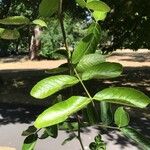
Gleditsia sinensis
Chinese honey-locust · Chinese honeylocust · Honey Locust
Description
Source: leafsnapGleditsia sinensis, the Chinese honey locust, is a species of flowering plant native to Asia.
💡 According to legend, there was a couple who often met for secret rendezvous under a Chinese honeylocust tree. One day, the man had to leave for the battlefield. The woman waited for him under the tree every day, longing for his return. After he won the war and came back, they built a house beside the tree and lived happily together.
🌳 The Chinese honeylocust is often cultivated in rock and woodland gardens, as well as in borders where it can serve as a striking specimen plant. This tree is appreciated for its fragrant flowers and its late leafing in the spring. Additionally, it is known for its tolerance to drought and pollution. Ideal companion plants for the Chinese honeylocust include viburnum, coral bells, and cotoneaster.
🎭 Lovely memories
Care Guide
💧 Water Every 7 days
The Chinese Honeylocust flourishes in moderate climates with consistent levels of moisture. It prefers soil that remains evenly moist and, once established, can tolerate moderate drought conditions. To care for this plant, water it every 2 to 3 weeks, allowing the soil to dry slightly between waterings. Although it benefits from natural rainfall, additional watering may be necessary during prolonged dry periods.
What's the best way to water my Chinese Honeylocust tree?
To ensure excellent root development, place a garden hose at the base of your plants. Avoid spraying the leaves directly, as this can cause issues. If your plants are outdoors and exposed to direct sunlight, the leaves will need more watering. You can use bubblers to moisten the roots of each plant, or soaker hoses to cover the entire garden. When adding or removing plants, make sure to push the roots deep into the soil. Remember to drain any excess water and wait for the soil to dry before watering again. Watering at ground level helps prevent diseases. On sunny days, it may be helpful to spray the entire bush with water. Whether potted or in-ground, make sure to provide deep watering rather than light sprinkling for Chinese Honeylocust plants.
What should I do if I give the Chinese Honeylocust tree too much or too little water?
An overwatered Chinese Honeylocust can show various signs of distress, such as yellowing, dropping, and wilting leaves, as well as a generally unhealthy appearance, including mushy stems. It's important to adjust your watering schedule when these signs appear. Similarly, wilting can also be an indication of under watering, characterized by crispy and dry leaves. In such cases, check the soil for dryness and provide a full watering as needed. While enough water will help the Chinese Honeylocust recover, it may still have dry and yellow leaves due to root damage. Once the plant returns to normal, the yellowing leaves will stop. When caring for an indoor Chinese Honeylocust, always monitor moisture levels and avoid overwatering. Look out for any signs of black spots, and if present, allow the soil to dry out by withholding watering for a few days. Overwatering can lead to root rot, so take note of discolored and slimy roots. It may be necessary to transfer the plant to a different pot if root rot is detected. Preventing root rot involves avoiding overly soggy soil. When planting Chinese Honeylocust outdoors, ensure adequate watering by checking the moisture level with your fingers. If the soil feels too dry, it may indicate under watering, and the plant will benefit from sufficient watering for recovery.
How many times should I water my Chinese Honeylocust?
The Chinese Honeylocust prefers deep and infrequent watering, especially when planted in pots. In this case, it is recommended to soak them with a gallon of water each time. Potted plants have limited water storage, so the soil tends to dry out faster. If you live in a cold region, watering should be done every 3 to 5 days. It is best to water the plant early in the morning when the soil is dry, whether it is placed outdoors or indoors. To determine if watering is needed, you can check the soil inside. When the top 2-3 inches of soil are dry, it is time to give the plant a thorough watering. During hot days, it may be necessary to check the moisture level daily, as the heat can quickly dry out the soil in the pot. If you have a garden, the soil must be irrigated as well. In a hot climate, watering once a week may be sufficient. Only water the plants when you notice that about 2 to 3 inches of soil are too dry, indoors or outdoors. Take into account any rainfall received by the plant and avoid overwatering to prevent root rot. If there is already a significant amount of rainfall, additional watering may not be necessary. Chinese Honeylocust usually grows during spring and fall. When the plants are placed outdoors, it is advisable to add a 3 to 4-inch layer of mulch to help conserve water. Sandy soil tends to drain faster, so plants in this type of soil may need to be watered more frequently. On the other hand, plants in clay soil can go without water for 2-3 days without developing root rot. To keep track of watering, you can mark the date on the calendar each time you water the plants. If you notice the leaves starting to droop, it may indicate that you are a day late in watering.
How much water should I give my Chinese Honeylocust tree?
To properly water the Chinese Honeylocust, you should aim for about a gallon of water on a regular schedule. For potted plants, water them deeply until you see water dripping out of the bottom of the pot. Then, allow the soil to dry before watering again. You can use a water calculator or moisture meter to keep track of how much water you've given your plant each week. During the flowering period, it's important to provide plenty of water, but allow the moisture to evaporate afterwards to avoid root rot. If the Chinese Honeylocust is planted outdoors and receives adequate rainfall, additional watering may not be necessary. However, when the tree is young or newly planted, make sure it gets 1-2 inches of rain per week. As it grows, it can rely solely on rainfall. Only in exceptionally hot weather or when there is no rainfall for an extended period (2-3 weeks), consider giving the Chinese Honeylocust a thorough watering during the cooler part of the day to prevent heat damage. Additional watering will be needed during prolonged dry spells.
Do I need to change how often I water my Chinese Honeylocust based on the time of year or the weather?
The Chinese Honeylocust thrives in outdoor environments where there is rainfall. However, during persistently dry weather, watering is necessary. It is important to keep the soil moist but not soggy during the spring and fall seasons, alternating between dry and moist conditions. In the summer, hot weather can cause water to evaporate quickly, so if there is a lack of rainfall, more frequent watering is needed to maintain moisture. During winter, the Chinese Honeylocust requires less water as it goes dormant and drops its leaves. Choosing a well-draining but moisture-retentive soil mixture such as terracotta can help water evaporate effectively. Once the plant starts growing and going dormant, watering can be skipped as it can rely on fall and winter rains. Maintaining good drainage is crucial, especially during the flowering season, as the Chinese Honeylocust dislikes excess water or drought. When in pots, the plant's root growth is limited, so regular watering is necessary, especially in the summer. Avoid cold and wet roots by ensuring adequate drainage. Deep soaking the entire root system once or twice a week, depending on the weather, is recommended instead of shallow sprinkles that can encourage fungi growth and fail to reach the roots effectively. Even during dormancy in the fall or winter, the Chinese Honeylocust should not be allowed to dry out completely. Overwatering should also be avoided to prevent waterlogging, particularly in winter when poor drainage can lead to plant death. Applying mulch when possible can help reduce stress, conserve water, and promote healthy blooms.
☀️ Light Full sun
Chinese Honeylocust performs best with abundant sunlight, which supports vigorous growth. It comes from areas where daytime sun is dominant. Too little sunlight can restrict its development, while too much may induce stress. It tolerates varying amounts of sun exposure at different stages of growth.
What are the sunlight requirements for Chinese Honeylocust?
Chinese Honeylocust requires specific conditions of sunlight for optimal growth. It thrives in full sun, which is above 6 hours of direct sunlight a day, but it can also grow in partial sun, with about 3-6 hours of sunlight. Observing your garden's sunlight movement helps in choosing the right spots that provide a perfect balance of light and shade, ensuring the plants' happiness. This species is native to regions abundant in sunlight throughout the day, and its health depends significantly on adequate solar exposure. Too little sunlight may hamper its growth, while too much can lead to stress.
How does artificial lighting benefit indoor Chinese Honeylocust plants?
Indoor Chinese Honeylocust plants require adequate lighting, especially when natural sunlight is insufficient, like in winter or less sunny spaces. Artificial lighting comes as a vital solution, offering faster, healthier growth. LED lights are preferred for their ability to provide specific wavelengths needed by plants. Full sun plants should receive 30-50W/sq ft of artificial light, partial sun plants 20-30W/sq ft, and full shade plants 10-20W/sq ft. The light source should be placed 12-36 inches above the plant, mimicking natural sunlight for 8-12 hours per day to achieve optimal growth.
What are common symptoms of inappropriate lighting in Chinese Honeylocust?
Chinese Honeylocust plants sensitive to heat and light may show symptoms of light deficiency or excessive exposure. In inadequate lighting, leaves may grow smaller, growth can become leggy or sparse, and plants may experience faster leaf drop, slower or stopped growth, and develop pale or irregularly colored new leaves. Excessive sunlight can lead to chlorosis, where leaves turn yellow due to chlorophyll breakdown, sunscald with damaged plant tissue, leaf curling as a defense to reduce water loss, wilting from excessive water loss, and leaf scorching with brown or crispy edges.
How can you improve lighting conditions for indoor and outdoor Chinese Honeylocust plants?
For indoor Chinese Honeylocust plants, gradually increasing sunlight exposure to at least 6 hours daily is beneficial. Placing them near a south-facing window with open curtains or using artificial light like desk lamps or professional grow lights for at least 8 hours daily can help. Outdoors, move plants gradually to sunnier spots to avoid sunburn, adapting them to higher light intensities each week. Reducing obstructions like pruning trees can increase sunlight exposure. For smaller plants, consider transplanting during their dormant period to locations with better sunlight and drainage.
🌡️ Temperature 15–35°C
Chinese Honeylocust originates from temperate regions and favors temperatures between 59 and 95°F (15 to 35℃). Seasonal adjustments in temperature may be necessary to maintain optimal growth.
What is the native climate for Chinese Honeylocust and what temperature does it prefer?
The Chinese Honeylocust is native to temperate climates, thriving in temperatures ranging from 59 to 95°F (15 to 35°C). To ensure optimal growth, seasonal temperature adjustments may be necessary. Although the Chinese Honeylocust has some cold tolerance, special care is needed when temperatures are expected to drop below its tolerable minimum. Temporary cold protection measures, such as wrapping the plant with plastic film, fabric, or other materials, should be considered. These protections must be removed once the temperature rises again.
How does Chinese Honeylocust react to low temperatures and what can be done?
Chinese Honeylocust has a moderate tolerance to low temperatures, flourishing best when conditions are above its minimum suitable growth temperature. In winter, it's advised to keep the plant above its tolerable growing temperature minimum. Should temperatures fall below its growth limit temperature, leaves may droop; they can recover in mild cases but may wilt and fall off in severe ones. To mitigate frost damage, trim the frost-affected areas. Before subsequent low temperatures, wrap the plant with materials like non-woven fabric or cloth and build a wind barrier for additional protection.
What are the effects of high temperatures on Chinese Honeylocust and how can they be mitigated?
During the summer, it's important to keep Chinese Honeylocust below its maximum suitable growth temperature. Exceeding its tolerable high temperature can result in lighter leaf color, dry and withered leaf tips, curled leaves, and increased susceptibility to sunburn. To alleviate damage, trim away sunburned and dried-up parts. Relocate the plant to a shaded area during midday and afternoon or use shade cloth. Watering in the morning and evening helps keep the soil moist, further preventing heat stress.
💨 Humidity
🪴 Soil 6-7
🌱 Fertilizer
Fertilize your Chinese Honeylocust in early spring to encourage healthy growth. Regular fertilization improves overall health, producing vigorous growth, increased tolerance of harsh conditions, and enhanced resistance to disease and pests. Maintain a set fertilization schedule for your Chinese Honeylocust to preserve vibrant, deeply colored, and lush foliage.
🪴 Pot & Repot
✂️ Pruning
Pruning Chinese Honeylocust trees in early spring is essential for promoting their growth and structure. Start by removing any dead wood and thinning out dense areas to improve air circulation. These practices help reduce overcrowding and the risk of pests, resulting in a healthier and more visually appealing plant.
🌿 Propagating
🐛 Diseases & pets
☠️ Toxicity
Characteristics
- Plant Type
- Tree
- Life Cycle
- Perennial
- Genus
- Gleditsia
- Family
- Fabaceae
- Hardiness Zone
- 8-9
- Mature Height
- 29.87 m
- Mature Spread
- 6.1 m to 10.36 m
- Leaf Color
- Green, Dark Green
- Leaf Type
- Deciduous
- Flower Color
- Yellow, Green
- Flower Size
- 1.02 cm to 1.02 cm
- Bloom Time
- Late spring, Early summer
- Planting Time
- Spring, Summer, Autumn
- Harvest Time
- Late summer, Early fall, Mid fall
- Native Area
- Myanmar, China