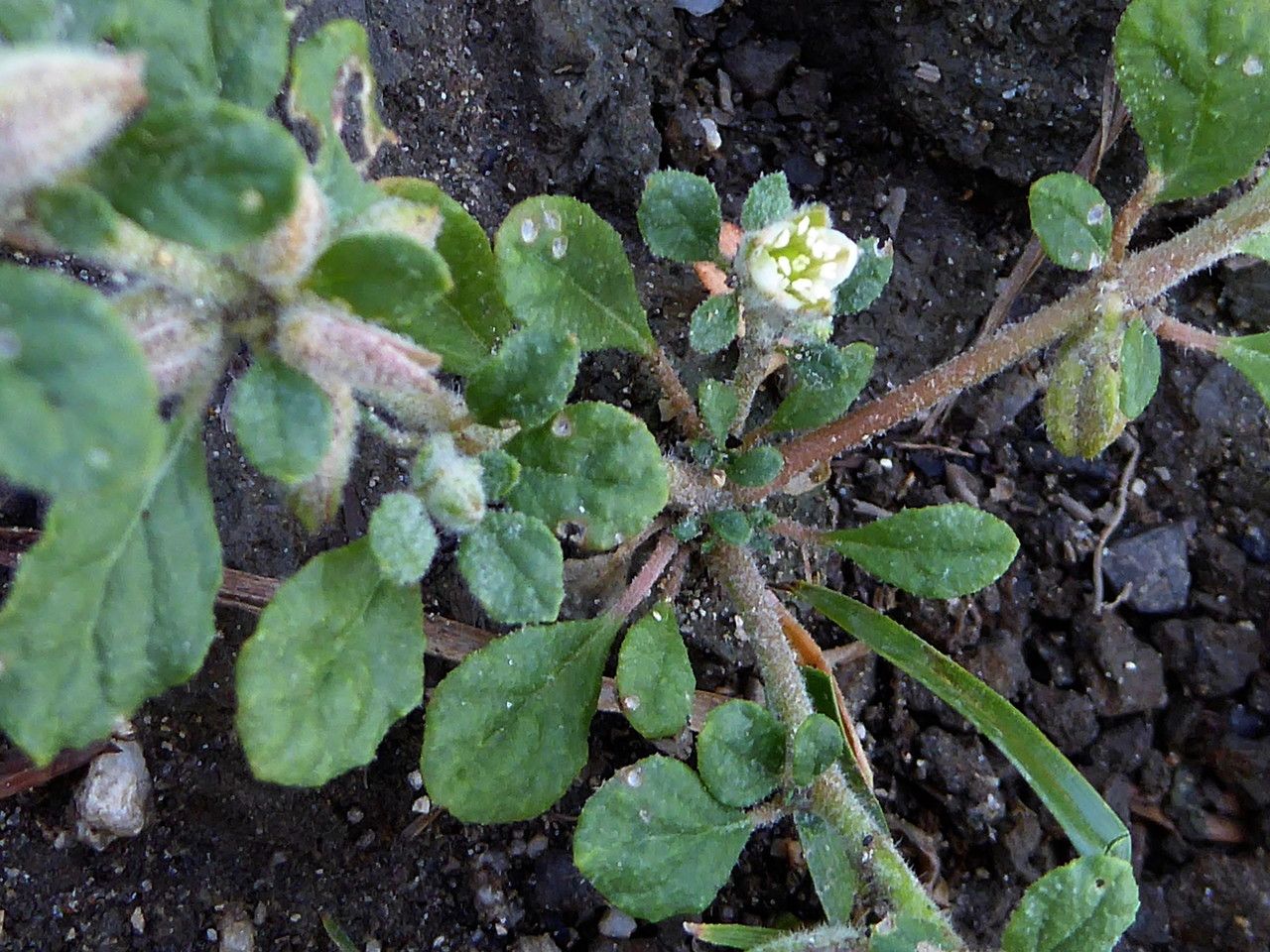
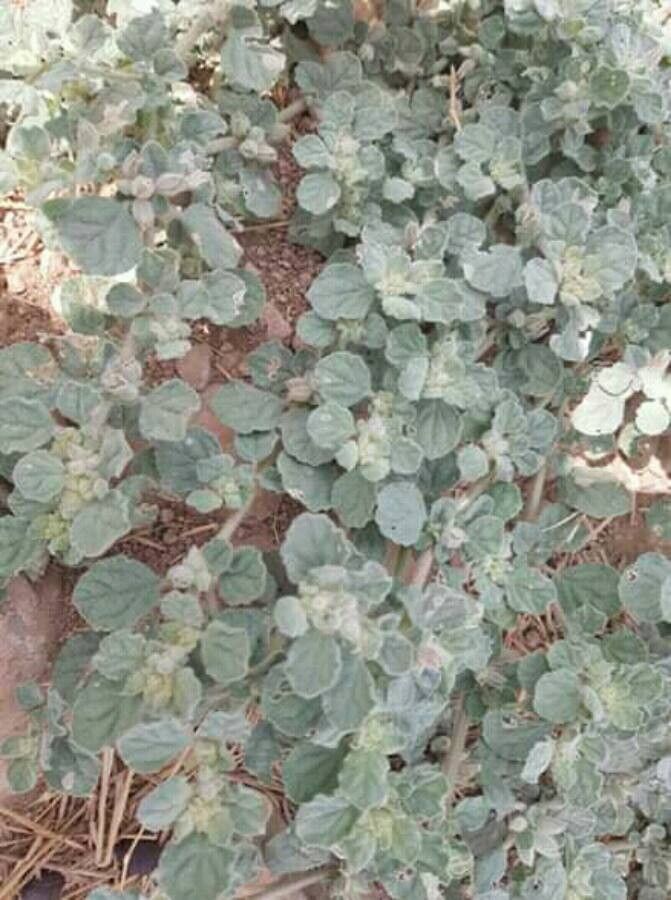
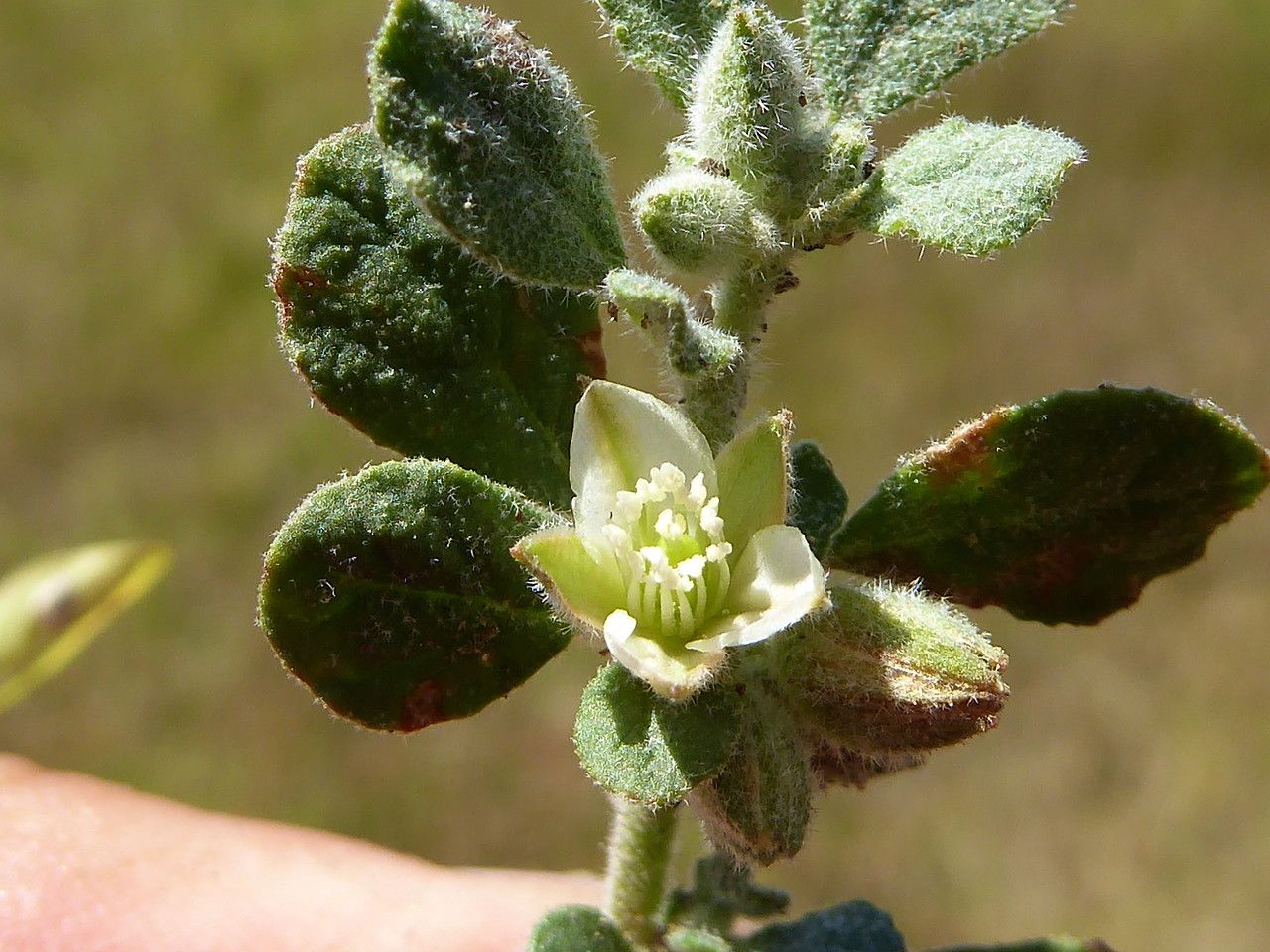
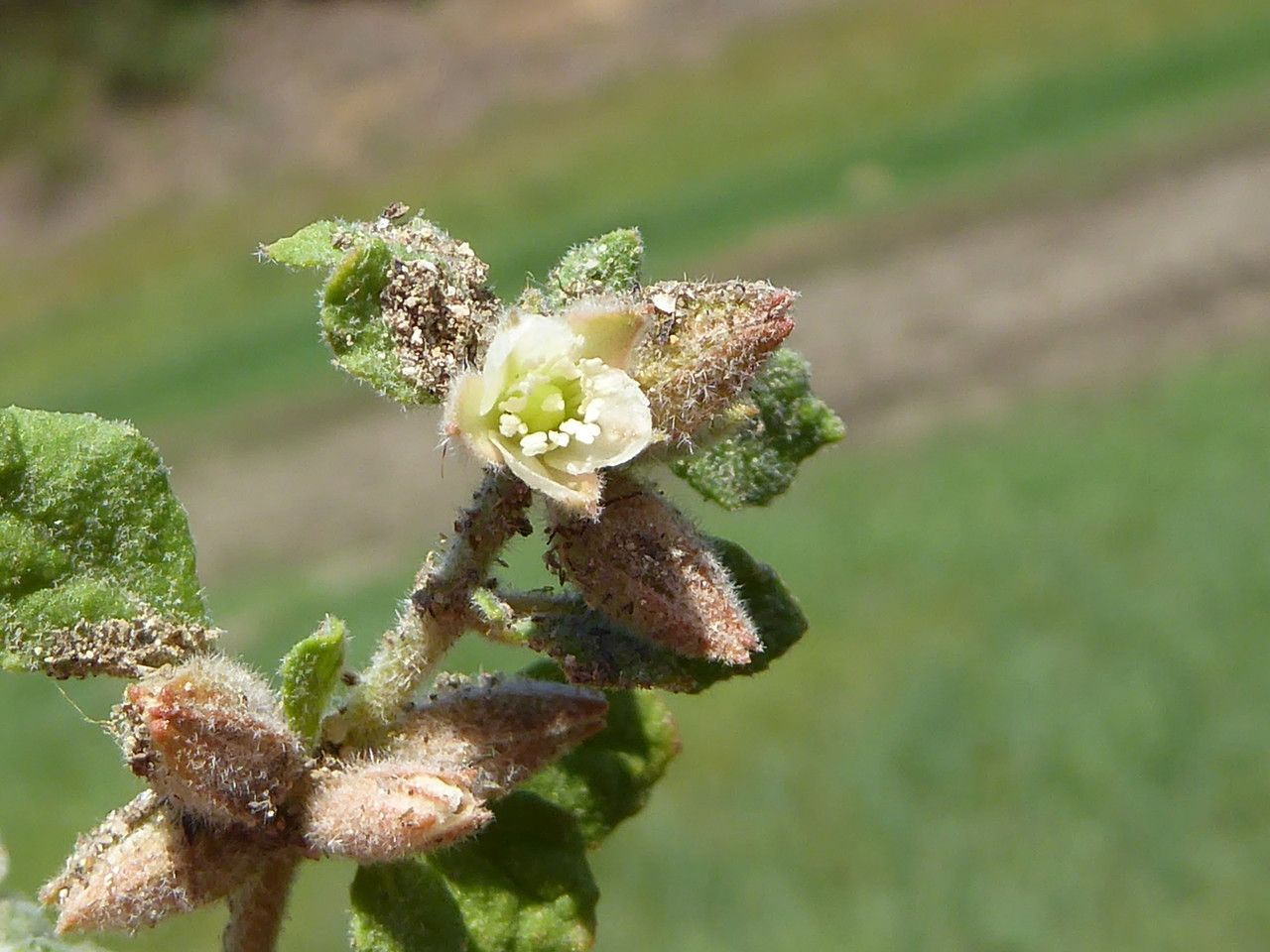
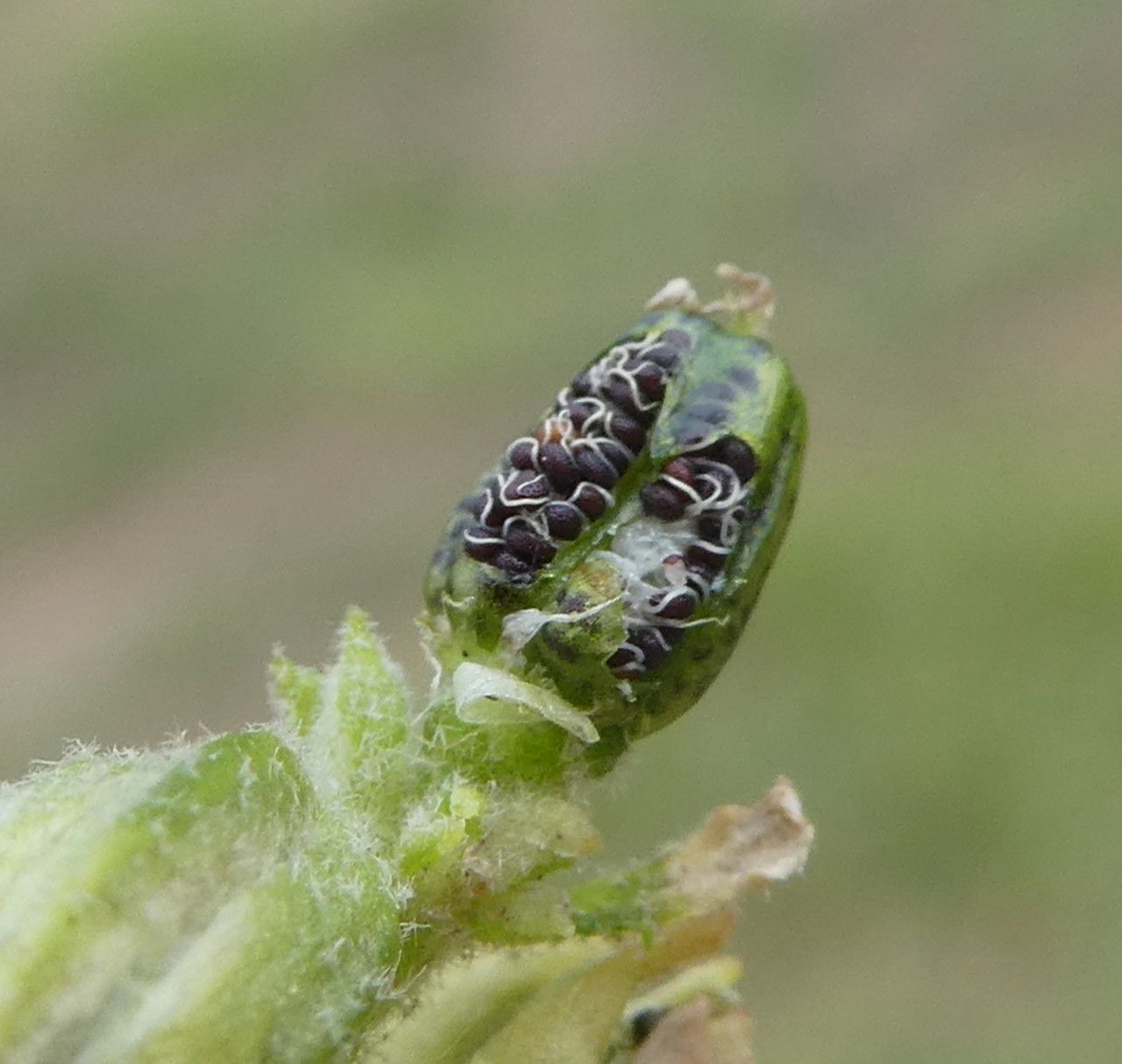
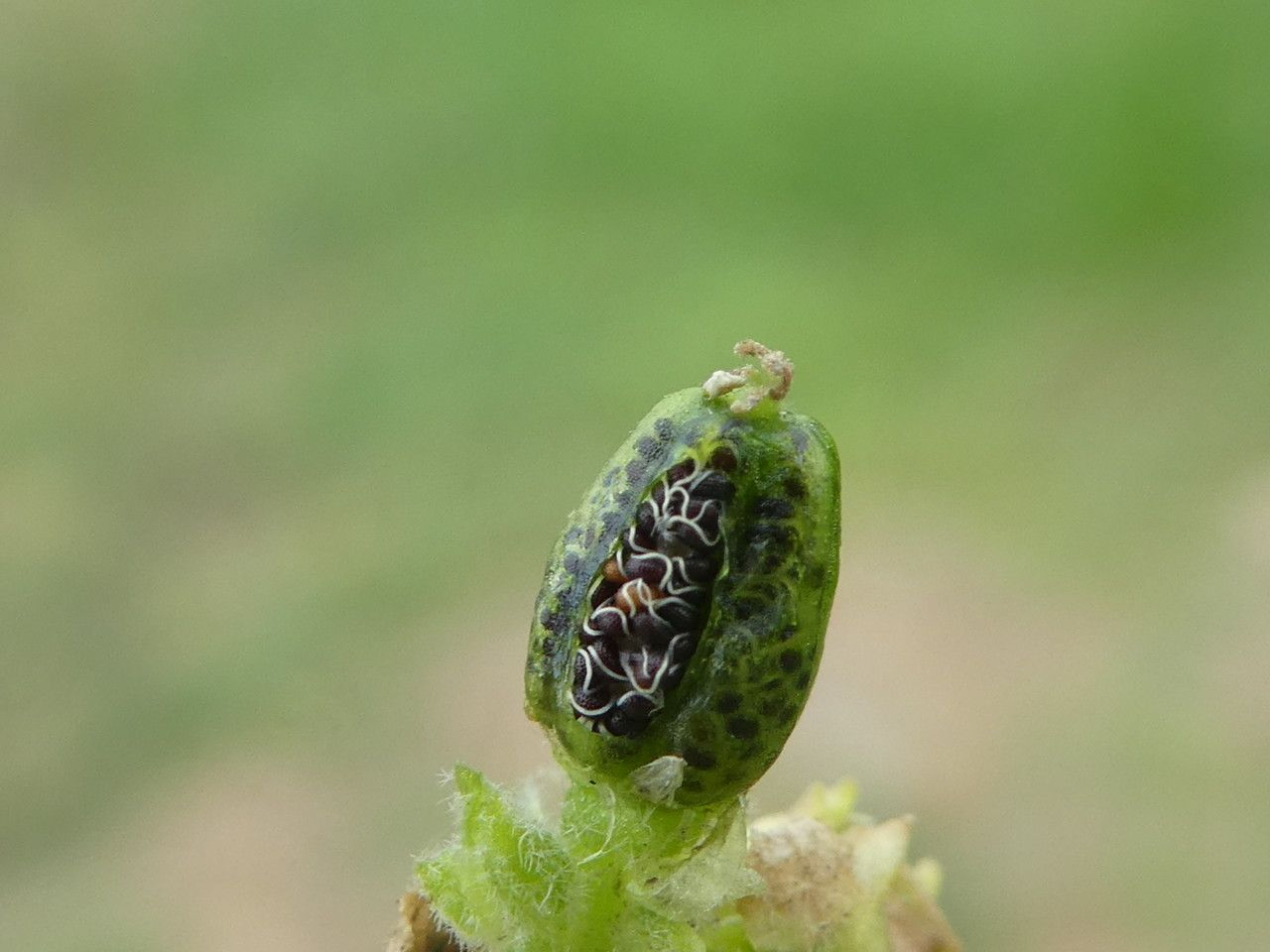
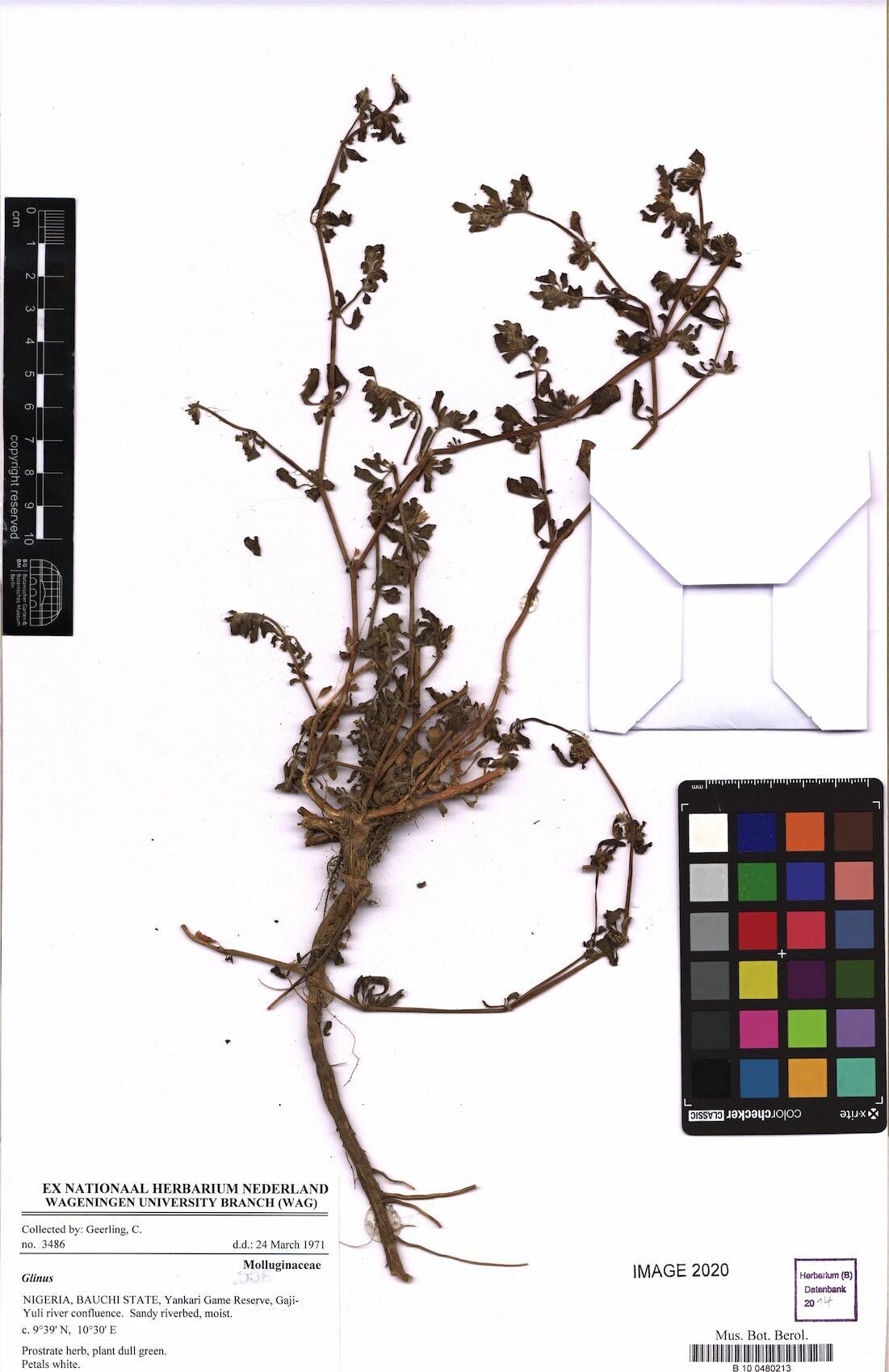
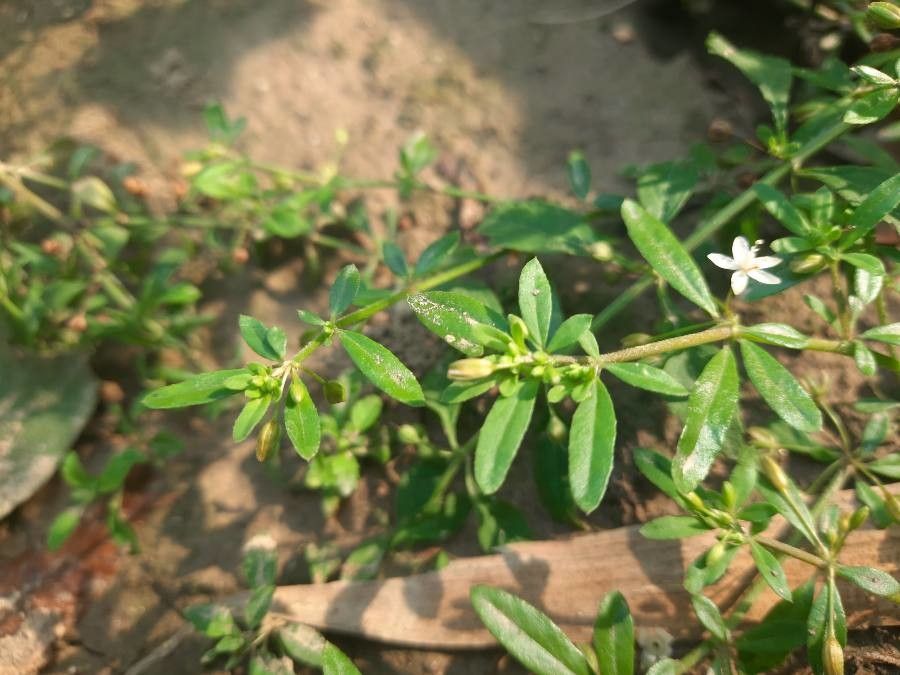
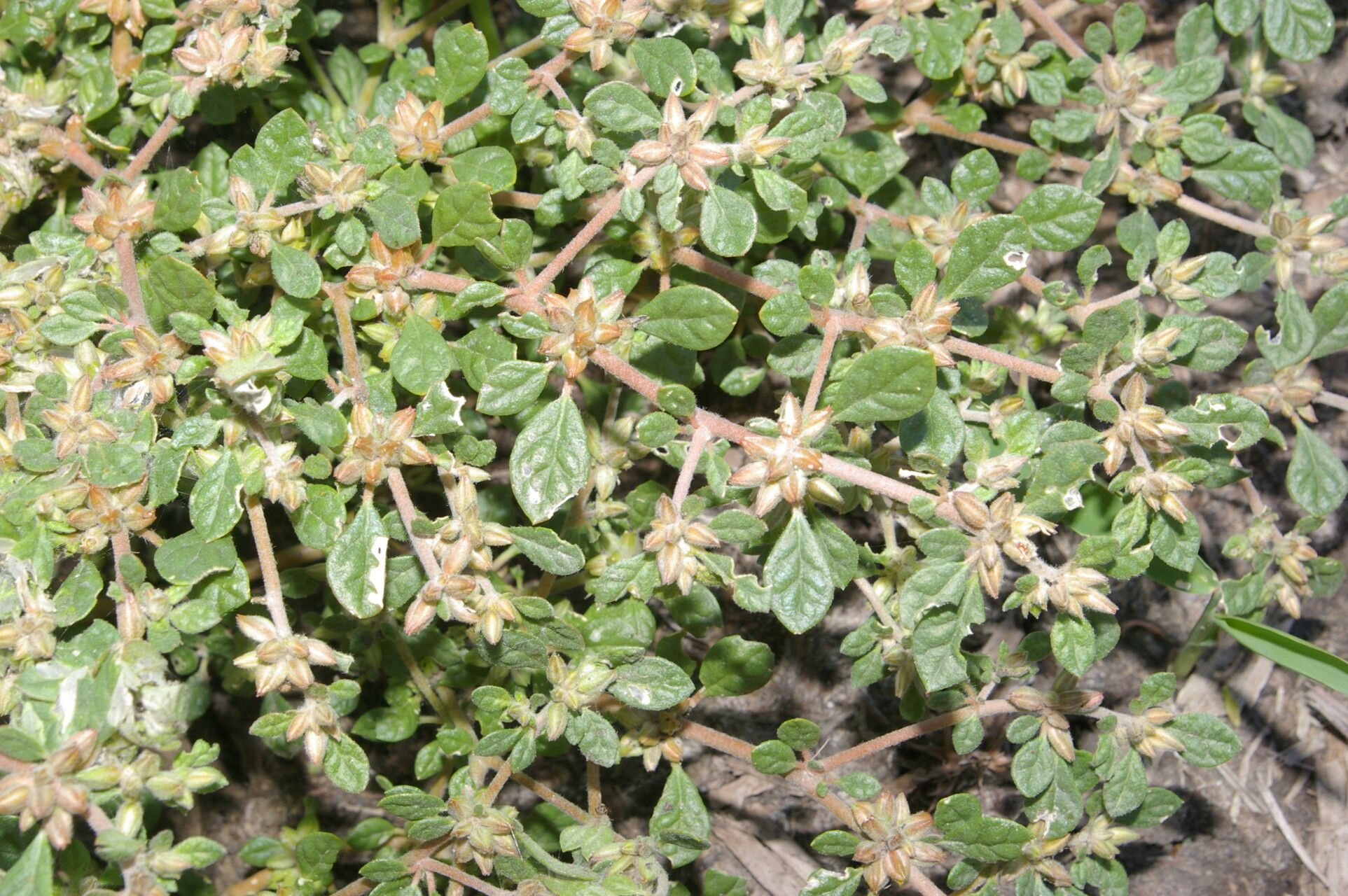
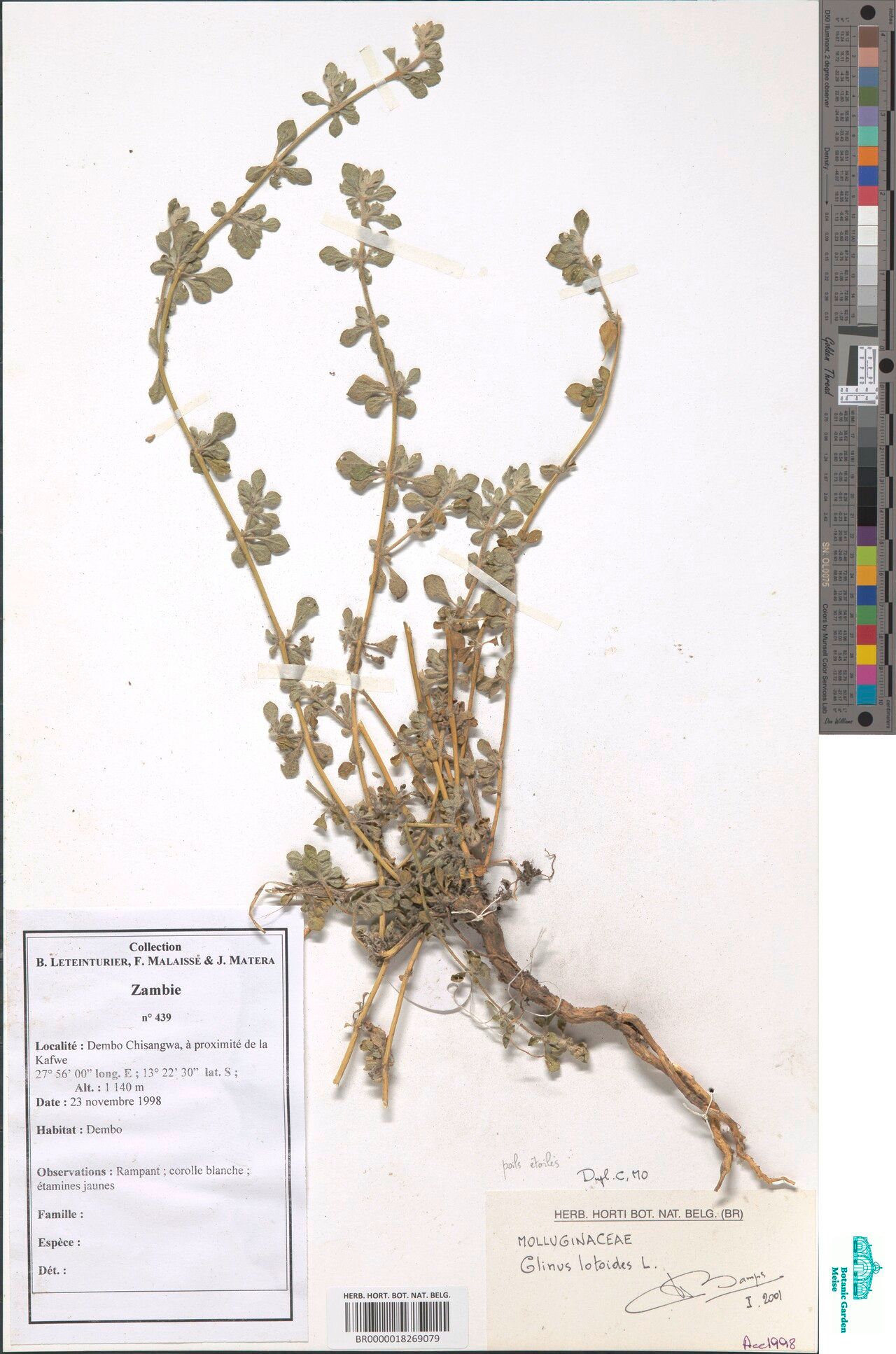
Glinus lotoides is a species of flowering plant in the family Molluginaceae known by the common names damascisa and lotus sweetjuice. It is native to Eurasia and Africa and it is known in many other places as an introduced species.
Hairy carpet weed is fairly disease-resistant and typically not prone to illnesses. However, it can be affected by pests and diseases present in its surroundings. These infections are usually mild. In terms of care, this plant requires moderate maintenance. It should be pruned regularly to maintain a good appearance and healthy growth. Fertilizing can also help encourage flowering. Hairy carpet weed is suitable for people with outdoor spaces, such as a garden or patio, and does not demand much gardening experience. It may need more attention when grown indoors.
How to keep Glinus Lotoides.
Light
Hairy carpet weed comes from bright, open habitats where it does best in full sun. It will tolerate some partial shade but favors direct sunlight for the best growth. This plant, which appears as both an annual and a biennial, is recognized for its preference for sunny conditions.
Water
Hairy carpet weed thrives in humid environments that resemble its native tropical habitat. To keep it healthy, it should be watered consistently, ideally twice a week. As an herbaceous plant, it requires well-draining soil to prevent waterlogging, especially during its active growth period.
Temperature
Hairy carpet weed comes from tropical areas, where the climate is generally warm and humid. As a result, it is adapted to high temperatures and moisture. It does not tolerate sudden temperature shifts and prefers a steady thermal environment, so avoiding temperature fluctuations indoors is important. It typically cannot endure cold and needs elevated temperatures to grow; if the surrounding temperature falls too low, growth may stop or the plant may die.
Fertilizer
Hairy carpet weed responds well to regular, low-strength fertilizer applications to encourage healthy leaf growth. Fertilize Hairy carpet weed about once a month during the summer months. Nitrogen is essential for foliage, and providing nitrogen-rich sources helps Hairy carpet weed thrive.
Pruning
Hairy carpet weed is a low-growing, mat-like plant with hairy leaves and small, greenish-white flowers. To encourage dense foliage, maintain its shape, and improve airflow, prune it from early to late spring. For best results and to minimize the risk of disease, use sterilized tools when pruning.
Botanical profile.
- Plant Type
- Herb
- Life Cycle
- Annual
- Genus
- Glinus
- Family
- Molluginaceae
- Hardiness Zone
- 9-11
- Mature Height
- 30 cm to 34 cm
- Mature Spread
- 20 cm to 40 cm
- Leaf Color
- Green, Gray
- Leaf Type
- Semi-evergreen
- Flower Color
- White, Green
- Flower Size
- 0.25 cm to 0.51 cm
- Bloom Time
- Summer, Early fall, Mid fall
- Planting Time
- Spring, Autumn
- Harvest Time
- Late summer, Fall, Early winter
- Native Area
- Sri Lanka, Burkina Faso, India, Montenegro, Pakistan, Nigeria, Croatia, Morocco, Guinea-Bissau, Uganda, Tanzania, Benin, Indonesia, Mozambique, Ethiopia, Portugal, Central African Republic, Saudi Arabia, Malawi, Tunisia, Philippines, Cyprus, Bulgaria, Laos, Bangladesh, Chad, Lebanon, China, Syria, Italy, Togo, Senegal, Eswatini, Iran, Azerbaijan, Gambia, Congo (DRC), Egypt, Angola, Namibia, Eritrea, Yemen, Kenya, Niger, Zimbabwe, Mali, Iraq, Cambodia, Burundi, Oman, Ghana, Botswana, South Africa, Zambia, Sudan, Mauritania, Greece, Guinea, Spain, Vietnam, Myanmar, Albania, Algeria, Thailand
Other names.
Reader questions.
What are the sunlight requirements for Hairy carpet weed (Glinus lotoides)?
Hairy carpet weed (Glinus lotoides) thrives in areas that receive full sun, which means it requires above 6 hours of sunlight a day. There is also the option for it to grow under partial sun, about 3-6 hours of sunlight. It's vital to observe how sunlight moves through your garden to identify spots that offer an ideal mixture of light and shade. This careful selection ensures your plants remain healthy and happy.