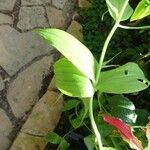
Gloriosa superba
Flame lily · Climbing-lily · Creeping-lily · Glory-lily · Gloriosa lily
Description
Source: leafsnapGloriosa superba, commonly known as the flame lily or glory lily, is a captivating plant belonging to the Colchicaceae family. Native to tropical and subtropical regions of Africa and Asia, this plant features long, slender stems that can reach up to 2 meters in height. It produces large, showy flowers with bright red petals tipped in yellow. The trumpet-shaped flowers possess a distinctive claw-like structure at the base of each petal. As a climbing plant, Gloriosa superba uses its tendrils to attach itself to nearby supports such as trees or trellises. It thrives in well-drained soil and can grow in both full sun and partial shade, with some tolerance for drought conditions. Historically, Gloriosa superba has been used for its anti-inflammatory properties. However, it's important to note that all parts of the plant are toxic if ingested by humans or animals. Due to its striking appearance and ease of cultivation, Gloriosa superba is also popular as an ornamental garden plant. It can be propagated from seeds or by dividing rhizomes in early spring. In summary, Gloriosa superba is an impressive flowering vine with unique characteristics, making it an attractive choice for garden enthusiasts looking for something distinct from traditional flowering plants.
💡 The flame lily is highly toxic, with all parts of the plant being potentially lethal if ingested. There have been reports of it being used in murders, suicides, and as a poison on the tips of hunting arrows. Unfortunately, its tubers can occasionally be mistaken for sweet potatoes or yams. Despite its dangers, some cultures regard the flame lily as magical and incorporate it into religious rituals.
🌳 The flame lily’s distinctive and dramatic appearance results in its use in traditional rituals and ceremonies across parts of Africa and Asia. Its dried seed pods are used as decorative elements, while the flowers are frequently employed to embellish festive clothing or offerings.
🎭 Passion, being proud, honor and glory, purity and beauty
Care Guide
💧 Water Every 7 days
The flame lily, native to tropical regions, flourishes in environments with high humidity and consistent moisture. To best mimic its natural habitat, water it once a week. During its active growth phase, ensure the soil remains moist but not waterlogged to promote optimal flowering. Remember that its watering requirements are closely linked to its growth cycle.
How should I water my Flame lily as it grows?
The water requirements of the Flame lily can vary depending on its growth stages. In the first few years and after transplanting, it needs more water as it focuses on developing new roots for future growth. These roots perform better with slightly more moisture. As the Flame lily matures, it requires less water. Additionally, during the blooming period, the plant may need more water to support flower development.
How do I water my Flame lily in different seasons?
The Flame lily has different water needs throughout the year. In the hottest months of summer, you may have to water it more than once per week, depending on how quickly the soil dries out. However, during the winter, the plant goes into a dormant phase and requires less water. In fact, you may not need to water it at all during this time. If you choose to water it in winter, do so no more than once a month to avoid the risk of disease.
What's the difference in how I should water my Flame lily inside vs outside?
For gardeners who do not live in temperate or tropical regions, growing the Flame lily indoors is most common. However, it's important to note that soil in a container can dry out faster than ground soil. If there are drying elements like air conditioning units present, the Flame lily may need more frequent watering compared to if it was planted outside. If you receive regular rainfall, you may not need to water the Flame lily much at all. On the other hand, if you grow this plant indoors, you will need to water it more often since it won't have the option of soaking in rainwater.
☀️ Light Full sun
The flame lily prefers strong light for vigorous growth. In its native habitat it receives abundant daylight. Nevertheless, it can still thrive with moderate light levels. Too much or too little sun may impact the plant's health and flowering behavior.
What are the sunlight requirements for the Flame Lily?
The Flame Lily requires full sun to partial sun exposure to thrive well. Full sun means the plant should get above 6 hours of sunlight a day, while partial sun refers to about 3-6 hours of sunlight a day. Observing the movement of sunlight through your garden helps in selecting spots offering the right balance of light and shade, crucial for the plants' health and happiness.
What are the essential conditions for Flame Lily's growth regarding light?
The Flame Lily enjoys intense light for vigorous growth, reflecting its native habitat's abundant daylight conditions. It can still flourish under moderate light. Both excessive and insufficient light can negatively influence the plant's health and flowering patterns. For indoor plants unable to receive adequate natural sunlight, especially in winter or less sunny areas, artificial lighting becomes essential. LED lights are recommended, with full sun plants needing 30-50W/sq ft, partial sun plants 20-30W/sq ft, and full shade plants 10-20W/sq ft of artificial light. The light source should be placed 12-36 inches above the plant and kept on for 8-12 hours a day to emulate natural daylight conditions.
What symptoms indicate incorrect light exposure for the Flame Lily?
Symptoms of incorrect light exposure for the Flame Lily include small or lighter-colored new leaves, leggy or sparse growth, faster leaf drop, slowed or ceased growth, chlorosis, sunscald, leaf curling, wilting, and leaf scorching. These conditions represent either insufficient or excessive light, impacting the plant's chlorophyll content, hydration, and overall health.
What solutions are available for Flame Lily experiencing poor light conditions?
For indoor Flame Lilys in low light, gradually move them to sunnier spots to ensure at least 6 hours of direct sunlight daily, using south-facing windows and keeping curtains open. Artificial light from desk or ceiling lamps, or professional grow lights, can supplement light for large or immobile plants. Outdoors, acclimatize plants to brighter conditions by shifting them progressively to avoid sunburn. Removing obstructions or transplanting during the dormant season (late winter or early spring) to sunnier locations with good drainage helps outdoor plants. While parts of the plant damaged by insufficient sunlight might not recover, new growth should be healthy once light exposure increases.
🌡️ Temperature 5–35°C
The flame lily is native to areas where temperatures range from 41 to 95 °F (5 to 35 ℃). It does best in moderate climates but can tolerate hotter summers and colder winters. Care should be taken to adjust its surroundings during extreme weather changes.
What temperature does a first-year or young Flame lily need?
If this is your first year growing a Flame lily and it's planted outside, it may need some extra care during the colder months. Frost can do more damage to a new Flame lily and even prevent it from regrowing in the spring. To protect it, you need to make sure the temperature stays above 40℉(5℃), which can be achieved by either bringing the plant indoors for a couple of months or using mulch or fabric barriers. During the first year or two, it's best to plant the Flame lily in a shadier area as smaller and weaker plants struggle to regulate their temperature in the heat. It's important to limit the direct sunlight to no more than five hours a day, especially if the temperature exceeds 80℉(27℃). To manage the summer heat, you can use shadecloth and ensure the plant is watered or misted frequently.
How can I keep Flame lily safe from very hot or cold temperatures?
To protect Flame lily from frost or cold damage during the growing season, there are a few measures you can take. If the temperatures drop below 15℉(-10℃), you can bring the container-grown Flame lily inside in bright, indirect light until the temperatures rise above the lower threshold. For ground-planted Flame lily, you can create an insulated barrier using mulch or horticultural fabric around the plant to protect it from frost and cold wind. In hot temperatures exceeding 80℉(27℃) in the shade, it is important to limit the exposure of Flame lily to sunlight. Aim for no more than six hours of sunlight per day, preferably during the morning hours. Installing shade cloth or fine plastic mesh can help reduce direct sunlight during the hottest parts of the day. Additionally, setting up a misting system can provide a slow release of cooling mist around the base of the plant to lower ground temperatures.
Recommended temperature during the dormant season for Flame lilies.
During the cold winter months, Flame lily enters a dormant state that helps it survive until the right time to sprout. If it starts sprouting too early, before the last frost has passed, it can be harmful to the plant, especially if it already started growing and then gets hit by frost. Ideally, the winter temperatures should be below 32℉(0℃), but if they reach 40℉(5℃), it's still okay. In some cases, a warm period during the winter, which can happen in more temperate climates like woodland rainforests, can cause Flame lily to sprout prematurely. If there's still a risk of frost, you can try protecting the sprout by covering it with clear plastic on stakes. Once the danger of frost is gone, you can remove the cover. Sometimes, Flame lily will naturally sprout at the right time without any help, but using this method increases the chances of a successful sprouting.
💨 Humidity
🪴 Soil 6-7
🌱 Fertilizer
The best time to fertilize a Flame lily is in early spring, when it is coming out of dormancy and beginning active growth. Fertilizer supplies essential nutrients for healthy development. Although the Flame lily has relatively low fertilizer needs, feeding it once a year can improve its survival and encourage better, longer-lasting blooms.
🪴 Pot & Repot Every 12 months
Flame lilies need excellent drainage in pots to thrive. Good drainage prevents waterlogging, which ensures healthy root development and overall plant vitality.
✂️ Pruning
To keep your flame lily healthy and beautiful, it's important to prune it from early to late spring. Focus on removing dead or damaged stems and trimming back any excessively long vines. This aligns with the plant's growth cycle and encourages strong growth and flowering. Pruning also helps prevent diseases and pests, ensuring the overall vigor and attractiveness of your flame lily.
🌿 Propagating
🐛 Diseases & pets
☠️ Toxicity
The glory lily plant contains high levels of colchicine, a harmful substance that is toxic to both humans and pets. Toxicity symptoms include numbness, vomiting, diarrhea, abdominal pain, shock, kidney failure, liver damage, and other potentially fatal reactions.
Characteristics
- Plant Type
- Herb, Vine
- Life Cycle
- Perennial
- Genus
- Gloriosa
- Family
- Colchicaceae
- Hardiness Zone
- 5-9
- Mature Height
- 1.52 m to 2.13 m
- Mature Spread
- 0.91 m to 1.22 m
- Leaf Color
- Green
- Leaf Type
- Deciduous
- Flower Color
- Red, Yellow
- Flower Size
- 10.16 cm to 20.32 cm
- Bloom Time
- Late spring, Early summer, Mid summer
- Planting Time
- Spring
- Harvest Time
- Mid summer, Late summer
- Native Area
- Sri Lanka, Burkina Faso, Somalia, India, Angola, Namibia, Madagascar, Rwanda, Pakistan, Eritrea, Nigeria, Kenya, Niger, Uganda, Tanzania, Zimbabwe, Guinea-Bissau, Benin, Sierra Leone, Indonesia, Cambodia, Equatorial Guinea, Cameroon, Mozambique, Burundi, Ghana, Ethiopia, Botswana, Congo, Nepal, Malawi, Central African Republic, South Africa, Zambia, Sudan, Laos, Guinea, Chad, China, Vietnam, Myanmar, Togo, Senegal, Eswatini, Côte d'Ivoire, Gambia, Congo (DRC), Thailand