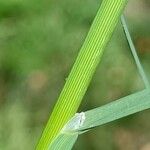
Glyceria fluitans
Floating Manna Grass · Floating Sweet Grass · Flote-grass · Water Mannagrass · Water Manna Grass
Description
Source: leafsnapGlyceria fluitans (syns Festuca fluitans, Poa fluitans, Panicularia fluitans), known as floating sweet-grass and water mannagrass, is a species of perennial grass in the genus Glyceria native to Europe, the Mediterranean region and Western Asia and occurring in wet areas such as ditches, riverbanks and ponds. It has a creeping rootstock, a thick stem which rises to one metre. The leaves are long, narrow and pale green, rough on both sides, often folded at the keel which lies on the surface of the water. The species epithet fluitans is Latin for "floating".
Care Guide
💧 Water
Water manna grass flourishes in consistently moist soil and thrives in environments with abundant water. It needs weekly watering and is ideally grown outdoors near streams or ponds, where it can take advantage of natural light and water cycles, especially during its active growing season.
What should I do if I give too much or too little water to my Water manna grass?
Proper watering is essential for the health of this beautiful ornamental grass. When planted in the ground, any watering issues can usually be resolved. However, when grown in a container, it is crucial to avoid both underwatering and overwatering, as either can quickly kill the Water manna grass. Insufficient water can cause the grass to stop growing and result in drooping leaves, weak seed head production, and browning. On the other hand, overwatering may lead to yellowing leaves with brown tips. If you suspect improper watering, the first step is to determine if the grass is receiving too much or too little water. In the case of excessive watering, it is essential to stop immediately and allow the soil to dry out. Checking the soil moisture and observing new growth will help decide if more watering is necessary. Conversely, if the grass is not getting enough water, a deep drink should revive it. Remember that infrequent, deep watering is always better than frequent, shallow watering. This encourages the growth of deep roots, making the grass more resilient to drought and watering issues.
How frequently do I need to water my Water manna grass?
The watering needs of Water manna grass vary depending on its location. Generally, watering once a week is sufficient. In hot climates, watering once or twice a week during the summer may be necessary. In moderate climates, watering once every seven days or more may be enough. Grass in containers typically require more frequent watering than grass in the ground. However, the location of the grass also plays a role, as shaded grass requires less frequent watering compared to grass in the ground. Water manna grass should only be watered when the soil is dry. Some key signs to determine if watering is needed include pressing your finger a couple of inches into the soil and checking if it's dry. For potted grass, you can also weigh the grass or feel if the pot is light, indicating a lack of water. Insufficient water can cause the blades of grass to appear folded along their centers and thinner than usual. Despite its drought tolerance, regular deep waterings will result in a beautiful color. In the wild, Water manna grass naturally grows in open scrubland, exposing it to extreme heat, bright sun, and intermittent rain. While this grass is drought resistant, it still requires care and attention. Even though it can handle harsh and dry conditions, consistent water is essential for optimal growth. When newly planted, Water manna grass needs frequent watering until it establishes deep roots. Potted grass tends to dry out quickly, especially when exposed to hot, direct sun. Testing the soil every 3 to 4 days and watering when it feels dry is recommended. Water manna grass in the ground generally requires less watering, but this can depend on the soil type. Heavy clay soil can hold water for a long time, potentially feeling dry on the surface while retaining sufficient moisture below. On the other hand, sandy soils that drain quickly may need more frequent watering.
What do I need to watch out for when I water my Water manna grass in different seasons, climates, or during different stages of growth?
To determine if you are providing enough water to your grass, you can observe its rate of growth. Water manna grass typically doubles in size within a year when watered during the hottest months. If it's hot outside but the grass isn't growing vigorously, you may need to adjust your watering schedule. In the winter, you might be able to water just once a month, but make sure to test the soil's moisture level by touching it. During the grass's growth cycle, it will require more water than usual in the warm months. However, during winter and cooler periods, the water needs will significantly decrease. Remember that it's crucial to let the soil completely dry out before adding water to the Water manna grass.
☀️ Light Full sun
Water manna grass has a strong preference for full sun, which allows it to thrive. Native to areas with abundant sunlight and limited shade, the plant does well under those conditions. Excessive shade can negatively affect its growth. There are no stages of development in which its light needs change significantly.
What kind of sunlight does Water manna grass need?
Water manna grass requires full sun daily, with a minimum of six hours of sunlight to maintain healthy leaves, roots, and blooms. While most perennials also require six hours of sunlight, certain plants like the Orange Daylily or Giant Coreopsis can survive on as little as three hours of direct sunlight each day. However, these perennial flowering plants will not flourish as well as they would in sunnier conditions.
Will sunlight harm Water manna grass? How can I shield Water manna grass from the sun and heat damage?
In warm climates, some Perennial Flowering Plants may struggle with excessive heat and suffer from sun damage. They can wilt, dry out, or even experience growth problems if they are consistently exposed to the intense afternoon sun. However, not all plants require protection from the light afternoon sun. For those that are harmed by intense afternoon exposure, it is recommended to provide them with some shade in warmer climates. Gardeners can achieve this by planting these plants in areas that do not receive direct heat during the afternoon, such as under trees or behind bushes.
Should I avoid exposing Water manna grass to the sun?
Certain perennial plants require ample sunlight to reach their maximum bloom. However, in warmer climates, some of these plants actually benefit from less sun. For instance, individuals residing in hotter regions might find it beneficial to shade their flowering perennials during the intense afternoon sun, especially during summer months. Although many perennial flowering plants prefer partial shade in the hottest climates, there are exceptions. Take the Giant Coreopsis, for example, as it is not bothered by excessive sun exposure. These plants can flourish even when placed in the full sun during scorching weather.
What happens if Water manna grass doesn't get enough sunlight?
If you're growing Water manna grass and it isn't receiving enough sunlight, you'll see signs that its needs are not being met. In this situation, the plants won't produce as many blooms compared to if they were getting full sun exposure. Some plants may develop dry spots on their leaves, but they will still bloom, albeit with smaller and less full flowers.
Does Water manna grass require specific sunlight care at different stages of growth?
Water manna grass flowers beautifully in gardens, especially when it receives at least six hours of sunlight per day. To help the flowers stay fresh, it can be beneficial for them to be partially shaded during the hottest times of the day. For young Water manna grass plants, it's important to ensure they receive sufficient sunlight while avoiding exposure to intense afternoon heat. On the other hand, fully mature plants should be provided with plenty of sunlight to support their proper growth.
🌡️ Temperature 0–35°C
Water manna grass can adapt to a wide range of temperatures, but its distribution may still be restricted by various combinations of water and heat. It does best in warm summers with sufficient rainfall or watering. Extended periods of cloudy, rainy weather and prolonged high temperatures can increase the chance of Water manna grass dying. In winter, appropriate protection from cold can raise the plant’s survival rate.
💨 Humidity
🪴 Soil
🌱 Fertilizer
🪴 Pot & Repot
✂️ Pruning
Water manna grass benefits greatly from early spring pruning, which promotes healthy regrowth. By removing dead stems and thinning dense clumps, you can enhance air circulation, reduce the risk of disease, and maintain the plant's aesthetic appeal. Regular pruning also helps control its spread, thereby supporting its overall health and vitality.
🌿 Propagating
🐛 Diseases & pets
☠️ Toxicity
Characteristics
- Plant Type
- Grass
- Life Cycle
- Perennial
- Genus
- Glyceria
- Family
- Poaceae
- Hardiness Zone
- 3-9
- Mature Height
- 49 cm
- Mature Spread
- 49 cm
- Leaf Color
- Light Green
- Leaf Type
- Deciduous
- Flower Size
- 1.52 cm to 3.56 cm
- Bloom Time
- Late spring, Early summer, Mid summer
- Planting Time
- Spring, Summer
- Harvest Time
- Mid summer, Late summer, Early fall
- Native Area
- Turkey, Sweden, Austria, Slovakia, Montenegro, Slovenia, Morocco, Croatia, Belarus, Russia, Germany, Iceland, Estonia, Romania, Latvia, Belgium, Portugal, Netherlands, France, Czech Republic, Bulgaria, Armenia, Poland, Greece, Ukraine, Serbia, Lithuania, Norway, Italy, Spain, Switzerland, Denmark, Finland, Albania, Ireland, United Kingdom, Hungary, Azerbaijan