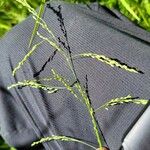
Glyceria striata
Fowl manna grass · Fowl-meadow grass · Fowl mannagrass · Nerved Mannagrass · Ridged Glyceria
Description
Source: leafsnapGlyceria striata is a species of Glyceria which is known by the common names fowl mannagrass and ridged glyceria. It is native to much of North America, from Alaska and northern Canada to northern Mexico. It is a common bunchgrass species found in wet areas, often in forests. Glyceria striata bears erect stems exceeding a meter in maximum height and firm, narrow leaves. The spreading branches of the inflorescence hold oval-shaped to nearly round spikelets each with generally fewer than six florets.
Care Guide
💧 Water
Fowl Mannagrass, which typically grows in wet meadows, thrives in areas with high humidity and consistently moist conditions. Although it can tolerate some drought, it prefers stable moisture levels and requires weekly watering. This grass grows especially well during wet seasons and is often found near bodies of water.
☀️ Light Full sun
Fowl Mannagrass grows best with full, unobstructed sunlight and can tolerate partial shade. Because it comes from habitats with plentiful light, both insufficient and excessively intense light can inhibit its growth. Its sunlight needs may vary through different growth stages, but consistently strong light is beneficial.
What are the sunlight requirements for Fowl Mannagrass?
Fowl Mannagrass requires above 6 hours of sunlight (full sun) for optimal growth but can manage in about 3-6 hours of sunlight (partial sun). It's crucial to observe how sunlight moves through your garden to choose spots that offer a good balance for the plant's needs, ensuring it thrives.
How does sunlight affect the growth of Fowl Mannagrass?
Sunlight plays a significant role in the growth of Fowl Mannagrass, originating from environments with abundant light. While it prefers unobstructed sunlit conditions, it can tolerate somewhat shaded areas. However, deficient or extreme light exposure can hinder its growth, making robust light consistently beneficial throughout its growth stages.
Can artificial lighting be used for Fowl Mannagrass indoors?
Yes, artificial lighting can be a vital solution for Fowl Mannagrass growth indoors, especially when natural sunlight is insufficient. LED lights are recommended, as they can be customized to provide necessary wavelengths. Full sun plants require 30-50W/sq ft, partial sun plants need 20-30W/sq ft, and full shade plants 10-20W/sq ft of artificial light. The light source should be placed 12-36 inches above the plant, mimicking natural daylight hours, with most plants needing 8-12 hours of light per day.
What are the symptoms of light deficiency in Fowl Mannagrass?
Symptoms of light deficiency in Fowl Mannagrass include smaller new leaves than the previous ones, leggy or sparse growth, faster leaf drop, slower or no new growth, lighter-colored new leaves, chlorosis (leaves turning yellow due to chlorophyll breakdown), sunscald (damaged areas on leaves/stems from intense sunlight), leaf curling (as a defense mechanism against excessive sunlight), wilting (due to increased water loss), and leaf scorching (brown, dry, and crispy leaf edges from too much sunlight).
How can you improve the sunlight conditions for Fowl Mannagrass?
To improve sunlight conditions for Fowl Mannagrass, gradually move plants to sunnier locations, ensuring at least 6 hours of direct sunlight daily. For indoor plants, consider using artificial lighting for additional support. For outdoor plants, avoid sudden light intensity changes to prevent sunburn. Remove any obstructions like branches from trees that block sunlight and consider transplanting smaller plants during their dormant period to sunnier spots with good drainage.
🌡️ Temperature 0–32.2°C
Fowl Mannagrass naturally occurs in habitats with temperatures between 32 and 90°F (0 to 32 ℃). It does best inside that temperature band, indicating a preference for moderate climates. Seasonal temperature changes may be necessary to sustain its optimal growth.
What is the native environment of Fowl Mannagrass?
Fowl Mannagrass, scientifically known as Glyceria striata, thrives in environments where temperatures range between 32°F and 90°F (0°C to 32°C). This indicates a preference for moderate climates, where it can grow optimally without the need for seasonal temperature adjustments. Due to its strong cold resistance, Fowl Mannagrass usually does not require special frost protection measures in winter. However, in extremely cold conditions where temperatures are expected to drop below -35°C, providing cold protection by covering the plant with soil or straw is advisable. Additionally, watering the plant abundantly before the first freeze in autumn to keep the soil moist can help prevent drought and water scarcity during winter and early spring.
How does Fowl Mannagrass react to low temperatures?
Fowl Mannagrass is highly cold-tolerant, performing best in conditions above 0°C. During winter months, it's important to ensure that the temperature does not fall below -30°C to prevent damage. If temperatures plummet below -35°C, the plant may not show immediate damage during winter, but you might notice a decrease in sprouting or even a complete lack of sprouting in spring. To mitigate the consequences of extreme cold exposure, removing parts of the plant that have failed to sprout in the spring is recommended.
What should I do if Fowl Mannagrass is exposed to high temperatures?
Exposure to high temperatures, specifically above 32°C during the summer months, can cause stress to Fowl Mannagrass, leading to symptoms such as lighter-colored leaves, curling, susceptibility to sunburn, and in severe cases, wilting and drying out of the entire plant. To cope with these conditions, it's advisable to trim away the sunburned and dried-up parts of the plant. Relocating the plant to a shaded area or employing a shade cloth to protect it from the midday and afternoon sun can be beneficial. Ensuring the soil remains moist by watering the plant in the morning and evening can also help mitigate heat stress.
💨 Humidity
🪴 Soil
🌱 Fertilizer
🪴 Pot & Repot
✂️ Pruning
To promote healthy growth, prune fowl mannagrass in early spring by trimming old stems. Regularly remove any dead or diseased material to improve air circulation and prevent disease. This practice enhances the plant's vigor and aesthetic appeal, while also ensuring optimal growing conditions.
🌿 Propagating
🐛 Diseases & pets
☠️ Toxicity
Characteristics
- Plant Type
- Grass
- Life Cycle
- Perennial
- Genus
- Glyceria
- Family
- Poaceae
- Hardiness Zone
- 3-8
- Mature Height
- 0.3 m to 1.22 m
- Mature Spread
- 15 cm
- Leaf Color
- Green, Blue
- Leaf Type
- Deciduous
- Flower Color
- White, Yellow, Green, Brown
- Flower Size
- 6.35 cm to 27.94 cm
- Bloom Time
- Late spring, Early summer, Mid summer
- Planting Time
- Summer, Autumn
- Harvest Time
- Mid summer, Late summer, Early fall