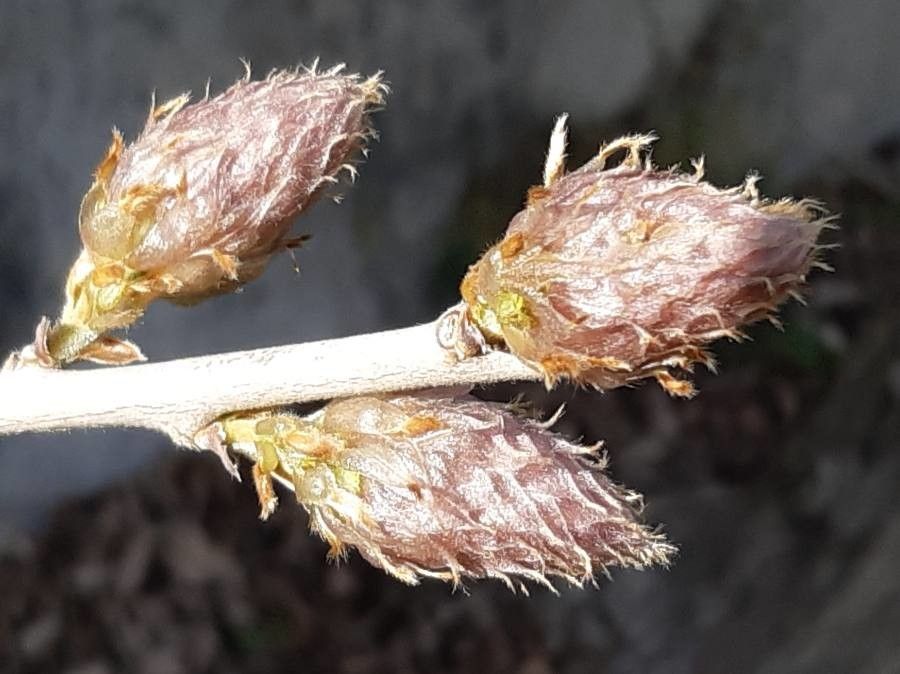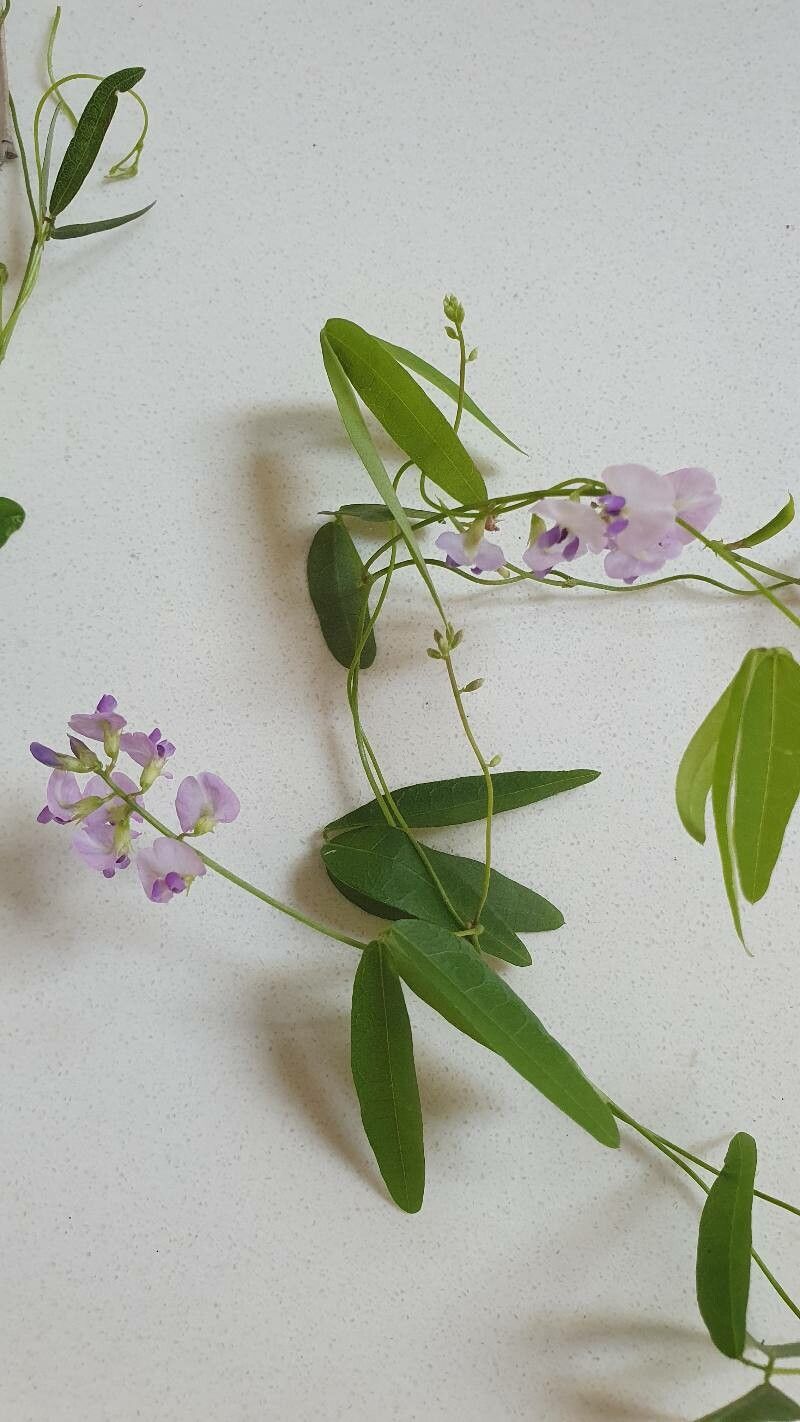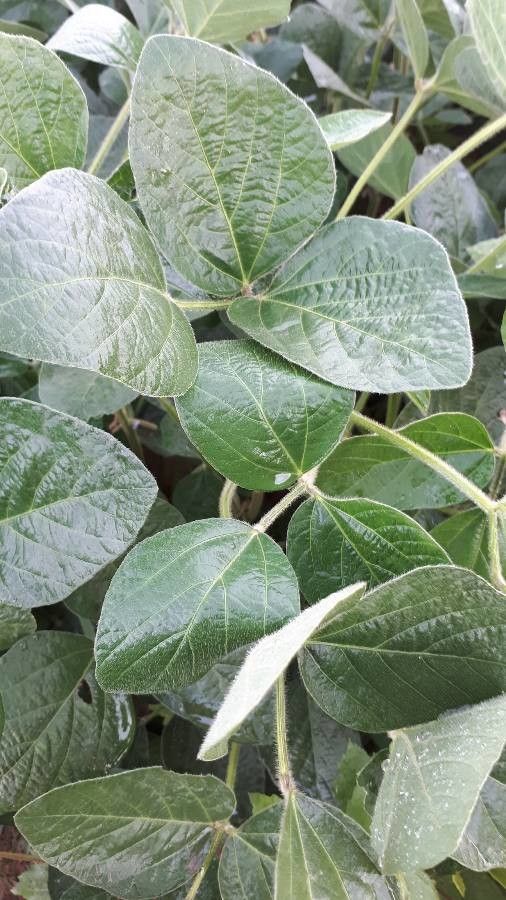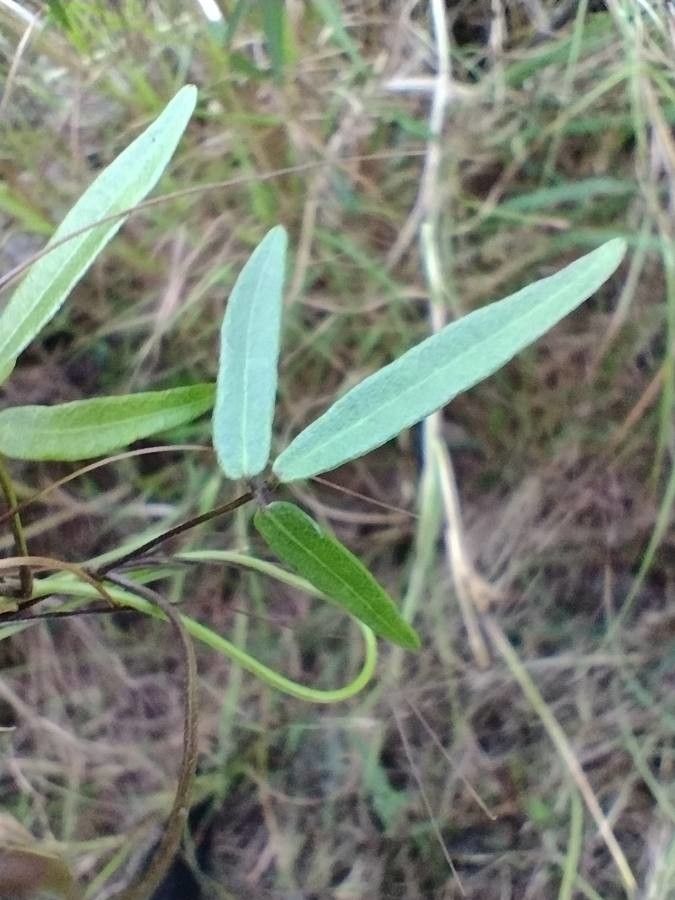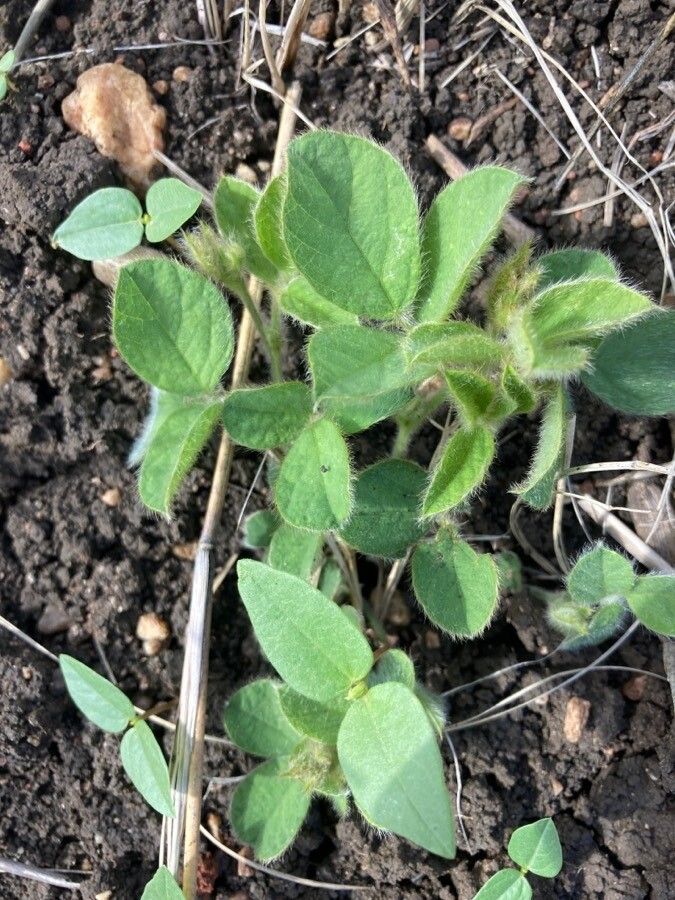
Glycine tomentella, called the woolly glycine or rusty glycine, is a species of soybean found in Australia, New Guinea, New Caledonia, the Philippines, Taiwan and southeast coastal China. In Australia, it is found in New South Wales, Queensland, the Northern Territory and Western Australia. Glycine tomentella is a complex of polyploid forms, with 2n=38, 2n=40, 2n=78 and 2n=80 chromosome counts detected in different populations. All four forms are found in Australia, the 40‑chromosome and 78‑chromosome forms are also found in New Guinea, and the 80‑chromosome form is found across the entire range.
Woolly glycine has strong resistance to disease and is usually not susceptible to illnesses. Regarding care, this plant is fairly low-maintenance. When grown outdoors, it needs little watering and larger plants typically do not require pruning. However, smaller plants should be pruned after they have finished blooming. Woolly glycinet is suitable for people with an outdoor area, such as a garden or deck, and does not demand much prior plant-care experience.
How to keep Glycine Tomentella.
Light
Woolly glycine is native to bright, open spaces like sunny meadows and fringes of forests where there is plenty of light. It flourishes in full sunlight, yet it can also withstand partial sunlight, demonstrating its adaptability to different levels of sunlight exposure.
Water
Woolly glycine is well-suited for environments with balanced humidity and can also tolerate drought conditions. It needs to be watered every three weeks but efficiently retains moisture due to its evergreen nature. This adaptability makes it ideal for outdoor cultivation in temperate climates, where it thrives thanks to its origins in regions with moderate rainfall.
Temperature
The woolly glycine is native to tropical regions, which are usually hot and moist. Therefore, it is quite acclimated to hot and humid climates. It does not fare well with abrupt changes in temperature and prefers a consistent temperature setting. Hence, indoor temperature changes should be kept at a minimum for this plant. It is generally intolerant of chilly climate and demands higher temperatures to grow. If the surrounding temperature dips excessively, it may hinder the plant's growth or even cause it to perish.
Fertilizer
The care of Woolly glycine depends significantly on fertilization. Consistent nourishment during the growth phase aids in maintaining energy for vibrant foliage and promoting general growth. Failing to properly fertilize can lead to unhealthy foliage, reduced aesthetic value, and hindered or fragile growth that's susceptible to breaking.
Pruning
Woolly glycine is a perennial climbing legume known for its dense, hairy leaves. To manage its growth, prune it in early spring by removing any damaged stems and shaping the plant to improve air circulation. This helps to reduce the risk of disease. Be sure to use clean, sharp tools during pruning to encourage strong growth and maximize the plant's flowering potential.
Botanical profile.
- Plant Type
- Vine
- Life Cycle
- Perennial
- Genus
- Glycine
- Family
- Fabaceae
- Hardiness Zone
- 9-11
- Mature Height
- 0.61 m to 1.22 m
- Mature Spread
- 0.49 m to 1.52 m
- Leaf Color
- Dark Green, Olive Drab
- Leaf Type
- Semi-evergreen
- Flower Color
- Lavender, Purple
- Flower Size
- 0.51 cm
- Bloom Time
- Summer
- Planting Time
- Spring, Summer
- Harvest Time
- Late summer, Early fall, Mid fall
- Native Area
- Indonesia, Philippines, China