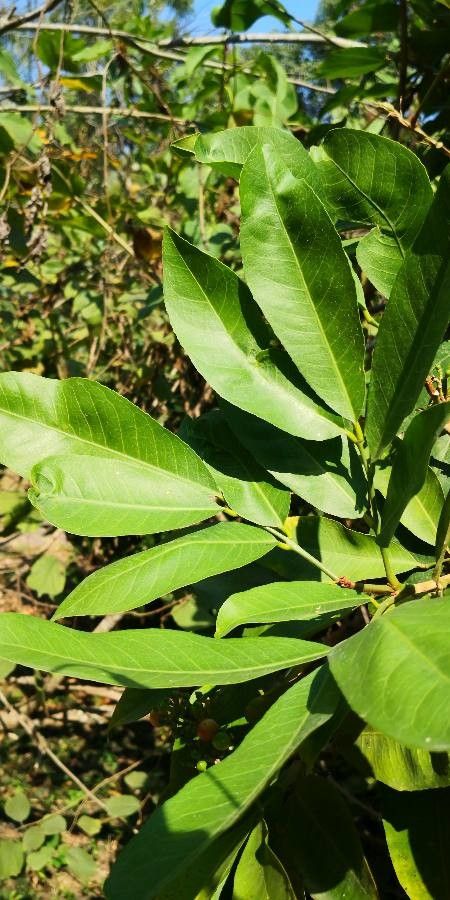
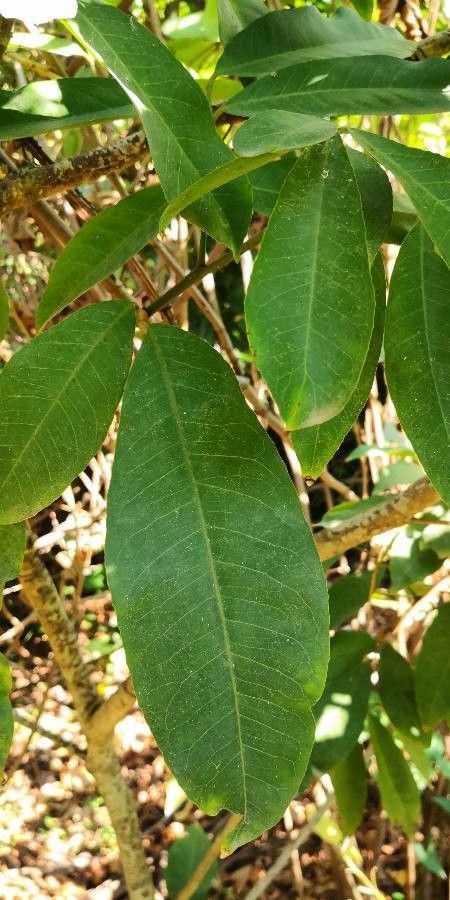
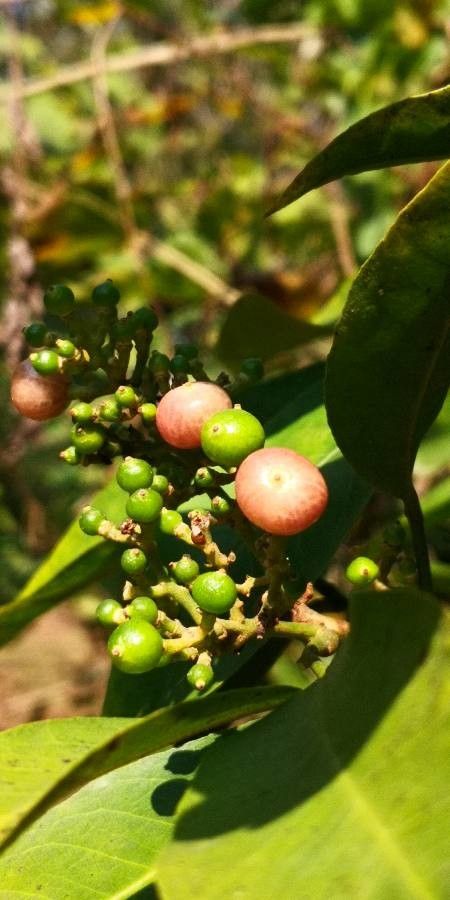
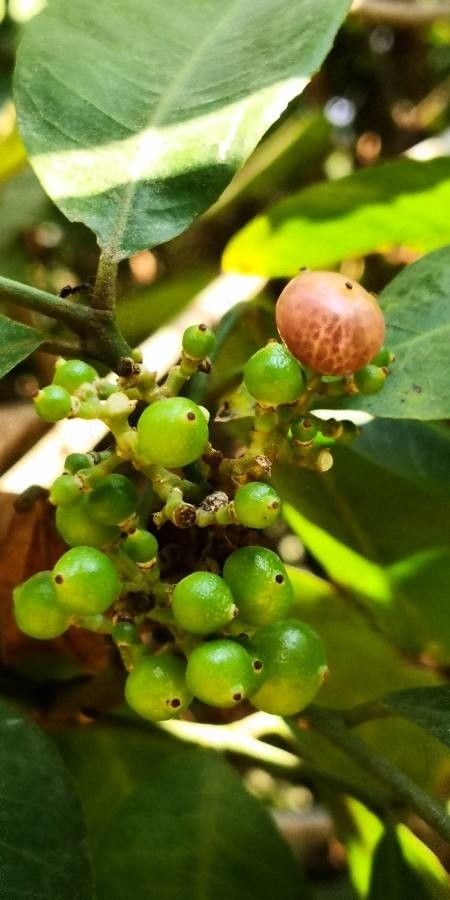
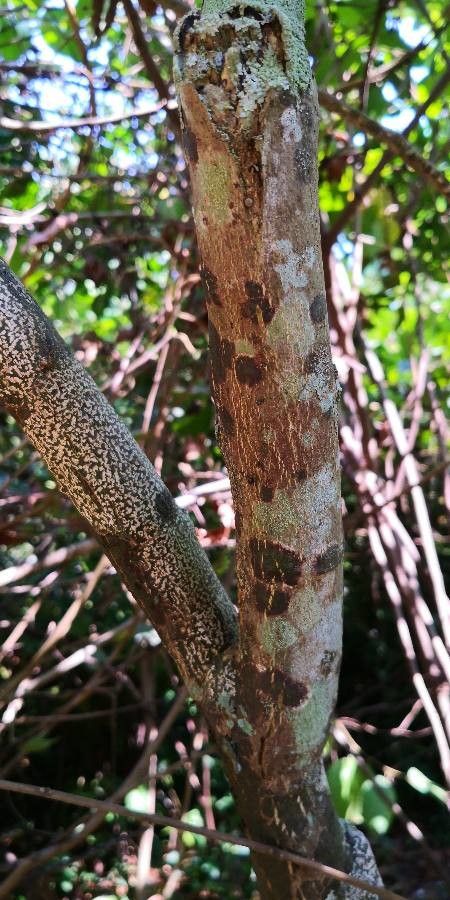
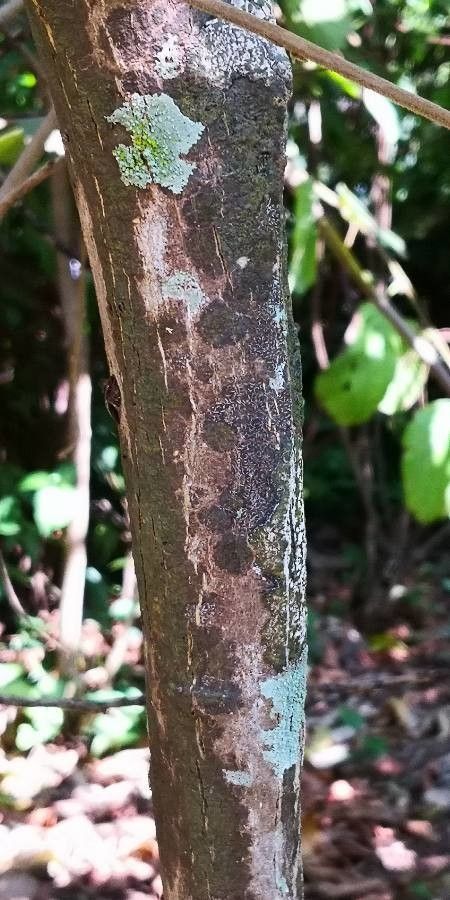
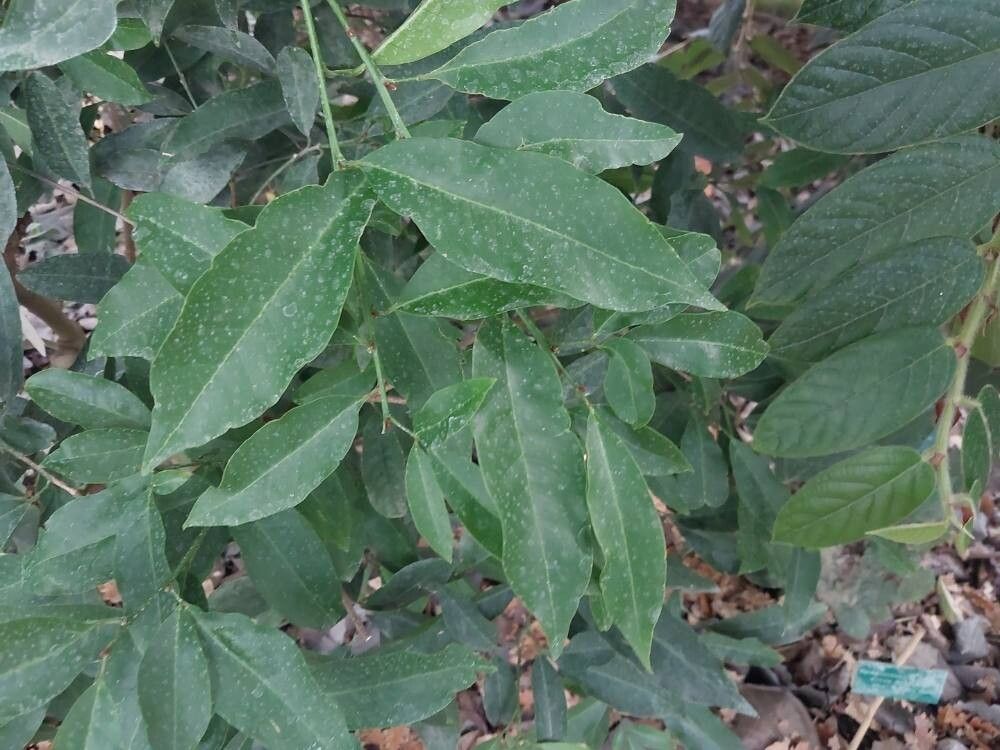
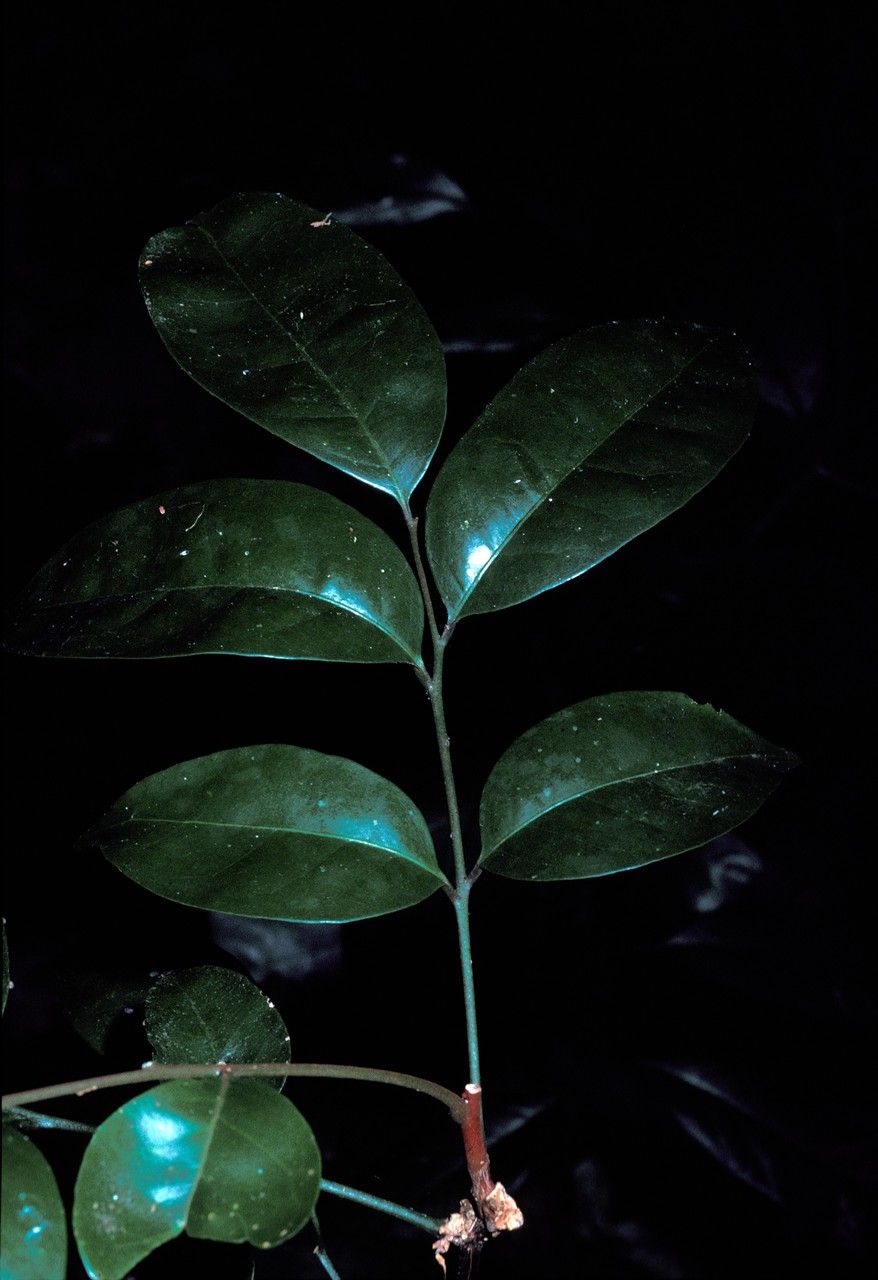
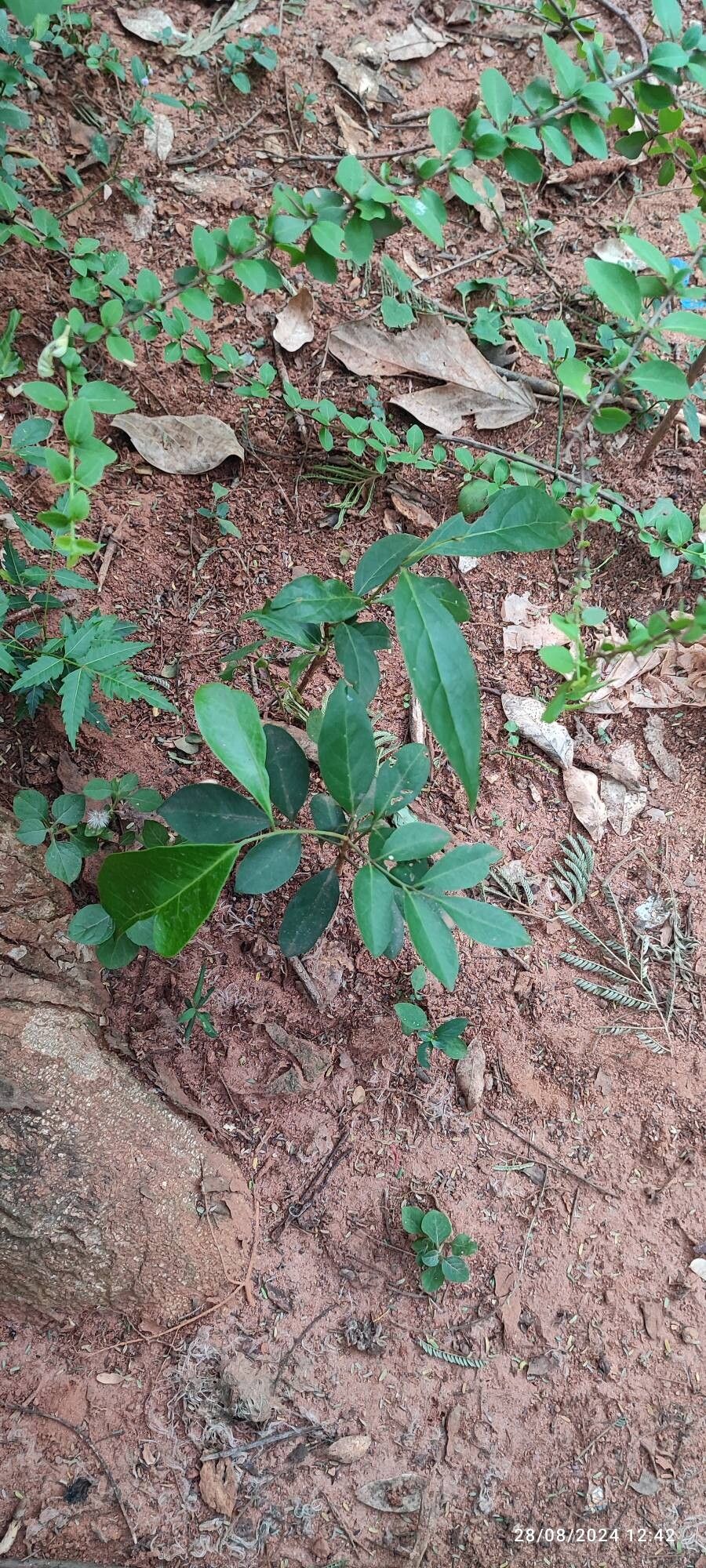
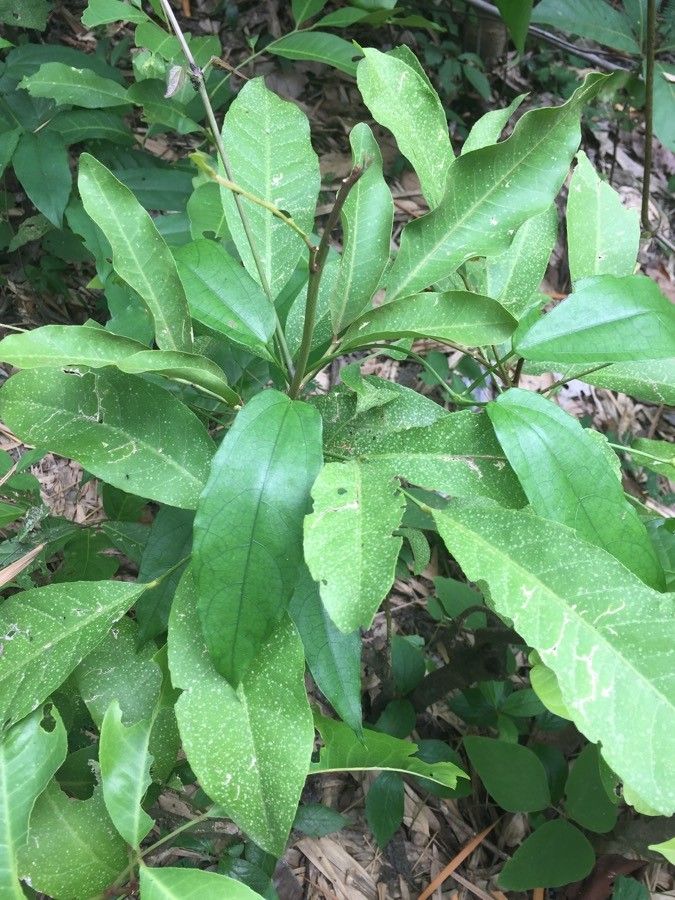
Glycosmis parviflora is a species of flowering plant in the family Rutaceae, known commonly as Chinese glycosmis and Jamaican Mandarin-orange. It occurs in China, Japan, Taiwan, Myanmar and Vietnam. It is widely naturalized in the tropics including in the West Indies. In temperate zones, it can be cultivated indoors as a houseplant.
Chinese glycosmis has strong disease resistance and is generally not easily affected by diseases. In terms of care, this plant is fairly low-maintenance. When grown outdoors it needs only light watering, and larger specimens typically do not require pruning. Smaller plants, however, should be pruned after they have finished blooming. Chinese glycosmist is suitable for anyone who has an outdoor area, such as a garden or a deck, and does not require extensive plant care experience.
How to keep Glycosmis Parviflora.
Light
Chinese glycosmis is native to habitats like forest understories and rocky areas, where it grows in natural shade. It prefers partial sun but can tolerate full sun or full shade, demonstrating its versatile, hardy nature.
Water
Chinese glycosmis flourishes with moderate water levels, avoiding both extreme humidity and severe drought. To maintain its health, water it every 2-3 weeks. This plant thrives in tropical climates characterized by regular rainfall, making it ideal for regions with consistent rain patterns.
Temperature
Chinese glycosmis comes from tropical areas, where the climate is generally warm and humid. Consequently, it is well suited to high temperatures and moisture. It does not tolerate rapid temperature changes and favors a steady temperature environment, so it is important to avoid temperature swings indoors. It usually cannot withstand cold and requires warmer conditions to grow. If the surrounding temperature falls too low, the plant may stop growing or even die.
Fertilizer
The best time to fertilize a Chinese glycosmis is in early spring as it breaks dormancy. This encourages overall growth and flower development. Fertilizer improves the foliage, stems, and branches, and supports flowers that are larger, more vivid, and longer-lasting. It helps transport nutrients from the roots to the blooms and enhances the plant’s health and resistance to disease.
Pruning
Chinese glycosmis, known for its fragrant flowers and evergreen leaves, thrives with proper pruning. It’s important to remove dead wood and thin the branches to improve airflow. For optimal growth and flowering, prune the plant during its dormant period from early to late winter. Always use clean, sharp tools to ensure effective healing.
Botanical profile.
- Plant Type
- Tree, Shrub
- Life Cycle
- Perennial
- Genus
- Glycosmis
- Family
- Rutaceae
- Hardiness Zone
- 10-12
- Mature Height
- 0.91 m to 3.05 m
- Mature Spread
- 0.91 m to 2.13 m
- Leaf Color
- Green
- Leaf Type
- Evergreen
- Flower Color
- White
- Flower Size
- 3.05 cm to 15.24 cm
- Bloom Time
- Late spring, Summer, Early fall
- Planting Time
- Spring, Autumn
- Harvest Time
- Late summer, Fall
- Native Area
- Indonesia, Cambodia, Vietnam, Myanmar, Japan, Philippines, Laos, Thailand, China
Other names.