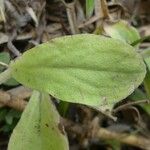
Gnaphalium purpureum
Spoon-Leaf Purple Everlasting · American cudweed · American everlasting · Spoonleaf purple everlasting · Catfoot
Description
Source: leafsnapGamochaeta ustulata, commonly named featherweed or Pacific cudweed, is a North American species of flowering plant in the family Asteraceae. It is native to the western United States and southwestern Canada, in British Columbia, Washington, Oregon, and California. It is found primarily on seaside hills and in the Coast Ranges, with additional populations inland.Gamochaeta ustulata is an annual or perennial herb up to 40 cm (16 in) tall. Leaves are up to 5 cm (2.0 in) long, green on the top but appearing white on the underside because of many woolly hairs. The plant forms many small flower heads in elongated arrays. Each head contains 4–6 yellow disc flowers but no ray flowers.
Care Guide
💧 Water
☀️ Light Full sun
The purple cudweed grows vigorously when it receives plentiful sunlight, especially throughout all stages of development. Native to well-lit habitats, the plant weakens if it does not get enough light, exhibiting stunted growth or a pale appearance. Excessive light does not appear to harm it.
🌡️ Temperature 0–32.2°C
Purple cudweed can tolerate a broad range of temperatures, but its range may still be restricted by particular mixes of moisture and heat. It does best in warm summer climates with sufficient rainfall or regular watering. Extended periods of cloudy, rainy weather or prolonged high temperatures can raise the chance that Purple cudweed will die. In winter, protecting the plant from cold can increase its survival.
💨 Humidity
🪴 Soil 6-7
🌱 Fertilizer
Purple cudweed benefits from regular, light feedings of fertilizer to encourage healthy leaf growth. You should fertilize Purple cudweed about once a month during the summer. Nitrogen is essential for foliage, and adding nitrogen-rich sources helps Purple cudweed thrive.
🪴 Pot & Repot
✂️ Pruning
🌿 Propagating
🐛 Diseases & pets
☠️ Toxicity
Characteristics
- Plant Type
- Herb
- Life Cycle
- Annual, Biennial, Perennial
- Genus
- Gnaphalium
- Family
- Compositae
- Hardiness Zone
- 8-11
- Mature Height
- 10 cm to 49 cm
- Mature Spread
- 5 cm to 15 cm
- Leaf Color
- Green, Blue
- Leaf Type
- Evergreen
- Flower Color
- White, Yellow, Brown
- Flower Size
- 2.54 cm
- Bloom Time
- Mid spring, Late spring, Early summer
- Planting Time
- Spring, Summer, Autumn
- Harvest Time
- Early summer, Mid summer
- Native Area
- Colombia, Bahamas, Cuba, Honduras, Mexico, Guatemala, Bolivia, Venezuela, Peru, El Salvador, Nicaragua, Ecuador, Costa Rica, Panama, Jamaica