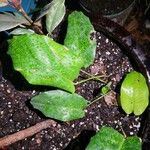
Goeppertia kegeljanii
Mosaic plant · Calathea Network · Calathea musaica (a synonym which persists in the horticultural trade)
Description
Source: leafsnapCalathea Musaica (Goeppertia kegeljanii), also known as the Calathea Network or Network Prayer Plant, is a Marantaceae or 'prayer plant' family tropical plant. It is a Brazilian native with spectacular leaves that are popular in interior home design. It's a slow-growing plant that may reach a height of 2 feet (60 cm) and a width of 3 ft (90 cm). Calathea musaica does not appear to be as remarkable as other members of the family, which are known for their vibrant colors and unique leaf patterns. However, upon closer examination, the plant reveals its own appeal. A network of dark green threads crosses each other to form a mosaic-like design that covers each leaf.
Care Guide
💧 Water 1 to 2 times a week
Watering your Calathea Musaica requires some trial and error. It does require frequent damp soil, but overwatering will cause its roots to decay. If you submerge the leaves in water, they will wilt. One way to avoid watering mistakes is to be sure your plant actually needs it. Water your Calathea generously if the first inch of soil is dry when you insert your finger in it. During the growth season, Calathea plants may require weekly watering. In the winter, water the tropical plant less regularly. It's vital to keep your plant hydrated at all times using filtered or distilled water. This keeps the leaf tips from becoming brown owing to contaminants in the tap water. Take note that you have to make sure the pot is fully dry after watering.
☀️ Light Partial sun
Calathea originates from habitats like forest understories and rocky areas, where it grows in natural shade. It prefers partial sun but can tolerate full sun or full shade, reflecting its adaptable and hardy character.
🌡️ Temperature 20–37.8°C
Calathea comes from tropical areas, where the weather is generally warm and humid. Consequently, it is well suited to high temperatures and moisture. It does not tolerate sudden temperature shifts and prefers a steady temperature, so avoiding fluctuations indoors is important. It usually cannot endure cold conditions and needs warmer temperatures for growth. If the surrounding temperature falls too low, the plant may stop growing or even die.
💨 Humidity
🪴 Soil 5-6
🌱 Fertilizer
Proper fertilization is essential for a Calathea's health and appearance. Fertilize Calathea in the summer, repeating the application monthly throughout the season. Nutrients provide energy for growth and help maintain the plant’s tissues. Regular fertilizing improves Calathea’s flowering, ensuring it produces the best blooms.
🪴 Pot & Repot 3-4 years
To repot a Calathea, pick a pot slightly larger than the previous one that provides good drainage. Repot during spring or fall, and use a well-draining potting mix. Plant it at the same depth as before. Thoroughly water the plant after repotting and place it in a warm spot with bright, indirect light. Avoid overwatering to prevent root rot.
✂️ Pruning
Calathea plants are known for their vibrant and patterned foliage. For the best results, it is recommended to prune them in early spring. This encourages new growth, helps manage the plant's size, and reduces stress on the roots. To improve the plant's overall health, minimize pest issues, and enhance air circulation, trim any damaged leaves at the base using clean, sharp tools.
🌿 Propagating
🐛 Diseases & pets
☠️ Toxicity
Characteristics
- Plant Type
- Herb
- Life Cycle
- Perennial
- Genus
- Goeppertia
- Family
- Marantaceae
- Hardiness Zone
- 10-11
- Mature Height
- 30 cm to 61 cm
- Mature Spread
- 30 cm to 61 cm
- Leaf Color
- Dark Green, Light Green
- Leaf Type
- Evergreen
- Flower Color
- White
- Flower Size
- 2.03 cm to 3.05 cm
- Bloom Time
- All year round
- Planting Time
- Spring, Autumn
- Harvest Time
- All year round
- Native Area
- Brazil