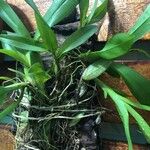
Gomesa flexuosa
Dancing doll orchid
Description
Source: wikipedia (CC BY-SA)Gomesa flexuosa is a species of orchid found from eastern and southern Brazil to north-central Argentina. It was formerly within the genus Oncidium until a phylogenetic study published in 2009 transferred it and some other Oncidium species to Gomesa.
💡 Since the common name is not provided, I conducted some research and discovered that the name is "Dancing-Doll Orchid." However, the CMS does not allow me to add a description or name story without selecting a common name. As far as I know, the common name cannot be selected if it is not already listed in the CMS. Whenever I click 'save,' everything just disappears. The same issue arose when I tried to leave a comment in the 'comment section' without filling out the 'name story' and 'interesting facts' sections. As a result, I skipped working on this species and left my comment here instead. The same problem occurs on page 37. I hope I have described the issues clearly and accurately. Thank you.
Care Guide
💧 Water
The dancing ladies orchid, native to tropical forest understories, thrives in consistently humid environments and exhibits moderate drought tolerance. To mimic its natural rhythm, water the plant weekly. When grown indoors as an epiphytic orchid, maintaining higher ambient humidity can boost its growth and flowering during its active growing season.
☀️ Light Partial sun
The dancing ladies orchid thrives when it receives a mix of shade and sunlight and can tolerate both high and low levels of light. Its natural habitat suggests similar light conditions. If exposed to too much or too little sun, growth may slow and the plant may show visible signs of stress.
What are the sunlight requirements for Dancing Ladies Orchid (Gomesa flexuosa)?
The Dancing Ladies Orchid flourishes under a mix of shadow and sun rays, showcasing its resilience by thriving in conditions of both abundant and deficient light, reminiscent of its native habitat. This orchid requires about 3-6 hours of sunlight for partial sun conditions and more than 6 hours for full sun to full shade conditions. It's essential to observe how sunlight transitions through your garden, selecting locations that offer an ideal harmony of light and shade to ensure the plant's well-being.
How can artificial lighting benefit indoor Dancing Ladies Orchids?
Indoor Dancing Ladies Orchids benefit significantly from artificial lighting, especially when natural sunlight is insufficient, such as during winter or in less sunny spaces. Artificial lights, like LED, can provide the necessary wavelengths of light for optimal growth, mimicking natural sunlight. Correctly choosing the type of artificial light, determining the light's distance (12-36 inches above the plant), and setting the duration of exposure (8-12 hours per day) are crucial steps. This approach caters to the needs of full sun, partial sun, and full shade plants by promoting healthier and faster growth.
What are the signs of insufficient light in Dancing Ladies Orchid, and how can it be addressed?
When Dancing Ladies Orchids receive insufficient light, they may show symptoms such as smaller new leaves, leggy or sparse growth, quicker leaf drop, stunted or ceased growth, and the development of lighter-colored or yellow leaves (chlorosis). To address these issues, gradually relocate your plant to sunnier spots each week until achieving 3-6 hours of direct sunlight daily. If relocating isn't feasible, particularly for larger indoor plants, consider using artificial lighting for at least 8 hours daily or investing in professional plant grow lights.
How can outdoor Dancing Ladies Orchids be protected from excessive sunlight?
Outdoor Dancing Ladies Orchids can suffer from excessive sunlight exposure, leading to symptoms like sunscald, leaf curling, wilting, and leaf scorching. To protect these plants, gradually acclimate them to sunlight by moving them to progressively sunnier spots each week. This gradual adaptation helps prevent sunburn. In cases of insufficient sunlight, minimizing obstructions and, for smaller plants, considering transplantation during their dormant period to a location with ample sunlight, are effective strategies. It's important to handle areas obstructed by trees or other barriers by pruning branches and leaves as needed to enhance sunlight access.
🌡️ Temperature 20–37.8°C
The dancing ladies orchid prefers warm conditions. It does best in moderately high temperatures but not in extreme heat and humidity. Sunlight warms the plant and encourages blooming. However, extended direct sun in summer can cause sunburn, so the amount of sunlight it gets should be limited during that season. The plant is generally intolerant of cold and needs sufficient protection and warmer conditions in winter to avoid freezing.
What is the Dancing Ladies Orchid?
The Dancing Ladies Orchid is known botanically as Gomesa flexuosa. It does not have specified essentials or symptoms listed in the provided information.
💨 Humidity
🪴 Soil 5-7
🌱 Fertilizer
Adequate fertilization is essential for Dancing ladies orchid's health and appearance. Fertilize Dancing ladies orchid during summer, applying fertilizer once a month throughout summer. Nutrients fuel growth and help maintain the plant's parts. Fertilization improves Dancing ladies orchid's flower display, ensuring the best blooms.
🪴 Pot & Repot
When repotting a Dancing Ladies orchid, select a slightly larger pot with good drainage, ideally a clear orchid pot. Use a well-draining, orchid-specific potting mix that includes bark or moss. Gently clean the roots and trim any that are dead or rotting. Repot after flowering, typically in spring or fall, water thoroughly, and set in bright, indirect light. Avoid disturbing the roots after repotting.
✂️ Pruning
The dancing ladies orchid showcases beautiful arching sprays of yellow flowers. To maintain their health, these plants need light pruning from late winter to early spring while they are dormant. During this time, remove any dead or overcrowded branches to improve air circulation and prevent disease. Be sure to use sterilized tools for pruning to ensure healthy growth and vibrant blooms in the upcoming season.
🌿 Propagating
🐛 Diseases & pets
☠️ Toxicity
Characteristics
- Plant Type
- Herb
- Life Cycle
- Perennial
- Genus
- Gomesa
- Family
- Orchidaceae
- Hardiness Zone
- 10-12
- Mature Height
- 30 cm to 61 cm
- Mature Spread
- 20 cm to 40 cm
- Leaf Color
- Forest Green
- Leaf Type
- Evergreen
- Flower Color
- Yellow, Gold
- Flower Size
- 2.03 cm to 3.05 cm
- Bloom Time
- Early spring, Mid fall, Late fall, Winter
- Planting Time
- Spring, Summer, Autumn
- Harvest Time
- Mid spring, Late spring, Early summer
- Native Area
- Brazil