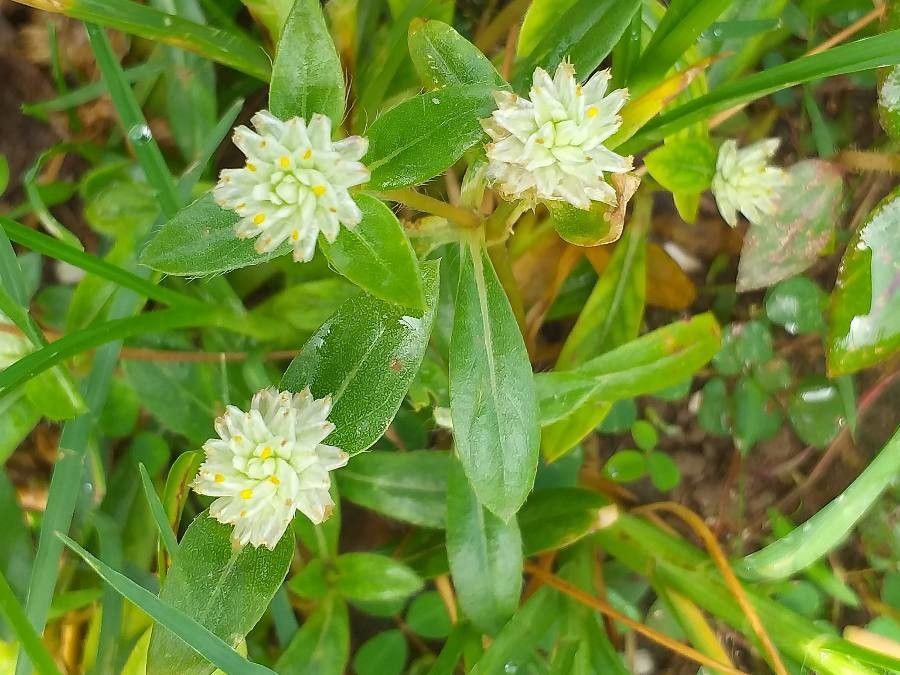
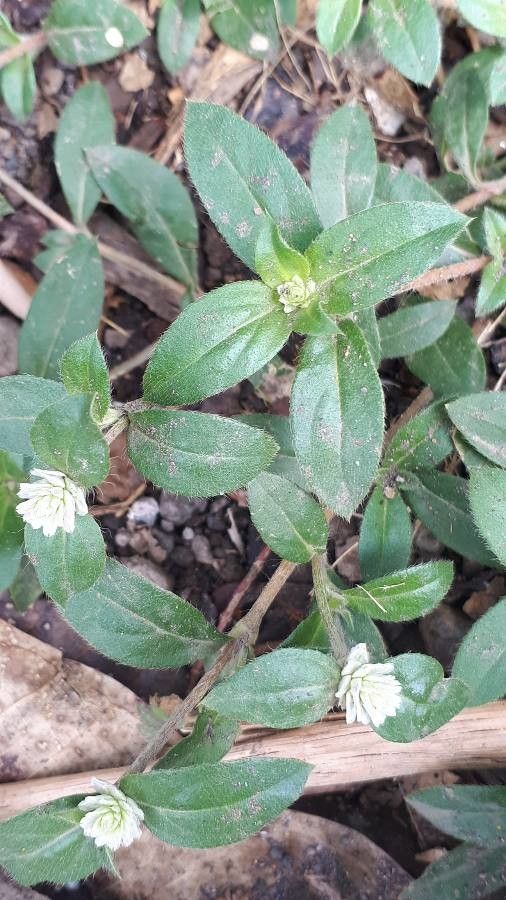
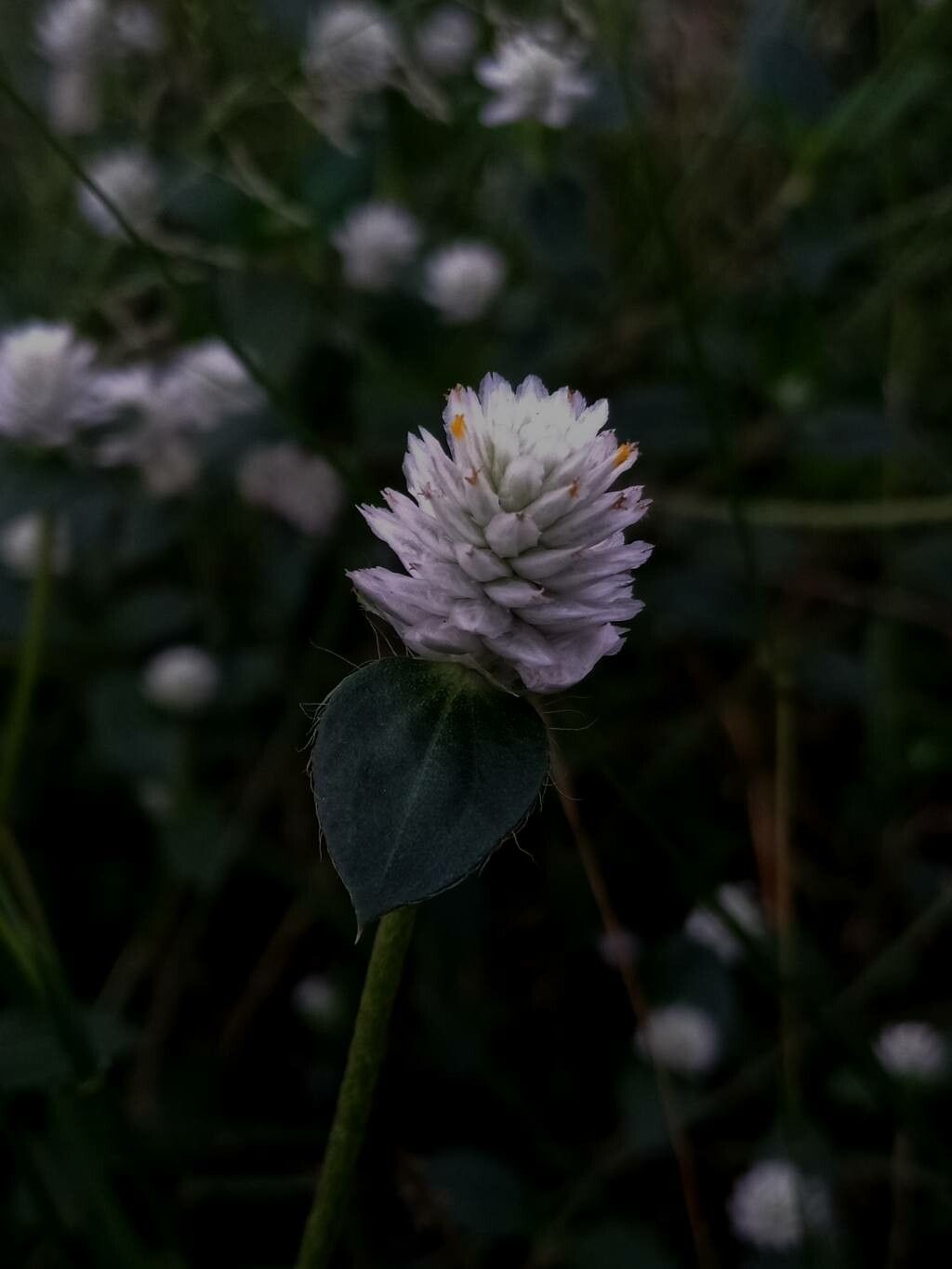
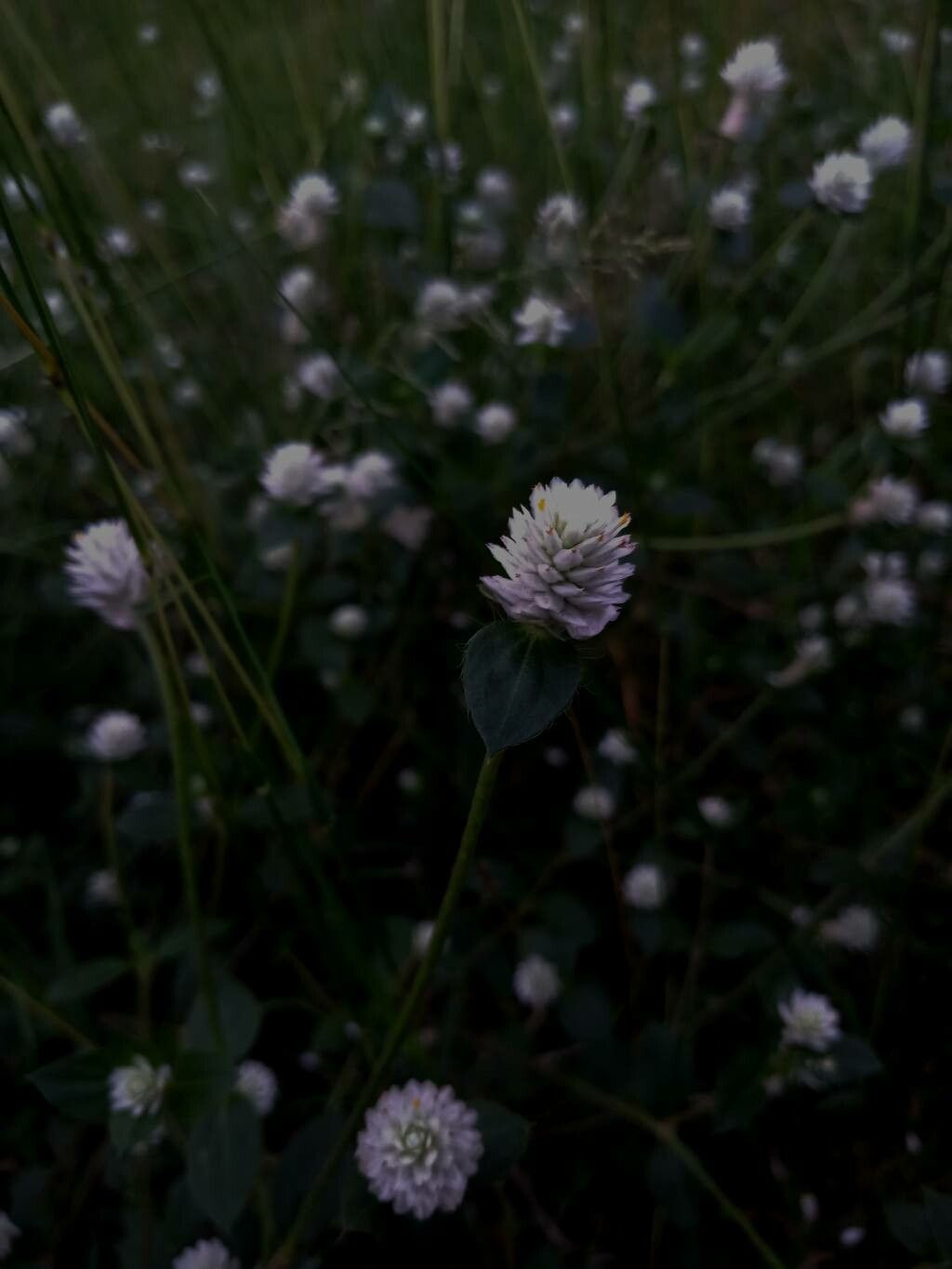
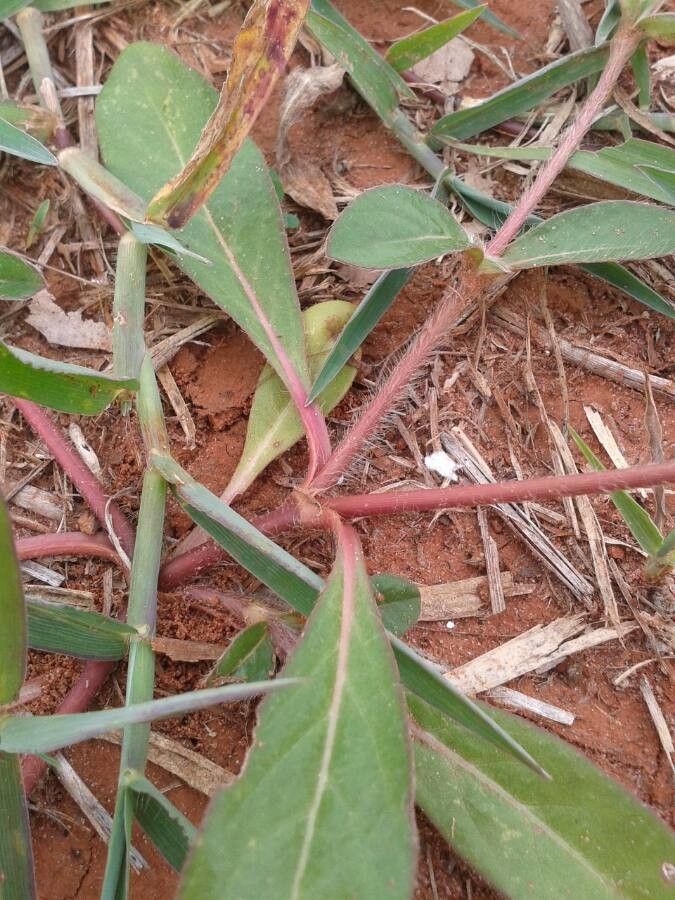
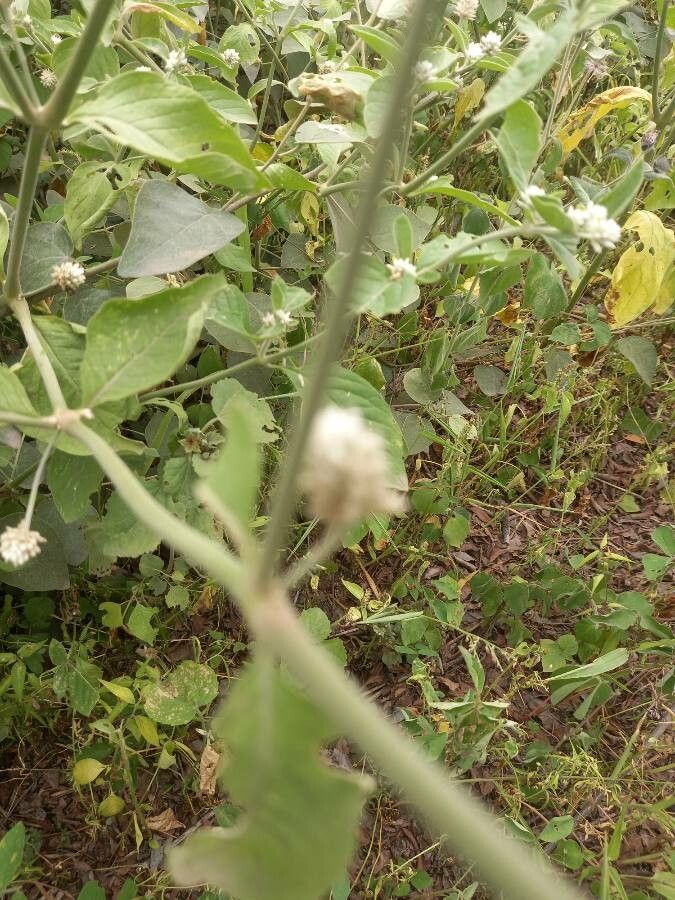
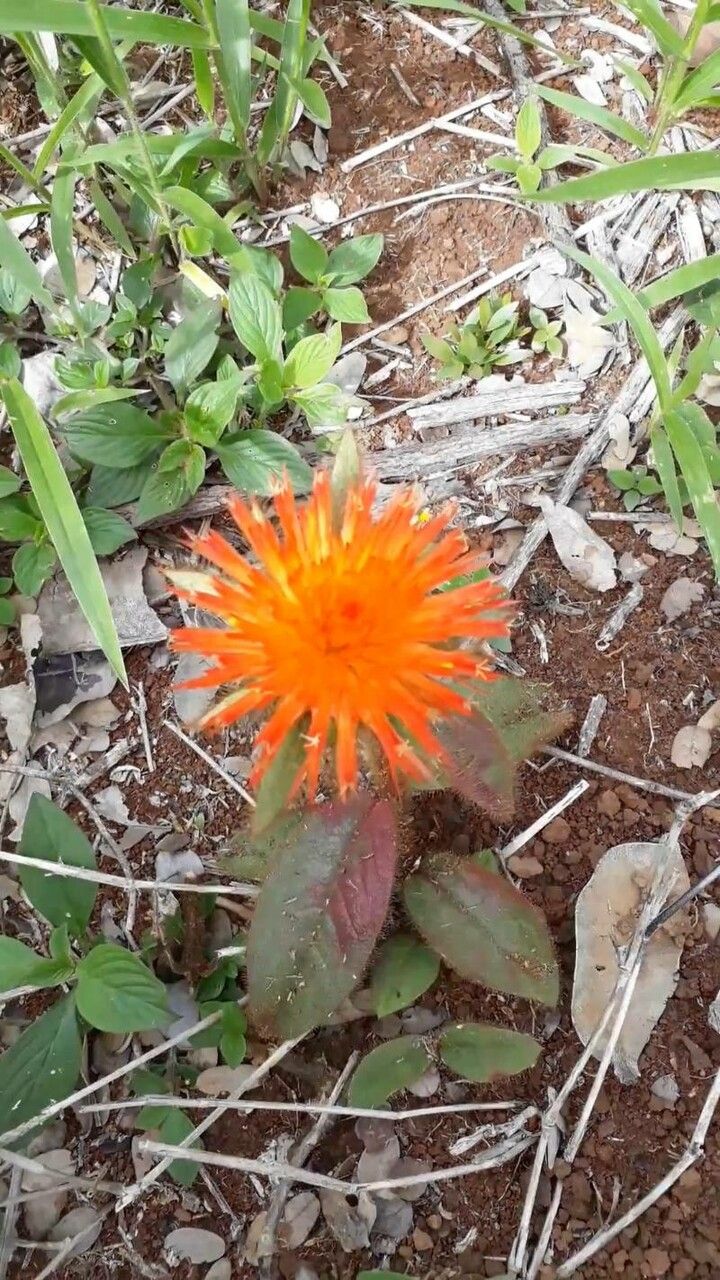
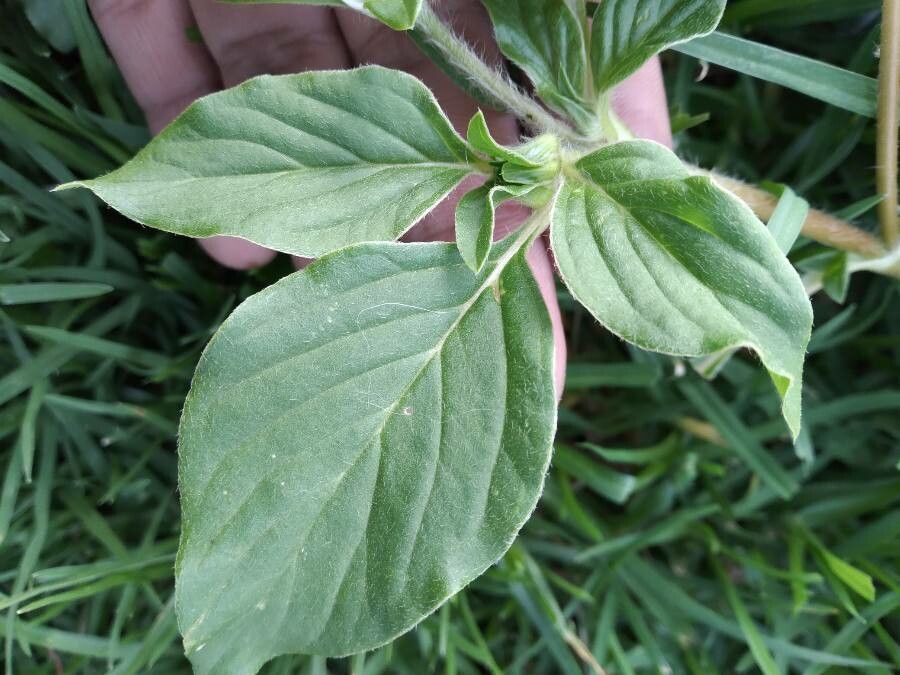
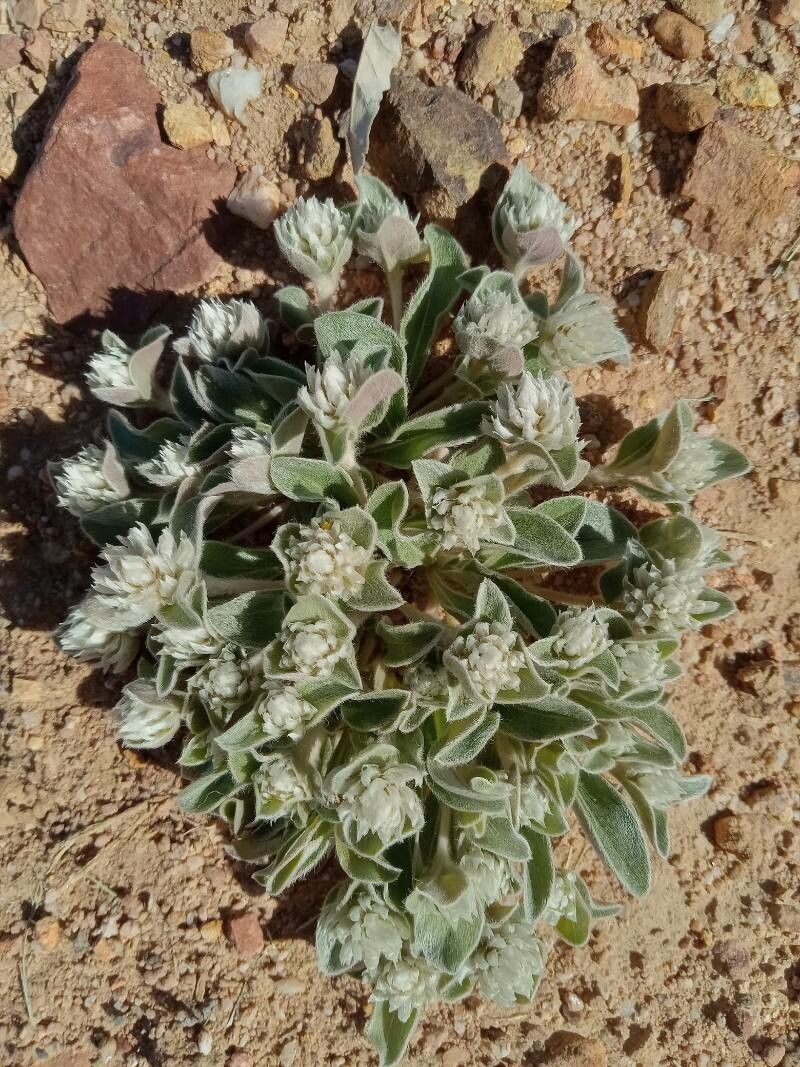
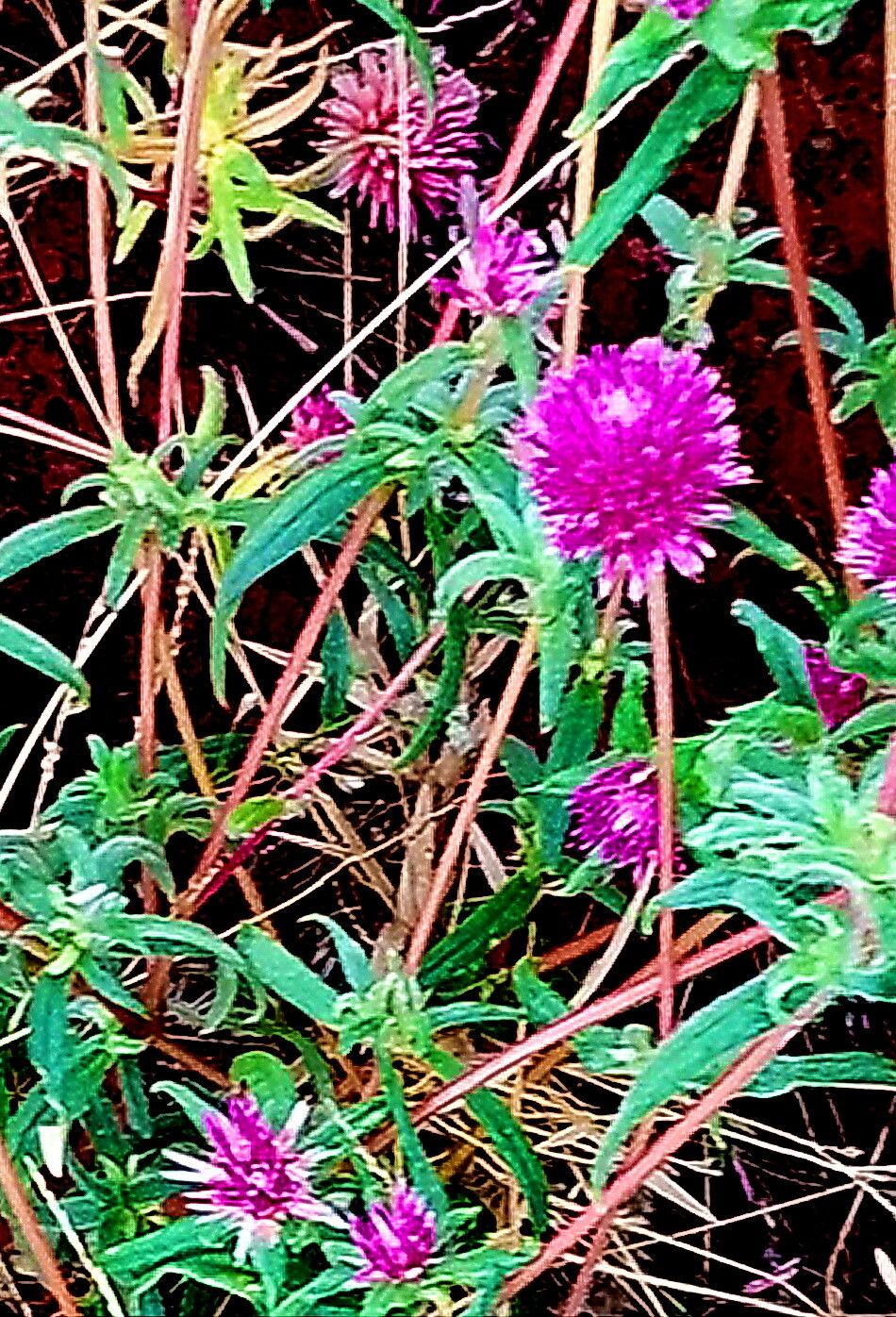
Gomphrena serrata, commonly known as the serrated globe amaranth, is a flowering plant species in the Amaranthaceae family. Native to tropical regions of Central and South America, it has also been introduced to other parts of the world as an ornamental plant.
This plant grows up to 60 cm tall and has a bushy habit with numerous branches. Its small, lance-shaped leaves have serrated edges. The flowers form small, globular heads that cluster at the end of each stem and come in shades of pink, purple, or white.
Gomphrena serrata is a hardy plant capable of tolerating drought conditions, though it prefers well-drained soil and regular watering during dry periods for optimal growth and flowering.
Often used for ornamental purposes, the plant's attractive flowers bloom from summer through fall. It can be cultivated in gardens or containers, serving as an accent or border planting.
In traditional medicine, Gomphrena serrata has been used for its anti-inflammatory properties and for treating various ailments such as fever, coughs, and colds.
Overall, Gomphrena serrata is an appealing ornamental plant with medicinal benefits, making it a popular choice among gardeners worldwide!
Arrasa con todo is well resistant to diseases and generally does not tend to get them. However, it can be vulnerable to pests and illnesses present in its surroundings. These infections are usually mild. In terms of care, this plant needs moderate maintenance. Regular pruning is required to keep a good appearance and healthy growth. Fertilizing can also help encourage flowering. Arrasa con todo is suitable for anyone with outdoor space, such as a garden or patio, and does not demand much care experience. It may need more attention when grown indoors.
How to keep Gomphrena Serrata.
Light
Arrasa con todo prospers with plenty of sunlight, similar to its original habitat—not confined to any single region—which is usually subjected to continuous solar radiation. Too little light can impede its growth, while excessive exposure may scorch the leaves.
Water
"Arrasa con todo thrives in well-drained soil and benefits from deep watering about once a week. Its ability to withstand drought comes from its adaptation to cycles of wet and dry conditions. To ensure optimal growth and flowering, it's important to maintain consistent soil moisture during its active growing season."
Temperature
Arrasa con todo is native to habitats where temperatures commonly range from 68 to 100 °F (20 to 38 °C). The plant favors warm climates and is able to adapt well to variations within that temperature range.
Fertilizer
The best time to fertilize an Arrasa con todo is in early spring, when it is coming out of dormancy and starting active growth. Fertilization supplies essential nutrients needed for healthy growth. Although Arrasa con todo has fairly low fertilizer requirements, feeding it once a year can improve its survival and encourage better, longer-lasting flowers.
Pruning
Pruning your "arrasa con todo" plant is simple and best done in early spring. Start by removing any damaged or overly dense branches. Then, pinch the tips of the branches each month to encourage a bushier growth.
Botanical profile.
- Plant Type
- Herb
- Life Cycle
- Perennial, Annual
- Genus
- Gomphrena
- Family
- Amaranthaceae
- Hardiness Zone
- 8-11
- Mature Height
- 76 cm
- Mature Spread
- 91 cm
- Leaf Color
- Green
- Leaf Type
- Deciduous
- Flower Color
- Purple, White
- Flower Size
- 2.54 cm
- Bloom Time
- Summer
- Planting Time
- Spring
- Harvest Time
- Mid summer, Late summer, Early fall
- Native Area
- Belize, Honduras, Mexico, Guatemala, Georgia, Panama, Uruguay, Colombia, Paraguay, Argentina, Haiti, Bolivia, Venezuela, Brazil, El Salvador, Nicaragua, Ecuador, Costa Rica
Other names.
Reader questions.
How should I water my Arrasa con todo?
To ensure the health of your Arrasa con todo plant, use filtered water at room temperature. Tap water may contain harmful particles, so filtered water is a better choice. The plant prefers warmer water because it is native to warm environments, and cold water can be a shock to its system. Avoid watering the plant from above as it can lead to issues with the foliage. Instead, give the plant a thorough watering by applying filtered room temperature water directly to the soil. This helps moisten the roots and promote their growth and nutrient absorption.
What are the sunlight requirements for Arrasa con todo?
Arrasa con todo needs a specific amount of sunlight to thrive, resembling its natural habitat that's generally exposed to high levels of solar radiation. The plant requires full sun, which is above 6 hours of direct sunlight daily, or partial sun, about 3-6 hours of sunlight daily. It's essential to observe how sunlight moves through your garden to ensure spots chosen provide the perfect balance of light and shade for your plants, ensuring their happiness and health.
What is the ideal temperature range for Arrasa con todo?
Arrasa con todo thrives in environments with temperatures ranging from 68 to 100 °F (20 to 38 °C). This plant is well-suited to warm climates and can adjust to fluctuations within this specified temperature range. It has some level of cold tolerance and usually does not require additional cold protection measures when temperatures are above 0°C. However, if temperatures are expected to drop below freezing, temporary measures such as wrapping the plant with plastic film, fabric, or other insulating materials should be taken to protect it from the cold. These protections should be removed once temperatures rise again.
What should I do if I give too much or too little water to my Arrasa con todo plant?
Overwatering is a more common issue than underwatering for the health of your Arrasa con todo plant. When overwatered, the stems and leaves may wilt and turn yellow. Root rot, mold, and mildew can occur from prolonged overwatering and can be fatal. Underwatering is less common, but can still happen. In this case, the leaves will become brittle and brown. It is important to notice signs of overwatering early and reduce watering immediately. Check the soil drainage and replace it with a well-draining mix if needed. If the signs indicate underwatering, simply water more regularly until the signs improve.
How important is lighting for Arrasa con todo, and what are the options?
Lighting is crucial for the growth of Arrasa con todo, mimicking its original habitat's conditions with abundant illumination. Inadequate light can hinder its growth, while too much sunlight can cause leaf burn. For indoor plants, artificial lighting is necessary when natural sunlight is insufficient, especially in winter or less sunny spaces. LED lights are recommended as they provide specific wavelengths needed by the plant. Full sun plants need 30-50W/sq ft, partial sun plants 20-30W/sq ft, and full shade plants 10-20W/sq ft of artificial light. The light source should be placed 12-36 inches above the plant, and it should mimic the natural daylight hours for your plant species, usually needing 8-12 hours of light per day.
How does Arrasa con todo react to low temperatures?
Arrasa con todo has a moderate tolerance to low temperatures, performing best when the temperature remains above 20°C. It is crucial to keep the plant above 0°C during winter. Exposure to temperatures below -10°C can cause the leaves to droop, and while they might recover in mild cases, severe exposure will lead to wilting and leaf drop. To protect Arrasa con todo from low temperatures, frost-damaged parts should be trimmed off. Before low temperatures are expected again, wrapping the plant with non-woven fabric or cloth and erecting a wind barrier can help shield it from cold winds.
How often should I water my Arrasa con todo plant?
If your Arrasa con todo plant is in a pot, the most precise way to determine if it needs water is to check the soil by sticking your finger into it. If the top two to three inches of soil are dry, it's time to water the plant. If you have planted your Arrasa con todo outdoors in the ground, you can use the same method to test the soil. Once you find that the top few inches of soil have dried out, it's time to water it. Usually, during spring and early fall, you would need to water this plant about once a week using this method. However, during extremely hot weather, you may need to increase the frequency to about twice or even more times per week. Nevertheless, mature and well-established Arrasa con todo plants have an impressive ability to endure drought.
What are the symptoms of inadequate lighting for Arrasa con todo?
When Arrasa con todo is kept in inadequate lighting, several symptoms may appear, including smaller new leaves, leggy or sparse growth, faster leaf drop, slower or no new growth, lighter-colored new leaves, chlorosis, sunscald, leaf curling, wilting, and leaf scorching. These symptoms can occur due to either insufficient sunlight, which leads to a lack of chlorophyll and essential nutrients, or too much direct sunlight, which can cause damage like sunscald or leaf scorching.
What should be done if Arrasa con todo is exposed to high temperatures?
During the summer, it is important to keep Arrasa con todo's exposure to temperatures below 38°C. Temperatures exceeding 43°C can lead to lighter leaf colors, drying and withering of leaf tips, leaf curling, and an increased risk of sunburn. To mitigate these effects, sunburned and dried parts of the plant should be trimmed away. Moving the plant to a shaded location or using a shade cloth can protect it from the harsh midday and afternoon sun. Moreover, watering the plant in the morning and evening helps to maintain moist soil conditions, further mitigating the impact of high temperatures.
How much water does my Arrasa con todo require?
When you need to water your Arrasa con todo plant, don't hesitate to give it a generous amount of water. Make sure the top few inches of soil are dry, then water the plant thoroughly until the soil is completely soaked. The water should be enough to cause excess water to drain out of the pot's drainage holes. If you don't see any excess water draining, it means you haven't watered enough. However, be cautious not to let the water accumulate inside the soil, as it can harm the plant. On the other hand, if water doesn't drain well from the pot, it could indicate poor soil drainage, which is not good for the plant's health and should be avoided. If the plant is outdoors, one inch of rain per week should be sufficient.
What solutions can help with the light requirements of Arrasa con todo?
To meet the light requirements of Arrasa con todo, indoor plants can be gradually moved to sunnier locations until they receive at least 6 hours of direct sunlight daily, using south-facing windows and keeping curtains open during the day. If moving the plant isn't feasible, supplement with artificial light for at least 8 hours daily. Outdoors, plants should be gradually moved to sunnier spots to avoid sunburn. Pruning obstacles like tree branches that block sunlight or transplanting smaller plants to sunnier locations during their dormant period can also help. Note that parts of the plant affected by insufficient light may not recover, but new growth will be healthy post-adjustment.
How should I water my Arrasa con todo plant at different stages of growth?
The water needs of the Arrasa con todo can vary depending on its growth stages. For instance, when the plant is in its early years or has just been transplanted, it requires more water than usual. During these stages, the plant focuses on developing new roots to support future growth. To ensure optimal performance, these new roots require more moisture. However, as the plant matures over a few seasons, its water requirements decrease. Additionally, the blooming period is another phase where the Arrasa con todo may need more water. The development of flowers utilizes a significant amount of moisture, hence the need for increased watering at this time.