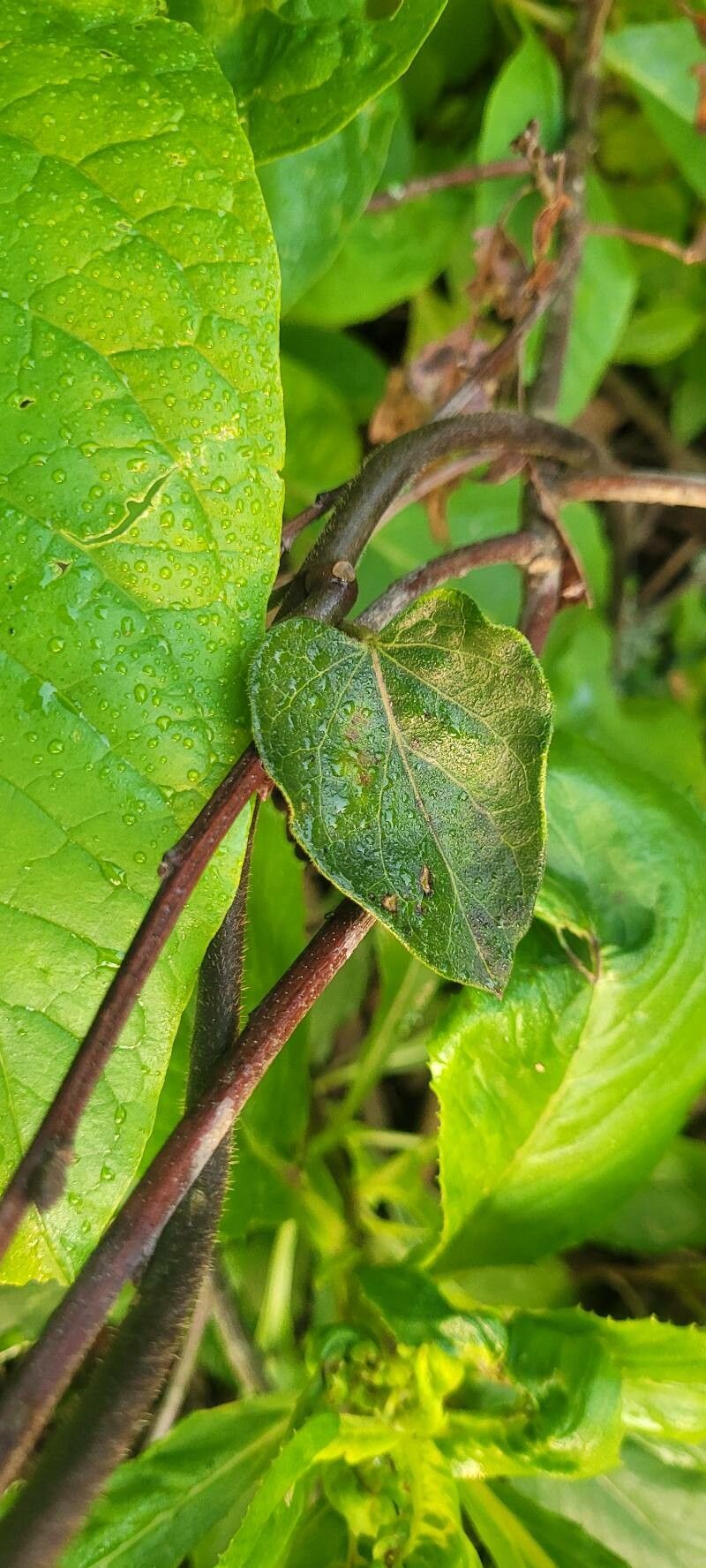
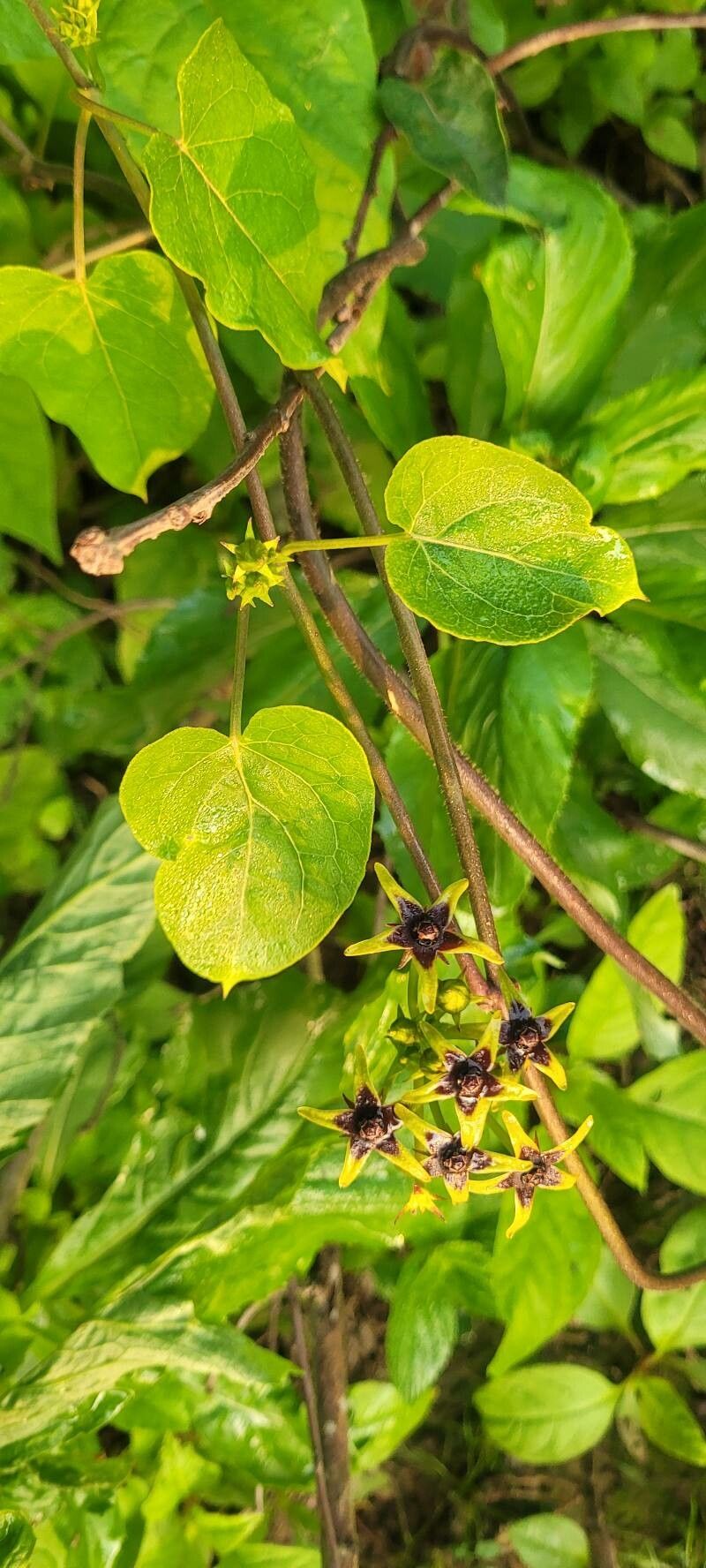
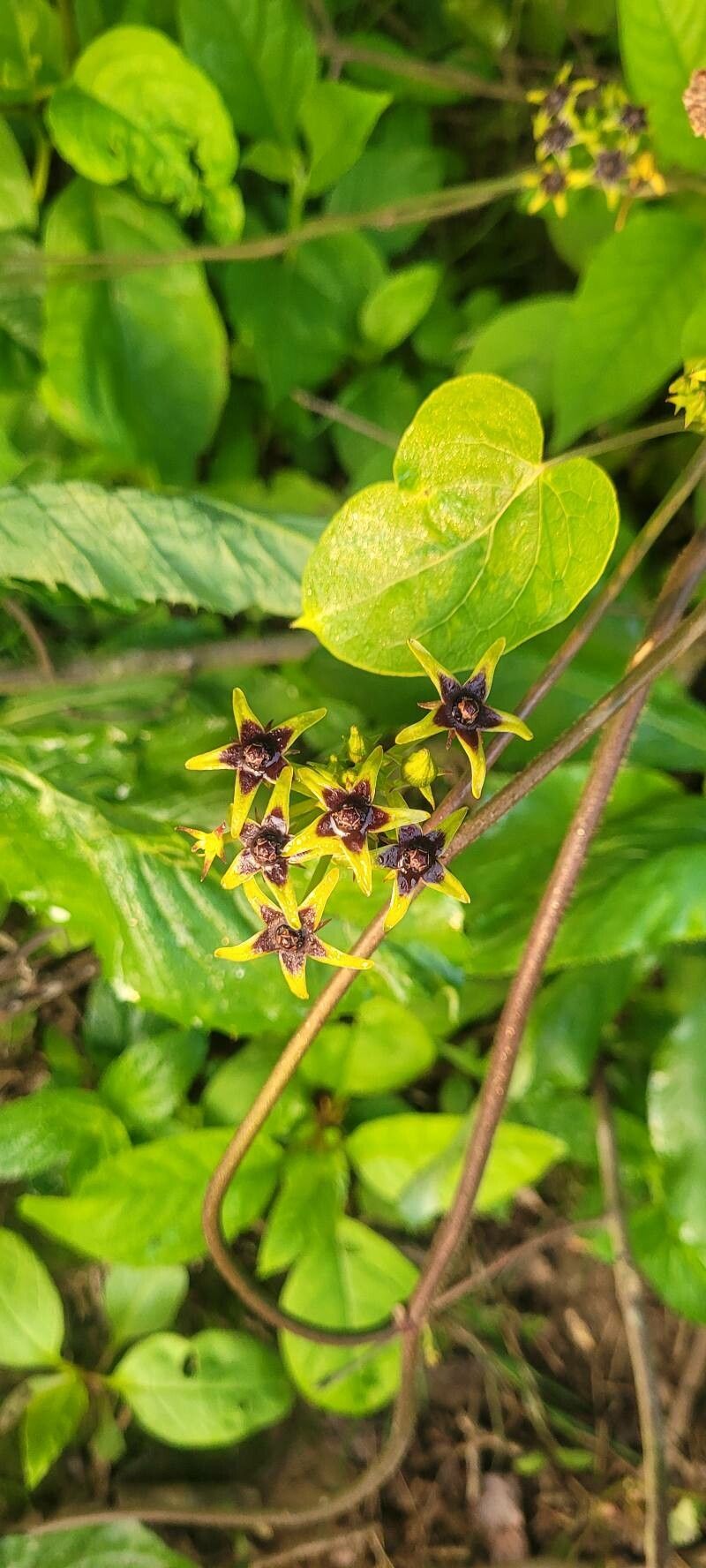
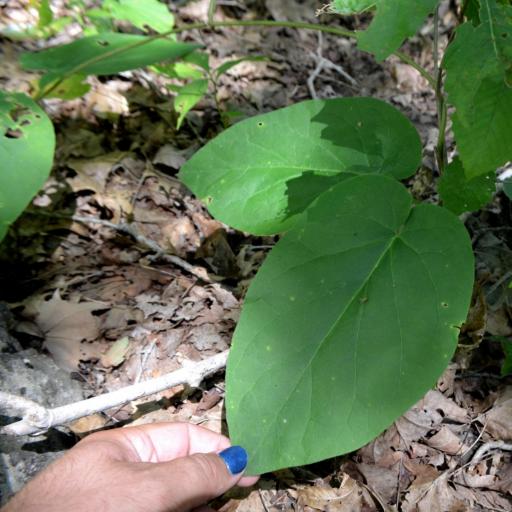
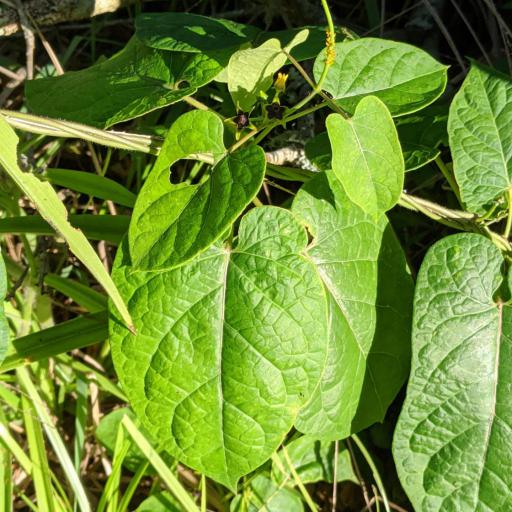
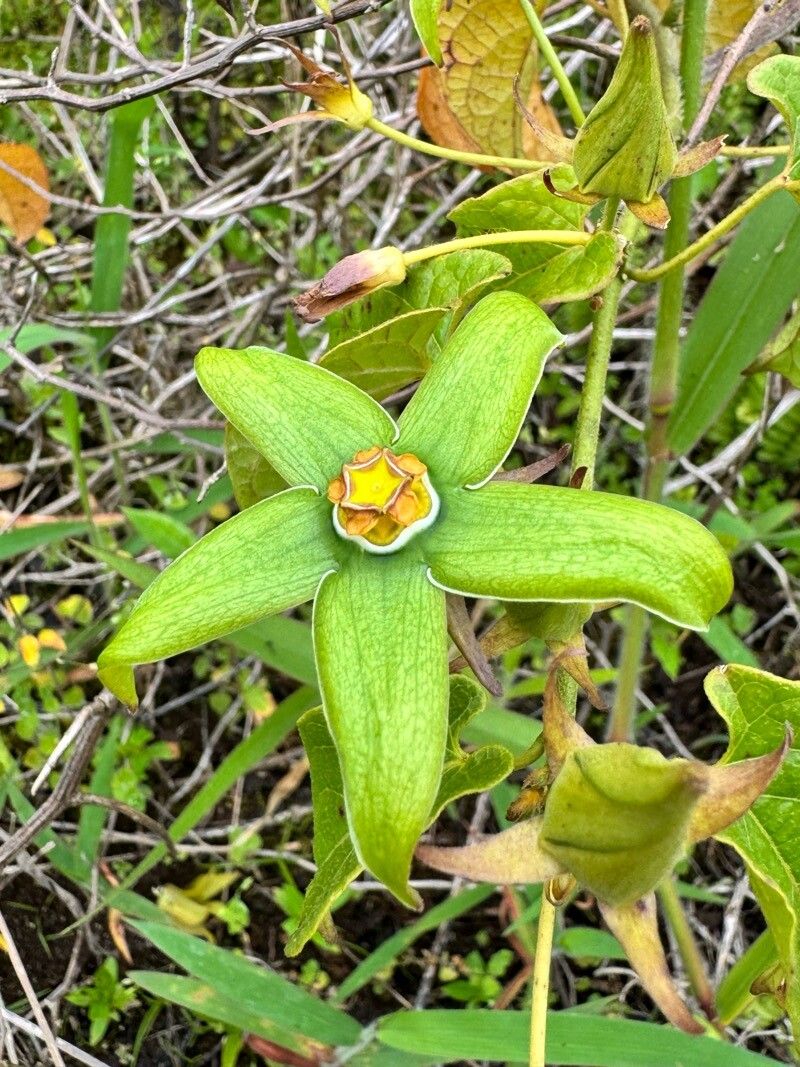
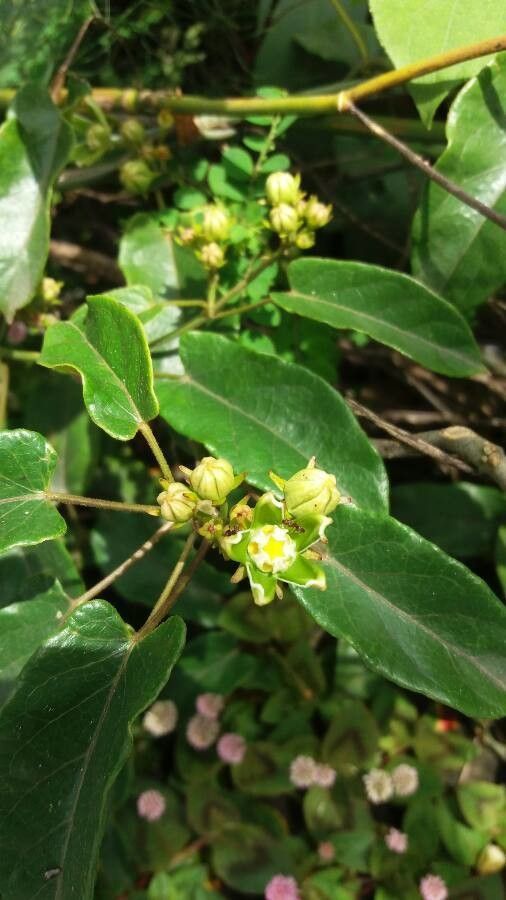
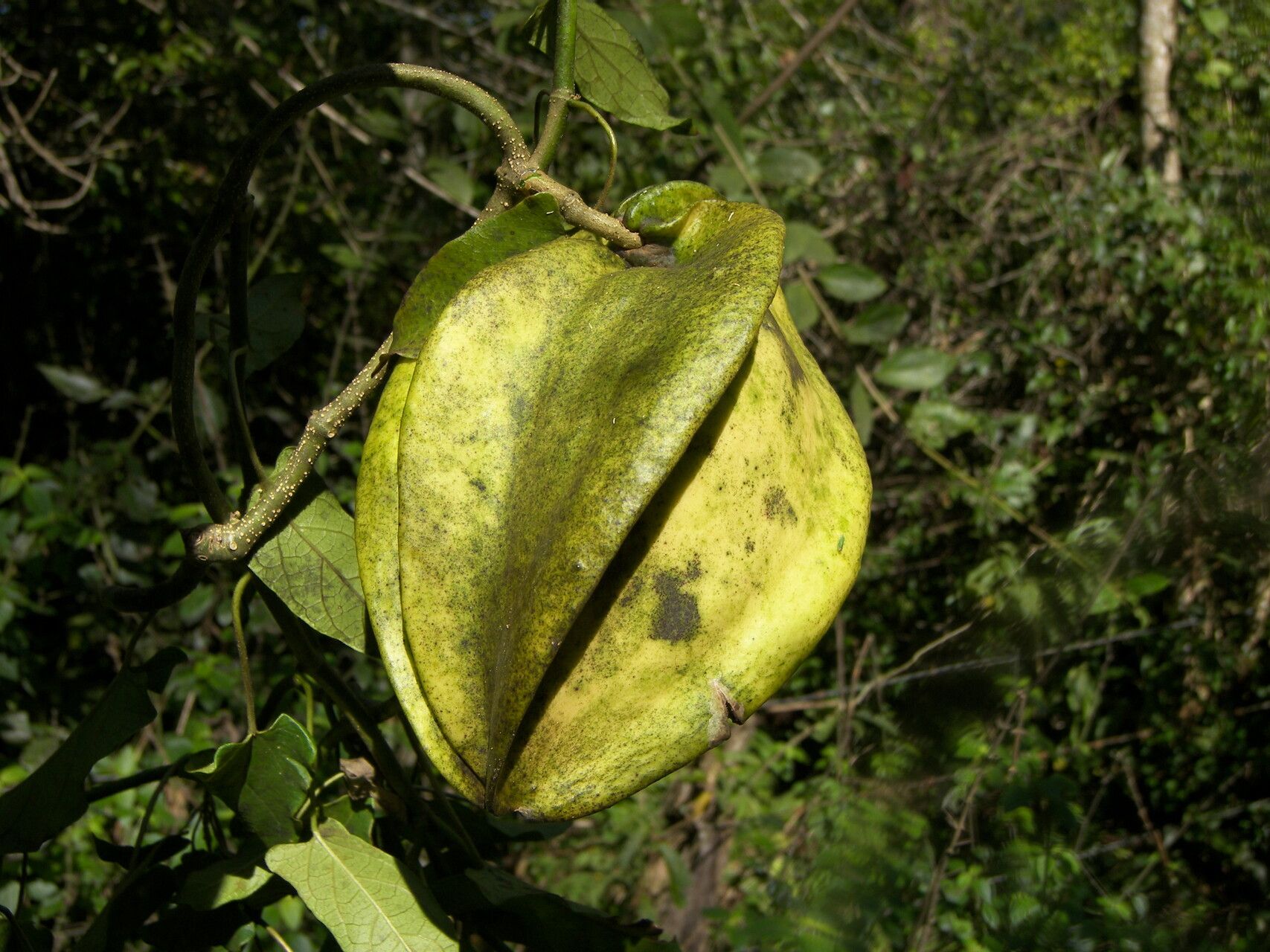
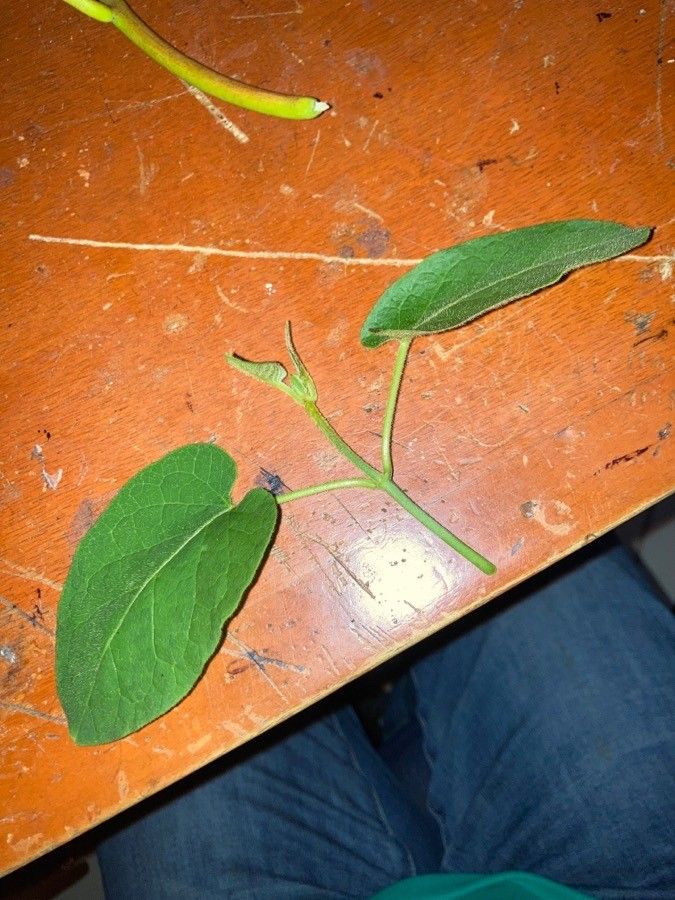
Gonolobus suberosus is a species of plant in the family Apocynaceae. It is native to eastern North America, where it is primarily found in the southeastern United States. Its natural habitat is mesic to wet forests and thickets. Two varieties have been described. These are: Gonolobus suberosus var. granulatus - West of the Appalachian Mountains Gonolobus suberosus var. suberosus - Primarily of the Appalachian Mountains and eastward
Anglepod has good resistance to disease and is generally not prone to disease. However, it can be vulnerable to pests and diseases present in its environment. Such infections are usually not serious. Regarding care, this plant needs moderate maintenance. It should be pruned regularly to preserve a neat appearance and support healthy growth. Fertilizing can also help encourage flowering. Anglepod is appropriate for anyone with outdoor space, such as a garden or patio, and does not demand extensive gardening experience. It may need more care when cultivated indoors.
How to keep Gonolobus Suberosus.
Light
The anglepod performs best with full sun exposure, though it copes reasonably well with lower light. Its health and vitality improve in bright environments, while reduced light can potentially slow growth. Both excessive and insufficient light may cause harmful effects, highlighting the need for a balanced light environment.
Water
Anglepod thrives in consistently moist environments and needs regular watering, ideally once a week, to prevent extreme fluctuations in moisture levels. It requires well-draining soil that retains moisture without becoming waterlogged, making it suitable for indoor cultivation where hydration can be more easily maintained.
Temperature
Anglepod is well suited to a native environment with a temperature range of 59 to 89.6 °F (15 to 32 °C). It does best in temperate climates. If conditions are cooler or warmer, take the necessary measures to maintain its preferred temperature.
Fertilizer
Typically, a single application of fertilizer in spring is sufficient for Anglepod, though multiple feedings can maximize growth. Apply fertilizer every one to one and a half months. Fertilization improves leaf appearance and function, helping maintain even color and a healthy texture. It also encourages root growth and nutrient uptake, supporting long-term plant health.
Pruning
Anglepod has corky stems and clustered flowers. Prune it from early to late spring to remove dead growth and improve air circulation. Be sure to clean your tools to prevent the spread of disease. Timely pruning promotes better blooming and boosts the plant's vigor.
Botanical profile.
- Plant Type
- Herb
- Life Cycle
- Perennial
- Genus
- Gonolobus
- Family
- Apocynaceae
- Hardiness Zone
- 7
- Mature Height
- 1.83 m to 3.05 m
- Mature Spread
- 2.13 m to 3.05 m
- Leaf Color
- Green, Dark Green
- Leaf Type
- Semi-evergreen
- Flower Color
- Green, Brown
- Flower Size
- 2.54 cm
- Bloom Time
- Late spring, Early summer, Mid summer
- Planting Time
- Spring, Summer
- Harvest Time
- Late summer, Early fall, Mid fall
Other names.