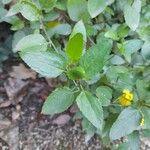
Goodenia ovata
Hop goodenia
Description
Source: leafsnapGoodenia ovata, commonly known as Hop Goodenia, is a small shrub in the Goodeniaceae family. Native to Australia, it thrives in diverse habitats including heathlands, woodlands, and forests. The plant has a rounded form with small green leaves that are slightly hairy on the underside. Its bright yellow flowers, which bloom in clusters from spring to summer, make it particularly attractive. Hop Goodenia plays a crucial role in the ecosystem by providing nectar-rich flowers that attract pollinators like bees and butterflies. Additionally, it offers habitat for small birds that feed on its seeds. Traditionally, Indigenous Australians have used Hop Goodenia for medicinal purposes, such as treating skin conditions, coughs, and colds. This plant is easy to grow in well-drained soil, and it thrives with full sun or partial shade. Propagation can be achieved through seeds or cuttings. Overall, Hop Goodenia is a beautiful native Australian shrub that provides significant ecological benefits. It also holds cultural value due to its traditional medicinal uses by Indigenous Australians.
Care Guide
💧 Water Every 7 days
Hop goodenia thrives in well-drained soils with occasional moisture and prefers moderate humidity. It's best to water the plant every 1 to 2 weeks. Be sure to adjust the frequency based on seasonal rainfall during the growing season to maintain consistent moisture for optimal health.
☀️ Light Full sun
Hop goodenia grows best in conditions similar to bright, all-day sunlight, although it can tolerate locations with partial shade. Native to regions with abundant sun, its health and growth can be affected where sunlight is inconsistent or too intense.
What are the sunlight requirements for Hop goodenia?
Hop goodenia thrives best when it receives plenty of sunlight. It needs full sun, which means it should be exposed to more than 6 hours of sunlight daily, but it can also manage in partial sun, about 3-6 hours of sunlight a day. It's important to observe how sunlight moves through your garden to choose locations that offer the right balance of light and shade, ensuring the plants' health and happiness. Originally from areas abundant in sunshine, Hop goodenia's growth may be hindered in conditions where sunlight is inconsistent or too harsh.
How can artificial lighting benefit indoor Hop goodenia plants?
For indoor Hop goodenia plants, when natural sunlight is insufficient, particularly during winter or in less sunny spaces, artificial lighting is crucial for optimal growth. Adequate lighting promotes healthier, faster growth. It's advisable to choose the right type of artificial light, such as LED lights, which can be customized to provide the specific wavelengths of light the plant needs. Full sun plants require 30-50W/sq ft of artificial light, partial sun plants need 20-30W/sq ft, and full shade plants require 10-20W/sq ft. The light source should be placed 12-36 inches above the plant, and most plants benefit from 8-12 hours of light per day.
What are the symptoms of light deficiency in Hop goodenia?
Light deficiency in Hop goodenia can manifest as small new leaves, leggy or sparse growth, faster leaf drop, slower or no new growth, lighter-colored new leaves, chlorosis (the leaves turning yellow due to lack of chlorophyll), sunscald, leaf curling, wilting, and leaf scorching. These symptoms indicate the plant is not receiving adequate sunlight, leading to reduced chlorophyll and essential nutrient production, making it difficult for the plant to maintain its health.
What are the solutions for Hop goodenia suffering from light deficiency?
To address light deficiency in Hop goodenia, gradually increase its exposure to sunlight by moving it to a sunnier location each week, aiming for at least 6 hours of direct sunlight daily. For indoor plants, consider using artificial light if the plant is large or difficult to move, keeping a desk or ceiling lamp on for at least 8 hours daily, or invest in grow lights. For outdoor plants, ensure to move them gradually to prevent sunburn. Obstructions blocking sunlight, like trees, may need to be pruned. For smaller plants, consider transplanting them during their dormant period to a location with more sunlight and good drainage. Although parts of the plant affected by light deficiency may not recover, new growth should be healthy with increased light exposure.
🌡️ Temperature 15–37.8°C
Hop goodenia is a plant native to warm climates and does best in temperatures from 59 to 100 °F (15 to 38 ℃). If temperatures fall sharply, consider bringing the plant indoors to preserve suitable warmth.
What is Hop goodenia and in what temperatures does it thrive?
Hop goodenia, scientifically known as Goodenia ovata, is a plant native to warm environments and is best suited to temperatures ranging from 59 to 100 °F (15 to 38 °C). It thrives in these conditions and demonstrates some degree of cold tolerance, generally not requiring special measures when the temperature is above -5°C. However, it's important to ensure the plant is kept in its optimal temperature range for it to flourish.
What should I do if the temperature drops dramatically for my Hop goodenia?
If you're expecting a dramatic drop in temperature below -5°C, it's necessary to take temporary measures to protect your Hop goodenia from the cold. Wrapping the plant with protective materials like plastic film, fabric, or other suitable covers can help. Once the temperature rises again, remember to promptly remove these protective measures to prevent overheating or suffocation of the plant.
How does low temperature affect Hop goodenia and what can I do about it?
Low temperatures, particularly below -10°C, can cause the leaves of Hop goodenia to droop. In mild cases, the plant can recover, but severe cold may lead to wilting and leaf fall. To help your plant in such conditions, trim off frost-damaged parts and take preventive steps like wrapping the plant with non-woven fabric or cloth, and constructing wind barriers to protect it from cold winds. These measures help ensure the plant's survival and recovery from cold stress.
What happens to Hop goodenia in high temperatures and how can I protect it?
In high temperatures, especially above 43°C, Hop goodenia may exhibit signs of stress such as lighter leaf color, dry and withered leaf tips, curling leaves, and increased susceptibility to sunburn. To protect and care for your plant during such conditions, trim away the sunburned and dried parts. Moving the plant to a shaded area or using a shade cloth can provide relief from intense sun exposure. Additionally, watering the plant in the morning and evening will help keep the soil moist and support the plant's well-being during hot spells.
💨 Humidity normal (40-60%)
This plant will thrive in moderate humidity, which is probably the level in your home. However, misting it a few times a week can be very beneficial. Make sure the room has good ventilation.
🪴 Soil 6-7
🌱 Fertilizer
Timing is important when fertilizing Hop goodenia. Apply fertilizer in early spring and continue monthly until early summer. Fertilizer promotes attractive blooms and supplies energy during both dormant and active growth phases.
🪴 Pot & Repot
✂️ Pruning
The evergreen shrub known as hop goodenia features bright green leaves and yellow flowers, making it an excellent choice for gardens. To maintain its shape and encourage denser growth, prune it in late spring after it has finished flowering. Regular pruning not only enhances air circulation but also removes dead branches and helps manage the plant's size to suit specific garden designs. Always use clean tools when pruning to prevent the spread of disease.
🌿 Propagating
🐛 Diseases & pets
☠️ Toxicity
Characteristics
- Plant Type
- Shrub
- Life Cycle
- Perennial
- Genus
- Goodenia
- Family
- Goodeniaceae
- Hardiness Zone
- 8-11
- Mature Height
- 2.13 m
- Mature Spread
- 2.44 m
- Leaf Color
- Green, Dark Green
- Leaf Type
- Evergreen
- Flower Color
- Yellow
- Flower Size
- 1.02 cm to 2.03 cm
- Bloom Time
- Mid fall, Late fall, Early winter, Mid winter
- Planting Time
- Spring, Autumn
- Harvest Time
- Winter, Early spring