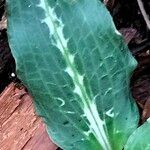
Goodyera oblongifolia
Menzie's giant rattlesnake-plantain · Western rattlesnake plantain · Giant rattlesnake plantain · Green-Leaf Rattlesnake-Plantain · Menzie's Rattlesnake Plantain
Description
Source: leafsnapGoodyera oblongifolia is a species of orchid known by the common names western rattlesnake plantain and giant rattlesnake plantain. It is native to much of North America, particularly in the mountains of the western United States and Canada, from Alaska to northern Mexico, as well as in the Great Lakes region, Maine, Quebec and the Canadian Maritime Provinces.Goodyera oblongifolia is most commonly found in mountain forests, often in the understory of conifers. This orchid forms a patch of broad lance-shaped to oval-shaped leaves at the ground, each 4 to 9 centimeters long. The leaf is dark green and in this species the midrib is streaked with white. The netlike veining on the leaf is also white, but not as thick as the midrib stripes. The plant produces an erect inflorescence up to about 30 centimeters tall. The top of the inflorescence has many white orchid flowers which may all face the same direction on the stalk, or be spirally arranged about it.The common name stems from the leaves, which have marks resembling snakeskin; the plant is also said to have been used to treat snakebites.
🎭 Recovery, Defense, Power
Care Guide
💧 Water
Western rattlesnake plantain, native to temperate forest understories, thrives in consistently moist environments and can moderately tolerate drought. To keep the soil hydrated, water it weekly, paying particular attention during cooler months. As an evergreen, this plant retains its foliage throughout the year, needing a consistent water supply even when indoor conditions turn dry.
How should I water my Western rattlesnake plantain?
The way you water your Western rattlesnake plantain depends on whether it's actively growing or not. During growth, water the soil and occasionally water overhead if it's warm. In winter or cool/wet weather, only water the soil. Signs your plant needs more water include thin/dry roots and leaves or discoloration. Overwatered plants will look mushy and limp. Use a pot with good drainage and water multiple times a week during the growing season. The size of the pot determines watering frequency, larger pots need less frequent watering. Rainwater or distilled water that matches the air temperature is best.
What should I do if I give my Western rattlesnake plantain too much or too little water?
One of the most common ways to kill a Western rattlesnake plantain is by allowing it to sit in overly moist soil for too long. Although these plants require frequent watering during active growth, they also require well-draining soil. If the plant is overwatered, it will become mushy and develop root rot. In such cases, you should use sterile pruning shears to remove any roots showing signs of rot and then repot the plant in a container with proper drainage and fast-draining potting mix. However, Western rattlesnake plantain does not respond well to excessive repotting, so it is crucial to find the right balance when watering. If the plant is underwatered, it will shrivel and feel dry to the touch. In this case, the soil may be drying out faster than expected, indicating a need to increase watering frequency.
How often do I need to water my Western rattlesnake plantain?
During the spring and summer, water your Western rattlesnake plantain once or twice a week. If it's particularly hot and dry, increase watering to three times a week or more. In winter, water your plantain, but not as much. Two to three times a month should be sufficient during the coldest months. However, if you keep your plantain indoors, be aware that indoor locations can cause the soil to dry out faster, so you may need to water more often. In the fall, gradually reduce watering from multiple times per week to the reduced winter schedule.
What do I need to think about when I water my Western rattlesnake plantain in different seasons and stages of growth?
When planning the watering schedule for your Western rattlesnake plantain, it's important to consider two growth phases. The first phase is the active growth period, which occurs in spring and summer. During this time, the plant requires frequent watering, multiple times per week. The second phase is the winter rest period, which lasts for about two to three months each year. During winter, the plant needs much less water and fertilization. Only water about once or twice per month during this period. To prepare for winter, gradually reduce the watering frequency from multiple times per week in the fall to the appropriate once or twice per month rate.
How do I water my Western rattlesnake plantain when I grow it indoors?
The Western rattlesnake plantain prefers a humid environment, but most indoor growing locations lack the necessary air moisture. As a result, the plant and its soil dry out faster indoors compared to outdoors. To address this, using a humidifier in the room where you grow the plant can help. Additionally, you may need to water it more often. However, it's important to note that while this plant prefers humidity, it also needs proper air circulation to avoid excessive moisture build-up and related diseases. Including a fan in the room can ensure adequate air circulation.
☀️ Light Partial sun
Western rattlesnake plantain prefers locations where sunlight is dappled, generally favoring areas with abundant but filtered light. It can tolerate spots with stronger sunlight. Its native habitat reflects this light preference. Excessive light may cause leaf burn, while insufficient light can stunt growth.
What are the sunlight requirements for Western rattlesnake plantain?
Western rattlesnake plantain thrives in areas with ample but filtered sunlight, capable of withstanding more intense solar exposure. It prefers partial sun, defined as about 3-6 hours of sunlight, but can also tolerate full sun, which means above 6 hours of sunlight. The plant's natural habitat supports its affinity for speckled light conditions. However, it's crucial to monitor the plant's exposure to ensure it receives the perfect balance of light and shade, reducing the risk of leaf burn from excessive light and preventing stunted growth from insufficient light.
What role does artificial lighting play in growing Western rattlesnake plantain indoors?
Artificial lighting is essential for Western rattlesnake plantain's growth indoors, especially when natural sunlight is insufficient, such as in winter or less sunny spaces. Adequate lighting ensures optimal growth, with LED lights being a popular choice due to their ability to provide specific wavelengths needed by plants. Full sun plants require 30-50W/sq ft, partial sun plants need 20-30W/sq ft, and full shade plants require 10-20W/sq ft. The light source should be placed 12-36 inches above the plant, mimicking the natural sunlight duration, which is typically 8-12 hours a day.
What are the symptoms of light deficiency in Western rattlesnake plantain?
Symptoms of light deficiency in Western rattlesnake plantain include smaller new leaves, leggy or sparse growth, faster leaf drop, slower or halted growth, and lighter-colored or irregularly patterned new leaves. These indicate the plant is struggling with insufficient light. Conversely, excessive light exposure can cause chlorosis, sunscald, leaf curling, wilting, and leaf scorching, signifying damage from too intense sunlight. Each symptom pinpoints an imbalance in light exposure, stressing the importance of monitoring and adjusting the plant's environment.
How can you optimize light conditions for Western rattlesnake plantain both indoors and outdoors?
To optimize light conditions for Western rattlesnake plantain, gradually acclimate the plant to its ideal sunlight exposure. Indoors, you can move the plant to sunnier spots each week till it gets 3-6 hours of direct sunlight daily or use artificial light, ensuring it's on for at least 8 hours a day. Outdoors, similarly, gradually relocate your plant to sunnier areas, avoiding sudden exposure changes to prevent sunburn. Additionally, if sunlight is blocked by obstructions like trees, consider pruning to improve light penetration or transplant smaller plants during their dormant period to better locations with more sunlight and good drainage. Adaptation and proper adjustment are key to the plant's health and growth.
🌡️ Temperature 10–35°C
Western rattlesnake plantain originates from temperate environments and requires average temperatures of 50 to 95 °F (10 to 35 ℃). For successful cultivation, keep the temperature within this range. You may need to adjust it to account for seasonal changes.
What is the native environment and temperature requirement for Western rattlesnake plantain?
Western rattlesnake plantain, botanically known as Goodyera oblongifolia, thrives in temperate climates. It requires an average temperature range between 50 to 95 °F (10 to 35 °C) for successful growth. This plant is native to environments that usually support such temperature ranges, and it is crucial to maintain temperatures within this bracket, making adjustments according to seasonal changes to ensure the plant's well-being.
How does Western rattlesnake plantain handle cold temperatures, and what measures should be taken in winter?
The Western rattlesnake plantain possesses a strong resistance to cold and does not usually require special frost protection measures during winter. However, in conditions where winter temperatures are expected to drop below -25°C, it is important to provide cold protection by covering the plant with insulating materials like soil or straw. Additionally, it is recommended to water the plant abundantly before the first freeze in autumn to keep the soil moist, which helps in preventing drought and water scarcity during winter and early spring.
What are the symptoms and solutions for Western rattlesnake plantain when exposed to temperatures below its tolerance?
When temperatures fall below the plant's cold tolerance level, below -25°C, Western rattlesnake plantain may not show immediate changes but could have decreased or no sprouting during spring. On the other hand, during winter, it should ideally be kept above -15°C. To mitigate any damage from such low temperatures, any parts of the plant that fail to sprout in spring should be removed.
How should Western rattlesnake plantain be cared for during high temperatures?
During the summer months, it is crucial to ensure that the temperature around the Western rattlesnake plantain does not exceed 35°C. Exposing the plant to temperatures above 38°C may cause the leaves to lighten in color, curl, become prone to sunburn, and in severe cases, may result in the entire plant wilting and drying out. To address this, trim away any sunburned and dried-up parts, move the plant to a shaded location, or use a shade cloth to protect it from the midday and afternoon sun. Additionally, watering the plant in the morning and evening can help keep the soil moist, which is vital for its health during high temperatures.
💨 Humidity
🪴 Soil 5-6
🌱 Fertilizer
Usually a single fertilizer application in spring is enough for Western rattlesnake plantain, though several feedings can maximize growth. Fertilize every month to every month and a half. Fertilization improves the appearance and function of the leaves, supporting even color and a healthy texture. It also promotes root development and nutrient uptake for long-term plant health.
🪴 Pot & Repot Every 12 months
✂️ Pruning
The Western rattlesnake plantain has a rosette of evergreen leaves adorned with white veins and requires little pruning. To encourage healthy growth and good airflow, trim any dead leaves in early to late spring using clean scissors. This will help maintain the plant's natural form, ensuring it remains both beautiful and vibrant.
🌿 Propagating
🐛 Diseases & pets
☠️ Toxicity
Characteristics
- Plant Type
- Herb
- Life Cycle
- Perennial
- Genus
- Goodyera
- Family
- Orchidaceae
- Hardiness Zone
- 6-9
- Mature Height
- 18 cm to 37 cm
- Mature Spread
- 20 cm
- Leaf Color
- Green, Blue, White
- Leaf Type
- Evergreen
- Flower Color
- White, Green, Brown
- Flower Size
- 2.54 cm
- Bloom Time
- Early summer, Mid summer
- Planting Time
- Spring
- Harvest Time
- Late summer, Early fall
- Native Area
- Mexico