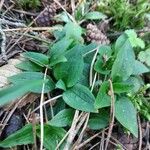
Goodyera repens
Creeping lady's tresses · Creeping Goodyera · Dwarf Rattlesnake plantain · Northern Rattlesnake plantain · Lesser rattlesnake plantain
Description
Source: leafsnapGoodyera repens, an orchid in the genus Goodyera, is called by the common name creeping lady's-tresses in Anglophone Europe and dwarf rattlesnake plantain or lesser rattlesnake plantain in North America. It is a green underground creeper that sends out occasional skinny stems above the surface. During the summer, these stems bear flowers arranged in a spiral. These flowers twist themselves to face toward the sun. Goodyera repens is found in isolated spots in the forests and bogs of Europe. It is a rare plant, but it is the most common orchid in Scandinavia. The species is widespread across much of Europe, Asia and North America including Russia, China, Germany, Poland, the United Kingdom, Canada and the United States, though never very common in any of these places.Goodyera repens is a protected species throughout most of its range. It does not survive fire, and does not soon reenter an area after fire or logging. It is generally found only in forests at least 95 years old.Like other orchids, Goodyera repens lives in symbiosis with mycorrhiza, rhizome-dwelling fungus (Ceratobasidium cornigerum or Rhizoctonia goodyearae-repentis). The mycorrhiza help the orchid absorb and assimilate nutrients. This orchid is pollinated by bumblebees, allowing for its sexual reproduction. It can also reproduce vegetatively.
Care Guide
💧 Water Every 2 days
The lesser rattlesnake plantain flourishes in the cool, temperate understories of forests, where it needs consistent moisture without becoming waterlogged. It has a moderate tolerance to drought. Watering it weekly can simulate its natural hydration cycle. When grown indoors as an ornamental plant, the lesser rattlesnake plantain benefits from higher humidity, which promotes optimal growth and enhances the appearance of its foliage.
How should I water my Lesser rattlesnake plantain?
The watering needs of your Lesser rattlesnake plantain depend on its growth phase. During active growth, water the soil and occasionally mist the leaves in warm weather. In winter or cool, wet weather, only water the soil. Look for signs of dehydration or discoloration in the roots and leaves, indicating a need for more water. Overwatered plants will appear mushy and limp. Use a pot with good drainage to grow your plant, watering it multiple times per week during the growing season. Adjust the frequency based on the pot size. Use rainwater or distilled water that matches the air temperature.
What should I do if I give too much or too little water to my Lesser rattlesnake plantain?
To keep your Lesser rattlesnake plantain healthy, avoid keeping it in overly moist soil for long periods of time. These plants need frequent watering during active growth, but they also need soil that drains well. If the plant becomes mushy and develops root rot due to overwatering, use sterile pruning shears to remove any rotten roots. Afterward, repot the plant in a container with drainage and fill it with fast-draining potting mix. However, excessive repotting may not be beneficial for this plant, so it's important to find the right watering balance. If the plant is underwatered and showing signs of shriveling and dryness, it may mean the soil is drying out faster than expected, and you should increase the watering frequency.
How frequently should I water my Lesser rattlesnake plantain?
During the active growth stage, which is spring and summer, water your Lesser rattlesnake plantain once or twice per week. Increase watering to three times per week or more during long periods of hot and dry weather. In winter, water your plantain, but not as much. Two to three times per month should be enough. However, if you keep your plantain indoors during winter, be aware that indoor locations can dry out the soil faster, which may require more frequent watering. Use fall to gradually reduce watering from summer to winter schedule.
What do I need to think about when watering my Lesser rattlesnake plantain at different times of the year and stages of growth?
To properly water your Lesser rattlesnake plantain, it is important to consider two growth phases. The first phase, known as the active growth period, occurs in spring and summer. During this time, you should water the plant multiple times per week. The second phase is the rest period, which typically lasts two to three months in the winter. During this period, your plant requires less water and fertilization. It is sufficient to water it approximately once or twice per month. As fall approaches, gradually decrease the frequency of watering from multiple times per week to the appropriate rate for winter, which is once or twice per month.
How should I water my Lesser rattlesnake plantain if I keep it inside my house?
The Lesser rattlesnake plantain prefers a relatively humid growing environment. However, most indoor locations lack the required humidity, causing the plant and soil to dry out quickly. To counter this, use a humidifier and increase the frequency of watering. It is important to note that while the plant needs humidity, adequate air circulation is also necessary to prevent excessive moisture build-up and potential diseases. To achieve this, include a fan in the same room where you grow the plant.
☀️ Light Full sun
Lesser rattlesnake plantain grows best when given abundant light for most of the day. It can also tolerate reduced light. Full light encourages the best development, though too much can hinder growth or cause damage. It originates from native habitats where light levels fluctuate but never drop very low.
What are the sunlight requirements for Lesser Rattlesnake Plantain?
Lesser Rattlesnake Plantain requires full sun, defined as over 6 hours of sunlight per day, or partial sun, which means about 3-6 hours of sunlight. It's important to monitor the movement of sunlight through your garden to find the best balance of light and shade for the plant, ensuring its health and happiness.
How essential is lighting for the growth of Lesser Rattlesnake Plantain?
Lighting is crucial for the growth of Lesser Rattlesnake Plantain, as it thrives best with plenty of light throughout the day but can also tolerate lesser light conditions. Full light exposure encourages optimal growth, although excessive light can hinder growth or cause damage. This adaptability traces back to its native environments, which offer varied but consistently sufficient light levels.
What should I know about using artificial lighting for Lesser Rattlesnake Plantain?
When natural sunlight is insufficient, artificial lighting becomes essential for the growth of indoor Lesser Rattlesnake Plantain, especially during winter or in less sunny spaces. LED lights are recommended because they can be tailored to provide specific light wavelengths needed by plants. Full sun plants require 30-50W per square foot, partial sun plants need 20-30W per square foot, and full shade plants should have 10-20W per square foot of artificial light. The light source should be placed 12-36 inches above the plant to mimic natural sunlight, and most plants require 8-12 hours of light daily.
What are the symptoms of inadequate lighting for Lesser Rattlesnake Plantain?
Symptoms of inadequate lighting in Lesser Rattlesnake Plantain include smaller new leaves, leggy or sparse growth, faster leaf drop, slower or stopped growth, lighter-colored new leaves, chlorosis, sunscald, leaf curling, wilting, and leaf scorching. These symptoms indicate the plant is not receiving enough sunlight, which can negatively impact its health and growth.
What solutions can I consider for light-related issues in Lesser Rattlesnake Plantain?
To address light-related issues in Lesser Rattlesnake Plantain, consider gradually moving plants to sunnier locations for at least 6 hours of direct sunlight daily, using artificial light if relocation isn't possible, and ensuring curtains are open during the day for maximum sun exposure. For outdoor plants, moving them gradually to sunnier spots can help, but remember that already damaged parts might not recover although new growth will be healthy. If sunlight is obstructed, try pruning trees to allow more light through or transplanting smaller plants to sunnier areas, ensuring ample sunlight and good drainage.
🌡️ Temperature 5–35°C
Lesser rattlesnake plantain is native to habitats with temperatures ranging from 41 to 95°F (5 to 35℃). Preferring moderate conditions, it does poorly in extreme weather, suggesting seasonal temperature adjustments for optimal growth.
What is the optimal temperature range for Lesser Rattlesnake Plantain?
Lesser Rattlesnake Plantain thrives in environments where temperatures range from 41 to 95°F (5 to 35°C). The plant prefers moderate conditions and does not fare well in extreme weather. It is indigenous to areas that naturally provide these temperature conditions, underscoring the importance of seasonal temperature adjustments for its optimal growth.
Is Lesser Rattlesnake Plantain frost-resistant?
Yes, Lesser Rattlesnake Plantain exhibits strong cold resistance, and special frost protection measures are generally not needed during the winter. However, if temperatures are anticipated to fall below -25°C, it's crucial to protect the plant from the cold. This can be done by covering it with protective materials like soil or straw. Additionally, watering the plant abundantly before the first freeze helps ensure the soil remains moist when it enters a frozen state, which is beneficial for preventing drought and water scarcity during winter and early spring.
How does low temperature affect Lesser Rattlesnake Plantain?
Lesser Rattlesnake Plantain is quite tolerant of cold temperatures and fares best when temperatures stay above 5°C. During the winter, it's advisable to keep the plant above -20°C. Temperatures dropping below -25°C might not induce noticeable changes during winter. However, this could lead to diminished sprouting or even a complete lack of sprouting in spring. To manage this, in spring, remove any plant parts that have failed to sprout as a solution to this issue.
What should I do if Lesser Rattlesnake Plantain is exposed to high temperatures?
Lesser Rattlesnake Plantain should ideally be kept below 35°C during summer. Exposure to temperatures above 38°C may result in the leaves becoming lighter, prone to curling, susceptible to sunburn, and in severe cases, may cause the entire plant to wilt and dry out. To mitigate the damage, trim away sunburned and dried-up parts. Move the plant to a location that provides shade during the midday and afternoon sun or use a shade cloth to protect it. Additionally, watering the plant in the morning and evening helps maintain soil moisture, preventing further stress.
💨 Humidity
🪴 Soil 6-7
🌱 Fertilizer
One application of fertilizer in spring is generally enough for Lesser rattlesnake plantain, though repeated feedings can maximize growth. Apply fertilizer every month to a month and a half. Fertilizing improves the leaves' appearance and function, helping maintain even color and a healthy texture. It also encourages root development and nutrient uptake for long-term plant health.
🪴 Pot & Repot
✂️ Pruning
The Lesser Rattlesnake Plantain is a low-growing, evergreen orchid known for its distinctive white-veined leaves. To encourage healthy growth and improve blooming, prune the plant in early to late spring using sterilized tools. Light pruning helps maintain the beautiful leaf patterns; use sharp scissors to make precise cuts close to the base.
🌿 Propagating
🐛 Diseases & pets
☠️ Toxicity
Characteristics
- Plant Type
- Herb
- Life Cycle
- Perennial
- Genus
- Goodyera
- Family
- Orchidaceae
- Hardiness Zone
- 5-9
- Mature Height
- 10 cm to 30 cm
- Mature Spread
- 5 cm to 10 cm
- Leaf Color
- Green
- Leaf Type
- Evergreen
- Flower Color
- White
- Flower Size
- 0.51 cm
- Bloom Time
- Early summer, Mid summer
- Planting Time
- Spring, Autumn
- Harvest Time
- Late summer, Early fall
- Native Area
- Turkey, Sweden, India, Austria, Slovakia, Pakistan, Slovenia, Croatia, Belarus, Russia, Germany, Estonia, Koppen, Romania, Latvia, South Korea, Belgium, Netherlands, Nepal, France, Czech Republic, Bulgaria, Armenia, Poland, Ukraine, Serbia, China, Lithuania, Norway, Afghanistan, Kyrgyzstan, Kazakhstan, Italy, Spain, Switzerland, Denmark, Myanmar, Mongolia, Japan, Finland, Bhutan, Iran, United Kingdom, Hungary