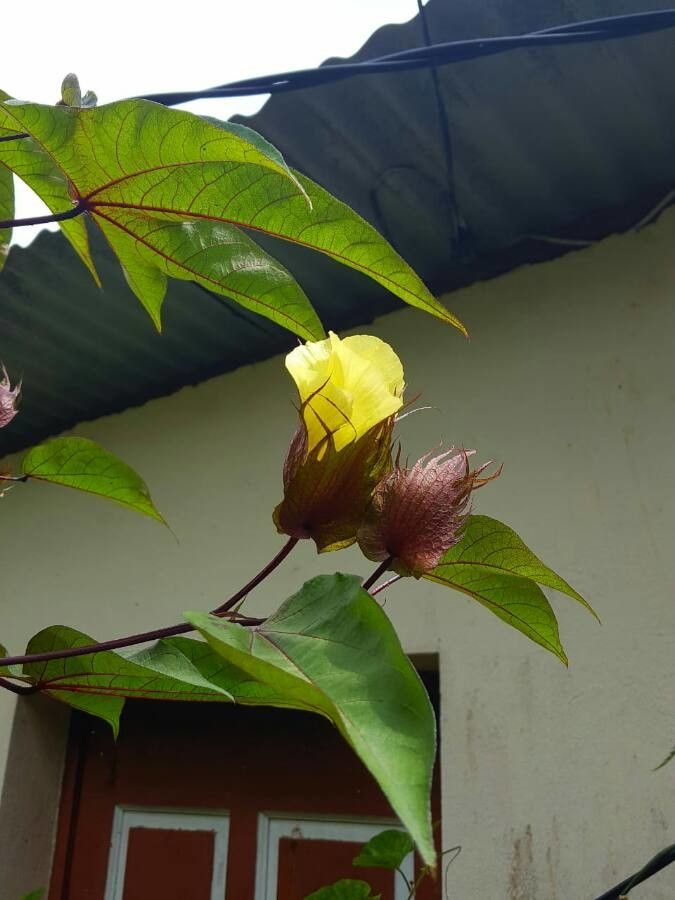
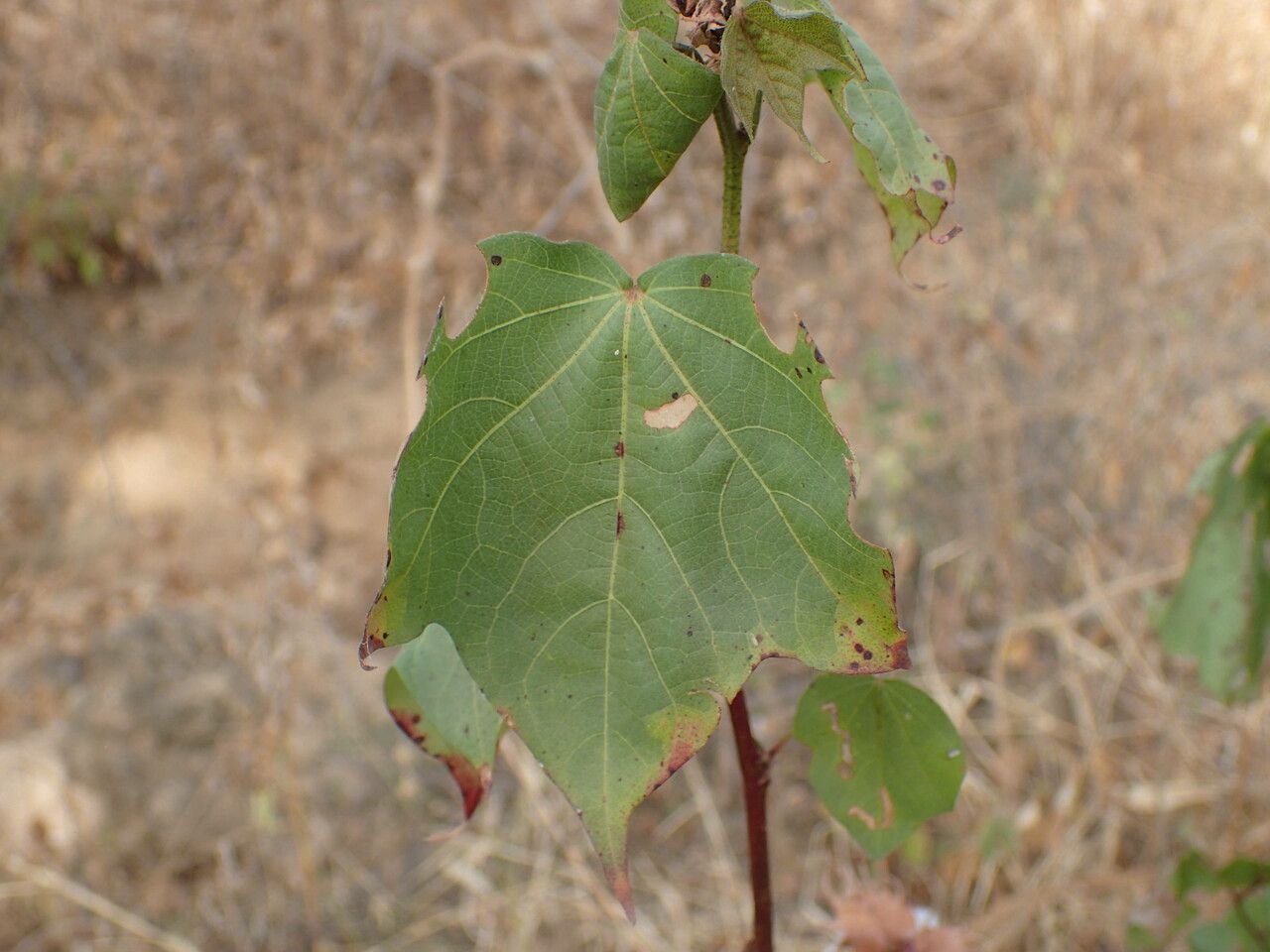
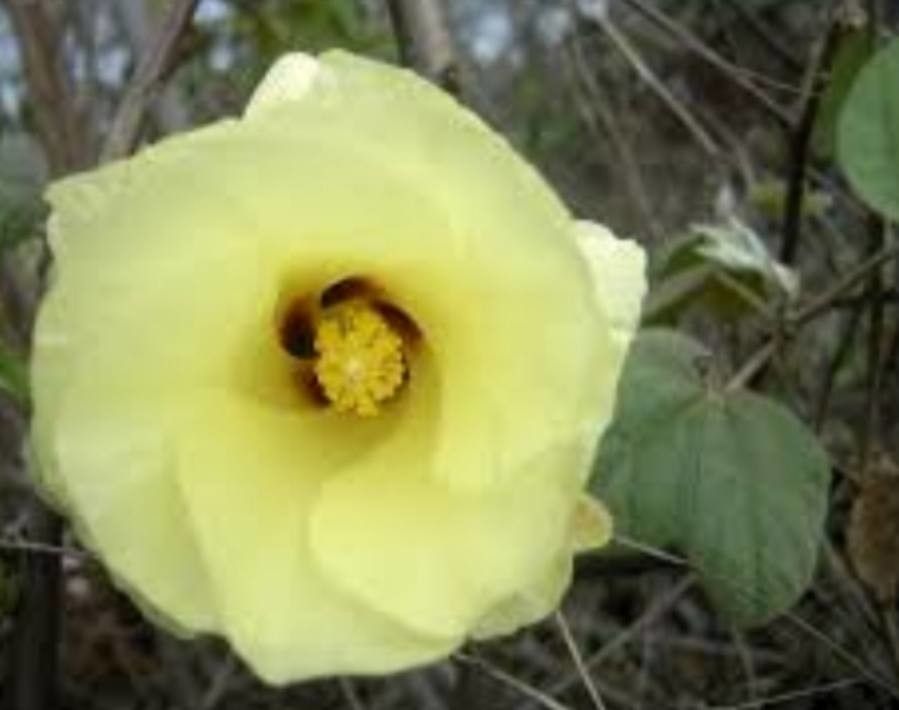
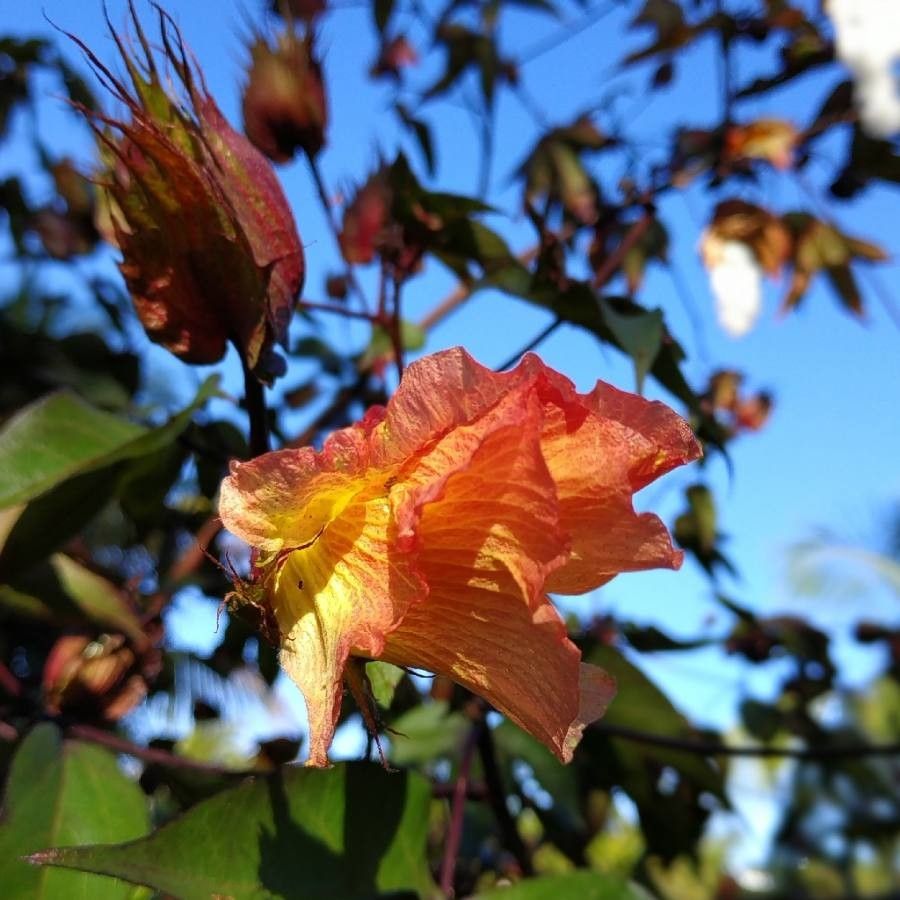
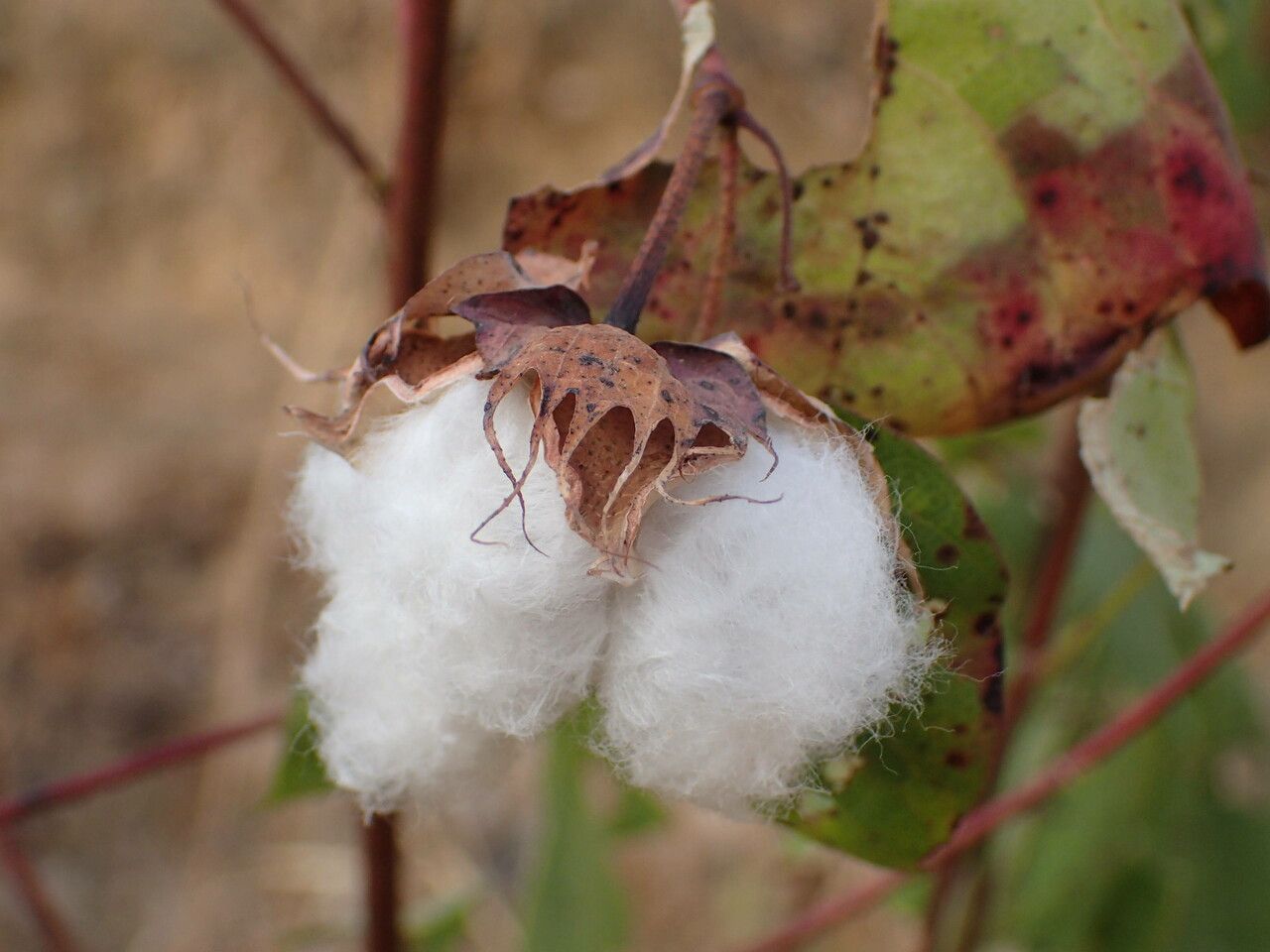
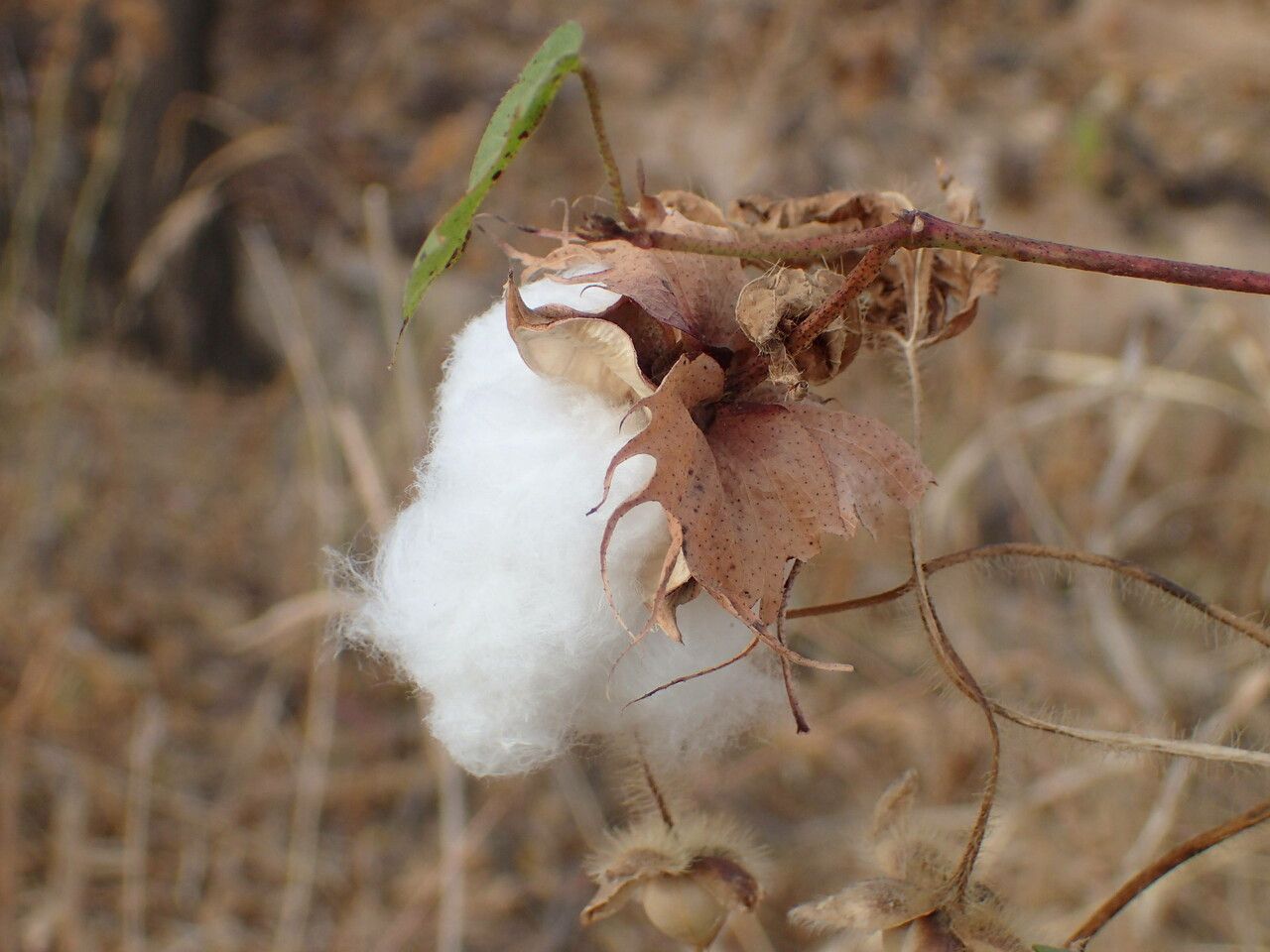
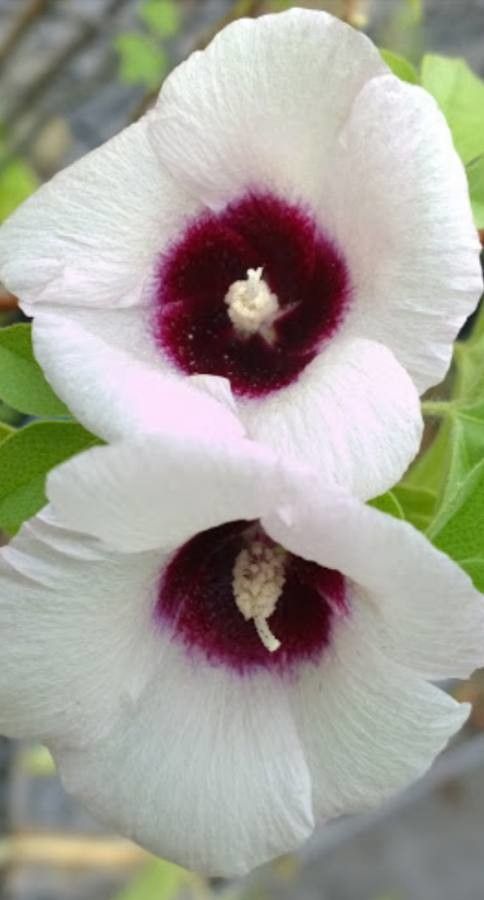
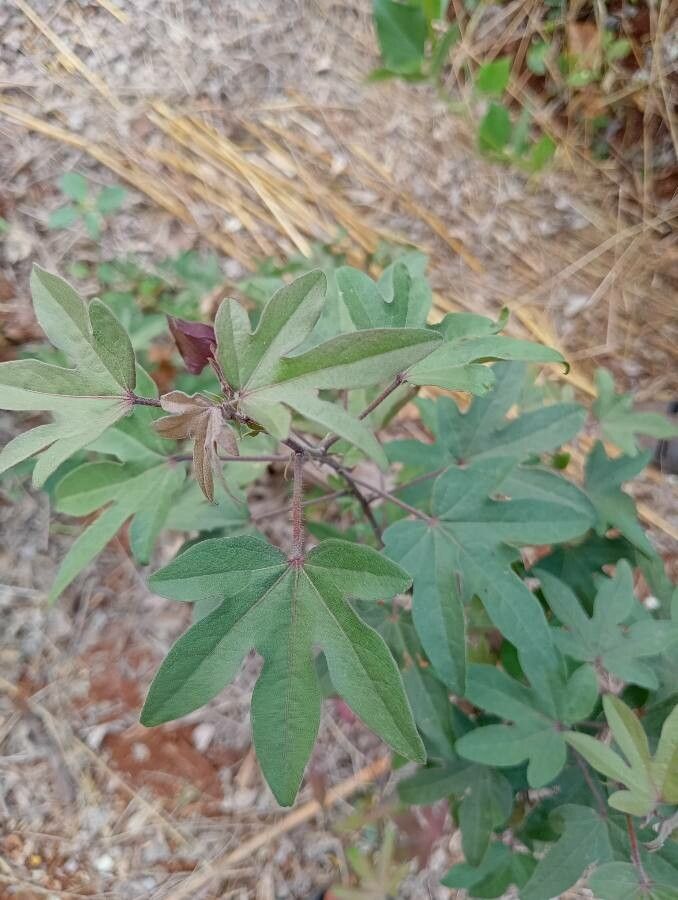
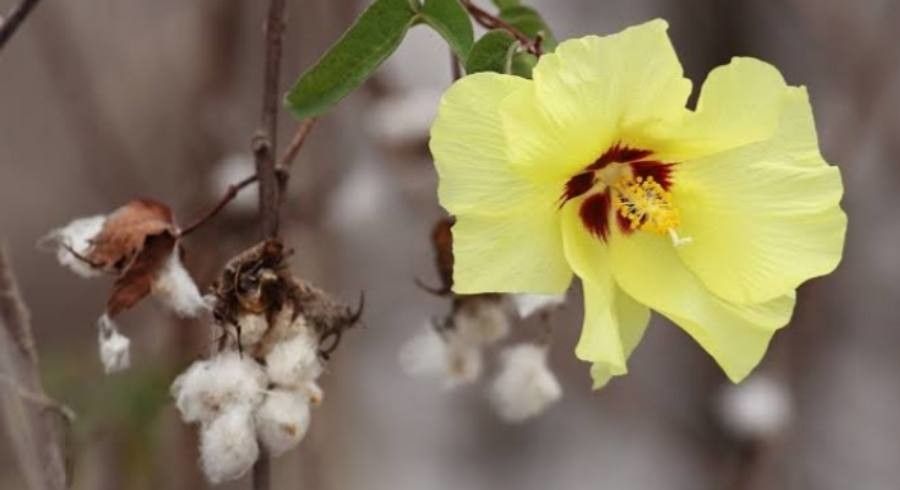
Gossypium barbadense (gos-SIP-pee-um bar-ba-DEN-see), also known as South American cotton, is one of several species of cotton. It is in the mallow family. It has been cultivated since antiquity, but has been especially prized since a form with particularly long fibers was developed in the 1800s. Other names associated with this species include Sea Island, Egyptian, Pima, and extra-long staple (ELS) cotton. The species is a tropical, frost-sensitive perennial that produces yellow flowers and has black seeds. It grows as a bush or small tree and yields cotton with unusually long, silky fibers. G. barbadense originated in southwest Ecuador and northwest Peru. It is now cultivated around the world, including China, Egypt, Sudan, India, Australia, Peru, Israel, the southwestern United States, Tajikistan, Turkmenistan, and Uzbekistan. It accounts for about 5% of the world's cotton production.
Creole cotton is fairly disease-resistant and typically not prone to illnesses. Still, it can be affected by pests and diseases present in its surroundings. Such infections are usually mild. In terms of care, the plant requires moderate maintenance. Regular pruning is needed to preserve a good appearance and support healthy growth. Fertilizing can also help encourage flowering. Creole cotton is suitable for anyone with outdoor space, like a garden or patio, and does not demand extensive plant-care experience. It may require more attention when grown indoors.
How to keep Gossypium Barbadense.
Light
Creole cotton comes from open, brightly lit habitats and grows best in full sun. It can withstand partial shade but favors direct sunlight for ideal development. This plant, which can be annual or biennial, is noted for its sun-loving habit.
Temperature
Creole cotton comes from tropical areas, where the climate is generally warm and humid. As a result, it is adapted to high temperatures and humidity. It fares poorly with sudden temperature shifts and prefers a steady thermal environment, so indoor temperature fluctuations should be avoided. It typically cannot tolerate cold and requires warmer conditions to grow. If the temperature falls too low, the plant may stop growing or even die.
Botanical profile.
- Plant Type
- Herb, Shrub
- Life Cycle
- Annual, Perennial
- Genus
- Gossypium
- Family
- Malvaceae
- Hardiness Zone
- 8-11
- Mature Height
- 0.91 m to 2.13 m
- Mature Spread
- 61 cm to 91 cm
- Leaf Color
- Green, Dark Green
- Leaf Type
- Deciduous
- Flower Color
- White, Yellow
- Flower Size
- 5.08 cm to 7.62 cm
- Bloom Time
- Summer, Early fall, Mid fall
- Planting Time
- Spring, Summer
- Harvest Time
- Late summer, Fall, Early winter
- Native Area
- Brazil, Venezuela, Peru
Other names.