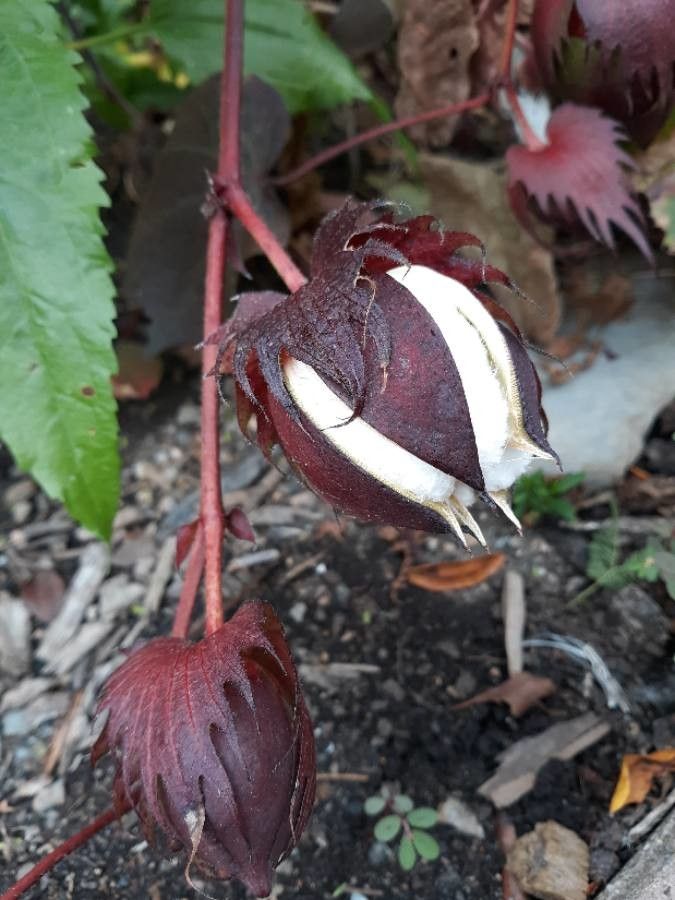
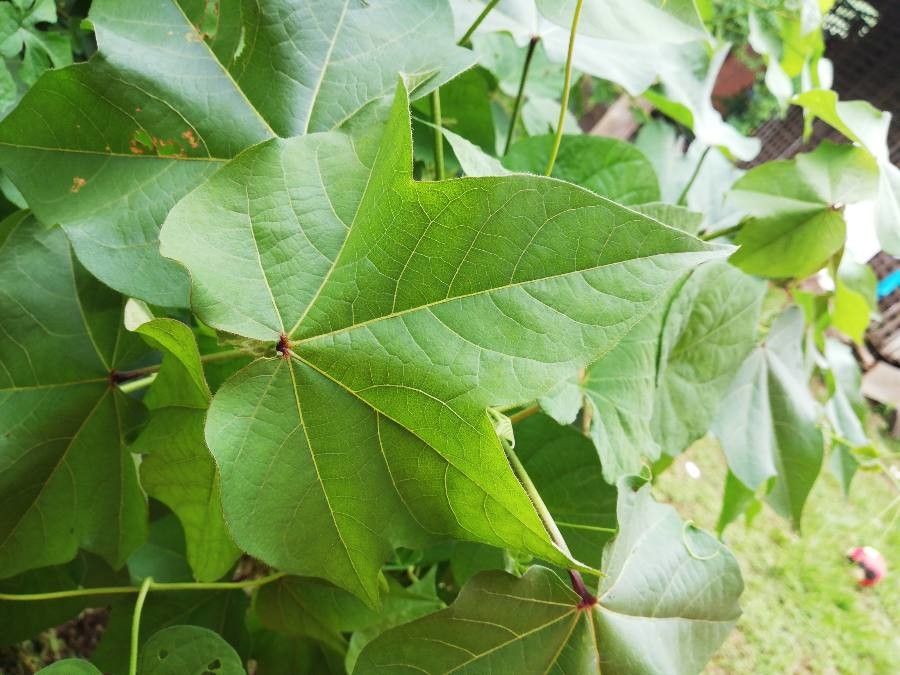
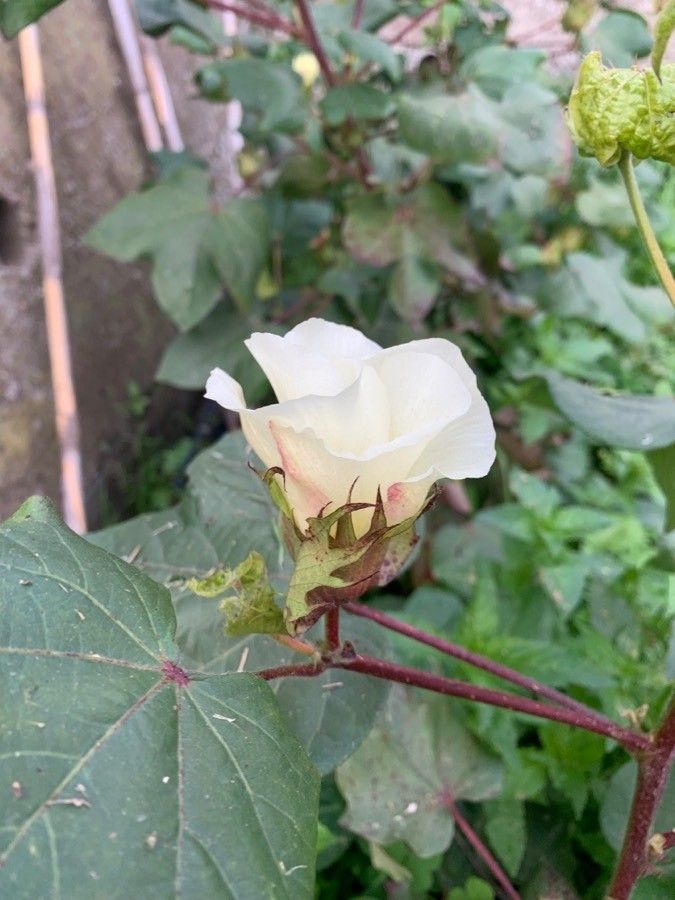
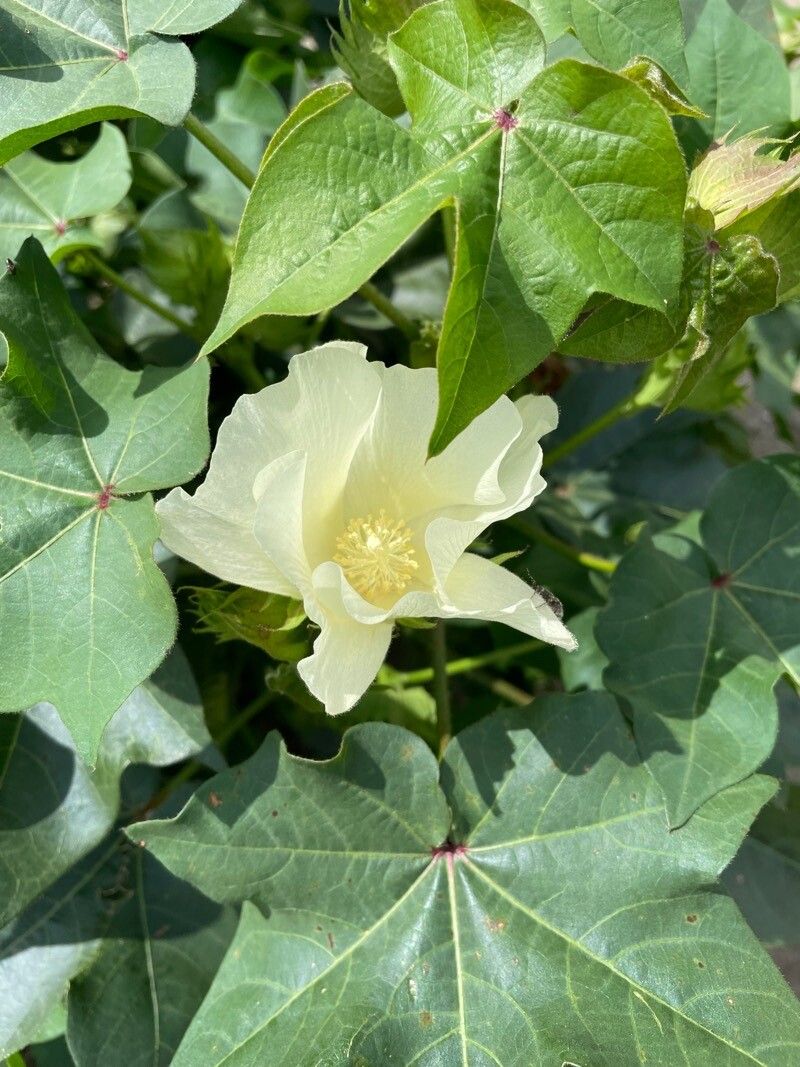
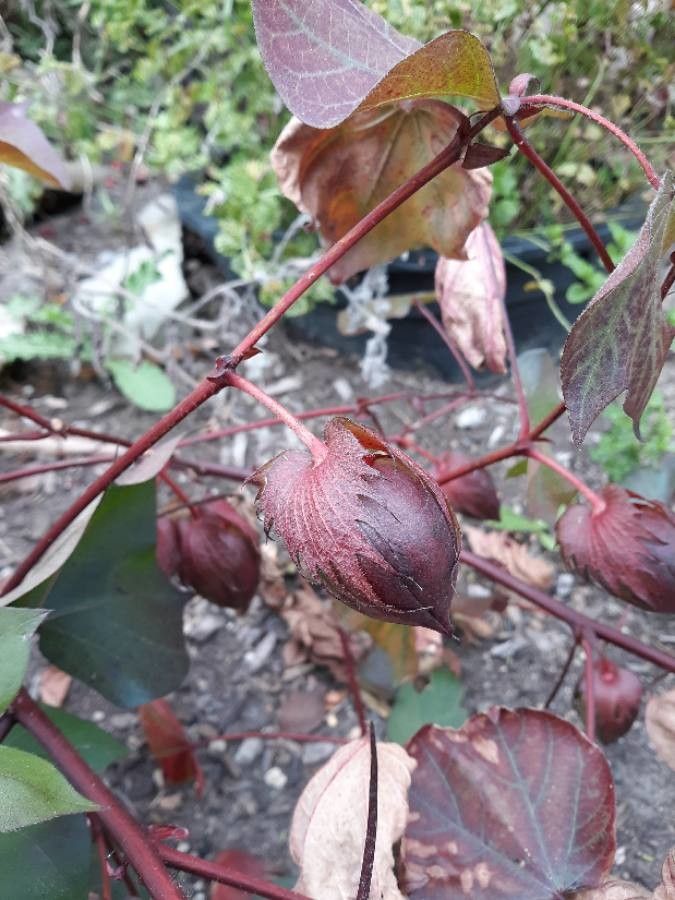
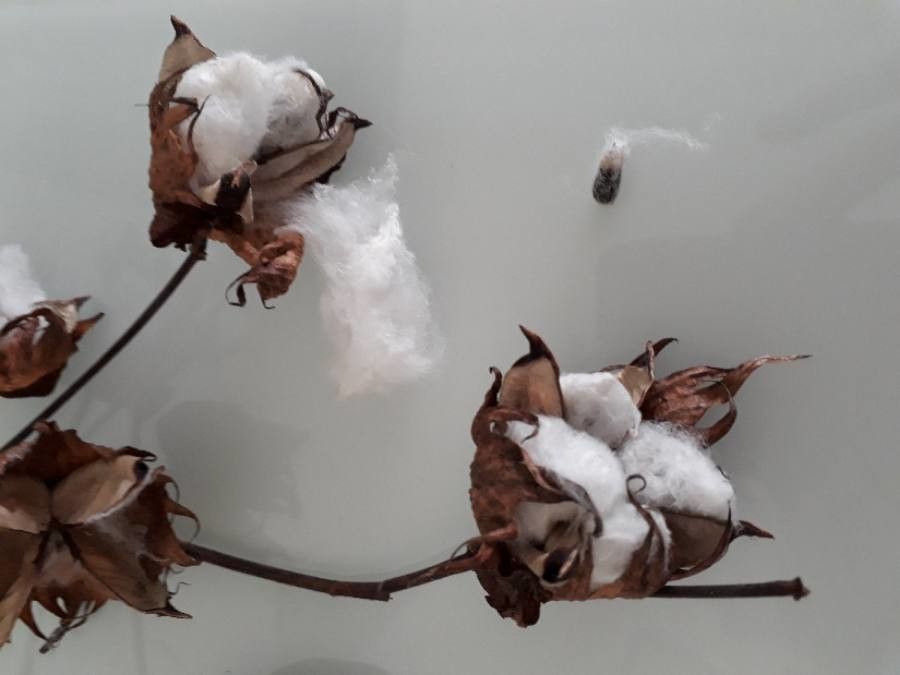
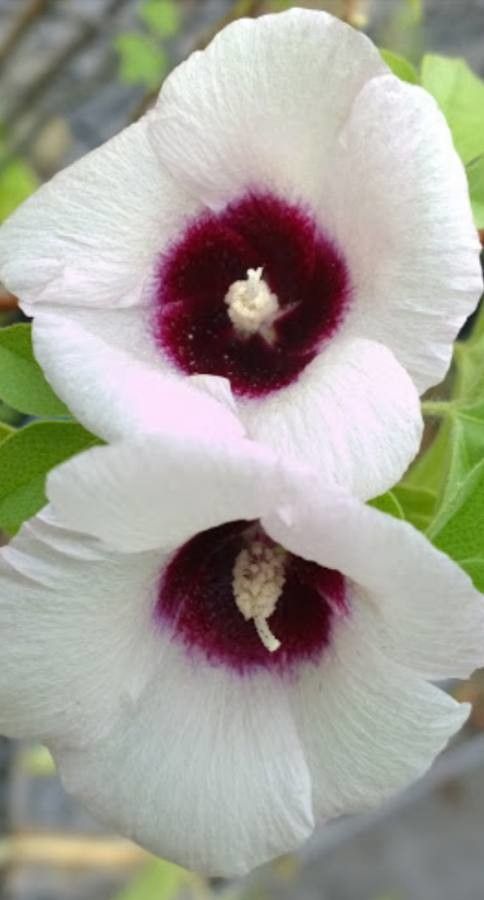
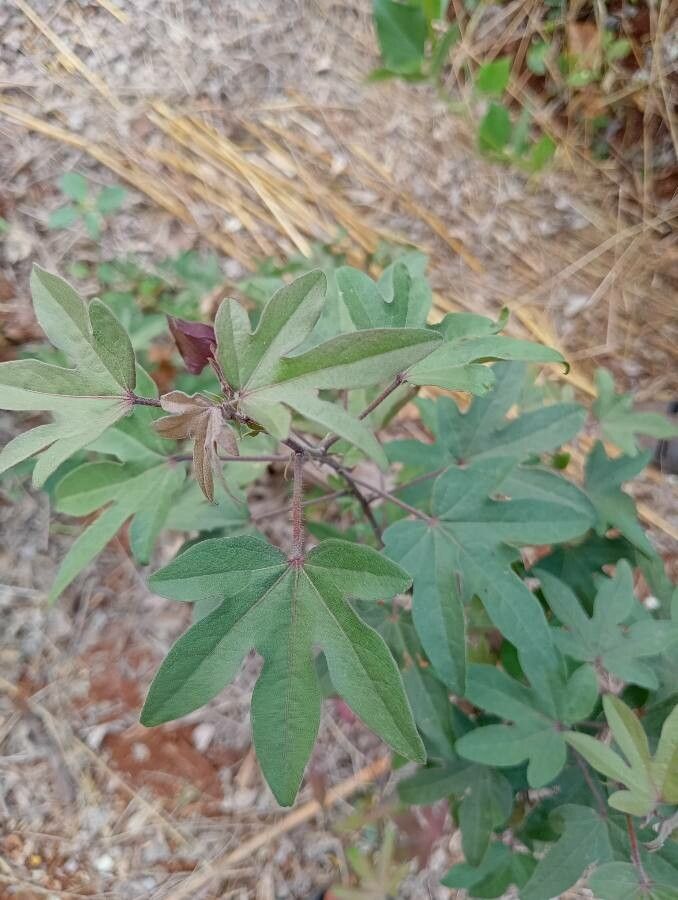
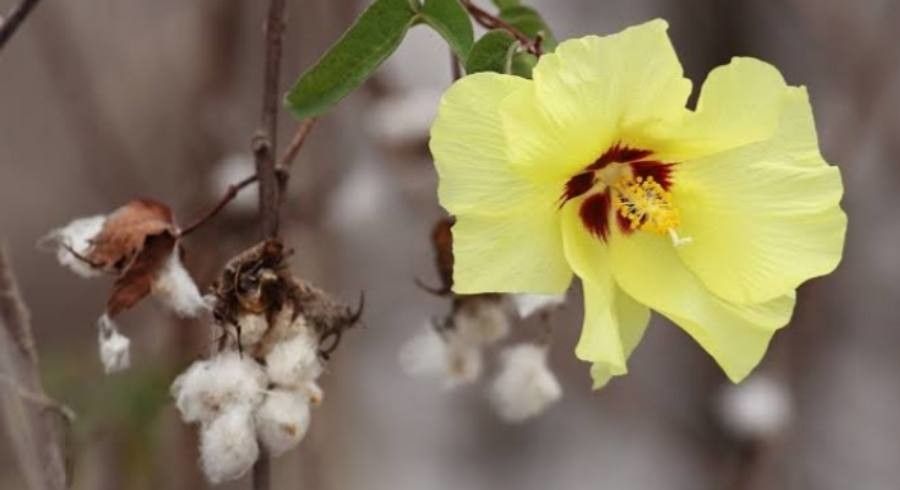
Gossypium hirsutum, also known as upland cotton or Mexican cotton, is the most widely planted species of cotton in the world. Globally, about 90% of all cotton production is of cultivars derived from this species. In the United States, the world's largest exporter of cotton, it constitutes approximately 95% of all cotton production. It is native to Mexico, the West Indies, northern South America, Central America and possibly tropical Florida.Archeological evidence from the Tehuacan Valley in Mexico shows the cultivation of this species as long ago as 3,500 BC, although there is as yet no evidence as to exactly where it may have been first domesticated. This is the earliest evidence of cotton cultivation in the Americas found thus far. Gossypium hirsutum includes a number of varieties or cross-bred cultivars with varying fiber lengths and tolerances to a number of growing conditions. The longer length varieties are called "long staple upland" and the shorter length varieties are referred to as "short staple upland". The long staple varieties are the most widely cultivated in commercial production. Besides being fibre crops, Gossypium hirsutum and Gossypium herbaceum are the main species used to produce cottonseed oil. The Zuni people use this plant to make ceremonial garments, and the fuzz is made into cords and used ceremonially.
This species shows extrafloral nectar production.
Upland cotton is fairly disease-resistant and typically not susceptible to many illnesses. Regarding care, it is relatively low maintenance. When grown outdoors it needs little watering, and larger plants usually do not require pruning. Smaller plants, however, should be pruned after they have finished blooming. Upland cotton is suitable for anyone with outdoor space, such as a garden or a deck, and does not demand extensive care experience.
How to keep Gossypium Hirsutum.
Light
In its native habitat, the upland Cotton flourishes in areas exposed to direct sunlight, requiring that level of light for healthy development. Various stages of growth tolerate this unobstructed brightness. An excess or shortage of sunlight can impede growth and may lead to plant stress.
Water
Originating from semi-arid regions, upland cotton demonstrates a moderate tolerance to drought. It thrives best with a balance of sunlight and periodic moisture. To ensure healthy growth, water the plant weekly, adjusting the irrigation schedule based on rainfall patterns, especially during its water-intensive flowering phase.
Temperature
Upland Cotton occurs naturally in areas where temperatures typically range from 68 to 95 °F (20 to 35 ℃). It prefers warm conditions, so during cooler seasons it is recommended to keep indoor temperatures within that range.
Fertilizer
The timing of fertilizing Upland Cotton is critical. Fertilize in early spring and continue monthly until early summer. Fertilizer promotes attractive blooms and supplies energy during both dormant and active growth periods.
Pruning
Upland Cotton, known for its white fibers and dark green leaves, needs pruning in early spring. Prune by removing dead branches and suckers to enhance air circulation and light exposure, encouraging healthy growth and increasing yield. Make sure to use clean, sharp tools to prevent the spread of disease.
Botanical profile.
- Plant Type
- Tree, Shrub
- Life Cycle
- Perennial, Annual
- Genus
- Gossypium
- Family
- Malvaceae
- Hardiness Zone
- 5-10
- Mature Height
- 0.61 m to 1.52 m
- Mature Spread
- 1.52 m
- Leaf Color
- Green
- Leaf Type
- Deciduous
- Flower Color
- White
- Flower Size
- 2.54 cm to 7.62 cm
- Bloom Time
- Early summer, Mid summer
- Planting Time
- Spring
- Harvest Time
- Mid summer, Late summer
- Native Area
- Mexico, Fiji, Belize
Other names.
Reader questions.
What's the best way to water my Upland Cotton?
To ensure optimal root development, place a garden hose at the base of your plants instead of spraying the leaves directly. Keep in mind that leaves will need more water if they are exposed to direct sunlight outside. You can also use bubblers to moisten the roots of each plant individually, or soaker hoses to cover the entire garden bed and encourage deep root growth when adding or removing plants. Make sure to drain any excess water and wait for the soil to dry before watering again. Watering at ground level is recommended to prevent diseases. On a sunny day, consider spraying the entire bush with water. Whether your plant is potted or in the ground, it is important to prioritize deep watering rather than light sprinkling for Upland Cotton.
Why should I put fertilizer on my Upland Cotton?
Fertilizing your Upland Cotton is essential for a few reasons. Firstly, it helps your cotton produce beautiful blooms. In order to ensure excellent flowers during the spring season, it is best to fertilize in early spring. Additionally, fertilizer provides your Upland Cotton with the energy it needs during its dormant growth phases. By giving your plants extra nutrients during fall planting or late spring, you can help them store more energy to use when active growth resumes.
What are the sunlight requirements for Upland Cotton?
Upland Cotton requires full sun, which means it needs more than 6 hours of sunlight daily to thrive properly. It's important to observe the movement of sunlight in your garden to identify spots that offer a balanced exposure of light and shade, ensuring your plants grow happily and healthily. Upland Cotton performs best under sun-exposed conditions typical of its native habitat, and different growth stages can handle varying degrees of sunlight intensity. Insufficient or excessive sunlight can affect the plant's growth and health, leading to stress.
What are the ideal temperature conditions for Upland Cotton (Gossypium hirsutum)?
Upland Cotton thrives in environments where temperatures range between 68 to 95 °F (20 to 35 °C). It prefers warm temperatures and maintains strong cold resistance, making it unnecessary to implement special frost protection measures in most winter conditions. However, it is advisable to keep indoor temperatures within these ideal ranges during cooler seasons to support its growth. During extremely cold winters, where temperatures are expected to drop below -25°C, it is important to provide cold protection by wrapping the trunk and branches with non-woven fabrics or cloths, and before the first freeze of autumn, watering the plant abundantly to ensure the soil stays moist and enters a frozen state, helping prevent drought and water scarcity during winter and early spring.
What do I need to do if I give Upland Cotton too much or too little water?
If an Upland Cotton plant is overwatered, it may exhibit yellowing, wilting, and the dropping of leaves. The plant can also look unhealthy with mushy stems. When these signs appear, it's important to adjust your watering schedule accordingly. Conversely, wilting can also indicate under watering, with leaves becoming crispy and dry. In such cases, check the soil for dryness and if necessary, give the plant a thorough watering. However, even with adequate water, the plant may still display dryness and yellow leaves due to damage to the root system. Once the plant returns to normal, the yellowing of leaves will cease. When caring for Upland Cotton indoors, regularly check the moisture levels in the pot, avoiding overwatering and looking out for black spots. If present, allow the soil to dry out by refraining from watering for a few days. Overwatering can lead to root rot, so transferring the plant to a different pot is advisable if discolored and slimy roots are observed. Preventing root rot through proper moisture management is essential. When planting Upland Cotton outdoors, ensure that the soil is adequately moist, as excessively dry soil may indicate underwatering. Proper watering is necessary for the plant's recovery.
When should I put fertilizer on my Upland Cotton?
Timing is essential for fertilizing Upland Cotton. Applying fertilizer too early, while the Upland Cotton is still dormant, proves ineffective as it gets washed away by rainwater, resulting in waste and pollution. It is advisable to make the first fertilizer application in early spring and continue doing so monthly until early summer.
How does artificial lighting support plant growth?
Indoor plants, including Upland Cotton, may require artificial lighting to support optimal growth, especially when natural sunlight is insufficient, such as during winter or in less sunny indoor locations. Artificial lights, particularly LED lights, are beneficial as they can be customized to provide specific wavelengths needed by the plants. For full sun plants, 30-50W/sq ft of artificial light is recommended, partial sun plants need 20-30W/sq ft, and full shade plants require 10-20W/sq ft. It's also important to determine the proper distance (12-36 inches above the plant) and duration (8-12 hours per day) of light exposure to mimic natural sunlight conditions effectively.
What should I do if the temperature falls below 20°C or rises above 35°C for Upland Cotton?
Upland Cotton is cold-tolerant, best thriving above 20°C, hence it should be kept above 0°C during winter. If temperatures fall below -25°C, you might not notice immediate damage in winter, but in spring, the branches could become brittle and dry, and no new shoots will emerge. In this case, it's advisable to prune away any dead branches that failed to produce new leaves. Conversely, during summer, Upland Cotton should be kept below 35°C. Exposing the plant to temperatures above 41°C may cause the leaves to lighten in color, the tips to become dry and withered, and increase the plant's susceptibility to sunburn. To manage this, trim away the sunburned and dried-up parts, move the plant to a shaded location, particularly protecting it from midday and afternoon sun, or use a shade cloth. Additionally, ensure to water the plant in the morning and evening to keep the soil moist.
How frequently should I give water to my Upland Cotton?
The Upland Cotton prefers deep watering that is done infrequently. This is especially important for potted plants as the limited water storage in the pots causes the soil to dry out quickly. In colder regions, watering is needed every 3 to 5 days. It is best to water in the morning when the soil is dry, whether the plant is outdoors or indoors. To determine if watering is needed, check the soil by feeling the top 2-3 inches. If it is dry, it's time for a full watering. On hot days, it may be necessary to check the moisture daily as the heat can rapidly dry out the soil in the pot. If you have a garden, irrigation of the soil is necessary. In hot climates, watering once a week is typically sufficient. Only water when you notice the top 2 to 3 inches of soil becoming too dry, and take into account any rainfall received to prevent root rot. If there is ample rainfall, additional watering may not be necessary. Upland Cotton generally thrives in spring and fall. When planting outdoors, adding a 3 to 4-inch layer of mulch helps conserve water. Sandy soil requires more frequent watering due to its fast drainage, while clay soil requires less frequent watering to avoid root rot. Keep track of watering dates on a calendar and pay attention to drooping leaves, which may indicate the need for watering.
When is it not a good idea to put fertilizer on my Upland Cotton plants?
To ensure healthy growth of Upland Cotton, it is important to avoid using fertilizers with excessive nitrogen as this can result in more leaves but fewer blooms. Look for fertilizers with lower nitrogen levels compared to other nutrients. Additionally, it is recommended not to fertilize Upland Cotton during the late autumn when excessive growth before winter can be detrimental. Similarly, avoid fertilizing during hot and dry periods as dry soil is not as effective at delivering nutrients, which can lead to increased growth requiring more water that may not be readily available. It is best to apply fertilizer during cooler temperatures earlier in the season. Lastly, it's crucial to note that Upland Cotton can absorb fertilizers applied to neighboring plants or lawns, so be careful not to inadvertently over-fertilize trees or shrubs in the vicinity.
What are the symptoms of light deficiency or overexposure in Upland Cotton?
Upland Cotton can show various symptoms due to insufficient light or overexposure to sunlight. Light deficiency signs include small leaves, leggy or sparse growth, faster leaf drop, and slower or halted growth, indicating the plant is in survival mode due to poor light conditions. Leaves may appear lighter in color or develop chlorosis (yellowing) from insufficient sunlight. Sunscald, leaf curling, wilting, and leaf scorching are symptoms of excessive sunlight exposure. These conditions affect the plant's photosynthesis process and overall health.
How much water does my Upland Cotton plant need?
The water needs for Upland Cotton can be met with a gallon each time, according to a schedule. As for potted plants, it is best to water them deeply so that the water drips out the bottom of the pot. After watering, wait for the soil to dry before watering again. To determine the amount of water provided to a plant in a week, you can use a water calculator or a moisture meter. During the flowering period, it is important to provide plenty of water, but allow the moisture to evaporate afterward to prevent root rot. If Upland Cotton is planted outdoors and receives adequate rainfall, additional watering may not be necessary. However, when Upland Cotton is young or newly planted, it should receive 1-2 inches of rain per week. As the Upland Cotton grows, it can rely solely on rainfall. Only in very hot weather or if there is no rainfall for 2-3 weeks should a full watering be considered during the cooler parts of the day to prevent heat damage. Additional watering will be required during extended dry periods.