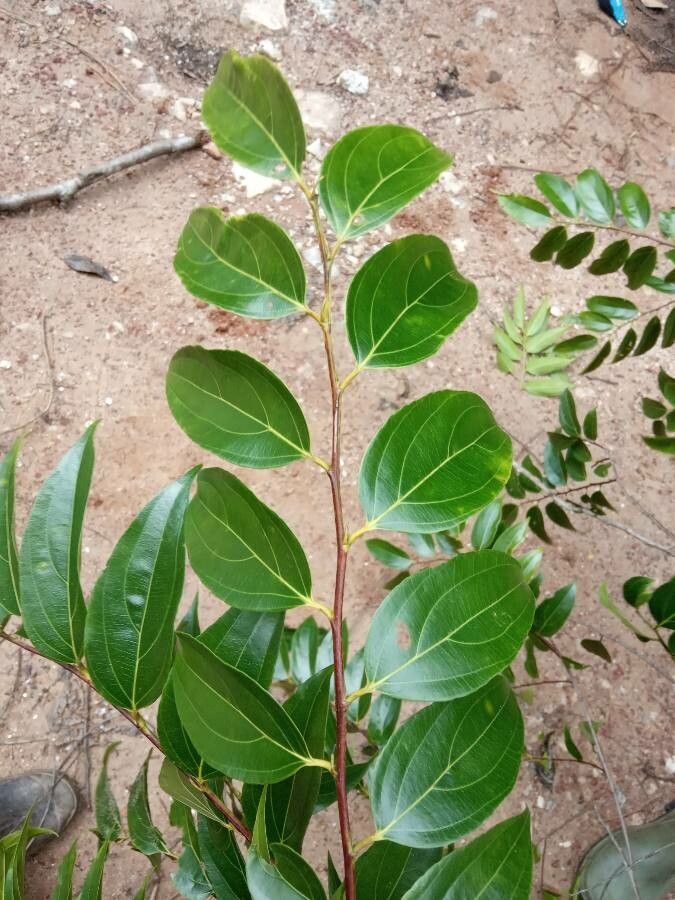
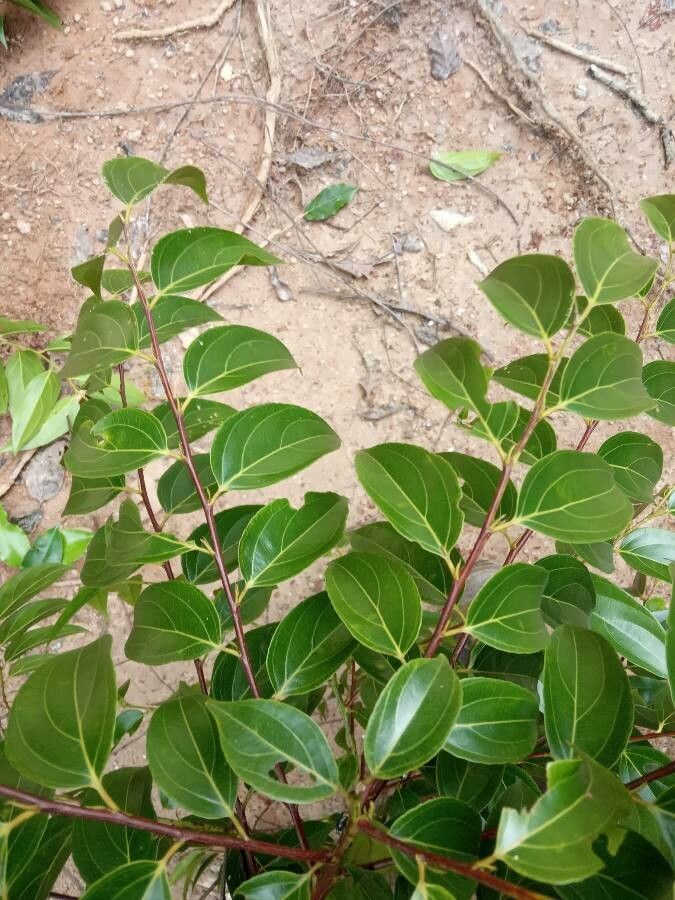
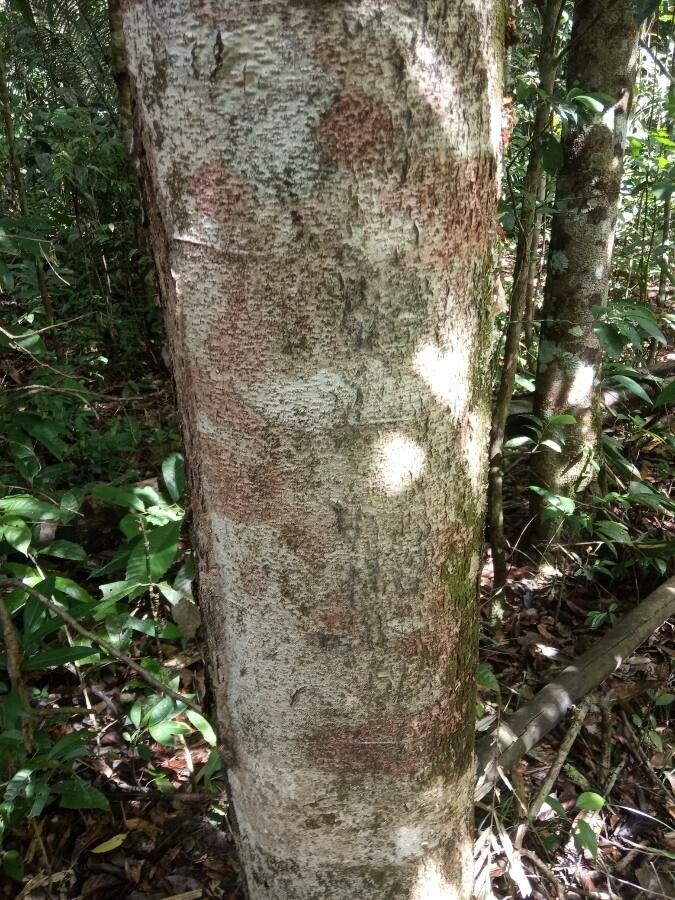
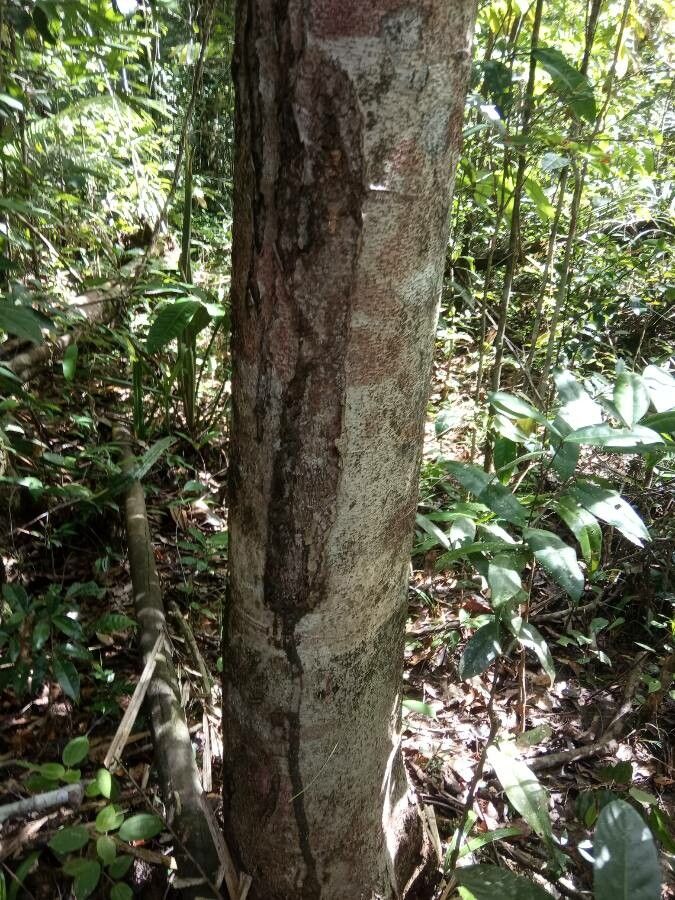
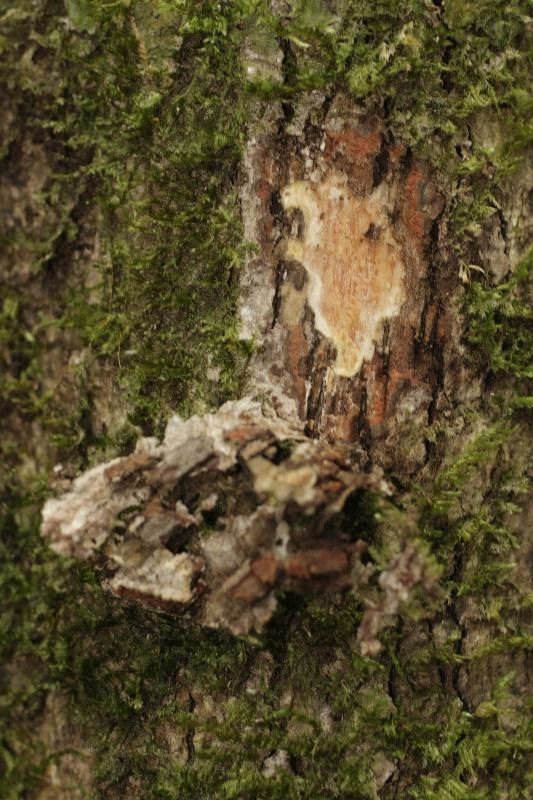
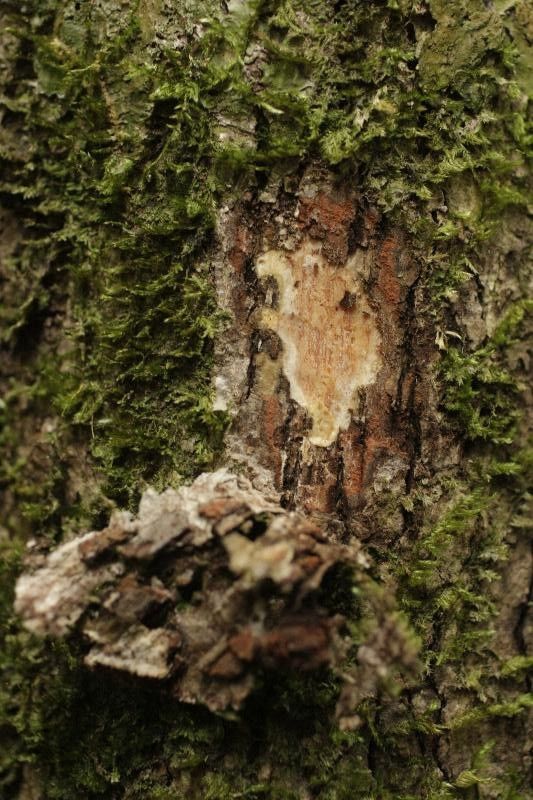
Goupia glabra (goupie or kabukalli; syn. G. paraensis, G. tomentosa) is a species of flowering plant in the family Goupiaceae (formerly treated in the family Celastraceae). It is native to tropical South America, in northern Brazil, Colombia, French Guiana, Guyana, Surinam, and Venezuela.Other names include Saino, Sapino (Colombia), Kopi (Surinam), Kabukalli (Guyana), Goupi, bois-caca (French Guiana), Pasisi (Wayampi language), Pasis (Palikur language), Kopi (Businenge language), Cupiuba (Brazil).
Goupia glabra is resistant to disease and is generally unlikely to develop illnesses. In terms of upkeep, this plant is fairly low maintenance. Planted outdoors it needs only light watering, and larger specimens usually do not require pruning. Smaller specimens, however, should be pruned after they have flowered. Goupia glabrat is appropriate for anyone with an outdoor area, such as a garden or deck, and does not demand extensive care experience.
How to keep Goupia Glabra.
Light
Goupia glabra does best in full sun yet can tolerate reduced light. Seasonal care differs depending on whether goupia glabra is kept in containers or planted in the ground. Too little light causes slowed growth and may produce leaf discoloration.
Water
Goupia glabra is a tropical plant that thrives in high humidity and requires consistent moisture. While it prefers to be watered weekly, it can tolerate short periods of dryness. Being an evergreen, it relies on regular hydration for healthy growth and benefits from being cultivated outdoors, where it can receive natural rainfall.
Temperature
Goupia glabra comes from tropical areas, where the climate is generally warm and humid. Consequently, it is well suited to high temperatures and humidity. It is sensitive to sudden temperature shifts and prefers a constant thermal environment, so avoiding temperature fluctuations indoors is important. It typically cannot tolerate cold conditions and needs warmer temperatures to grow; if the surrounding temperature falls too low, the plant may stop growing or even die.
Fertilizer
Fertilizing is essential for the care of Goupia glabra. Regular feeding throughout the growing season maintains the energy required for its showy foliage and supports overall growth. Ignoring fertilization can lead to unhealthy leaves, reduced ornamental value, and stunted or weak growth that is more likely to break.
Pruning
Prune goupia glabra from early to late winter to control its density and shape. Remove any dead or crowded branches to improve air circulation. Regular and careful pruning enhances the health and appearance of goupia glabra. Be sure to avoid excessive pruning, as this helps maintain the plant's vigor and encourages robust growth.
Botanical profile.
- Plant Type
- Tree
- Life Cycle
- Perennial
- Genus
- Goupia
- Family
- Goupiaceae
- Hardiness Zone
- 10-11
- Mature Height
- 20.12 m to 29.87 m
- Mature Spread
- 10.06 m to 14.94 m
- Leaf Color
- Dark Green, Forest Green
- Leaf Type
- Evergreen
- Flower Color
- Yellow
- Flower Size
- 0.25 cm to 0.51 cm
- Bloom Time
- Late spring, Early summer, Mid summer
- Planting Time
- Spring, Summer, Autumn
- Harvest Time
- Late summer, Early fall, Mid fall
- Native Area
- Colombia, Honduras, Bolivia, Venezuela, Peru, Guyana, Brazil, Panama
Other names.
Reader questions.
What are the sunlight requirements for Goupia glabra?
Goupia glabra, also known by its botanical name Goupia glabra, thrives in conditions that meet its specific sunlight requirements. It needs full sun, which means it should receive above 6 hours of direct sunlight each day, to flourish. However, it can also tolerate partial sun, requiring about 3-6 hours of sunlight daily. It's important to observe how sunlight moves through your garden throughout the day. Selecting the perfect spot that offers a balance of light and shade will ensure your Goupia glabra plants are happy and healthy.
What is Goupia glabra?
Goupia glabra is a species recognized by its scientific name 'Goupia glabra'. There are no additional details provided regarding its essentials or symptoms associated with it.