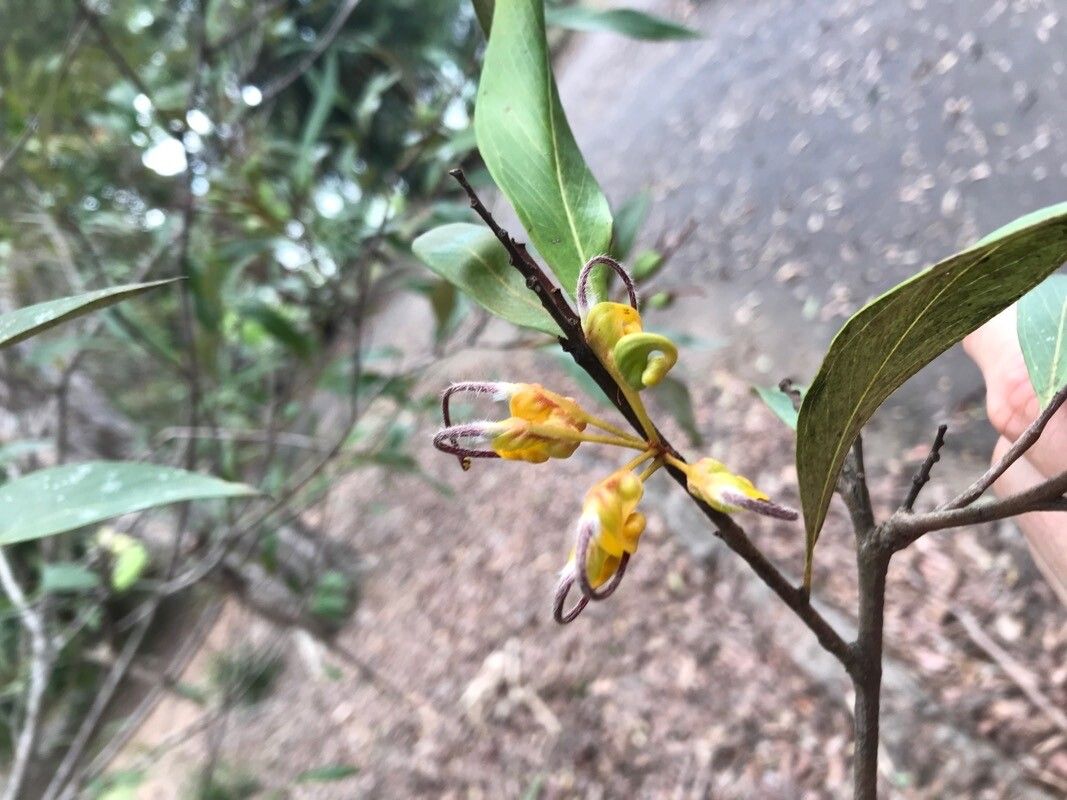
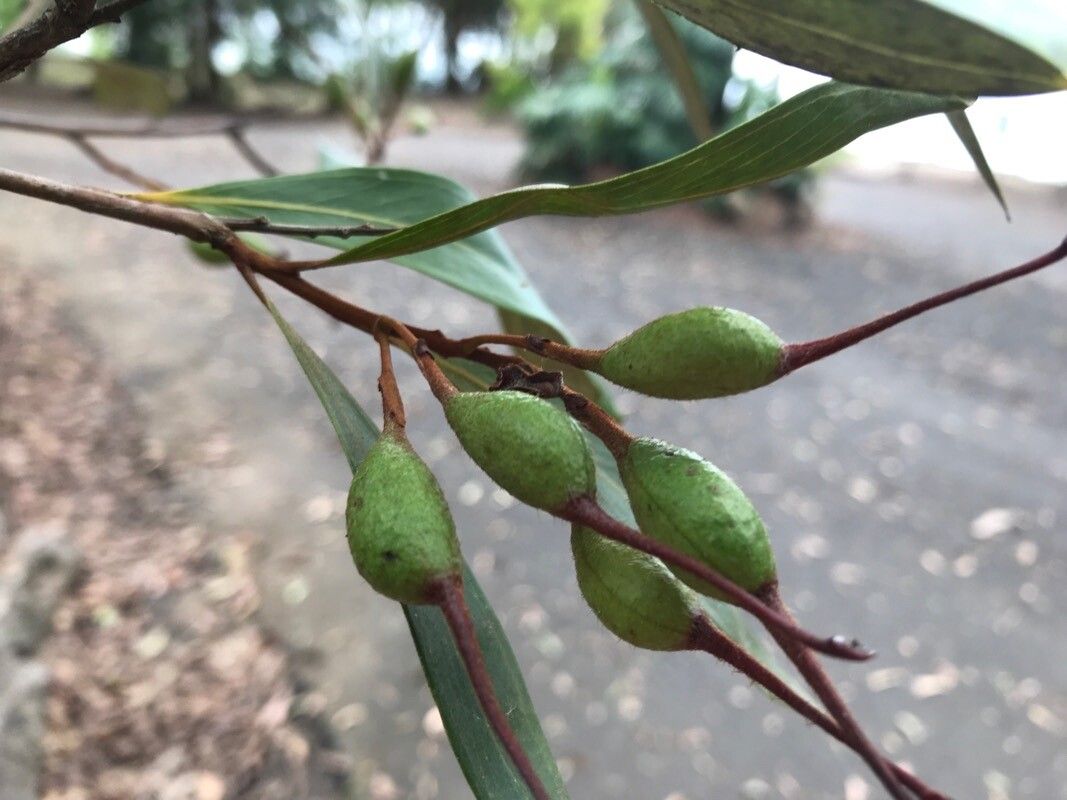
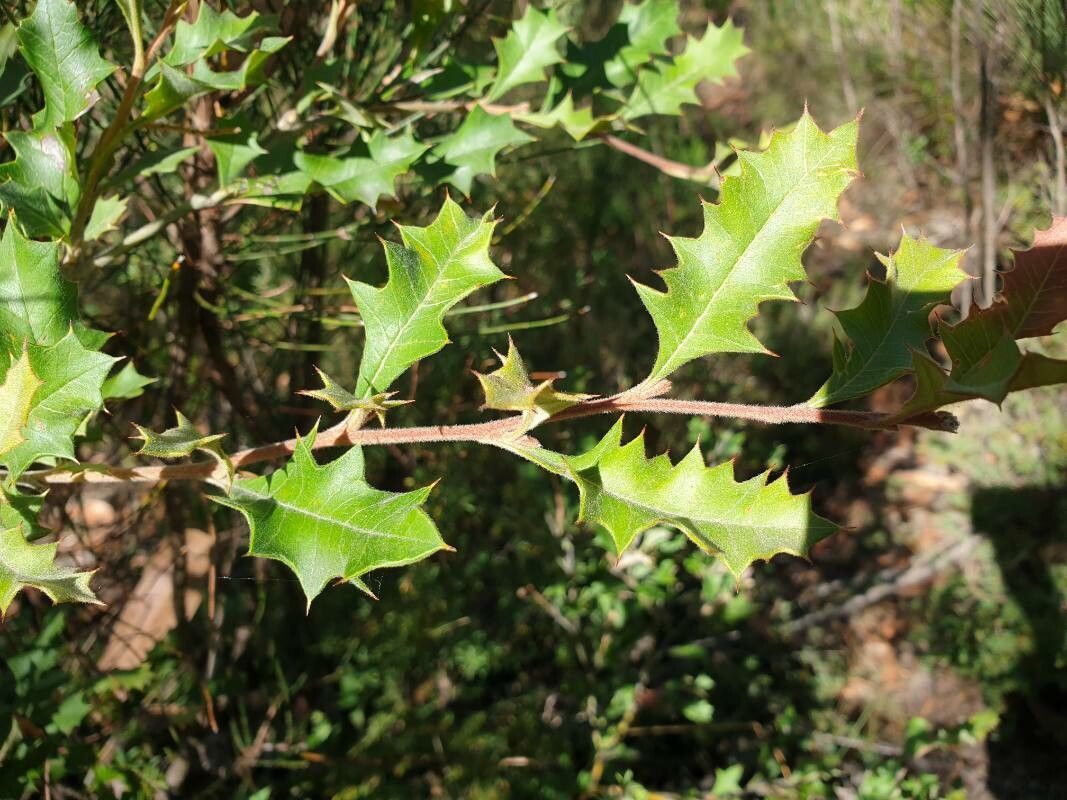
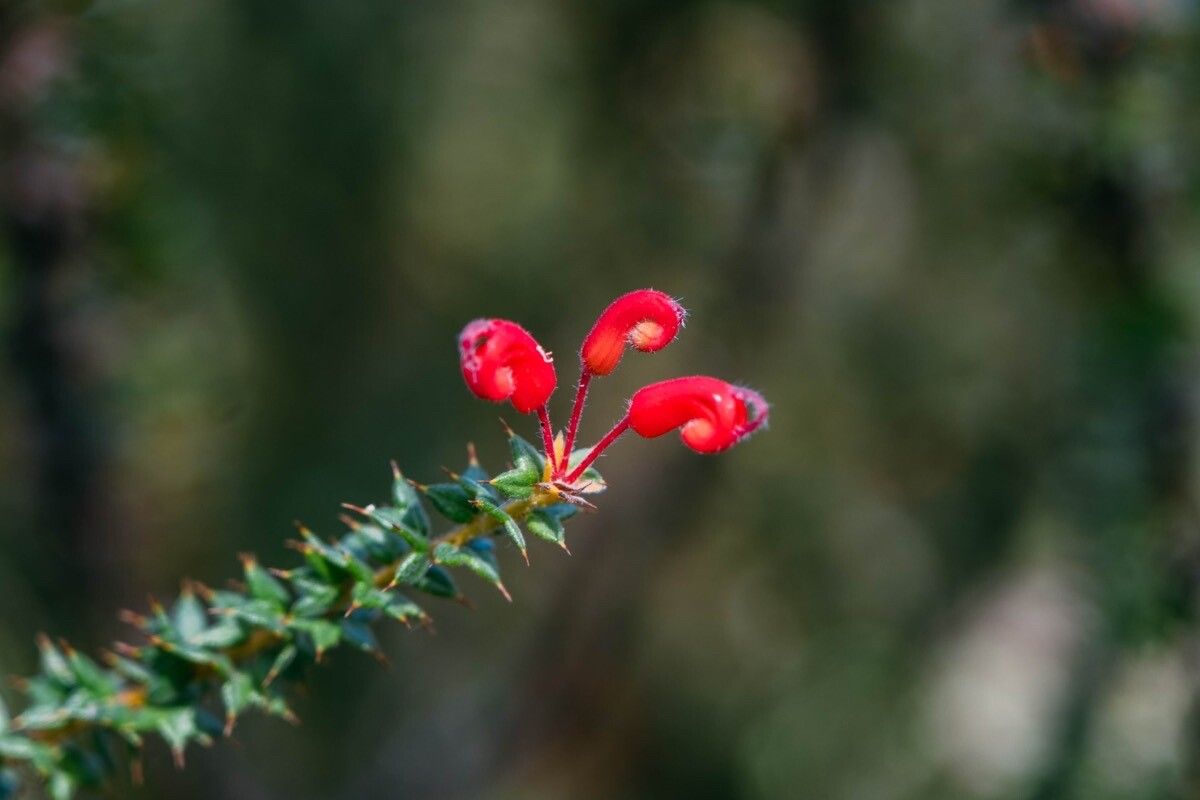
Grevillea venusta, commonly known as Byfield spider flower, is a species of flowering plant in the family Proteaceae and is endemic to a small region of central eastern Queensland. It is an erect shrub with simple and/or divided leaves, the leaves or lobes narrowly oblong to narrowly elliptic, and clusters of green and yellow flowers with a deep maroon to purplish black style covered with white hairs.
Silky oak has strong resistance to disease and is typically unlikely to suffer from illnesses. In terms of care, the plant is fairly low-maintenance. When grown outdoors it needs only minimal watering, and larger specimens generally do not require pruning. Smaller plants, however, should be pruned after they have finished blooming. Silky oak is suitable for anyone with an outdoor space, such as a garden or deck, and does not demand a lot of care experience.
How to keep Grevillea Venusta.
Light
Silky oak grows best with plenty of light throughout the day, though it can moderately tolerate locations with filtered light. Originating from environments rich in light, it is ideally suited to strong sunlight. Being too sheltered from the sun can cause weak growth, while excessive sunlight can result in leaf damage.
Water
Grevillea venusta benefits from additional watering during dry periods, especially when it is first planted. For the first 2-3 weeks, water the plant twice a week. After that, continue watering once a week for about a month. As the weather becomes colder and wetter, adjust the watering schedule accordingly.
Temperature
In its native environment, silky oak prefers temperatures between 20 and 38 ℃ (68 to 100.4 ℉). In winter, measures may be required to protect the plant from temperatures below 10 ℃ (50 ℉).
Fertilizer
Fertilizing is essential for caring for the Silky oak. Regular feedings during the growing season preserve the energy required for its showy foliage and promote overall growth. Skipping fertilization can lead to unhealthy leaves, reduced ornamental value, and stunted or weak growth that is more susceptible to breaking.
Pruning
To maintain the shape of Grevillea venusta and promote healthy growth, prune it in early spring. Start by removing any dead or crossing branches. Be sure to use sharp, sterilized tools to prevent the spread of disease. Proper pruning improves airflow and light penetration, which encourages vigorous growth and results in more abundant flowering.
Pot & Repot
When repotting Silky oak, pick a pot 1–2 inches (2.5–5.1 cm) larger that has ample drainage. Use a well-draining potting mix. Repot in spring or fall, making sure the root ball sits slightly lower than the rim of the flower pot. Water thoroughly after repotting and place it in a warm spot with indirect sunlight.
Botanical profile.
- Plant Type
- Tree
- Life Cycle
- Perennial
- Genus
- Grevillea
- Family
- Proteaceae
- Hardiness Zone
- 10-12
- Mature Height
- 4.88 m to 39.93 m
- Mature Spread
- 7.62 m to 9.14 m
- Leaf Color
- Green
- Leaf Type
- Evergreen
- Flower Color
- Yellow, Orange, Gold
- Flower Size
- 7.62 cm to 15.24 cm
- Bloom Time
- Spring, Fall, Winter
- Planting Time
- Spring, Autumn
- Harvest Time
- Early summer, Mid summer
Other names.
Reader questions.
What are the sunlight requirements for Grevillea venusta?
Grevillea venusta, also known as Grevillea venusta in botanical terms, thrives under specific sunlight conditions. It requires 'Full sun' which means it needs above 6 hours of sunlight daily. In some cases, it can also grow under 'Partial sun', necessitating about 3-6 hours of sunlight. It's important to observe the movement of sunlight through your garden to find the ideal spots that offer the right balance of light and shade, ensuring the plant's well-being.