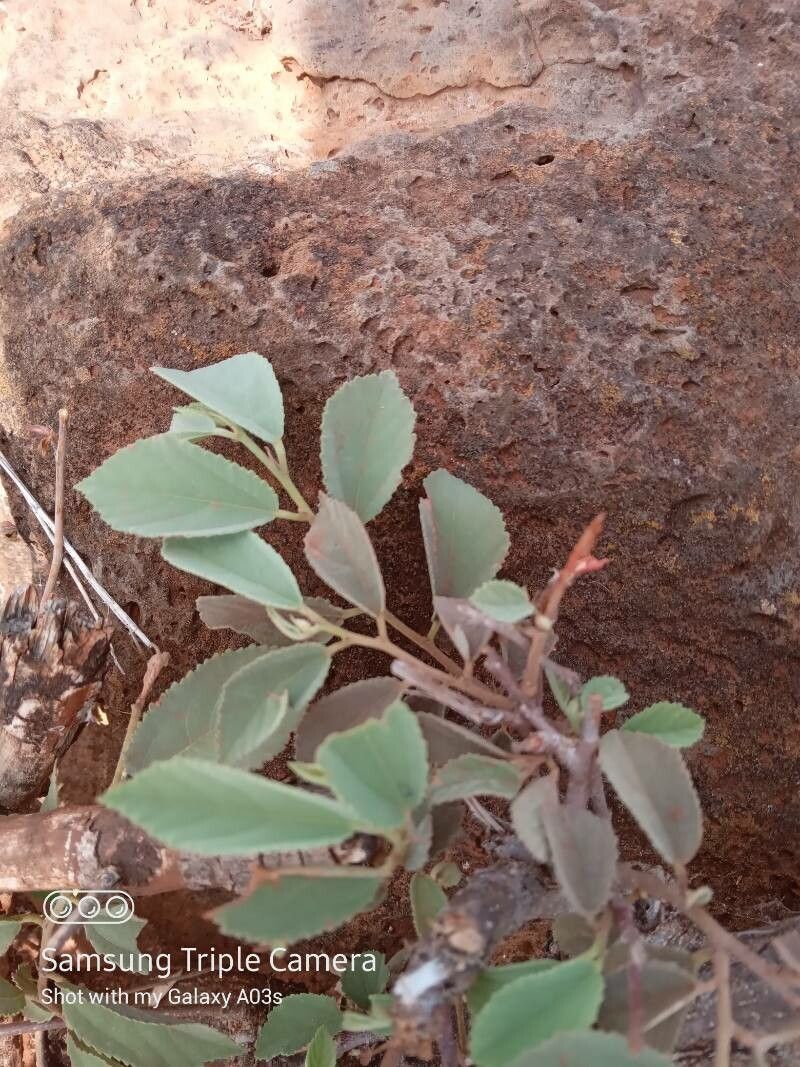
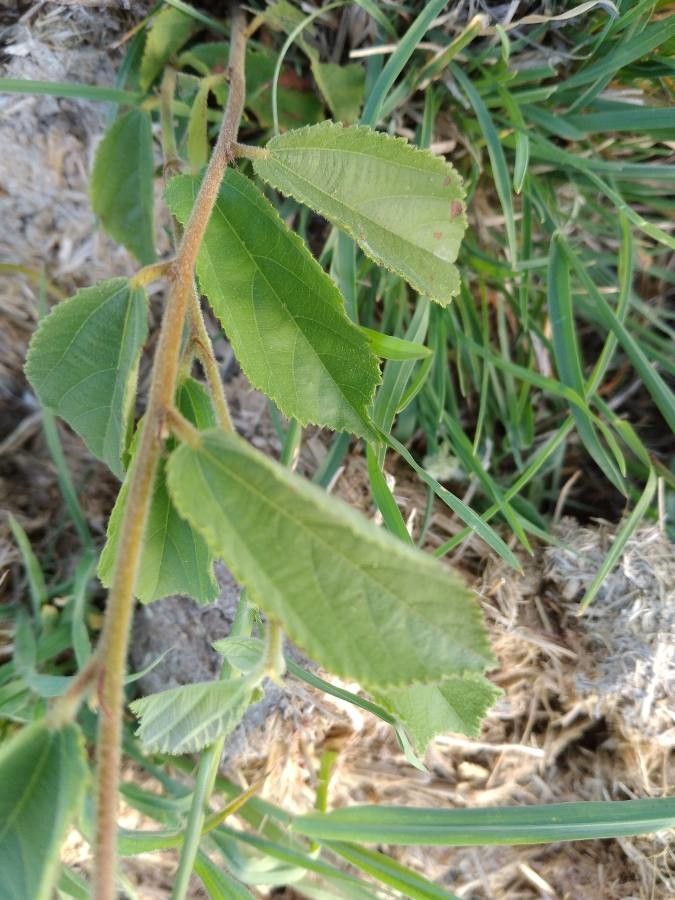
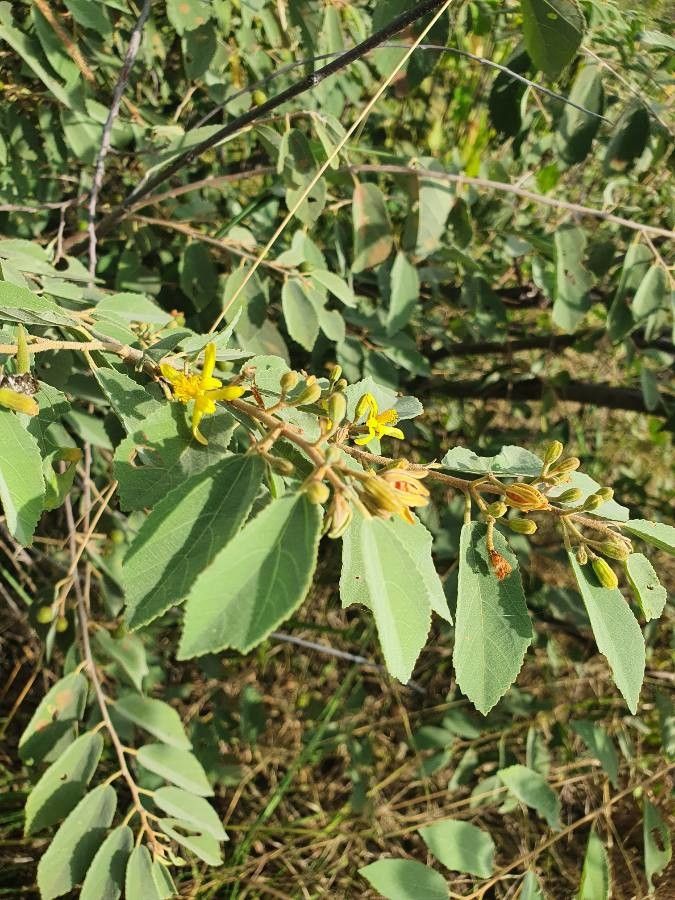
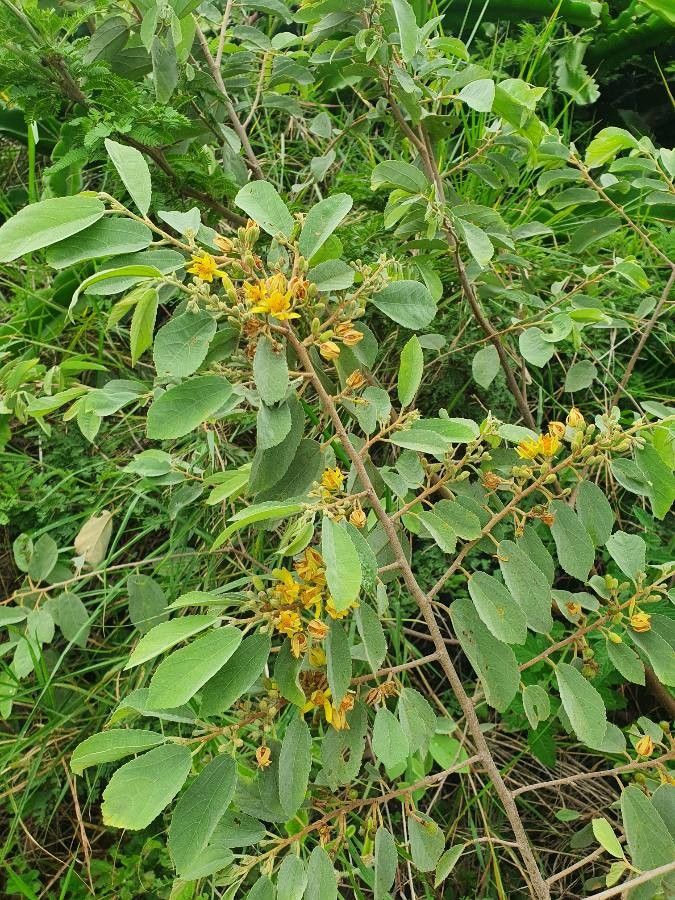
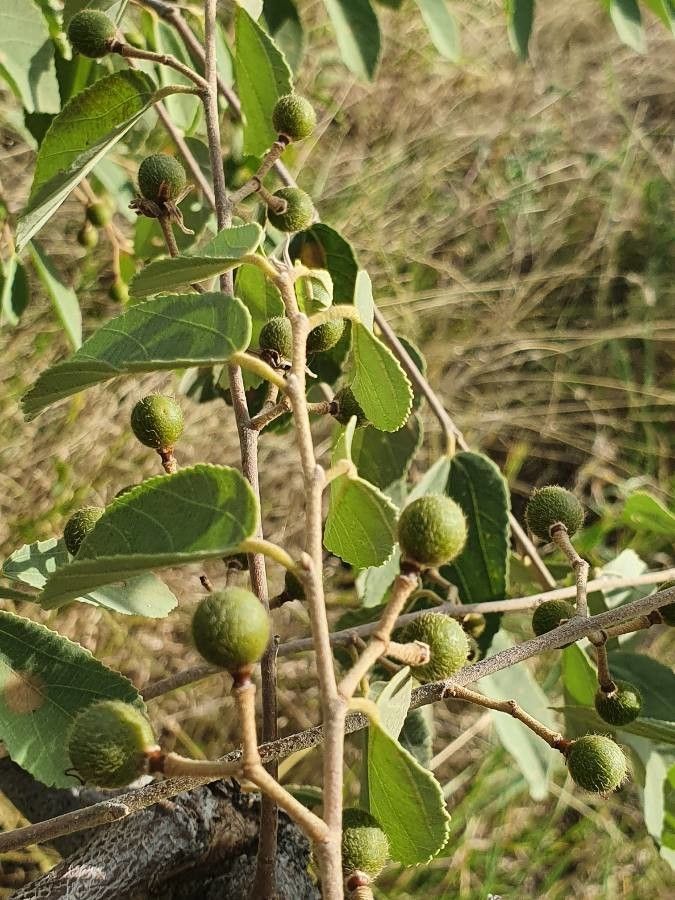
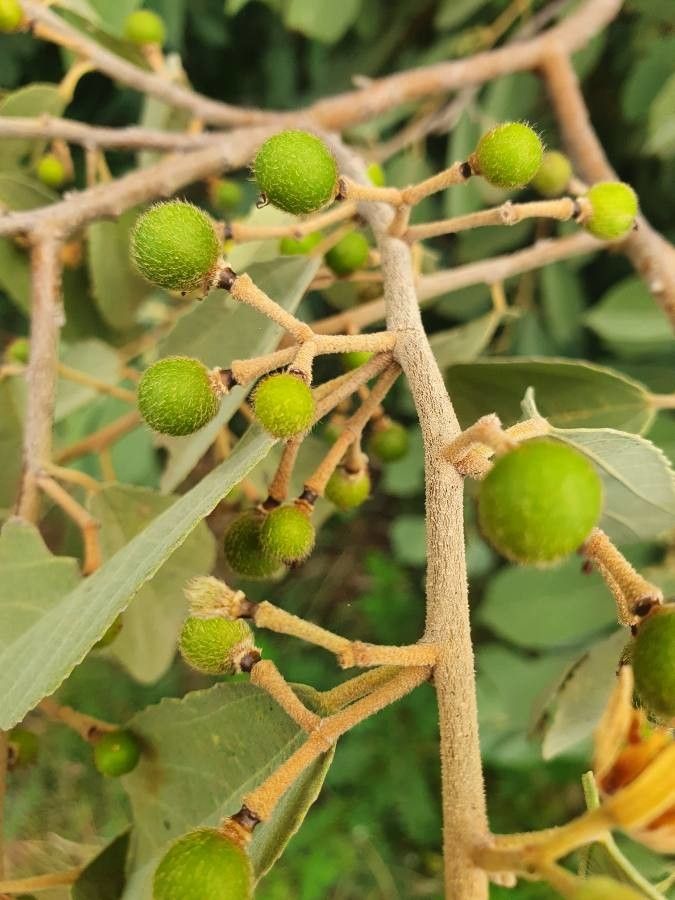
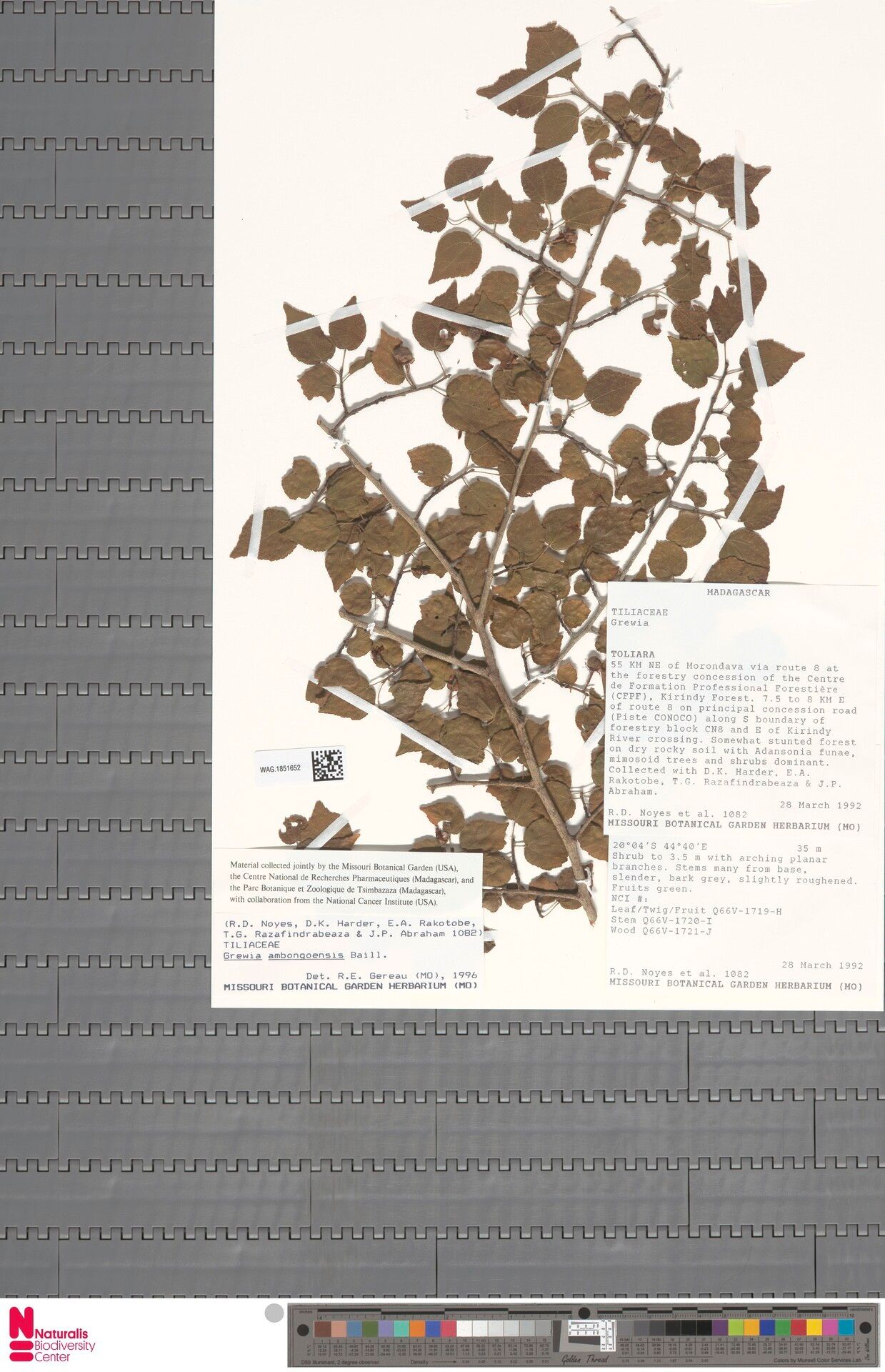
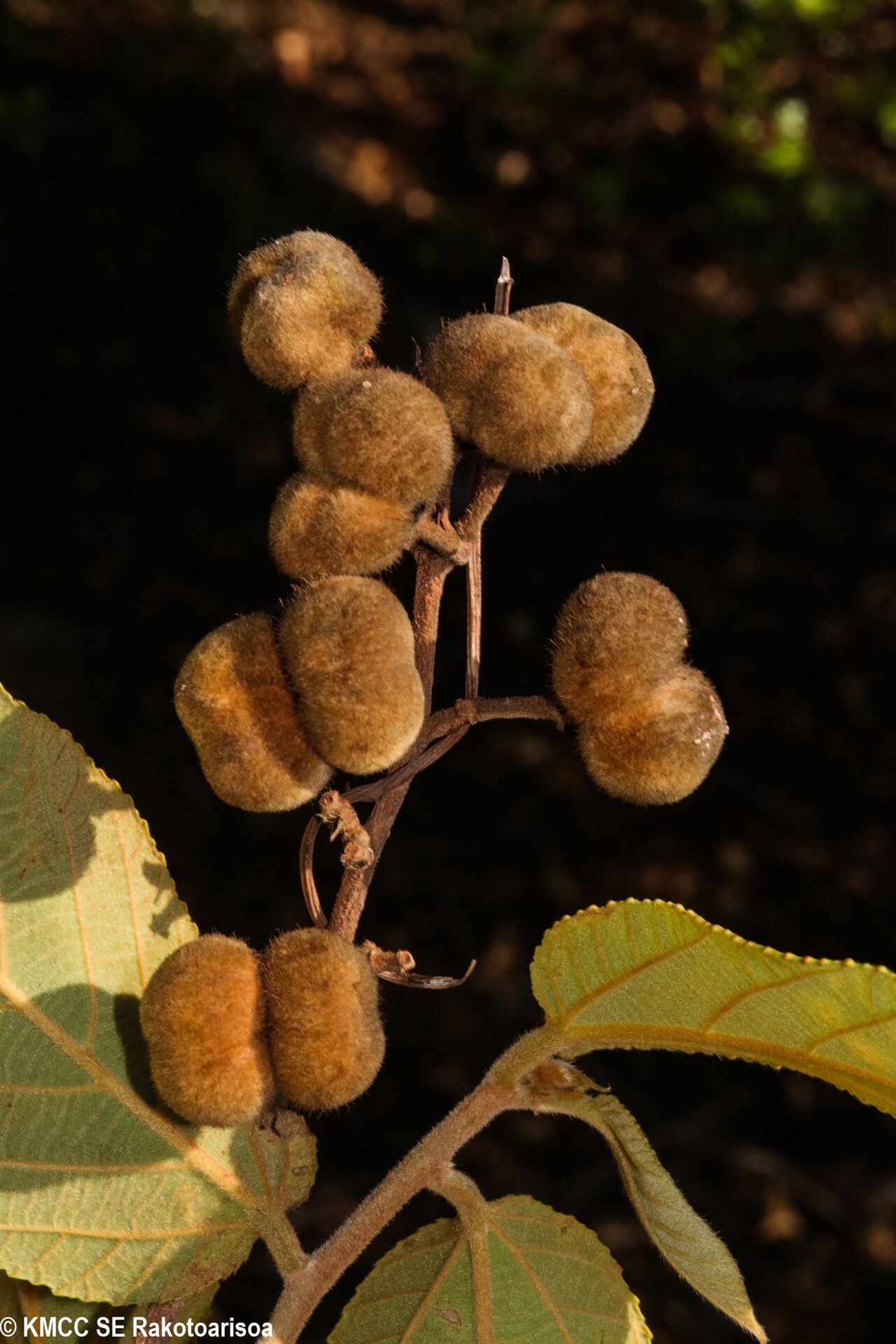
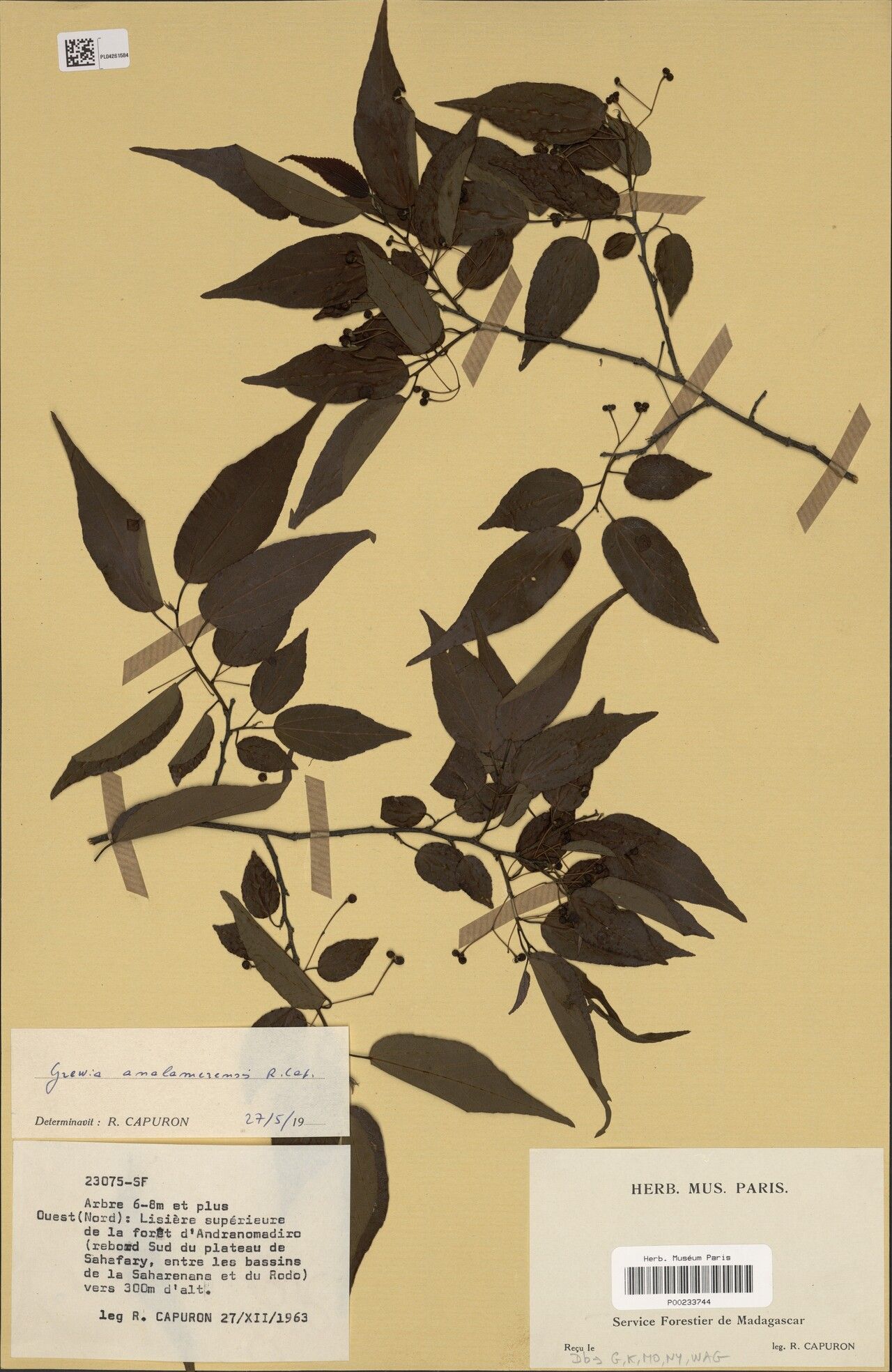
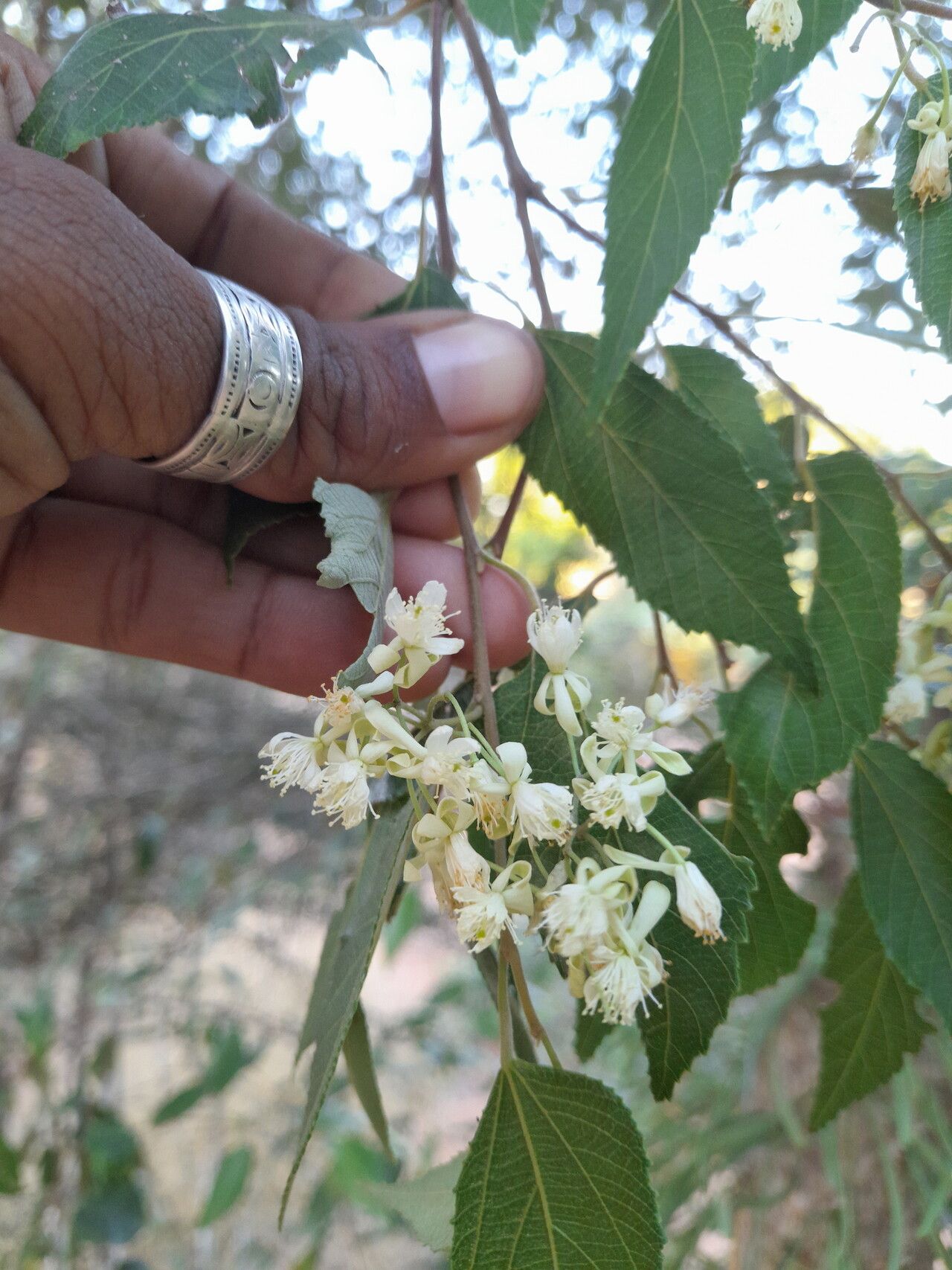
Grewia bicolor, commonly known as the Phalsa tree, is a small to medium-sized member of the Malvaceae family. Native to India, Pakistan, and Bangladesh, this tree can reach up to 10 meters in height and features a spreading crown with drooping branches.
The leaves of Grewia bicolor are simple and alternate, taking on an ovate or elliptic shape with serrated edges. Its flowers are small and inconspicuous, featuring five petals that are either white or pinkish. The fruit produced by the Phalsa tree is a berry-like drupe with a sweet-sour taste.
This tree offers several medicinal properties. Its bark, leaves, and fruits have traditionally been used to treat various ailments such as diarrhea, dysentery, and fever. Additionally, Grewia bicolor is rich in antioxidants, which contribute to overall health benefits.
The Phalsa tree prefers well-drained soils but can also grow in poor soils. It thrives in full sun but is capable of growing under partial shade. The plant can be propagated through seeds or stem cuttings.
In conclusion, Grewia bicolor is a significant medicinal plant known for its health benefits and ornamental value due to its beautiful flowers and fruit. It plays an important role in traditional medicine systems across India, Pakistan, and Bangladesh.
False brandy bush has strong disease resistance and is usually not vulnerable to illnesses. Regarding care, this plant is fairly low-maintenance. When planted outdoors it needs little watering, and larger specimens typically do not require pruning. However, smaller plants should be trimmed after they finish blooming. The false brandy bush is suitable for anyone with outdoor space, such as a garden or deck, and does not demand a lot of gardening experience.
How to keep Grewia Bicolor.
Light
False brandy bush comes from open habitats, like sunny meadows and forest edges, where light is abundant. It flourishes in Full Sun but can also tolerate Partial Sun, adapting well to a range of sunlight conditions.
Temperature
The false brandy bush is native to temperate regions and prefers temperatures of 59 to 100 °F (15 to 38 °C). As a resilient plant, seasonal temperature adjustments may not be required.
Fertilizer
The best time to fertilize a False brandy bush is in early spring, when it breaks dormancy. This encourages overall growth and supports flower development. Feeding the plant improves foliage, stems, and branches, and promotes flowers that are large, vibrant, and long-lasting. It also helps move nutrients from the roots to the blooms and enhances the plant’s health and resistance to disease.
Botanical profile.
- Plant Type
- Tree
- Life Cycle
- Perennial
- Genus
- Grewia
- Family
- Malvaceae
- Hardiness Zone
- 8-11
- Mature Height
- 3.05 m to 7.01 m
- Mature Spread
- 2.13 m to 3.96 m
- Leaf Color
- Dark Green, Gray
- Leaf Type
- Semi-evergreen
- Flower Color
- Yellow, Orange
- Flower Size
- 1.02 cm to 2.03 cm
- Bloom Time
- Late spring, Summer
- Planting Time
- Spring, Summer, Autumn
- Harvest Time
- Late summer, Fall
- Native Area
- Burkina Faso, Malawi, Somalia, India, Angola, Namibia, South Africa, Zambia, Eritrea, Sudan, Mauritania, Nigeria, Kenya, Niger, Uganda, Tanzania, Zimbabwe, Mali, Benin, Chad, Cameroon, Mozambique, Senegal, Eswatini, Ethiopia, Botswana
Other names.