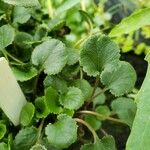
Gunnera prorepens
Care Guide
💧 Water
☀️ Light Partial sun
Creeping rhubarb originates from locations like forest underlayers and rocky regions where it typically receives natural shadow. It predominantly enjoys partial sunlight conditions, however, it can adjust to either full sunlight or complete shade, showing its adaptable and robust character.
🌡️ Temperature 15–35°C
Creeping rhubarb possesses the potential to acclimate to a broad spectrum of temperature scenarios, however, the amalgamation of water and heat conditions may still constrain its distribution. It flourishes optimally in warm environments during the summer, given sufficient rain or irrigation. Extended durations of overcast and damp weather, along with continued high temperatures, can elevate the probabilities of the Creeping rhubarb perishing. Throughout the winter, suitable safeguarding against the cold can enhance the survival odds of the plant.
💨 Humidity
🪴 Soil 6-7
🌱 Fertilizer
The optimal period to feed a Creeping rhubarb is in the beginning of spring, as it transitions from dormancy to vigorous growth. The process of fertilization offers vital nutrients necessary for its healthy development. Despite the fact that Creeping rhubarb's fertilization requirement is relatively minimal, yearly fertilization can boost its longevity and encourage the production of superior, more enduring flowers.
🪴 Pot & Repot
✂️ Pruning
Creeping rhubarb has large leaves and benefits from being pruned annually. In early spring, trim away any dead foliage to encourage new growth. Then, in late spring, lightly shape the plant. Be sure to remove any spent flowers to promote strong growth, but be careful not to over-prune, as this can cause stress to the plant.
🌿 Propagating
🐛 Diseases & pets
☠️ Toxicity
Characteristics
- Plant Type
- Herb
- Life Cycle
- Perennial
- Genus
- Gunnera
- Family
- Gunneraceae
- Hardiness Zone
- 7-10
- Mature Height
- 10 cm
- Mature Spread
- 20 cm
- Leaf Color
- Green, Dark Green
- Leaf Type
- Evergreen
- Flower Size
- 0.20 cm to 0.25 cm
- Bloom Time
- Mid spring, Late spring
- Planting Time
- Spring, Summer, Autumn
- Harvest Time
- Early summer, Mid summer
- Native Area
- New Zealand