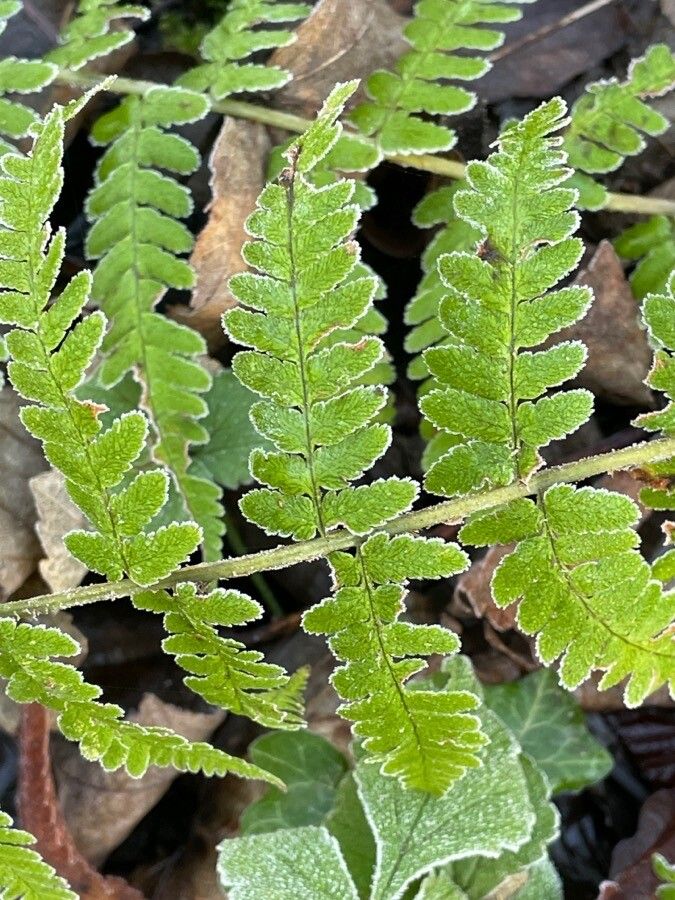
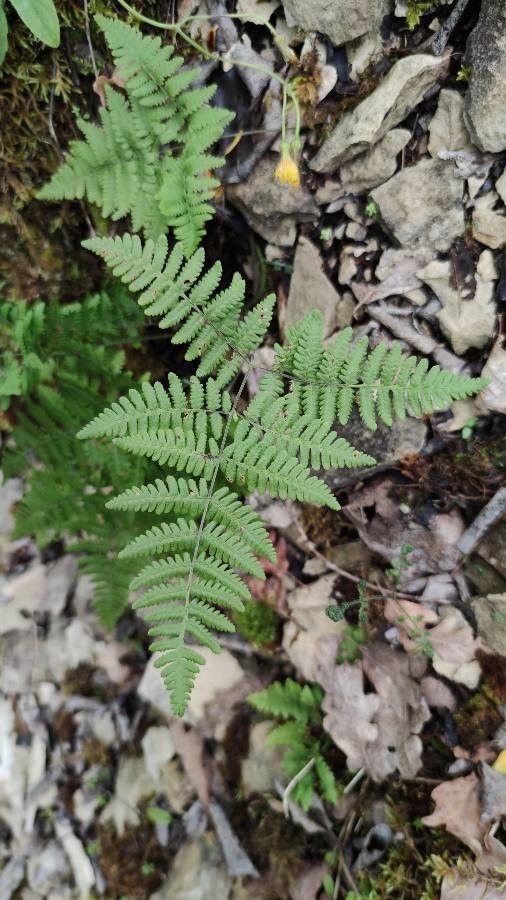
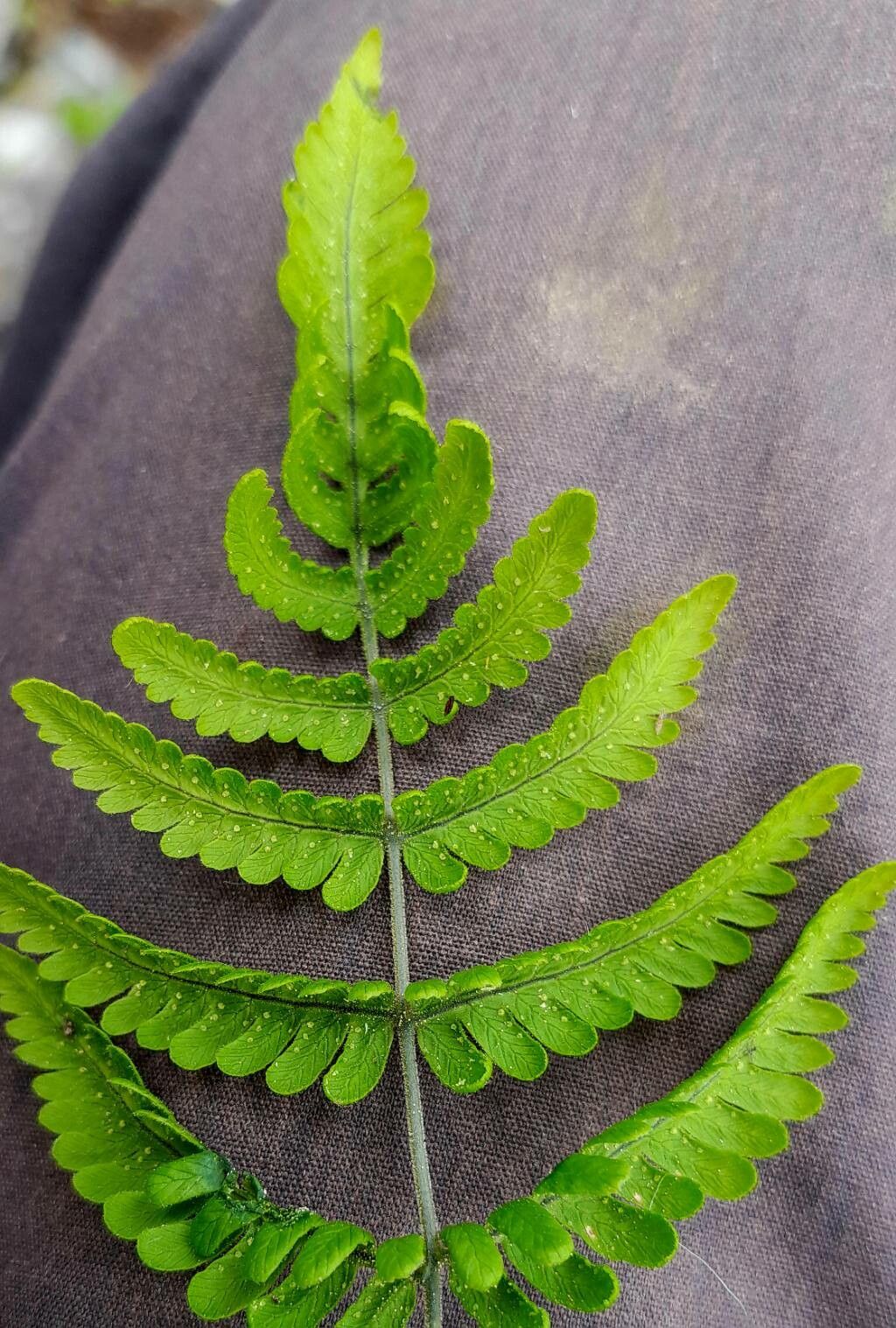
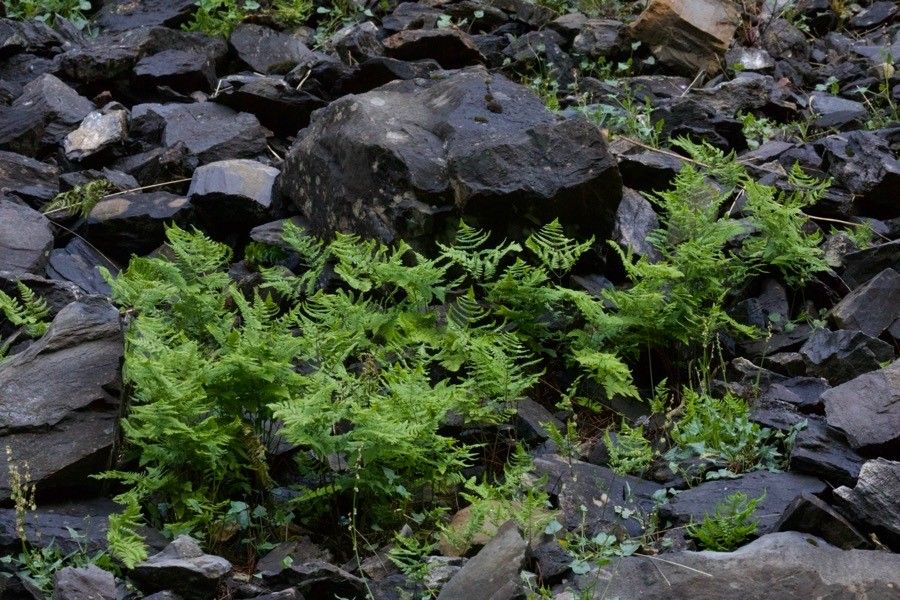
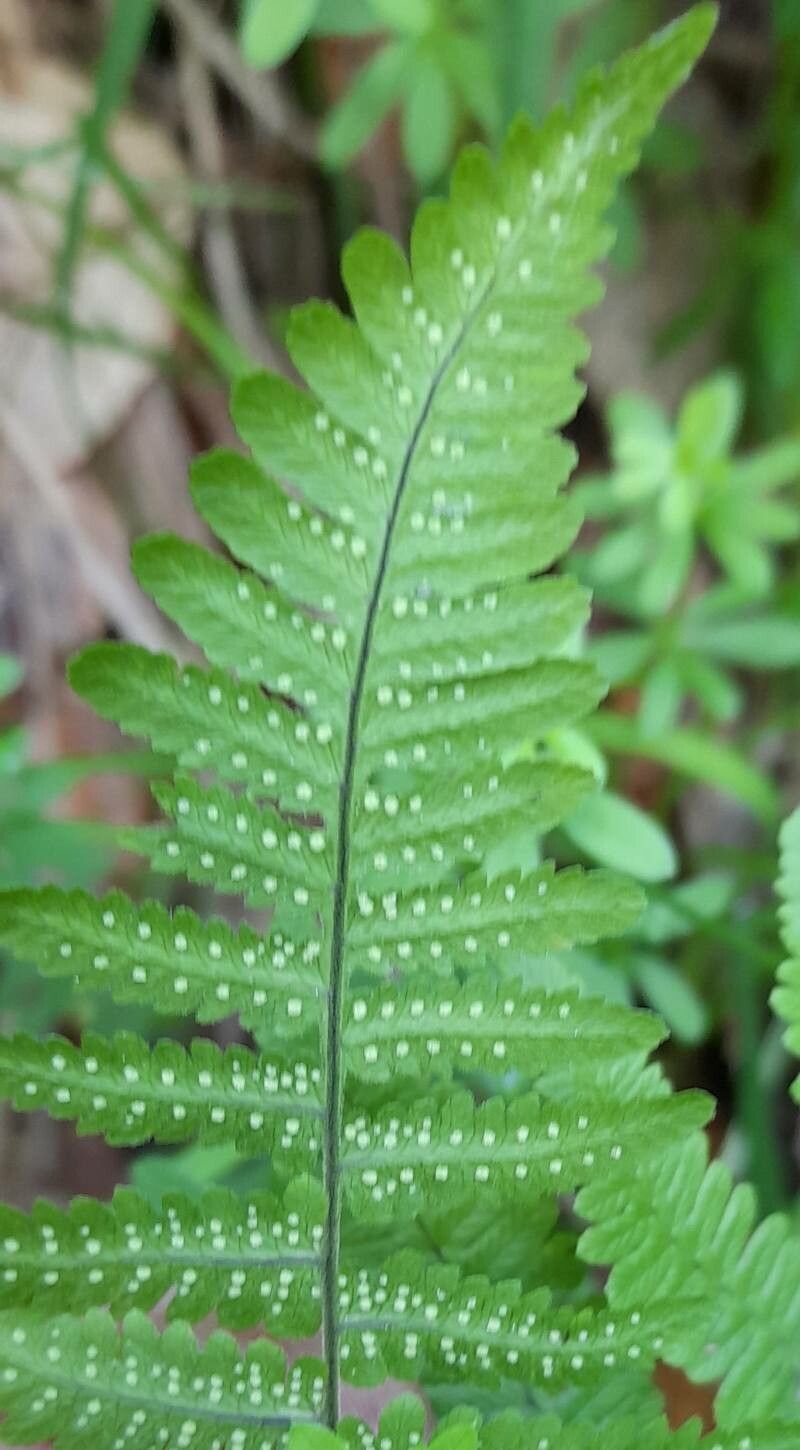
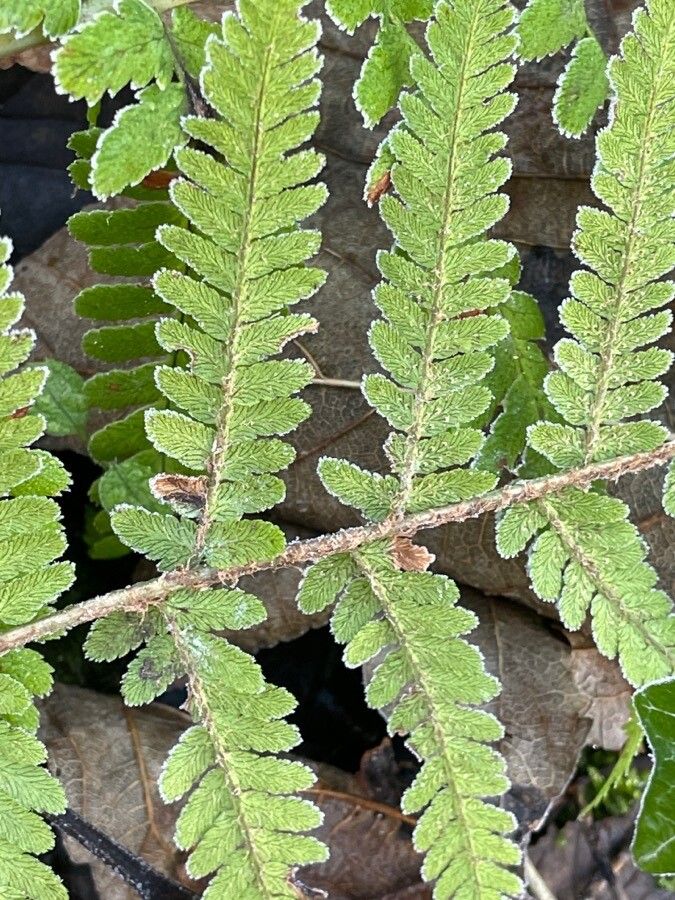
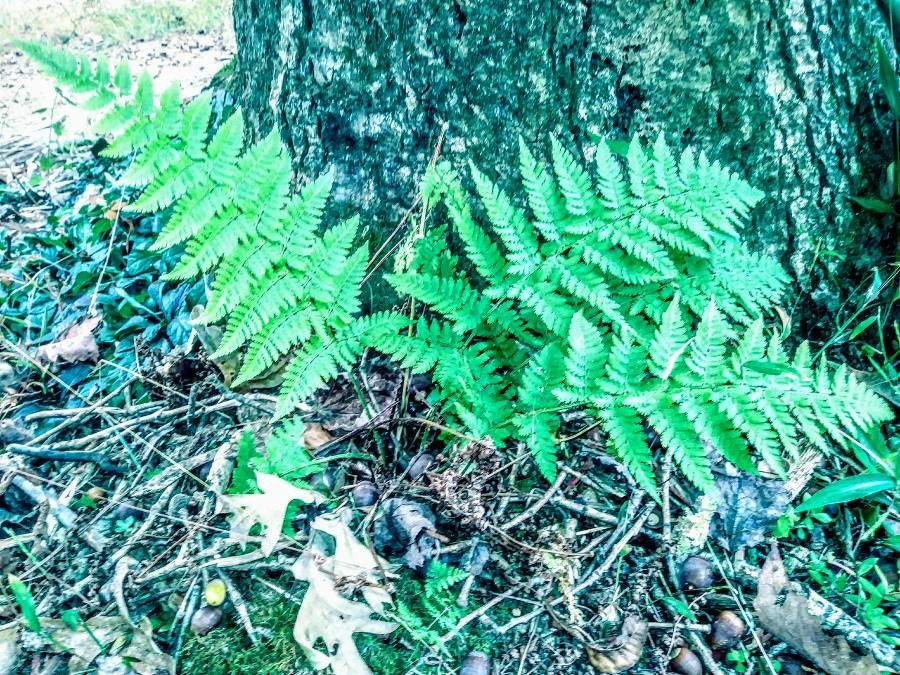
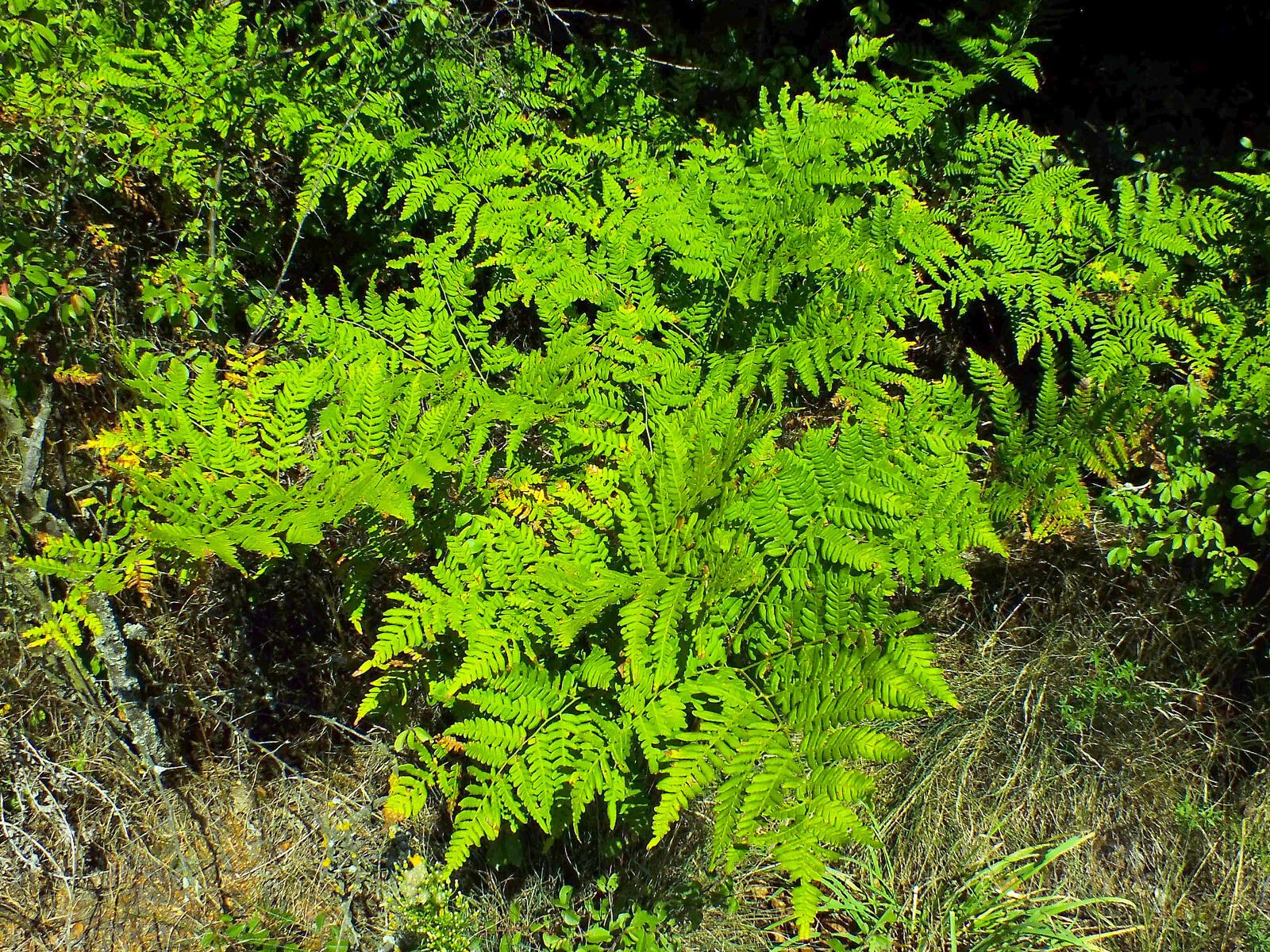
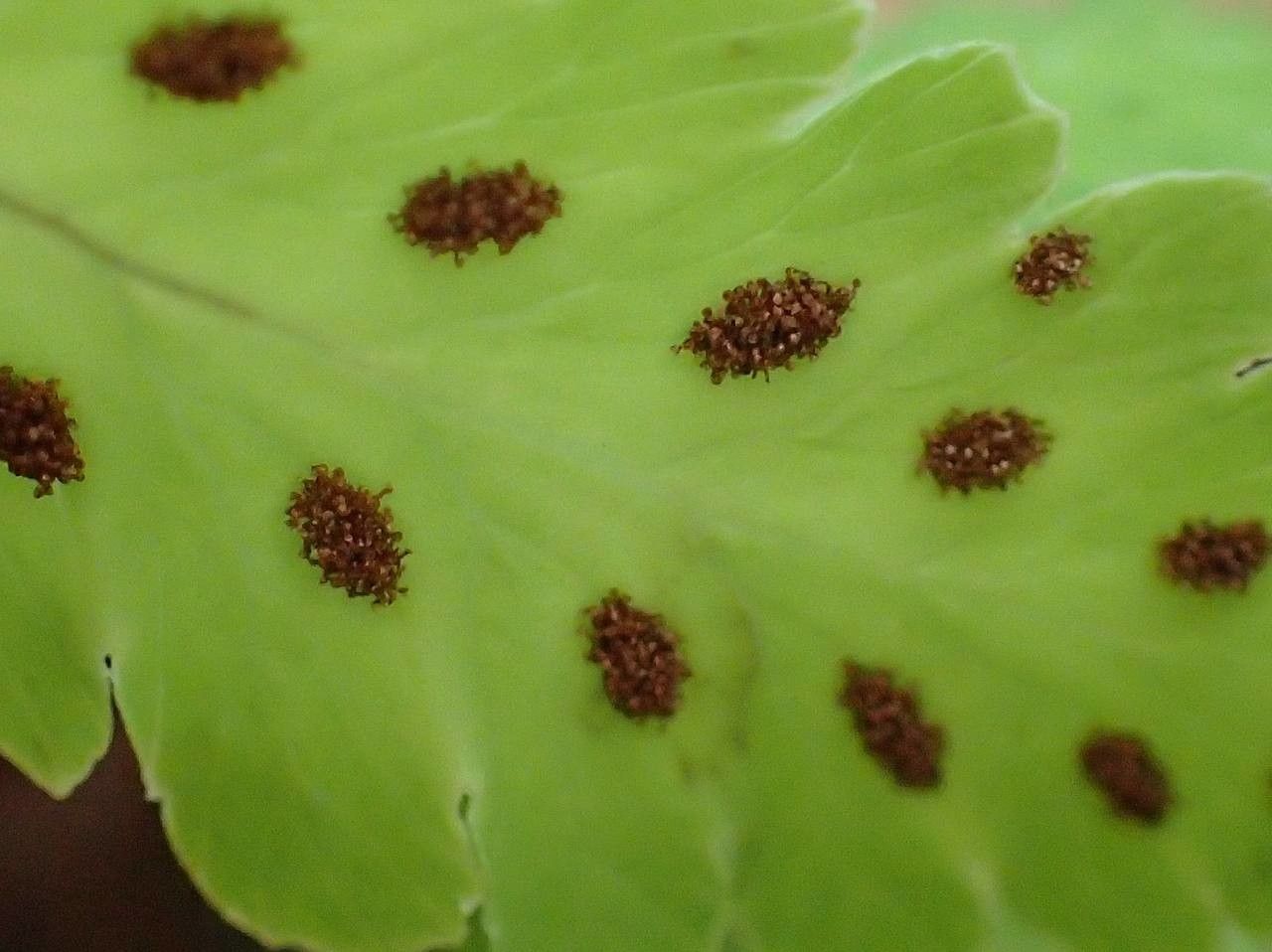
Gymnocarpium robertianum, the limestone fern or scented oakfern, is a fern of the family Cystopteridaceae.
Scented oakfern is fairly resistant to disease and typically does not suffer from illnesses. Still, it can be vulnerable to pests and diseases present nearby. When infections do occur, they tend to be mild. Regarding maintenance, this plant needs a moderate level of care. It should be pruned on a regular basis to preserve an attractive appearance and support healthy growth. Applying fertilizer can also encourage blooming. Scented oakfern is appropriate for anyone who has outdoor space, like a garden or patio, and it does not demand extensive gardening experience. It may, however, need extra attention if kept indoors.
How to keep Gymnocarpium Robertianum.
Light
Scented oakfern is native to habitats such as forest understories and rocky areas that provide natural shade. It prefers Full Shade but can tolerate Partial Sun.
Water
Scented oakfern, which originates from damp woodlands, thrives in consistently moist soil and needs to be watered weekly. Although it can withstand short periods of dryness, it prefers a stable indoor humidity level to support its fronds. As a deciduous fern, it requires adequate water during the growing season to promote new growth.
Temperature
Scented oakfern can tolerate a wide range of temperatures, but its distribution may still be restricted by different combinations of moisture and heat. It grows best in warm summer conditions with sufficient rainfall or irrigation. Extended periods of cloudy, rainy weather or prolonged high temperatures can increase the chance of Scented oakfern dying. In winter, adequate protection from cold can improve the plant's chances of survival.
Fertilizer
One application of fertilizer in spring is generally enough for Scented oakfern, though multiple feedings can maximize growth. Apply fertilizer roughly every month to six weeks. Fertilizing improves the leaves' appearance and function, helping maintain even color and a healthy texture. It also encourages root development and better nutrient absorption, supporting long-term plant health.
Pruning
To keep a scented oakfern healthy and vibrant, minimal pruning is necessary. Focus on removing dead or damaged fronds in early spring, which promotes healthy growth. Make clean cuts to improve airflow and reduce the risk of disease. Consistent care helps the fern retain its natural shape, ensuring it remains vibrant throughout the growing season.
Botanical profile.
- Plant Type
- Herb
- Life Cycle
- Perennial
- Genus
- Gymnocarpium
- Family
- Aspleniaceae
- Hardiness Zone
- 3-8
- Mature Height
- 10 cm to 46 cm
- Mature Spread
- 20 cm to 40 cm
- Leaf Color
- Light Green, Pale Green
- Leaf Type
- Deciduous
- Planting Time
- Spring, Summer
- Native Area
- Sweden, Austria, Slovakia, Montenegro, Croatia, Russia, Germany, Estonia, Romania, Latvia, Belgium, Netherlands, France, Czech Republic, Bulgaria, Poland, Greece, Ukraine, Serbia, China, Norway, Italy, Kazakhstan, Spain, Switzerland, Japan, Finland, Albania, Ireland, United Kingdom, Hungary, Algeria
Other names.
Reader questions.
What are the sunlight requirements for Scented oakfern (Gymnocarpium robertianum)?
Scented oakfern (Gymnocarpium robertianum) thrives in various sunlight conditions, including full shade and partial sun. Full shade refers to areas that receive less than 3 hours of sunlight daily, ideal for this plant. For those areas that get about 3-6 hours of sunlight, they are considered to be in partial sun, which is also suitable for the Scented oakfern. It's important to observe how sunlight moves through your garden throughout the day to find spots that offer a good balance of light and shade, ensuring a happy and healthy environment for your plants.