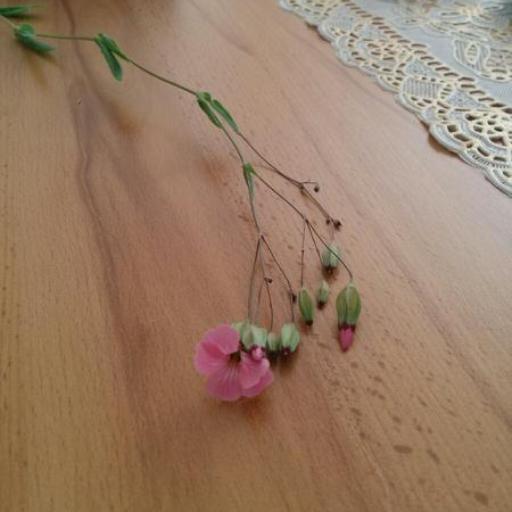
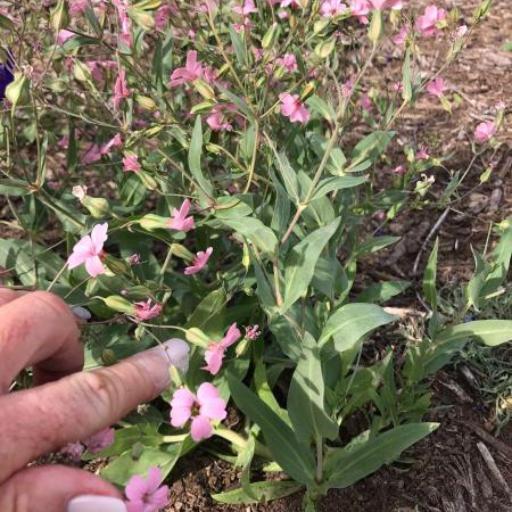
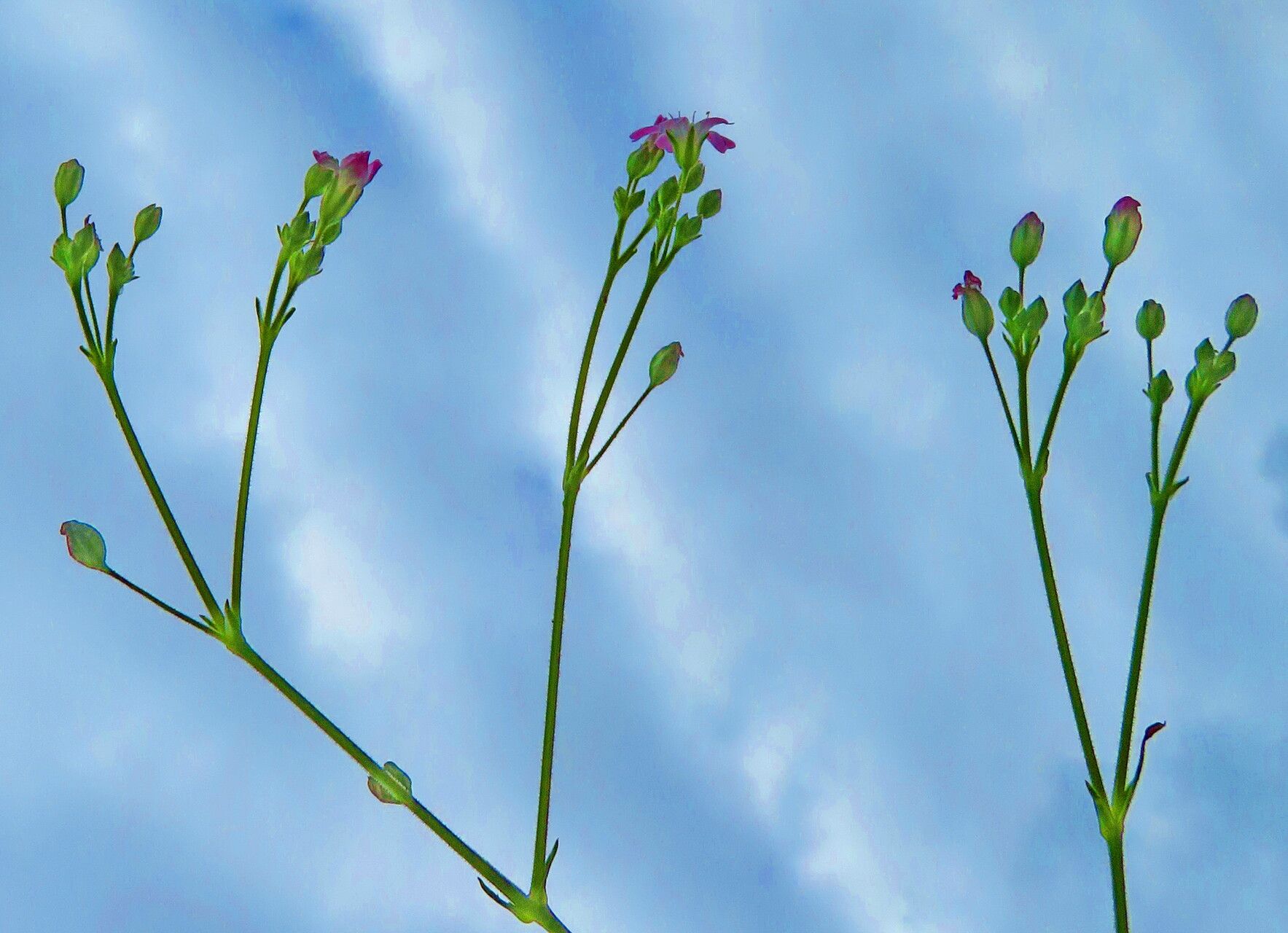
Gypsophila vaccaria is a species of flowering plant in the family Caryophyllaceae. It is native from Portugal and Morocco to the Himalayas, and has been introduced into temperate areas worldwide. Among its many synonyms is Vaccaria hispanica, which was the only species placed in the genus Vaccaria. It is known by several common names including cowherb, cowcockle, cow basil, cow soapwort, and prairie carnation. It is an annual herb with blue-gray, waxy herbage and pale pink flowers.
Gypsophila vaccaria is fairly disease-resistant and typically not susceptible to illnesses. Still, it can be affected by pests and diseases present in its environment, though these problems are generally mild. Regarding upkeep, this plant needs a moderate level of care. Regular pruning is necessary to keep it looking good and to support healthy growth. Applying fertilizer can also encourage more blooms. Gypsophila vaccaria is appropriate for anyone with an outdoor area, such as a garden or patio, and does not demand extensive gardening experience. It may, however, need more attention when cultivated indoors.
How to keep Gypsophila Vaccaria.
Light
Gypsophila vaccaria comes from bright, open habitats where it performs best in full sun. It will tolerate some shade but favors direct sunlight for optimal growth. This plant, which may be annual or biennial, is known for its sun-loving character.
Temperature
Gypsophila vaccaria can tolerate a broad range of temperatures, but its distribution may still be constrained by different combinations of moisture and heat. It performs best in warm summer climates with adequate rainfall or watering. Extended periods of cloudy, rainy weather or prolonged high temperatures can raise the chance of Gypsophila vaccaria dying. In winter, proper protection from cold can increase the plant's survival rate.
Fertilizer
After most of Gypsophila vaccaria’s flowers have opened to full size, resume fertilizing. When the blooms are at their peak, apply fertilizer every three to four weeks, weather permitting. Then, once Gypsophila vaccaria begins producing fewer new flowers, discontinue fertilizing; there is no need to feed the plant when it can no longer set more blooms.
Pruning
Gypsophila vaccaria produces delicate blossoms that flourish when pruned carefully from early to late spring. To promote healthy growth, remove any dead stems and thin out crowded areas to improve air circulation. After the flowers have bloomed, trim away the spent flowers to encourage prolonged blooming. Be sure to sanitize your tools to prevent infections, which will help maintain vigorous growth and enhance the plant's aesthetic appeal.
Botanical profile.
- Plant Type
- Herb
- Life Cycle
- Annual
- Genus
- Gypsophila
- Family
- Caryophyllaceae
- Hardiness Zone
- 4-9
- Mature Height
- 30 cm to 76 cm
- Mature Spread
- 20 cm to 40 cm
- Leaf Color
- Light Green
- Leaf Type
- Semi-evergreen
- Flower Color
- Pink
- Flower Size
- 1.02 cm to 1.52 cm
- Bloom Time
- Late spring, Early summer, Mid summer
- Planting Time
- Spring, Summer
- Harvest Time
- Mid summer, Late summer, Early fall
- Native Area
- Libya, Egypt, Turkey, India, Austria, United Arab Emirates, Slovakia, Montenegro, Pakistan, Slovenia, Morocco, Croatia, Yemen, Belarus, Uzbekistan, Russia, Iraq, Germany, Romania, Qatar, Belgium, Portugal, France, Saudi Arabia, Tajikistan, Tunisia, Czech Republic, Cyprus, Bulgaria, Armenia, Greece, Ukraine, Serbia, Lebanon, Afghanistan, Syria, Kyrgyzstan, Kazakhstan, Italy, Spain, Switzerland, Mongolia, Iran, Albania, Azerbaijan, Algeria, Hungary, Turkmenistan
Other names.