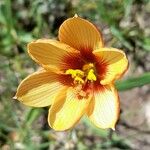
Habranthus tubispathus
Rio Grande Copper-Lily · Rio Grande copperlily · Copper-lily
Description
Source: wikipedia (CC BY-SA)Zephyranthes tubispatha, synonym Habranthus tubispathus, the Rio Grande copperlily or Barbados snowdrop, is a species of flowering plant in the family Amaryllidaceae. It is a perennial bulb native to southern South America. It is widely cultivated as an ornamental and reportedly naturalized in the southeastern United States, much of the West Indies as well as Bermuda, eastern Mexico, India, Easter Island, and central Chile.
🎭 Protection and undoing love spells. It symbolizes danger, caution and deadly beauty. Yellow: “I’m walking on air”; gaiety. White: sweetness, purity. Tiger: wealth, pride. Orange: wealth. Calla: Beauty day
Care Guide
💧 Water
The Rio Grande copper lily, native to semi-arid regions, is drought-tolerant and only needs to be watered once a week. It develops deep root systems to access moisture, thriving in well-drained soil. To keep it healthy, it's crucial to avoid waterlogged conditions.
How should I water my Rio Grande copper lily?
To properly water the Rio Grande copper lily, it is best to use filtered water at room temperature. Tap water may contain harmful particles, so it is better to use filtered water. The water should be at room temperature or slightly warmer because the plant is used to warm environments and cold water can shock it. Overhead watering should be avoided as it can cause issues with the foliage. Instead, water the soil directly until it is completely soaked. This helps moisten the roots and allows them to spread through the soil and gather nutrients.
What can I do if I give my Rio grande copper lily too much or too little water?
Both overwatering and underwatering can harm the health of your Rio grande copper lily, but overwatering is more common. Too much water can cause wilting and yellowing of the stems and leaves, as well as diseases like root rot, mold, and mildew that can kill the plant. Underwatering is less likely, as this plant can tolerate drought, but it can still happen, resulting in brittle, brown leaves. It's important to recognize the signs of overwatering early to prevent irreparable damage. If you notice these signs, reduce your watering schedule and check the soil's drainage. If the soil doesn't drain well, replace it with a loose, well-draining mix. On the other hand, if your plant looks like it's not getting enough water, increase your watering frequency until the signs improve.
How often do I need to water my Rio grande copper lily plant?
Depending on whether your Rio grande copper lily is in a pot or planted in the ground, there are different ways to determine if it needs water. For potted plants, simply stick your finger into the soil and if the top two to three inches are dry, it's time to water. If your plant is in the ground, you can use the same method. Typically, during spring and early fall, watering once a week is sufficient. However, during hot weather, you may need to increase the frequency to twice or more per week. It's worth noting that mature Rio grande copper lilies have a remarkable ability to tolerate drought.
How much water does my Rio grande copper lily plant need?
To properly water your Rio Grande Copper Lily, make sure to give it a generous amount of water. When the top two to three inches of soil are dry, it's time to water. It's important to fully saturate the soil by providing enough water so that it drains out from the bottom of the pot. If you don't see excess water draining, you may not have watered enough, which can harm the plant. However, be careful not to let water accumulate in the soil as it can be dangerous for the plant. If water doesn't drain properly, it could be due to poorly draining soils, which is not good for the plant's health. If the plant is situated outside, around 1 inch of rain per week should be enough.
How do I water my Rio Grande copper lily during different stages of growth?
The water needs of the Rio grande copper lily can vary depending on its growth stages. In the first few years of its life, or when it has been recently transplanted, you should provide more water than usual. During these stages, the plant focuses on growing new roots, which require additional moisture for optimal performance. As the plant matures, it will require less water. Another stage that may demand increased watering is the bloom period, as the flower development utilizes a significant amount of moisture.
☀️ Light Full sun
The rio grande copper lily flourishes in locations that get abundant sun during the day. A lack or surplus of light can harm its health, possibly restricting its growth or producing stress. Native to habitats with plentiful sunlight, this plant usually requires steady light exposure, which affects its growth stages.
How much sunlight does Rio Grande copper lily need to grow?
To ensure optimal growth, Rio Grande Copper Lily requires a minimum of six to eight hours of direct sunlight daily. When cultivating this plant outdoors, select a location that receives full sunlight all day long. If you are growing Rio Grande Copper Lily indoors, place it near a south-facing window or any other area with abundant sunlight. However, be cautious when exposing the plant to direct sunlight during high temperatures exceeding 35°C (95℉) or hot summer afternoons. Intense sunlight can scorch or wilt the leaves. To prevent this, consider using sheer curtains or blinds to filter the sunlight, or relocate the plant to a shadier spot.
What happens if the Rio grande copper lily doesn't get enough sunlight?
Insufficient sunlight can hinder the growth of your Rio Grande copper lily, causing it to become weak and leggy. Additionally, the leaves may turn yellow, signaling a lack of sunlight to produce chlorophyll. In severe instances, the plant may not survive.
What happens if Rio Grande copper lily gets too much sunlight?
The Rio Grande copper lily thrives in full sunlight but must be protected from excessive direct sunlight. If exposed for too long, the plant may suffer from sunburn, as evident through the browning or scorching of leaves. To prevent this, it is important to regularly check the plant's condition and relocate it to a more shaded area if needed.
🌡️ Temperature 20–35°C
Rio grande copper lily is a plant native to moderately warm habitats, generally doing best at temperatures of 68 to 95 °F (20 to 35 ℃). In colder seasons it may need warmer conditions and protection against freezing.
What temperature is best for Rio Grande copper lilies?
To help your tropical plants thrive, it's best to maintain a temperature range of 75℉ to 90℉ (25-32℃). While different species can tolerate temperatures outside this range, sticking within a few degrees of these limits will ensure optimal growth. However, there are extreme temperature limits to be aware of. Anything below 50℉ (10℃) or above 95℉ (35℃) can hinder growth and cause issues with the leaves and stems. Low temperatures are particularly damaging, as even a light frost can lead to the death of your tropical plants. In fact, cellular death can occur rapidly, with some species dying within 12 to 24 hours.
Does the Rio Grande copper lily need different temperatures during different stages of growth?
The Rio grande copper lily has consistent growing phases that do not require temperature changes. However, maintaining a consistent temperature is important for its growth. Wild temperature fluctuations can slow down its growth regardless of the phase it is in, so it is best to keep it in a controlled environment. The optimal temperature range for this plant is between 75℉ and 90℉ (25-32℃), and it is crucial to stay above the lower limit. While going above 90℉(32℃) is not ideal, this tropical plant can handle it. On the other hand, temperatures below 50℉ (10℃), especially 40℉/5℃, will begin to directly damage this heat-loving plant species.
Does the Rio Grande copper lily require varying temperatures throughout the year?
The Rio Grande Copper Lily plant does not require different temperatures for different seasons. The key aspect of caring for this plant during different seasons is maintaining a suitable temperature range. To ensure this, it is advisable to keep the plant indoors. By doing so, you have control over the temperature regardless of the external climate. In addition to temperature, light is crucial for tropical species like the Rio Grande Copper Lily. These plants prefer a partial side level of sun exposure. This means that any light they receive should be dappled or filtered, as bright but indirect light is the ideal option for indoor growth. Excessive direct sunlight can harm the plant's leaves and hinder its growth potential.
What temperatures does the Rio Grande copper lily need to stay healthy?
Here are three tips to help you take care of your plants: 1. Keep your plants away from windows during colder months: Cold air can leak into your home through cracks in the windows, and any plants placed near them will be affected. Move tropical plants to an area with bright but indirect light, while avoiding potential drafts. 2. Watch out for dry patches, which may indicate too much sunlight or heat: If you notice white or scorched leaves, your plant may be getting too much heat or sunlight. This can lead to dehydration and hinder growth. Dry spots can spread and eventually cause your plants to die if left unaddressed. 3. Be cautious of frost: Colder temperatures and frost can damage plants by disrupting their water circulation. This can lead to a lack of moisture in the stems and leaves. Look out for signs of hydrosis (a water-soaked appearance) and if the issue persists, the plant may shrivel and turn dark brown or black, eventually leading to death.
How can I keep the right temperature for my Rio Grande copper lily?
To maintain the right temperature range for Rio grande copper lily, it is important to focus on both climate and humidity. In a controlled environment with climate control, keeping the temperature within the ideal range will mimic its natural habitat. Monitoring humidity levels is also crucial, as it directly affects temperature. You can increase humidity by using a humidifier or misting the leaves. If you plan to grow this species outdoors, it may be challenging to maintain the correct temperature and humidity balance. In such cases, the best solution is to move the plant inside your home, where you can control the climate more precisely. This will ensure optimal conditions for the plant to thrive.
💨 Humidity
🪴 Soil 6-7
🌱 Fertilizer
Proper fertilization is essential for the health and appearance of the Rio grande copper lily. Fertilize the Rio grande copper lily in summer, repeating the treatment monthly throughout the summer. Nutrients fuel growth and help maintain the plant’s parts. Fertilization improves the Rio grande copper lily’s flower display, ensuring the best blooms.
Why should I put fertilizer on my Rio grande copper lily?
Fertilizer and soil nutrients are like fuel for your Rio grande copper lily, helping it grow and thrive. Plants, including the Rio grande copper lily, use the nutrients in the soil to develop new plant material and keep everything healthy. Fertilization is especially important for this plant because it helps the flowers look their best. Since the flowers are what make this plant attractive, most gardeners will want to do everything they can to ensure the blooms are in top form. Fertilization is a reliable way to help your Rio grande copper lily produce the best blooms possible.
When should I fertilize my Rio grande copper lily?
The Rio Grande Copper Lily has two main phases each year. First is the dormant phase, during which minimal new growth occurs, typically in winter. The other phase is the active growth phase, which happens in spring and fall when the plant requires more fertilization. It is recommended to start fertilizing the Rio Grande Copper Lily in the spring and continue feeding it once a month throughout spring and most of summer. As fall approaches, the fertilization rate can be reduced.
When is the best time to not fertilize my Rio grande copper lily?
To promote Rio grande copper lily growth without causing root burn, it is crucial to adjust the fertilization schedule according to the plant's growth cycle. During the spring and summer, when the plant is actively growing, it is necessary to provide extra nutrients. However, in the fall and winter, when the plant enters its dormancy stage, fertilization should be ceased.
What kind of fertilizer does my Rio grande copper lily need?
The best fertilizer for a Rio grande copper lily is one that has a balanced mix of the three main plant nutrients, with slightly more phosphorus. Another option is to improve the soil with organic materials like compost, worm castings, and manure. Fertilizers can come in various forms, but liquid or powdered forms are particularly effective for Rio grande copper lilies. Whether you choose liquid or powdered, make sure to dilute the fertilizer and apply it while watering the plant.
How should I help my Rio grande copper lily grow stronger and healthier?
First, find a suitable fertilizer and learn the ideal fertilization schedule for your Rio Grande Copper Lily. Once you have that information, it's time to learn how to apply the fertilizer. The most reliable method is to mix the liquid fertilizer with water before applying it to the soil. Different fertilizers may have specific directions for feeding plants, so it's best to follow the manufacturer's guidance. These instructions should also include information on properly diluting the fertilizer to avoid overfertilization. Mixing the fertilizer with water is a simple process, and once you're done, just pour the mixture into the soil where your Rio Grande Copper Lily resides.
🪴 Pot & Repot
✂️ Pruning
The Rio Grande copper lily features copper-colored flowers and grows in a clumping pattern. For healthier growth and better airflow, prune the plant in early and late spring by removing dead foliage. Light trimming helps maintain the plant's shape, stimulates blooming, and enhances its visual appeal. Be sure to use clean tools to prevent the spread of disease, and consult horticultural guides for more detailed pruning advice.
🌿 Propagating
🐛 Diseases & pets
☠️ Toxicity
Characteristics
- Plant Type
- Herb
- Life Cycle
- Perennial
- Genus
- Habranthus
- Family
- Amaryllidaceae
- Hardiness Zone
- 10
- Mature Height
- 15 cm to 30 cm
- Mature Spread
- 15 cm to 30 cm
- Leaf Color
- Green
- Leaf Type
- Deciduous
- Flower Color
- White
- Flower Size
- 1.78 cm to 3.05 cm
- Bloom Time
- Summer
- Planting Time
- Spring
- Harvest Time
- Late summer, Early fall, Mid fall