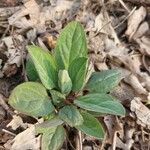
Hackelia virginiana
Beggar'S-Lice · Sticktight · Virginia Stickseed · Stickseed
Description
Source: leafsnapHackelia virginiana, commonly known as Virginia stickseed or beggar's lice, is a herbaceous plant native to eastern North America. This member of the borage family can grow up to 3 feet tall. It features rough, hairy leaves and clusters of small blue or purple flowers at the top of its stems. These flowers bloom from June to August and are followed by small, bur-like fruits that readily cling to clothing or fur. Virginia stickseed thrives in moist soils found in open woods, meadows, and along stream banks. It serves as an important food source for bees and other pollinators. Native Americans have traditionally used this plant for medicinal purposes, particularly in treating respiratory ailments like coughs and colds. Additionally, its seeds have been utilized as a natural remedy for constipation. While Virginia stickseed can be an attractive wildflower in its natural habitat, it has the potential to become invasive in disturbed areas such as roadsides or fields, where it may outcompete native plants.
🌳 Walking through the forest, your clothes can get snagged by tenacious seeds. They come from virginia stickseed, whose seeds have long been used as a natural glue to attach arrowheads to shafts. Remarkably, not only people but also wildlife help spread virginia stickseed by carrying its sticky seeds to new places. Virginia stickseed can be annoying yet remains important in the wild. It also hasn’t gained recognition for producing essential oils or for culinary uses the way some plants have.
Care Guide
💧 Water Every 7 days
Beggar's lice thrives in temperate regions with moderate moisture, as it prefers consistent hydration without becoming waterlogged. Watering it once a week is ideal. As an outdoor plant common in woodlands, it benefits from mulching, which helps retain soil moisture and mimics its natural leaf litter habitat.
How should I water my Beggar's lice plants?
To effectively water the Beggar's lice plant, it is important to use filtered water at room temperature. Tap water may contain harmful particles. The plant prefers warmer water since it comes from a warm environment, and cold water can be a bit of a shock to its system. It is best to avoid overhead watering, as it can cause issues with the foliage. Instead, gently apply the filtered room temperature water directly to the soil until it is completely soaked. This helps to moisten the roots and enables them to spread and absorb necessary nutrients from the soil.
What should I do if I give my Beggar's lice too much or too little water?
Overwatering is a common problem for Beggar's lice and can cause wilting, yellowing leaves, and diseases like root rot, mold, and mildew. Underwatering is less common, but can cause brittle, brown leaves. It's important to notice signs of overwatering early and reduce watering immediately. If the soil drains poorly, replace it with a well-draining mix. If signs of underwatering appear, increase watering until they disappear.
How frequently do I need to water my Beggar's lice?
If your Beggar's lice plant is in a pot, the most precise way to determine if it needs water is to check the soil with your finger. If the top two to three inches of soil are dry, it's time to water the plant. If you're growing your Beggar's lice plant outdoors in the ground, you can use a similar method to test the soil. Once again, if the top few inches of soil are dry, it's time to add water. Typically, during spring and early fall, you can expect to water this plant about once a week using this method. However, during exceptionally hot weather, you may need to increase watering to about twice or more per week. It's worth noting that mature and well-established Beggar's lice plants have an impressive ability to tolerate drought.
How much water does my Beggar's lice plant need?
To properly water your Beggar's lice, don't hesitate to give it a generous amount of water. When the top few inches of soil are dry, it's time to water thoroughly. Make sure to water until the soil is completely soaked, allowing any excess water to drain from the pot's bottom drainage holes. If you don't see excess water draining, you may not have given enough water. However, be careful not to let water accumulate, as it can harm the plant. Improperly draining soil should also be avoided, as it can negatively affect the plant's health. If the plant is outside, one inch of rainfall per week should be enough.
How should I water my Beggar's lice during different stages of growth?
The water needs of the Beggar's lice can vary depending on its growth stages. When it is in the early years of its life or has been recently transplanted, it will require more water than usual. This is because during these stages, the Beggar's lice focuses on growing new roots that will support future growth. To ensure optimal root performance, a slightly higher moisture level is necessary. As the plant matures, it will require less water. However, during the bloom period, when the plant is developing flowers, it may need additional water as flower development utilizes a significant amount of moisture.
☀️ Light Partial sun
Virginia stickseed does best in moderate sunlight but can still grow in fairly shady conditions. Light has a considerable effect on its health and development, yet excessive or insufficient light does not seem to markedly affect the plant's overall continuity. Its native habitat presents a range of light conditions, which contributes to its adaptability.
What are the sunlight requirements for Beggar's lice?
Beggar's lice requires partial sun, about 3-6 hours of sunlight, but can also grow in full shade, which is less than 3 hours of sunlight. It's important to watch how sunlight moves through your garden to choose spots that provide a balance of light and shade, ensuring the plant's well-being. Despite being versatile, its health and development are influenced by sunlight; however, it remains adaptable thanks to its origin habitat's varied light conditions.
How does artificial lighting affect indoor plants like Beggar's lice?
Indoor plants such as Beggar's lice require adequate lighting for optimal growth, especially when natural sunlight is insufficient. Artificial lights, like LED lights, are beneficial, providing specific wavelengths needed for the plants. Full sun plants need 30-50W/sq ft, partial sun plants need 20-30W/sq ft, and full shade plants need 10-20W/sq ft of artificial light. The light source should be placed 12-36 inches above the plant, simulating natural sunlight's distance, and plants typically need 8-12 hours of light per day.
What are common symptoms of inadequate lighting in Beggar's lice, and how do you address them?
In conditions of inadequate light, Beggar's lice may exhibit symptoms such as smaller new leaves, leggy or sparse growth, faster leaf drop, slower or no new growth, lighter-colored new leaves, and issues like chlorosis, sunscald, leaf curling, wilting, and leaf scorching. To optimize growth, gradually increase sun exposure or use artificial light. Indoors, shift the plants to sunnier spots gradually or use a grow light for at least 8 hours daily. Outdoors, move plants to sunnier locations carefully to avoid sunburn. If obstructions block sunlight, consider pruning or transplanting the plant to a brighter location.
🌡️ Temperature 5–32.2°C
Virginia stickseed is native to habitats with temperate climates. Its preferred growth temperature is 68 to 95 °F (20 to 35 ℃). Adjusting temperatures to remain within this range during different seasons can be beneficial for optimal development.
What temperature is best for Beggar's lice?
The ideal temperature for Beggar's lice depends on the time of year. There are two main seasons to consider: the growing season and the dormancy season. During the growing season, the preferred temperature range is between 65-80℉ (18-27℃). If it gets colder than 15℉ (-10℃), the plant might suffer, with its leaves turning brown and wilting. However, if the cold period is short, Beggar's lice may survive with some assistance. Similarly, during the warmer parts of the year, Beggar's lice should be protected from temperatures above 95-105℉ (35-40℃). Higher temperatures can cause wilting, drooping, and sunburn on the leaves, making it challenging for the plant to recover. Fortunately, there are quick and easy ways to address this issue.
The temperature needs for Beggar's lice when it is young or just planted.
If this is the first year of your Beggar's lice plant being outside, it will need extra care during the coldest months. Frost can cause severe damage to a first-year plant and prevent it from growing back healthy in the spring. To protect it, you can keep the temperature above 40℉(5℃) by either bringing it indoors for a month or two or using mulch or fabric barriers. During the first year or two, it's best to plant Beggar's lice in a shadier spot because smaller and weaker plants struggle to regulate their temperature in the heat. Limit direct sunlight to no more than five hours a day, especially if the temperature goes above 80℉(27℃). To control summer heat, use shadecloth and water or mist the plant frequently.
How do I keep Beggar's lice safe in hot or cold weather?
Here are some steps you can take to protect Beggar's lice from cold temperatures during the growing season. If you're growing them in a container, simply bring the container indoors and place it in bright, indirect light until temperatures rise above 15℉(-10℃) again. For Beggar's lice planted in the ground, you can create an insulated barrier around the plant using mulch or horticultural fabric to protect it from frost and cold wind. In hot temperatures above 80℉(27℃) during the day, it's important to limit the amount of sunlight the Beggar's lice receive. Aim for no more than six hours of sunlight per day, preferably in the morning. Installing shade cloth or a fine plastic mesh can help reduce direct sunlight during the hottest parts of the day. Another option is to set up a misting system that releases cooling mist around the base of the plant, which will lower ground temperatures throughout the day.
Winter temperature suggestions for Beggar's lice when it is not actively growing.
Beggar's lice needs cold weather to stay dormant during winter. It's important for it to not start sprouting too early because frost can be deadly. Ideally, winter temperatures should be below 32℉(0℃), but if it reaches 40℉(5℃), it will be okay. However, in some warmer climates, unexpected warm spells can cause Beggar's lice to sprout prematurely. If there's still a risk of frost, you can protect it by covering it with clear plastic on stakes. This cover can be removed once the danger of frost has passed. This method increases the chances of a successful second sprouting.
💨 Humidity
🪴 Soil 6-7
🌱 Fertilizer
Virginia stickseed are regarded as heavy nutrient feeders. They require frequent, low doses of nitrogen and potassium fertilizers and periodic applications of phosphorus, micronutrients, sulfur, and magnesium to maintain good growth and bright coloration. Continuous fertilization throughout the growing season is needed to prevent deficiency symptoms and maintain optimal growth.
🪴 Pot & Repot
✂️ Pruning
🌿 Propagating
🐛 Diseases & pets
☠️ Toxicity
Characteristics
- Plant Type
- Herb
- Life Cycle
- Biennial, Perennial, Annual
- Genus
- Hackelia
- Family
- Boraginaceae
- Hardiness Zone
- 4-8
- Mature Height
- 61 cm to 91 cm
- Mature Spread
- 30 cm
- Leaf Color
- Green
- Leaf Type
- Deciduous
- Flower Color
- White
- Flower Size
- 2.54 cm
- Bloom Time
- Late spring, Early summer, Mid summer
- Planting Time
- Spring
- Harvest Time
- Mid summer