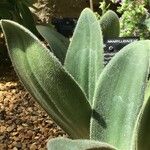
Haemanthus humilis
Description
Source: wikipedia (CC BY-SA)Haemanthus humilis is a perennial flowering plant and geophyte belonging to the genus Haemanthus. The species is native to South Africa, it occurs in every province, as well as Botswana and Lesotho.
Care Guide
💧 Water
Haemanthus humilis, a plant native to regions with seasonal rainfall, is moderately drought-tolerant and thrives when its soil dries out between waterings. It should be watered approximately once a week. As an indoor herbaceous plant, it benefits from higher humidity levels, which mimic its subtropical native habitat.
☀️ Light Partial sun
Haemanthus humilis naturally occurs in habitats with filtered light, for example the forest understory or rocky places that offer natural shade. It favors partial sunlight but can withstand full sun as well.
What are the sunlight requirements for Haemanthus humilis?
Haemanthus humilis, also known by its botanical name Haemanthus humilis, thrives under specific sunlight conditions. This plant requires full sun exposure, meaning it should receive above 6 hours of direct sunlight daily. Alternatively, it can grow in partial sun, which constitutes about 3-6 hours of sunlight. It's crucial to observe how sunlight transitions throughout your garden, enabling you to pick areas that provide a harmonious mix of light and shade. Ensuring the right balance will promote the well-being of your plants.
🌡️ Temperature 20–37.8°C
While Haemanthus humilis can tolerate some heat, it mainly thrives and grows in the cooler seasons and goes dormant in summer. In hot summer conditions, give it shade to prevent scorching from intense sunlight. Watering should be reduced or stopped during the hottest part of the year to avoid root rot. Winter and spring are when Haemanthus humilis grows vigorously, and as long as temperatures do not fall too low, it will continue to grow steadily.
What is Haemanthus humilis?
Haemanthus humilis is a plant recognized both by its common name and its botanical nomenclature, which is identical in this case. Unfortunately, additional details such as the plant's essential aspects, symptoms it might present, or further information were not provided.
💨 Humidity
🪴 Soil 6-7
🌱 Fertilizer
For Haemanthus humilis, light applications of fertilizer once or twice a year during the growing season are adequate. Do not fertilize in winter or summer when the plant is dormant. Use less fertilizer for repotted plants and wait a couple of months after repotting before applying any. Fertilizing helps maintain healthy growth and encourages flowering.
🪴 Pot & Repot Every 2 years
When you repot Haemanthus humilis, choose a container slightly larger than the current one that has good drainage. Use a gritty, fast-draining succulent or cactus potting mix. Gently remove the plant from its previous pot, brush off excess soil, and plant it at the same depth. Wait several days before watering so any root damage can heal. Repot in spring or fall and place it in a brightly lit spot.
✂️ Pruning
Prune your Haemanthus humilis in early spring by removing dead leaves and spent flower stalks. This will promote healthy growth and improve airflow. Be sure to sterilize your tools to prevent the spread of disease. Regular pruning enhances the plant's appearance and vigor, making Haemanthus humilis a strong choice for your garden. For the best results, consult reputable sources for guidance.
🌿 Propagating
🐛 Diseases & pets
☠️ Toxicity
Characteristics
- Plant Type
- Herb, Succulent
- Life Cycle
- Perennial
- Genus
- Haemanthus
- Family
- Amaryllidaceae
- Hardiness Zone
- 9-11
- Mature Height
- 20 cm to 30 cm
- Mature Spread
- 30 cm to 40 cm
- Leaf Color
- Dark Green, Forest Green
- Leaf Type
- Deciduous
- Flower Color
- Red
- Flower Size
- 5.08 cm to 7.62 cm
- Bloom Time
- Late summer, Early fall
- Planting Time
- Spring, Summer, Autumn
- Harvest Time
- Mid fall, Late fall