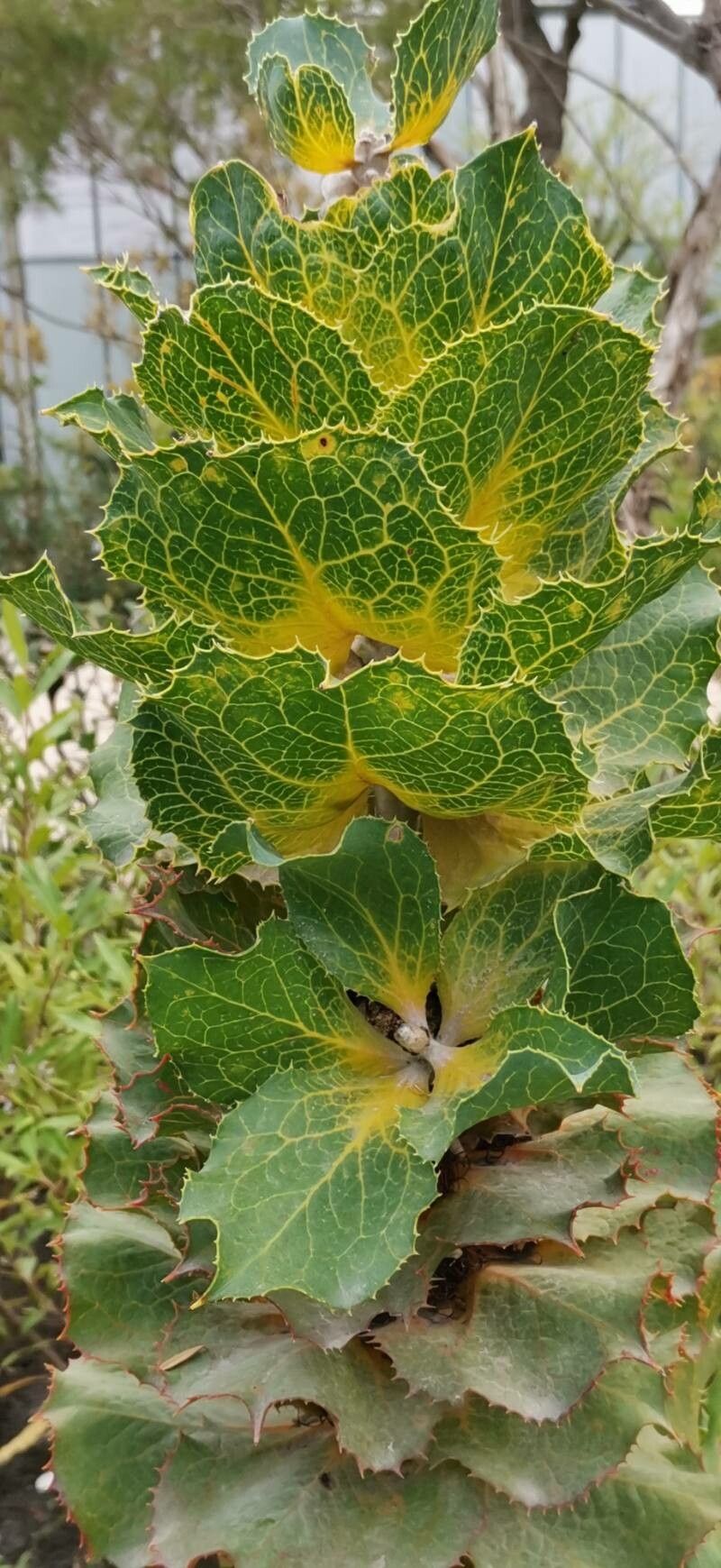
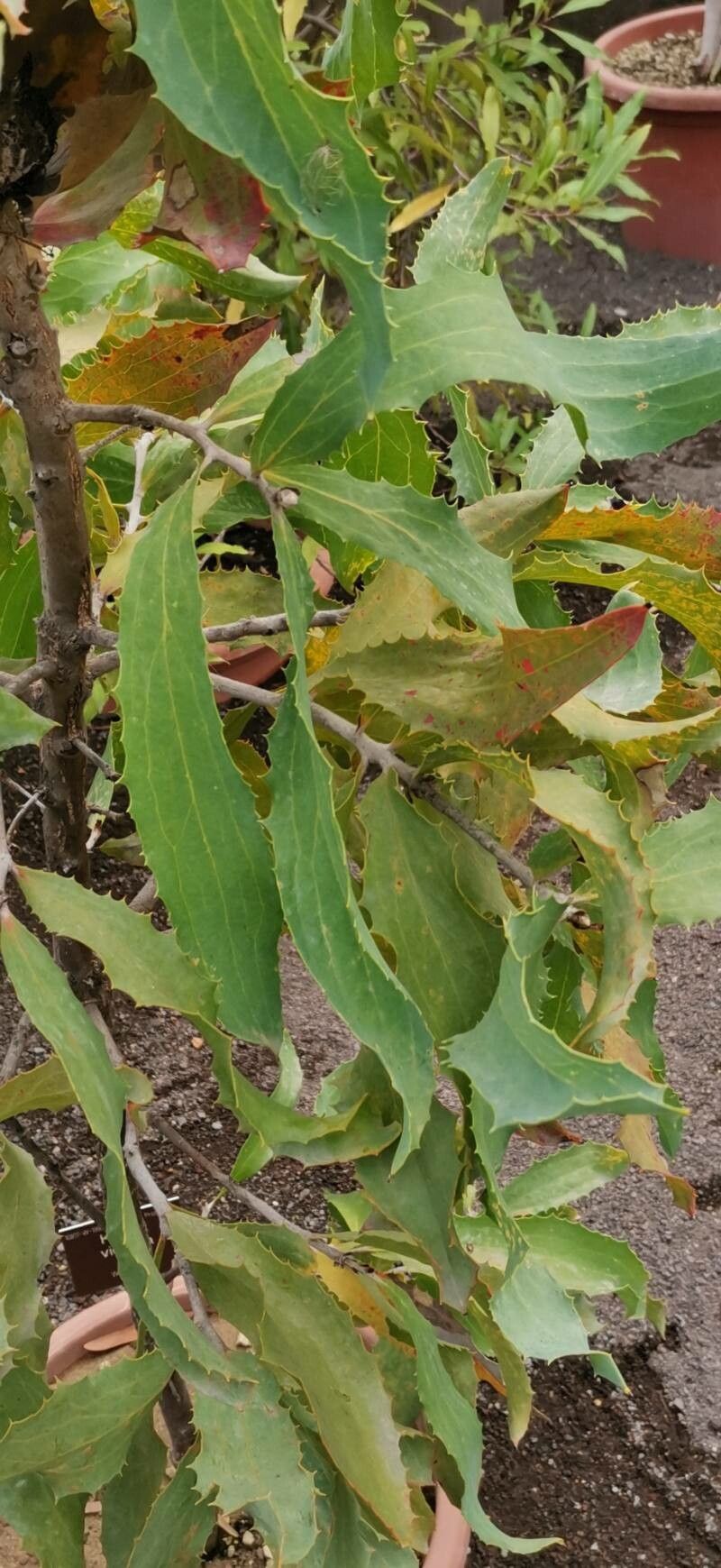
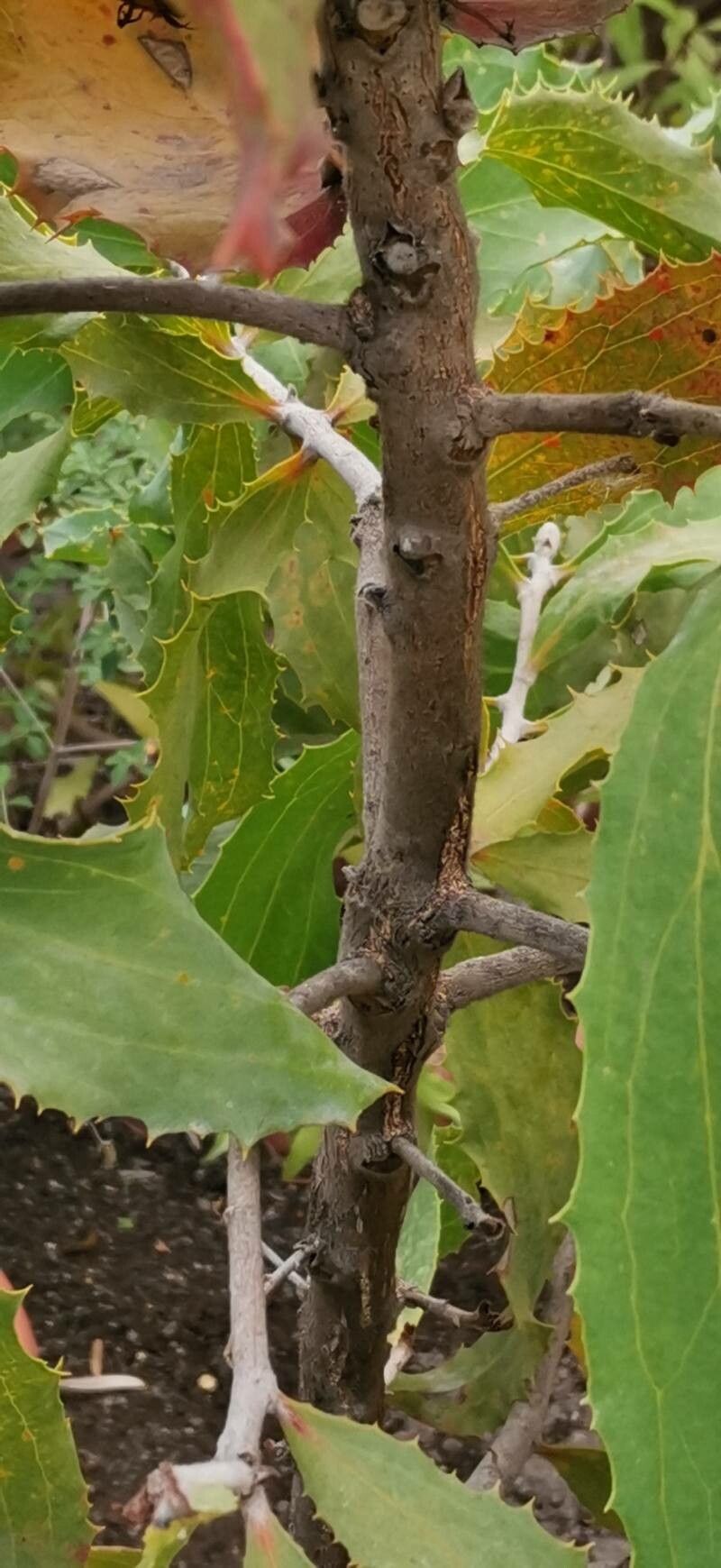
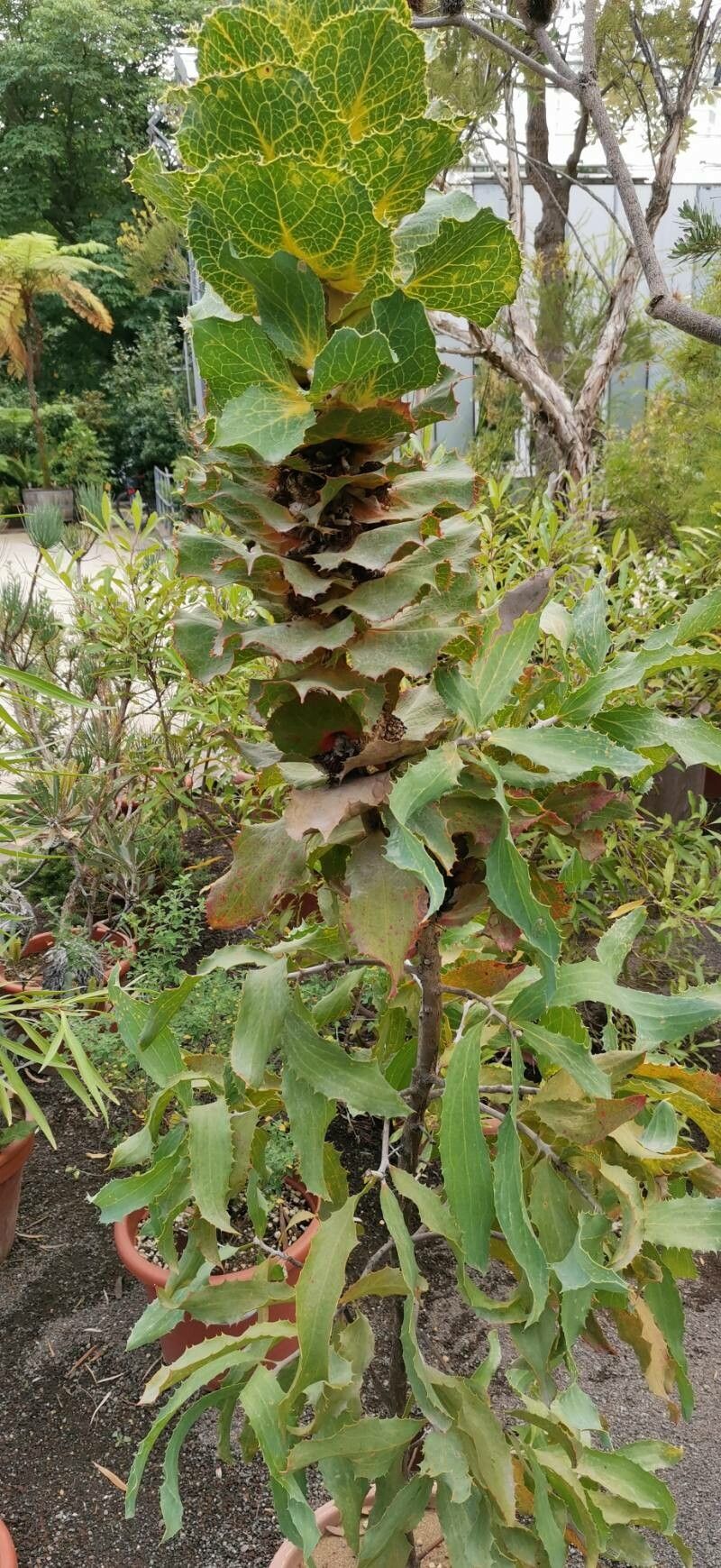
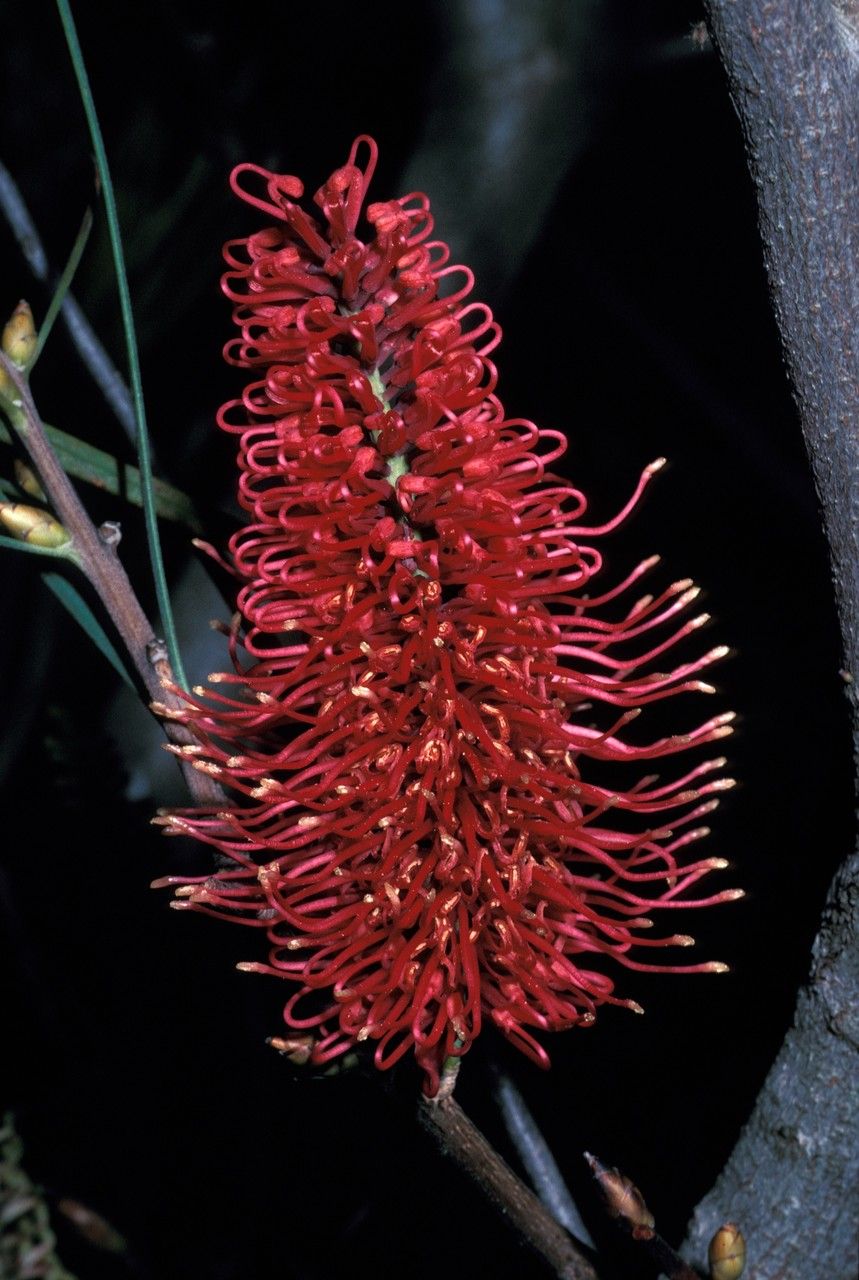
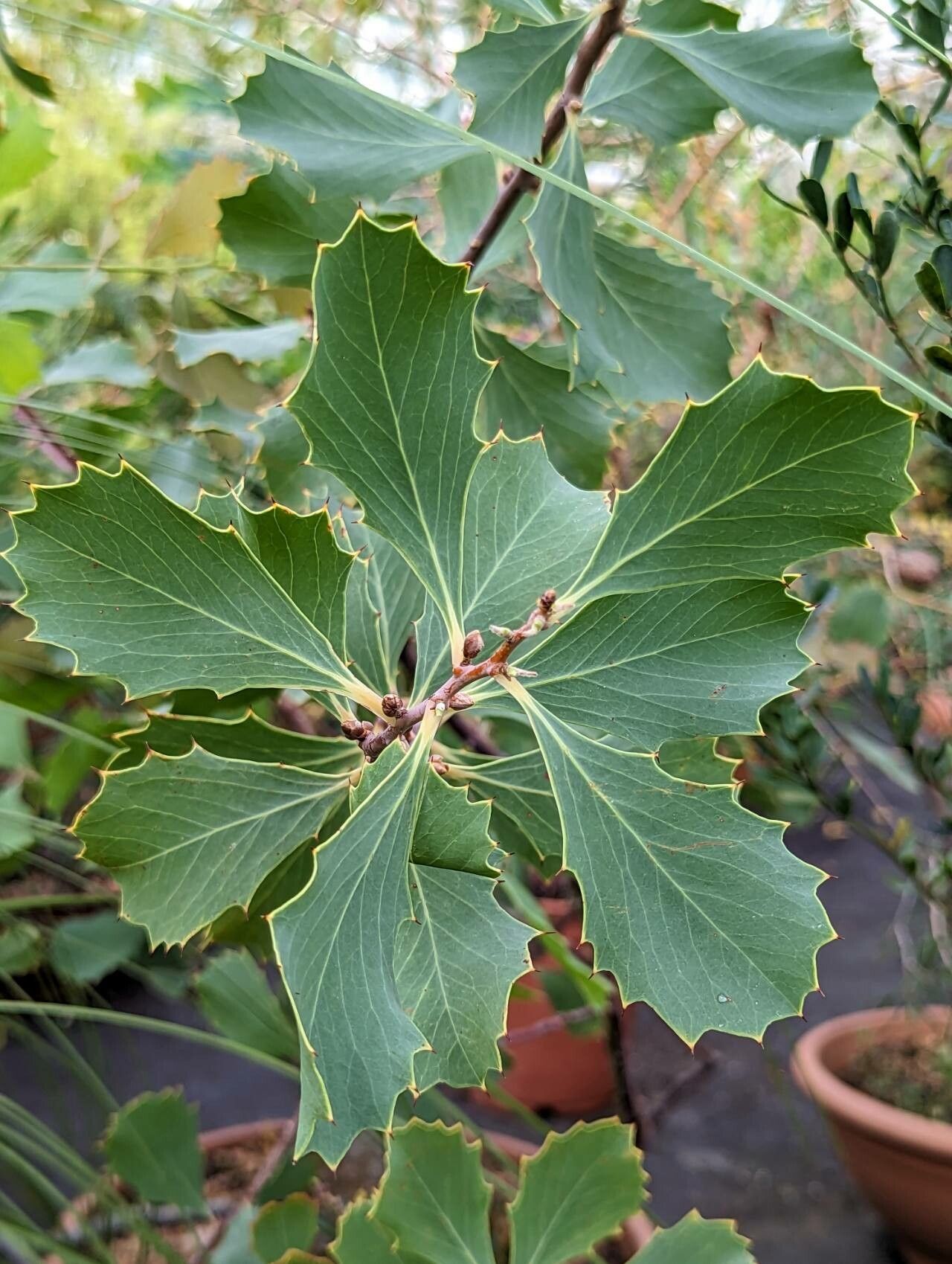
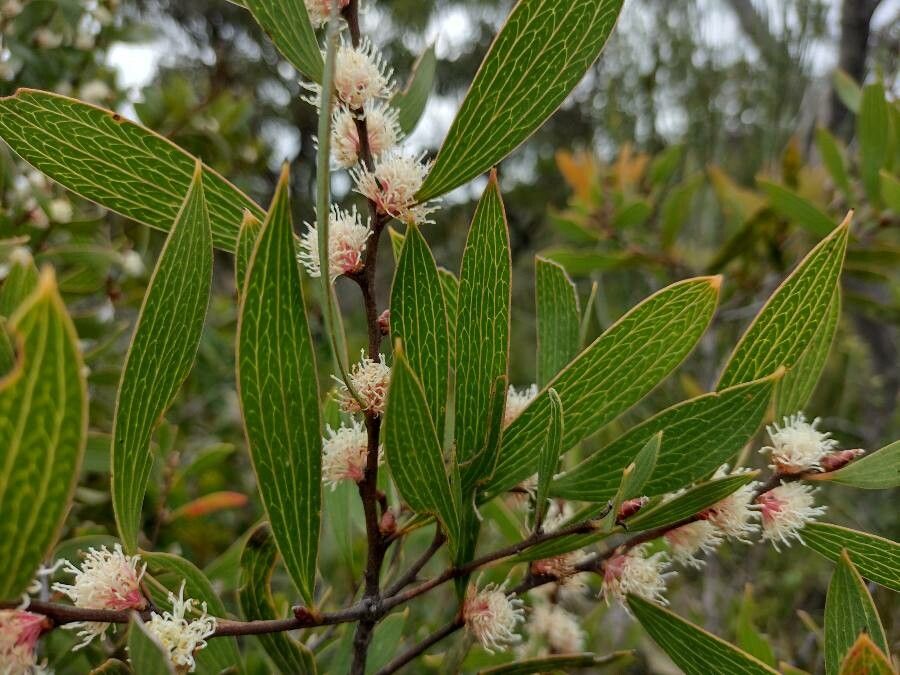
Hakea victoria, commonly known as royal hakea and lantern hakea, is a shrub endemic to Western Australia and noted for its ornamental foliage. The Noongar name for the plant is tallyongut.
Royal hakea is resistant to disease and generally not susceptible to illnesses. As for care, this plant is fairly low-maintenance. When grown outdoors it needs only minimal watering, and larger specimens typically do not require pruning. Smaller plants, however, should be pruned after they finish blooming. Royal hakeat is appropriate for anyone with an outdoor area, such as a garden or deck, and does not demand extensive care experience.
How to keep Hakea Victoria.
Light
Royal hakea hails from open habitats like sunlit fields and fringes of forests, where there's plenty of light. It flourishes in areas with full sun exposure, but is also capable of adapting to areas with partial sun, demonstrating a versatile response to various levels of sunlight.
Temperature
The Royal hakea exhibits impressive adaptability to diverse weather conditions, from blazing hot summers to freezing winters. Nevertheless, there exists an ideal temperature range for its development. The plant may be vulnerable to heat and humidity stress when subjected to extremely high temperatures, which can lead to its death. In areas with temperatures nearing the plant's lower limit of cold resistance, it becomes crucial to introduce insulation techniques to safeguard the plant.
Fertilizer
It's vital to fertilize Royal hakea at the right time. Begin fertilization in the early spring and continue on a monthly basis until the start of summer. Fertilizer aids in creating beautiful blossoms and supplies vital energy during the dormant and growth stages.
Pot & Repot
When transferring Royal hakea to a new pot, select one that is 1-2 inches (2.5-5 cm) bigger with sufficient drainage holes. Employ a potting mix that drains effectively. The best time to repot is in spring or autumn, and make sure that the plant's root ball is positioned just below the edge of the flower pot. After the repotting process, water the plant generously and situate it in a warm location where it receives indirect sunlight.
Botanical profile.