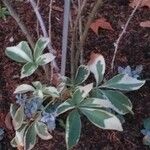
Halimodendron halodendron
Russian salt-tree · Salt-tree · Common salttree · Russian salttree · Siberian salt tree
Description
Source: leafsnapHalimodendron halodendron, commonly known as the salt tree or black saxaul, is a small deciduous tree or shrub that belongs to the Amaranthaceae family. Native to the arid regions of Central Asia, it can grow up to 5 meters in height. Its deep root system enables it to thrive in harsh environments with high salinity and drought. The plant features small, narrow, gray-green leaves and dark brown bark with deep fissures, giving it a rough texture. In late spring or early summer, Halimodendron halodendron produces small yellow flowers, which are subsequently followed by fruit capsules containing numerous seeds. Halimodendron halodendron serves various purposes. As an ornamental plant, it is appreciated for its attractive foliage and resilience in harsh conditions. Medicinally, it is used to treat respiratory diseases, digestive disorders, and skin conditions. The salt tree plays a crucial role in stabilizing soil erosion due to its deep root system, which helps prevent the desertification of the arid regions it inhabits. Additionally, the wood from Halimodendron halodendron can be used for fuelwood or making charcoal. Overall, Halimodendron halodendron is a significant plant species with a range of ecological benefits and medicinal properties, making it valuable for both environmental conservation and traditional medicine practices.
Care Guide
💧 Water Every 7 days
The common salttree originates from arid regions and is highly drought-tolerant, requiring only minimal moisture. It needs watering every 2-3 weeks. Usually grown outdoors, it thrives in well-draining soil, which helps accommodate its low water needs and prevents root rot.
How should I water my Common salttree in the best way?
To ensure excellent root development, place a garden hose at the base of the plant. Avoid spraying the leaves directly and be aware that outdoor plants in direct sunlight may need more water for their leaves. To moisten the roots, you can use bubblers or soaker hoses for each plant. When adding or removing plants, use soaker hoses that cover the whole garden or bed to promote deep root growth. After watering, drain any excess water and allow the soil to dry before watering again. To prevent diseases, water at ground level instead of spraying the leaves. On a sunny day, it may be beneficial to spray the entire bush with water. Remember, whether potted or in-ground, Common salttree prefers deep watering rather than light sprinkling.
What should I do if I give Common salttree too much water or too little water?
An overwatered Common salttree can display several signs of distress. The leaves may turn yellow, drop off, and wilt, while the plant itself may appear dull and unhealthy, with mushy stems. When these signs surface, it's important to adjust your watering schedule as needed. However, wilting can also indicate under watering, in which case the leaves may become crispy and dry. To ensure the plant receives adequate moisture, check the soil regularly and provide a thorough watering when it is dry. Although sufficient water will help the Common salttree recover, the damaged root system may cause the plant to continue appearing dry with yellow leaves for several days. Once it returns to normal, the yellowing of the leaves should cease. When growing a Common salttree indoors, always monitor the moisture levels in the pot and avoid overwatering. If you notice black spots, allow the soil to dry by refraining from watering for a few days. Overwatering can lead to root rot, so if you observe discolored and slimy roots, consider transferring the plant to a different pot. It's essential to prevent root rot by avoiding excessively soggy soil. Finally, when planting a Common salttree outdoors, make sure to dig a bit deeper. If the soil feels too dry when checked with your fingers, it may indicate underwatering, in which case providing adequate water is necessary for the plant's recovery.
How often do I need to water my Common salt tree?
The Common salttree prefers deep and infrequent watering. If the plant is in a pot, it is important to soak it in a gallon of water each time due to limited water storage and faster drying of the soil. In cold regions, watering every 3 to 5 days is necessary, preferably in the morning when the soil is dry. Checking the top 2-3 inches of soil for dryness can help determine when to water. During hot days, moisture levels should be checked daily to prevent soil from drying out quickly. For plants in the garden, watering once a week is sufficient in hot climates, but only when 2 to 3 inches of soil are too dry. Avoid overwatering if there is sufficient rainfall to prevent root rot. Adding mulch 3 to 4 inches deep can help conserve water for outdoor plants. Sandy soil requires more frequent watering, whereas clay soil can go 2-3 days without watering to avoid root rot. Keeping track of watering dates on a calendar and observing drooping leaves can help determine if watering is overdue.
How much water should I give my Common salttree?
The Common salttree typically requires about a gallon of water on a regular basis. For potted plants, water them deeply until you see water dripping out of the bottom of the pot. Wait for the soil to dry before watering again. You can use a water calculator or moisture meter to determine how much water your plant needs each week. During the flowering period, provide ample water but allow the moisture to evaporate afterwards to avoid root rot. If the Common salttree is planted outdoors and receives enough rainfall, additional watering may not be necessary. However, when the tree is young or newly planted, ensure it receives 1-2 inches of rain per week. As the Common salttree grows, it can rely solely on rainfall. Only during excessively hot weather or prolonged periods without rainfall for 2-3 weeks should you consider giving the tree a thorough watering during cooler times of the day to prevent damage from high heat. Additional watering will be needed during prolonged dry spells.
Do I need to change how often I water my Common salttree based on the seasons or the weather?
The Common salttree thrives in outdoor conditions and relies on rainwater, but may need to be watered during dry spells. In spring and fall, keep the soil moist but not soggy, alternating between dry and moist conditions. During hot summer months, water more often if there is a lack of rainfall. In winter, the Common salttree requires less water as it goes dormant. Use a well-draining soil mixture to help water evaporate. Once the tree becomes dormant, water can be skipped and rely on rainfall. During flowering, ensure good drainage to prevent ponding or drought. If grown in a pot, provide adequate drainage and water regularly in summer. Deeply soak the root system once or twice a week, avoiding shallow sprinkles. Avoid letting the plant dry out completely in fall or winter. Excessive water can be harmful, so ensure good soil drainage. Mulching is beneficial for reducing stress, conserving water, and promoting healthy blooms.
☀️ Light Full sun
Common salttree is native to open habitats, such as sunny meadows and forest edges, which provide plenty of light. It performs best in full sun but can also withstand partial sun, showing good adaptability to different sunlight conditions.
How many hours should Common salttree be exposed to sunlight each day to grow healthily?
To promote healthy growth, it is important to provide Common salttree with 3-6 hours of sunlight each day. Keep in mind that this is the minimum requirement. While plants that can tolerate partial sunlight can also thrive in full sunlight, they are more adaptable because they require less light for photosynthesis compared to plants that need either full sunlight or partial shade.
What kind of sunlight does the Common salttree require?
Common salttree thrives in full or partial sun. It flourishes when exposed to direct morning light, but requires protection from the intense afternoon sun during the summer. In temperate environments, excessive afternoon sun can scorch the leaves, negatively impacting the plant's appearance and health.
Can exposure to sunlight harm a Common salttree? How can we shield a Common salttree from damage caused by the sun and heat?
Indoor salttrees can be easily damaged by direct sunlight when they are moved outdoors. To avoid sunburn, gradually move the pots from a shaded area to a brighter spot. However, even plants accustomed to the summer sun can be harmed by extreme heat. During a heatwave, it is crucial to keep the soil consistently moist so that plants can handle high levels of heat. To protect sensitive salttrees during extreme weather, consider moving them to areas with afternoon shade or covering them with a shade cloth.
Should I keep Common salttree away from the sun?
Common salttree benefits from bright morning sun and some full sun exposure. However, it cannot handle the intense midday sun of summer. If it is planted in the ground, it can gradually adapt to the increasing intensity of the summer sun. However, potted plants that have been indoors or in a protected location may be injured when suddenly exposed to direct summer sun during the hottest part of the day. To protect the plant from the harsh afternoon sun, it is recommended to plant or place it in an understory location where taller trees, plants, a building, or a landscape feature can provide shade at midday.
What will happen if the Common salttree doesn't get enough sunlight?
Common salttrees can become pale green or have drooping, yellow leaves if they don't get enough sun. It's normal for some leaves to fall off, but if new ones aren't growing in their place, there's a problem. When Common salttrees receive insufficient light, any new growth may be weak, pale, and susceptible to insects. Paying attention to these signs and adjusting the lighting conditions can make a big difference.
🌡️ Temperature 0–21.1°C
Common salttree is native to areas where typical temperatures range from 32 to 70 °F (0 to 21 ℃). It grows well in these temperate conditions. Where needed, seasonal adjustments to keep temperatures within this range are recommended.
What temperature is best for Common salttree?
Common salttree is a plant that prefers cooler temperatures to thrive. To ensure the best growth, keep the temperature between 65-75℉(18-25℃). While this plant can tolerate temperatures outside of this range, it is best to stay within a few degrees of these limits. The upper and lower limits that Common salttree can handle are between 75-85℉(25-30℃) on the higher end and 5℉(-15℃) on the lower end. Since Common salttree prefers cooler temperatures, it is more important to avoid high temperatures. Temperatures above 85℉(30℃) can restrict growth and cause damage, even leading to plant death.
Does Common salttree need different temperatures for various stages of growth?
To ensure optimal growth of Common salttree during each growing phase, maintain temperatures between 65-75℉(18-25℃). Common salttree is more tolerant of lower temperatures than higher ones, so growth won't be significantly hindered if the growing area reaches as low as 5℉(-15℃). However, growth may start to slow down if temperatures drop below that threshold, so if you plan on growing your plants during winter, ensure the room remains above that temperature.
Three suggestions for regulating the temperature of a saltwater aquarium.
Here are some tips to help you take care of your Common salttree: Tip #1: Watch for the Signs of Heat Damage - If your Common salttree overheats, there are warning signs before it starts to die off. - First, the leaves may start turning brown, and then branches might start falling off. - This happens because the branches are dying as the tree draws moisture back towards its center. - To prevent heat damage, keep temperatures lower and water your Common salttree more frequently when exposed to heat. Tip #2: Don’t Let Common salttree Get Too Cold - While Common salttree prefers cooler environments, rapid drops in temperature can cause freeze damage. - If your growing area falls below 5℉(-15℃) quickly, the water in your Common salttree can freeze. - This leads to bursting cell walls and cracked bark, which slows down growth and can cause parts of the tree to die. - To prevent freeze damage, ensure that temperatures don't decrease too rapidly. Tip #3: Use Shade and Ventilation to Regulate Temperatures - If you notice your Common salttree getting too hot, you can use shade and ventilation to cool it down. - If you don't have an air conditioning unit or fans, shading and improving air circulation are cost-effective ways to regulate temperatures. - However, once temperatures are corrected, make sure to expose your plants to sunlight. - Common salttree needs plenty of sunlight for proper growth, so while shade can help temporarily, avoid keeping the tree in the shade for extended periods.
Does the Common salttree require varying temperatures depending on the season?
If you plan on growing Common salttree outside, it's important to be aware of temperature differences during different seasons. Specifically, keep an eye on your outdoor thermometer during spring and early summer, as temperatures exceeding 85℉(30℃) can be harmful to Common salttree and even cause its demise. If you choose to plant them indoors instead, ensure that the area receives adequate sunlight. Common salttree requires plenty of sun, ideally in a location that offers full sun exposure or partial shade. However, be cautious of excessive sunlight, as it can raise temperatures and potentially harm the tree.
How can I make sure the Common salttree stays at the right temperature?
For the best temperature control for Common salttree, it is recommended to grow them in a climate-controlled environment. Since Common salttree thrives in cooler conditions, it is important to select a room with air conditioning or fans, and the ability to monitor temperature. Regularly check the temperature, ensuring it stays between 65-75℉ (18-25℃). If it falls outside this range, adjust the climate control settings accordingly. If you plan on growing Common salttree outdoors, it is advised to do so in the spring and early summer. Maintaining the optimal temperature range can be more challenging outside, so outdoor growth is usually best for facilitating maximum growth in Common salttree.
💨 Humidity
🪴 Soil 6-7
🌱 Fertilizer
The timing of fertilizing Common salttree is important. Apply fertilizer in early spring and continue once a month until early summer. Fertilizer promotes attractive blooms and supplies energy during both dormant and active growth periods.
🪴 Pot & Repot
✂️ Pruning
The common salttree is known for its hardy foliage that thrives in saline soils. For optimal growth, it is recommended to prune in early spring, removing any dead branches. Additionally, thinning out dense areas helps improve air circulation. Make sure to use clean tools for this process. These practices enhance the tree's health and lower the risk of disease. For the best results, always refer to local horticultural guidelines.
🌿 Propagating
🐛 Diseases & pets
☠️ Toxicity
Characteristics
- Plant Type
- Shrub
- Life Cycle
- Perennial
- Genus
- Halimodendron
- Family
- Leguminosae
- Hardiness Zone
- 2
- Mature Height
- 3.05 m
- Mature Spread
- 1.22 m to 1.83 m
- Leaf Color
- Green Yellow, Light Green
- Leaf Type
- Deciduous
- Flower Color
- Lavender, Pink
- Flower Size
- 1.02 cm to 2.03 cm
- Bloom Time
- Mid spring, Late spring
- Planting Time
- Spring, Autumn
- Harvest Time
- Summer
- Native Area
- Uzbekistan, Russia, Afghanistan, Tajikistan, Turkey, Kyrgyzstan, Kazakhstan, Mongolia, Iran, Armenia, Azerbaijan, Ukraine, Turkmenistan, China