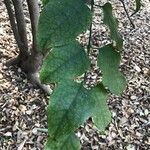
Halleria lucida
Mubaratsotsa · Mutapahuro · Tree fuchsia · Tree Fuschia · Hilarious lucy
Description
Source: leafsnapHalleria lucida, commonly known as the Tree Fuchsia or Honeysuckle Tree, is a small to medium-sized evergreen native to South Africa. Belonging to the Stilbaceae family, this tree can grow up to 10 meters tall. It features a dense, rounded crown adorned with glossy, lance-shaped green leaves that have serrated edges. Halleria lucida produces small, tubular flowers that are bright red or orange with yellow tips. These flowers bloom in clusters from late winter through spring and attract birds such as sunbirds for pollination. The plant prefers well-drained soil and can thrive in full sun or partial shade, although it is adaptable to a wide range of soil types. While Halleria lucida is drought-tolerant, it benefits from regular watering during dry periods. This plant has various medicinal uses, including treatments for stomach ailments, respiratory infections, and skin conditions like eczema and psoriasis. Its bark contains alkaloids with anti-inflammatory properties, making it helpful for alleviating arthritis pain. Overall, Halleria lucida is an attractive ornamental plant with beautiful flowers that add vibrant color to any garden. Its dual role as a decorative and medicinal plant makes it an excellent choice for garden enthusiasts seeking both beauty and functionality in their plant collection.
Care Guide
💧 Water Every 7 days
The tree fuchsia thrives in moist, shaded environments that resemble its natural habitat and also shows moderate tolerance to drought. To maintain lightly moist soil, water the plant every 2–3 weeks. It grows best in temperate gardens where the climate aligns with seasonal rainfall, complementing its deciduous characteristics.
How should I water my Tree fuchsia plant?
Your Tree fuchsia is not picky about how you water it. You can use any common watering tool like watering cans, hoses, or even cups. It's important to water the soil directly and make sure all areas are evenly moistened. Using filtered water is best because tap water can have harmful particles for plants. It's also helpful to use water at or slightly above room temperature as really cold or hot water can shock the Tree fuchsia. But generally, the Tree fuchsia will do well with any kind of water.
What should I do if I give my Tree fuchsia too much or too little water?
Outdoor plants, especially newly planted ones or seedlings, can suffer from lack of watering. It's important to water them consistently for the first few months while they are small or newly planted. Once the roots are established, Tree fuchsia plants can rely on rainfall most of the time. When Tree fuchsia is planted in pots, overwatering is a common issue. If you accidentally overwater your Tree fuchsia, there are steps you can take to remedy the situation. First, stop watering the plant immediately to minimize the impact of overwatering. Then, remove the Tree fuchsia from its pot to inspect the roots. If you find no signs of root rot, you can return the plant to its container. However, if you do find signs of root rot, trim away the affected roots and consider applying a fungicide to prevent further damage. Finally, repot the Tree fuchsia in well-draining soil. On the other hand, underwatering the Tree fuchsia is a simpler problem to fix. If you notice the leaves drooping, drying out, and falling off, it means the plant is underwatered. Simply increase the frequency of watering, and the leaves will quickly regain their fullness. It's important to adjust your watering schedule promptly when underwatering occurs.
How many times should I give water to my Tree fuchsia?
To ensure the healthy growth of outdoor plants, it is typically sufficient to rely on natural rainfall. However, if your area experiences a lack of rainfall, it is important to provide adequate watering every 2 weeks in the spring and fall, and more frequently during the summer. In the winter, when plant growth slows down, it is best to water sparingly or not at all. If you have recently planted a young Tree fuchsia, it is advisable to water it more frequently to help it establish and become more adaptable to drought conditions. When it comes to potted plants, there are two main approaches to determining watering frequency for Tree fuchsia. The first method involves following a predetermined watering schedule, with watering typically done once a week or once every other week. However, this approach may not always be suitable as it doesn't take into account the specific growing environment of the Tree fuchsia. The second approach involves adjusting the watering frequency based on the moisture level of the soil. It is generally recommended to wait until the top two to four inches of soil (about ⅓ to ½ the depth of the pots) have completely dried out before watering the plant again. This approach allows for better consideration of the plant's water needs, especially during the summer when it requires more water than usual.
How much water does my Tree fuchsia plant require?
To water your Tree fuchsia, you don't always need a lot of water. If only a few inches of soil have dried since your last watering, give it about five to ten ounces of water. You can also base the amount of water on the moisture in the soil. If more than half of the soil has dried, give more water until it drains from the pot's holes. If your Tree fuchsia gets plenty of rain outdoors, it may not need extra watering. When it's young or establishing, give it 1-2 inches of rain per week. As it grows, it can rely on rainwater, but if there's no rain for 2-3 weeks during hot weather, give it a full watering to prevent stress.
How can I know if I am giving enough water to my Tree fuchsia?
The Tree fuchsia often suffers from overwatering, which can be identified through yellowing leaves, leaf drop, and the plant shrinking in size. Overwatering can also lead to root rot. Conversely, an underwatered Tree fuchsia will wilt, have brown or brittle leaves, and require intervention to recover its health.
☀️ Light Partial sun
The tree fuchsia is native to habitats like forest understories or rocky areas, where it grows in natural shade. It prefers partial sun but can tolerate both full sun and full shade, illustrating its versatile and hardy nature.
🌡️ Temperature 15–32.2°C
Tree fuchsia does best in its native habitat at temperatures between 59 and 90 °F (15 and 32 °C). Adaptable to a range of conditions, it favors mild winters and warm summers. Seasonal temperature adjustments may be needed for optimal growth.
What temperature is best for Tree fuchsia?
For Tree fuchsia to thrive, the ideal temperature range is 65~80℉(18~27℃). During the main growing phase, it can tolerate temperatures as high as 95℉(35℃), and as low as 15℉(-10℃). This species is resilient to cold temperatures and can survive freezing winters. The recommended temperature ranges are: - Perfect: 65~80℉(18~27℃) - Highest: 85~95℉(30~35℃) - Lowest: -5~15℉(-20~-10℃) or below.
Do I need to change the temperature for Tree fuchsia at different stages of growth?
According to research, Tree fuchsia tends to have stunted growth when exposed to prolonged periods of high temperatures, particularly when its axillary buds are developing and its main shoots are growing. To promote strong growth after germination or transplanting, it is recommended to maintain a consistent and cooler temperature of around 65℉(18℃).
How can I protect Tree fuchsia from the cold in winter?
Tree fuchsia can tolerate freezing temperatures when planted in the ground in regions that don't fall below 15℉(-10℃) during winter. However, if planted in pots or containers, their roots need to be shielded from the cold. This can be done by covering the container with a blanket or moving it indoors for complete protection against the elements.
If the temperature is too high or too low, how will Tree fuchsia be harmed?
Tree fuchsia is more greatly affected by consistently high temperatures than consistently low temperatures. When the temperature is too hot, the seed germination and photosynthesis efficiency of Tree fuchsia decrease due to hormone triggers caused by heat stress. This can be observed through signs such as wilting, leaf browning, and potentially the death of the plant. On the other hand, if Tree fuchsia experiences extremely cold temperatures, its plant functions such as nutrient uptake and photosynthesis will stop, which can lead to the plant dying. If a single freezing event happens during the growing season, there is a risk of a membrane phase transition occurring, which can also cause the plant functions to cease and result in the death of the plant.
What should I remember about temperature for Tree fuchsia?
To ensure the health of Tree fuchsia and promote successful budding, flowering, and new growth, it is crucial to maintain a consistent soil temperature. You can achieve this by following these strategies: consistently watering the plant, adding mulch to any bare soil, and planting the Tree fuchsia in a shaded area.
💨 Humidity
🪴 Soil 6-7
🌱 Fertilizer
Timing is important when fertilizing Tree fuchsia. Apply fertilizer in early spring and repeat monthly through early summer. The fertilizer encourages attractive blooms and provides energy during both dormant periods and active growth phases.
Why is it necessary to add fertilizer to my Tree fuchsia?
Fertilizing a Tree fuchsia is important for several reasons. One main reason is that it helps the plant produce beautiful blooms. Applying fertilizer in early spring is particularly beneficial for maximizing flower production during that season. Additionally, fertilizer provides the Tree fuchsia with extra energy that can be stored in the ground during periods of dormancy. By giving the plant additional nutrients during fall planting or late spring, it will have more energy stored up to utilize when it starts actively growing again.
When should I put fertilizer on my Tree fuchsia?
The timing of fertilizing Tree fuchsia is crucial. If you fertilize too early while the Tree fuchsia is dormant, it won't be effective and will be washed away by rainwater, causing waste and pollution. To get started, apply the first round of fertilizer in early spring and continue once a month until early summer.
When is it not a good idea to give fertilizer to my Tree fuchsia?
To ensure optimal growth of Tree fuchsia, it is important to be mindful of the type and timing of fertilizer application. High levels of nitrogen should be avoided as it can result in an abundance of leaves but few blooms. Instead, opt for a fertilizer with lower nitrogen content compared to other nutrients. Additionally, fertilization should be halted in late autumn to prevent excessive growth before winter. Moreover, refrain from fertilizing Tree fuchsia during hot and dry periods, as dry soil is not as effective in delivering nutrients and excess growth may require additional water that may not be available. It is advisable to apply fertilizer earlier in the season when temperatures are cooler. Lastly, be cautious of providing double-doses of fertilizer by accidentally applying it to nearby plants or lawns, as Tree fuchsia can absorb nutrients from these sources.
What kind of fertilizer does my Tree fuchsia plant need?
To ensure optimal growth and blooming of a Tree fuchsia, the ideal fertilizer should have a balanced mix of the three main plant nutrients, with slightly higher amounts of phosphorus. Another option is to enhance the soil by incorporating organic materials like compost, worm castings, and manure. When the flower buds start to appear, experienced gardeners often supplement with water-soluble fertilizers containing phosphorus to promote better flower development, larger blooms, and longer blooming periods. Fertilizers for Tree fuchsia can come in various forms, but liquid or powdered fertilizers are considered among the best. Regardless of the type, it is important to dilute the fertilizer and apply it while watering the Tree fuchsia.
How do I add nutrients to my Tree fuchsia?
To properly fertilize your Tree fuchsia, it's important to follow the instructions for the specific fertilizer you're using. Take the time to research the proper application for this particular plant. It's crucial not to over-fertilize, so determining the correct amount is vital. A general guideline for determining the amount of fertilizer to use is to consider the age of the tree or the diameter of the trunk. Estimate one-tenth of a pound of fertilizer per year or per inch of trunk, with a maximum of one pound. When applying granular or organic fertilizers, such as blood meal, sprinkle them around the base of the tree, extending to the drip line. Avoid letting the fertilizer come into contact with the trunk. Over time, the granules will break down and filter into the soil, where the roots can absorb them. After fertilizing, spread a one-inch layer of compost around the tree's base and thoroughly water it.
🪴 Pot & Repot
✂️ Pruning
Tree fuchsia benefits greatly from pruning in the winter months, both early and late. Pruning helps to shape the plant, remove dead wood, improve airflow, and encourage healthy blooms. By regularly managing the plant's size, you can keep your landscape neat and attractive while also supporting vigorous new growth.
🌿 Propagating
🐛 Diseases & pets
☠️ Toxicity
Characteristics
- Plant Type
- Tree
- Life Cycle
- Perennial
- Genus
- Halleria
- Family
- Stilbaceae
- Hardiness Zone
- 7
- Mature Height
- 14.94 m
- Mature Spread
- 3.96 m to 4.88 m
- Leaf Color
- Dark Green
- Leaf Type
- Evergreen
- Flower Color
- Red, Orange
- Flower Size
- 4.06 cm
- Bloom Time
- All year round
- Planting Time
- Spring, Summer, Autumn
- Harvest Time
- All year round
- Native Area
- Saudi Arabia, Malawi, Lesotho, Angola, South Africa, Zambia, Sudan, Namibia, Eritrea, Yemen, Kenya, Uganda, Tanzania, Zimbabwe, Mozambique, Eswatini, Ethiopia, Botswana